Matcha starts as a leaf. In Wazuka, you’ll follow the full path from tea-picking to ceremony, with a fifth-generation matcha farmer as your host, plus tastings and lunch. I love how hands-on the day feels for a single-person-price private tour, but be aware the farm access can be bumpy and muddy.
This is one of those Kyoto experiences that isn’t about checklists. You’ll slow down in rural tea country, tour two matcha farms, and spend time in a traditional home setting where matcha is made and explained with care. And because it’s private, the host can shape the pace to your questions—perfect if you like real detail (and not just pretty photos).
In This Review
- Key highlights you’ll care about
- Wazuka’s tea-country rhythm, far from Kyoto traffic
- Private tour reality: what your money buys
- Meeting at Wazuka-cha CafeJapan at 10:00 am
- Touring two matcha farms: how the day is structured
- Farm stop #1: set the foundation
- Farm stop #2: compare, taste, and walk the real fields
- The traditional home moment: matcha lunch set and tastings
- What to do during lunch and tastings
- 800 years of matcha-making context, explained through your day
- The matcha workshop: learning how ceremony is actually made
- Take-home premium matcha from an Imperial Family connection
- Price and logistics: how $520 per person makes sense (or not)
- Who should book this Wazuka matcha farm experience
- Should you book this matcha farm tour?
- FAQ
- How long is the Wazuka matcha farm experience?
- What time does the tour start, and where does it begin?
- Is this tour private?
- Does the price include matcha lunch and tastings?
- How many matcha farms will I visit?
- Is pickup available?
- Are service animals allowed?
- What is the cancellation policy?
Key highlights you’ll care about
- Two matcha farm visits in rural Wazuka instead of one quick photo stop
- Matcha lunch set in a traditional Japanese home setting
- Tasting and tea tasting so you learn matcha by smell and taste, not lectures
- A hands-on workshop focused on how matcha is prepared for ceremony
- Premium take-home matcha from a farm once owned by the Imperial Family
- 800-year matcha making context so what you taste has a timeline
Wazuka’s tea-country rhythm, far from Kyoto traffic
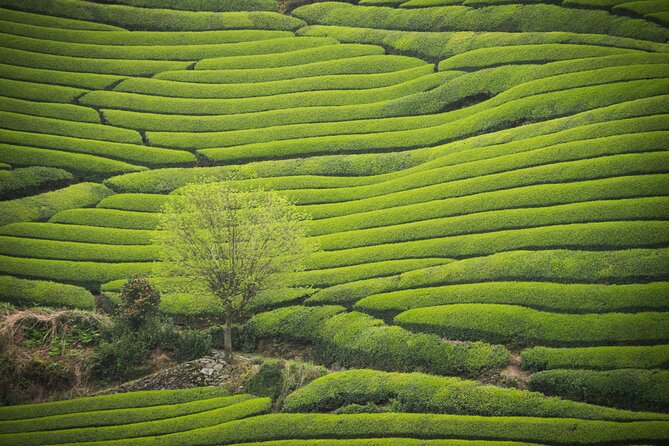
Kyoto is famous, sure. But Wazuka is where matcha stops being a product and turns back into a plant, a process, and a daily habit. This tour runs from 10:00 am and lasts about 6 hours, which is a sweet spot: long enough to feel the day’s flow, short enough to avoid the “I’m tired of van rides” effect.
What I like most is the tone. The day is described as an end-to-end matcha experience, and that matters because matcha is picky. Good matcha isn’t just green powder. It’s about growing, harvesting timing, processing methods, and how it’s served. When you taste in context, you notice differences you’d miss if you just bought a packet and moved on.
The other big win is the host. You’ll be led by a 5th generation matcha tea farmer, which changes the whole feel. Instead of a script, you get answers grounded in how the work is actually done, and why certain steps matter. That also helps explain the Imperial Family connection and the long matcha-making history without turning it into a trivia show.
Private tour reality: what your money buys
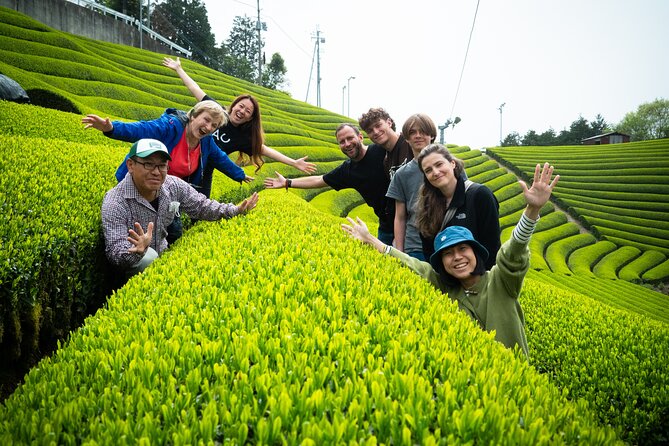
This is a private tour/activity, meaning only your group participates. That’s a real value lever, especially on a specialized farm day where the best parts happen through conversation: asking about flavor, learning what makes one matcha different from another, and getting advice on how to use what you buy later.
Price is listed at $520.00 per person, and that’s not cheap. But for a private, guided day that includes:
- pickup offered (when arranged),
- two farm visits,
- a matcha lunch set,
- matcha tasting and tea tasting,
- and a matcha workshop with take-home premium matcha,
…you’re paying for access and time. You’re also paying for someone to translate rural tea work into something you can taste and remember. If you’re doing Kyoto “attraction hopping” with group tours, the cost can feel wild. If you want a slower, more meaningful specialty day, it can feel like good value.
One practical note: it’s also scheduled for about 6 hours, so you’ll want to treat this as your main plan for the day. Build in a relaxed mindset before and after.
Meeting at Wazuka-cha CafeJapan at 10:00 am
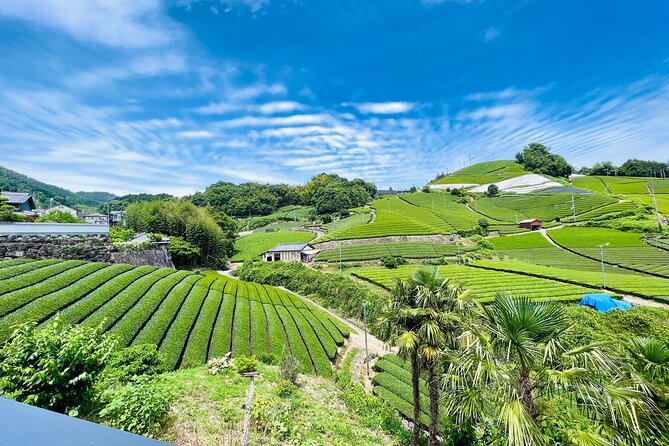
Your start point is Wazuka-cha CafeJapan (Soraku District, Wazuka). The address is listed as: 619-1222 Kyoto, Soraku District, Wazuka, Shirasu, Ōhazama 35, グリンティ和束 1階. The activity ends back at the same meeting point.
I like meeting at a cafe space because it feels normal and easy to find, rather than an obscure parking lot. You also start at 10:00 am, which gives you a full day of light and time for tastings without rushing.
If you’re using public transportation, this is noted as near public transportation. And if you’re coming with a service animal, service animals are allowed.
Touring two matcha farms: how the day is structured
The tour includes visits to 2 local matcha tea farms. Even without a blow-by-blow minute schedule, the “two farm” structure tells you something important: you’re not just seeing one method and calling it a day. You’re getting a broader view of how tea farming and matcha processing work in Wazuka.
Farm stop #1: set the foundation
On the first farm visit, expect the core education of matcha production. The experience is described as covering end-to-end matcha making from tea picking, processing, and ceremony. In practical terms, this is where you learn:
- what happens after tea leaves are harvested,
- how processing shapes the final matcha,
- and what to pay attention to when you taste later.
This is also when you’ll want to slow down and ask your host questions. The tour is private, so you’re not competing with a crowd. If you care about flavor terms like bitterness, sweetness, or aroma, this is the moment to ask what farming or processing steps influence them.
Farm stop #2: compare, taste, and walk the real fields
The second farm visit is where the day’s context comes together. You’ll walk through matcha farm areas and keep connecting what you’re doing with what you’ll taste. The tour mentions time for matcha tasting and tea tasting, so you’ll likely get a chance to connect field work to cup experience.
Also, here’s the practical “wear-the-right-shoes” reminder: farm access can be bumpy and muddy. That means your best choice is grippy shoes you don’t worry about getting dirty. If you’ve got fancy city footwear, save them for Kyoto center.
The traditional home moment: matcha lunch set and tastings
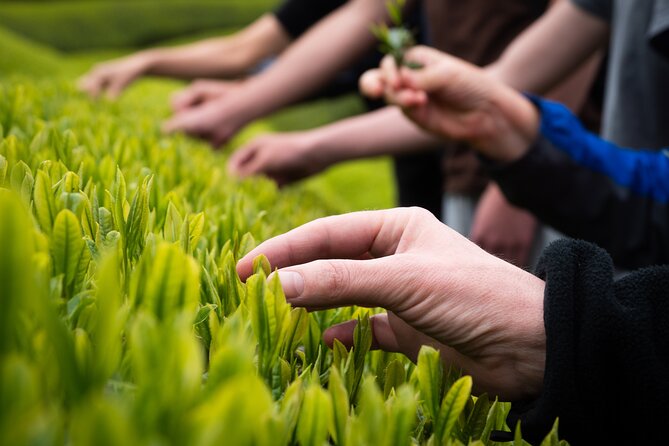
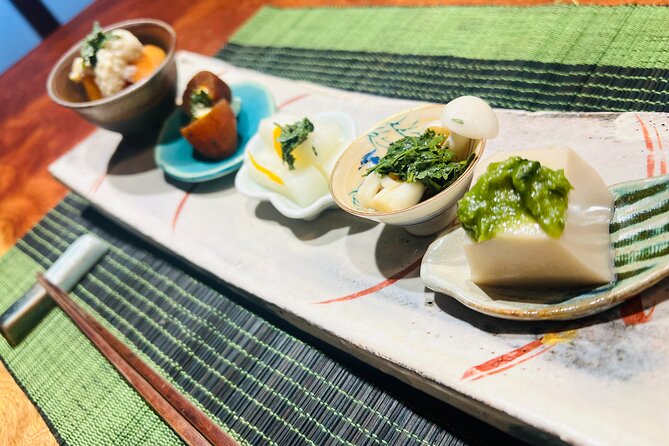
Between the farm visits, the experience invites you to a traditional Japanese style home to enjoy a Matcha Lunch Set and participate in matcha tasting plus tea tasting.
This part matters more than it sounds. Matcha is not only a farming story; it’s a serving story. When you eat a lunch set in a traditional home setting, you’re learning matcha as part of daily culture, not as a souvenir you sample and forget.
What to do during lunch and tastings
Here’s how to get the most out of this segment:
- Take a slow first taste, then a second one after you’ve eaten a bit. Your palate changes with food.
- Smell the matcha before taking a sip. The experience is explicitly described as engaging all the senses, and that’s the simplest way to do it without overthinking.
- Ask what makes the tasting matcha different from what you can buy in a store. You’re learning how to spot quality later.
You’ll come away with a better idea of why matcha isn’t one-size-fits-all. Even if you don’t become a matcha expert by lunch, you’ll understand what matters: aroma, texture, and how it finishes.
800 years of matcha-making context, explained through your day
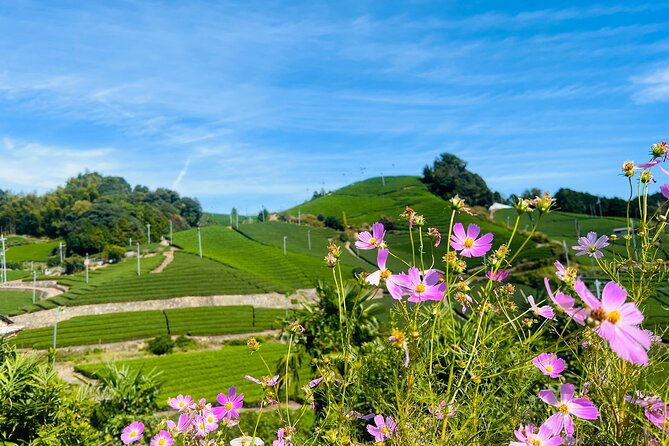
The tour notes that you’ll hear about 800 year old tea making history. That’s a big claim, and the best way a host can make it useful is by connecting history to what you’re seeing right now.
Think of it like this: history gives meaning to technique. If someone tells you about long-standing tea methods, but you never see the steps or taste the result, it’s just a number. Here, you’re touring the farms, learning the processing flow, and then tasting. So the “800 years” becomes a way to understand continuity: how matcha became a tradition tied to how tea is grown and served.
The matcha workshop: learning how ceremony is actually made
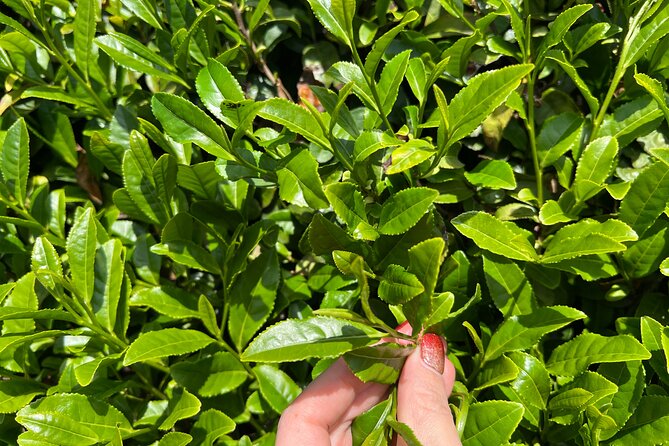
The experience includes a matcha workshop. Workshops are where a “nice story” becomes a practical memory, because you do something with your hands and senses.
You can expect the workshop to focus on preparing matcha as part of ceremony. In real terms, this usually means:
- learning the basics of preparation,
- understanding what the host looks for in quality and texture,
- and practicing the steps yourself so you can replicate the experience later.
If you care about doing things correctly, this is a great fit. If you’re nervous about speaking Japanese, don’t worry: the value here is not language perfection. It’s watching the process, learning the logic, and being shown how the final cup should behave.
Take-home premium matcha from an Imperial Family connection
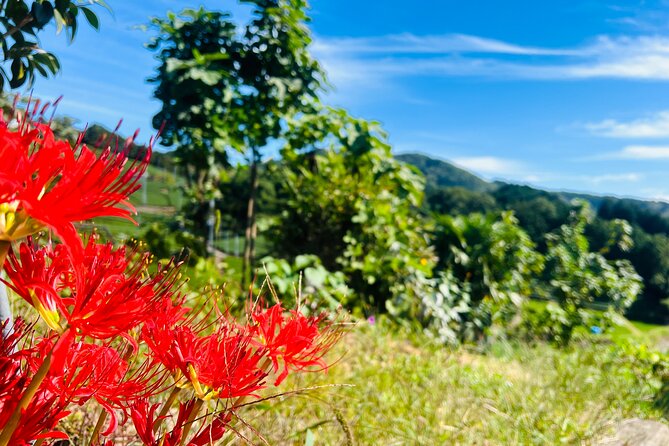
One of the most motivating parts of the tour is that you get to take home some premium matcha from a farm previously owned by the Imperial Family.
This is more than a souvenir. When you taste matcha during the day and then bring home the same grade—or at least a similarly described premium source—you can compare what you experienced with what you remember later. That makes your time in Wazuka stick.
Practical tip: when you buy matcha anywhere else after this, you’ll have a new baseline for what good matcha feels like in aroma and mouthfeel. Even if your pantry never becomes a matcha lab, you’ll know whether something tastes flat, sharp, or truly smooth.
Price and logistics: how $520 per person makes sense (or not)
At $520.00 per person, this isn’t an impulse tour. It’s a specialist day, and the reason is simple: it’s private, hosted by a 5th generation farmer, and it includes a full meal, tastings, workshop time, and a take-home product.
So ask yourself two questions:
1) Do you want a matcha day built around learning and tasting, not just photos?
If yes, the price can feel fair because the itinerary is structured for education and sensory practice.
2) Are you traveling with someone who will enjoy the details?
If you’re the only one in your group who cares about matcha process, you might feel the cost more sharply. If you’re both into food, craft, and how something is made, this is the kind of day you talk about later.
Also consider timing. Since it’s about 6 hours, you’ll want to keep the rest of your day lighter for energy. And remember: the farm access can be muddy. Plan clothes accordingly.
Who should book this Wazuka matcha farm experience
This tour fits best if you:
- want a private specialty day instead of a crowded group ride,
- care about how matcha is made, not just how it tastes,
- enjoy hands-on craft like the matcha workshop,
- and like food experiences with a real cultural setting.
It may be less ideal if you:
- need fully smooth, easy walking everywhere (farm access can be bumpy and muddy),
- prefer quick stops with lots of moving on (this is a slower, focused day),
- or dislike tastings and want a purely visual tour.
Should you book this matcha farm tour?
I’d book it if you’re the type of traveler who likes understanding a food tradition through the hands, the steps, and the cup. The combination of two farms, a matcha lunch set, multiple tastings, and a workshop—plus take-home premium matcha—turns the day into more than a tasting.
I’d pause if you’re extremely budget-sensitive or if muddy, uneven paths would make you miserable. But if you can wear grippy shoes and handle a little rural roughness, this kind of hosted farm day is one of the best ways to understand what matcha really is.
If you do book, set yourself up for success: bring comfortable shoes, keep your schedule clear, and come ready to ask questions. That’s when a private farmer-led day pays off.
FAQ
How long is the Wazuka matcha farm experience?
It runs for about 6 hours.
What time does the tour start, and where does it begin?
It starts at 10:00 am at Wazuka-cha CafeJapan (グリンティ和束 1階, Ōhazama35, Shirasu, Wazuka, Soraku District, Kyoto).
Is this tour private?
Yes. It’s a private tour/activity, and only your group will participate.
Does the price include matcha lunch and tastings?
The experience includes a matcha lunch set, matcha tasting, and tea tasting, along with farm visits and a workshop.
How many matcha farms will I visit?
You’ll visit 2 local matcha tea farms.
Is pickup available?
Pickup is offered.
Are service animals allowed?
Yes, service animals are allowed.
What is the cancellation policy?
It is non-refundable and cannot be changed for any reason. If you cancel or ask for an amendment, the amount you paid will not be refunded.