REVIEW · AMALFI
Amalfi: Vertical Lemon Farm Tour, Tastings, and Rural Museum
Book on GetYourGuide →Operated by AMALFI LEMON EXPERIENCE · Bookable on GetYourGuide
A vertical lemon grove in Amalfi feels like art you can taste. This is a guided, family-run farm walk through terraced hills above Amalfi, with tastings plus a small rural museum. I like that guides keep it practical and honest, like when Elvira or Georgia explains what works and what doesn’t in today’s market. One thing to plan for: the walk includes steep stairs and inclines, so bring proper shoes.
You’ll see how Sfusato Amalfitano lemons grow on hillside terraces carved over centuries, and you’ll learn how the fruit earned Protected Geographical Indication recognition. I also like the limoncello focus: you get a look at the on-site lab where lemon flavor is turned into something you can actually buy. If you’re expecting a flat stroll with zero elevation, this tour isn’t built for that.
In This Review
- Key Points at a Glance
- A Vertical Lemon Grove You Can Actually Walk Through
- Where the Tour Starts: Via delle Cartiere 59
- The Walking Portion: Terraced Hills and Sfusato Amalfitano
- Meeting the Family Story: Six Generations of Farming
- The On-Site Limoncello Laboratory: Where Lemon Goes to Work
- Tastings That Actually Taste Like the Farm
- Rural Museum and Arts-and-Crafts Tools: Learn How the Work Used to Be Done
- Shopping Without the Souvenir Trap: Buying Lemon Products and Shipping Options
- Who This Tour Suits Best (And Who Should Skip It)
- What to Bring for Comfort (So You Don’t Get Turned Away)
- Price and Value: Why $41 Can Feel Like a Steal
- Should You Book This Amalfi Lemon Farm Tour?
- FAQ
- How long is the Amalfi vertical lemon farm tour?
- What’s included in the price?
- Where do I meet the guide?
- Is the tour guided in English?
- How hard is the walking?
- Can I bring luggage or a large bag?
- Are pets allowed?
- Is this tour wheelchair accessible?
- How do I get there if Amalfi parking is limited?
Key Points at a Glance

- Vertical terraces on the Amalfi hills: carved for sun, airflow, and workable farming.
- Six generations of lemon farming: you hear how the farm is managed, not just a quick story.
- Organic farm products tasting: lemons plus things made from them, including lemon cake and lemonade.
- Limoncello lab visit: a behind-the-scenes look at turning lemons into the famous digestif.
- Rural museum of tools and trade: arts-and-crafts-style context for how work gets done.
- You can pick up farm products to take home: and sometimes options that can be shipped.
A Vertical Lemon Grove You Can Actually Walk Through
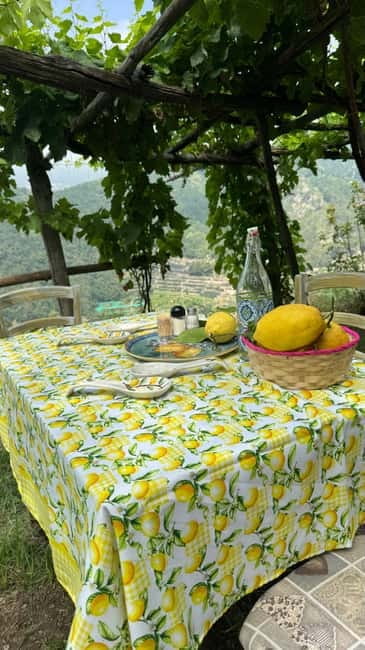
Amalfi’s famous for views, but this experience swaps the coastline postcard for something more hands-on: a climb into the lemon terraces where the fruit is ripening in the sun. The farm is worked the way Amalfi lemons have been worked for a long time—on hillside plots carved into workable steps. That “vertical” look isn’t just scenic. It explains why the lemons matter and why farming here takes patience.
What makes this tour feel worthwhile is the mix of working landscape + food + context. You’re not only tasting limoncello like a souvenir. You’re also seeing the orchard style that supports the fruit, then learning how the farming tradition connects to modern production.
Practical note: the time is short—about 1.5 hours—but it’s not a slow wander. You’ll cover walking sections with steep stairs, so you’ll want shoes that grip.
You can also read our reviews of more tours and experiences in Amalfi.

Where the Tour Starts: Via delle Cartiere 59
Meet at the Amalfi Lemon Experience shop on Via delle Cartiere, 59. This matters more than it sounds because Amalfi has a habit of confusing navigation. If you use Google Maps, use walking directions rather than driving directions, since the driving route can point you somewhere else.
Also remember the easy logistics truth: Amalfi is not a car-friendly town. The tour rules are clear that no car or scooter is allowed inside the city center, and parking is very limited. Plan to arrive on foot or by ferry and treat walking as part of the day.
The Walking Portion: Terraced Hills and Sfusato Amalfitano
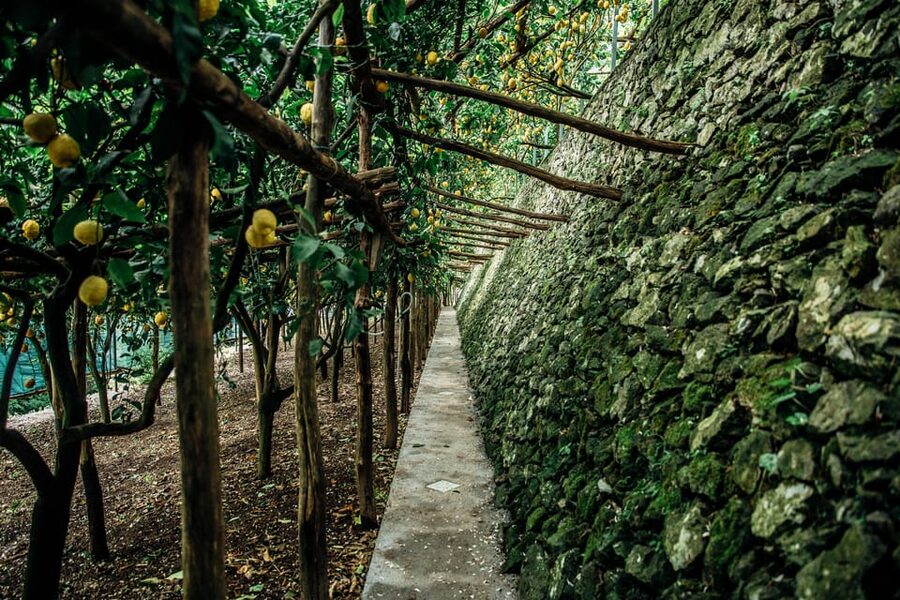
Once you’re checked in with the shop staff, the guide brings you into the hills above Amalfi. This is where you’ll see the terraces—tight rows of trees grown on slopes, with the trees shaping the walkway as you move along.
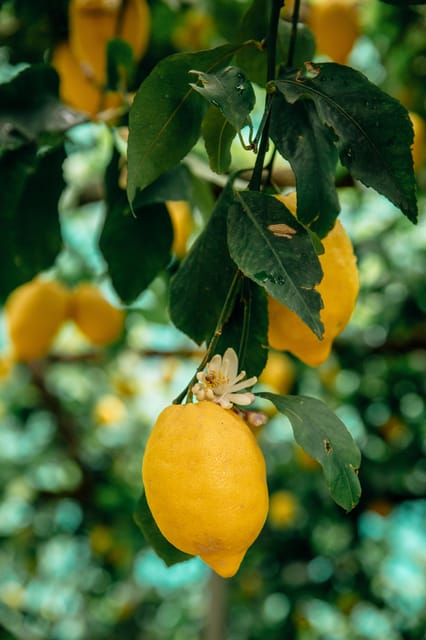
You’ll focus on Sfusato Amalfitano lemons, the type prized for limoncello production. Expect the guide to explain how these lemons grow and why this growing style works on the Amalfi Coast. In the tour experience you’ll also hear about how the product first arrived in Amalfi and why it earned European Protected Geographical Indication recognition.
What I like about this part for your trip: it gives you a clearer mental picture of what you’re tasting later. When you sip lemonade or slice cake made with lemon, it’s not just flavor. It’s the result of orchard choices—sun exposure, slope management, and long-term farming work.
Meeting the Family Story: Six Generations of Farming
This tour is family-owned and run, with the farming history tied to six generations. That family angle is one of the strongest reasons to book, because it turns the lemon from a generic product into a living, ongoing business.
Guides like Georgia and Elvira are described as welcoming and informative, with room for questions and picture stops. You’re not rushed through the story. You’ll get time to ask about day-to-day realities—how workers care for the trees, and what makes lemon farming difficult in the modern market.
Why this matters: a lot of food tours sell romance. This one spends more time on the tradeoffs. You walk away understanding what’s protected, what’s changing, and why small farms still fight to keep quality consistent.
The On-Site Limoncello Laboratory: Where Lemon Goes to Work
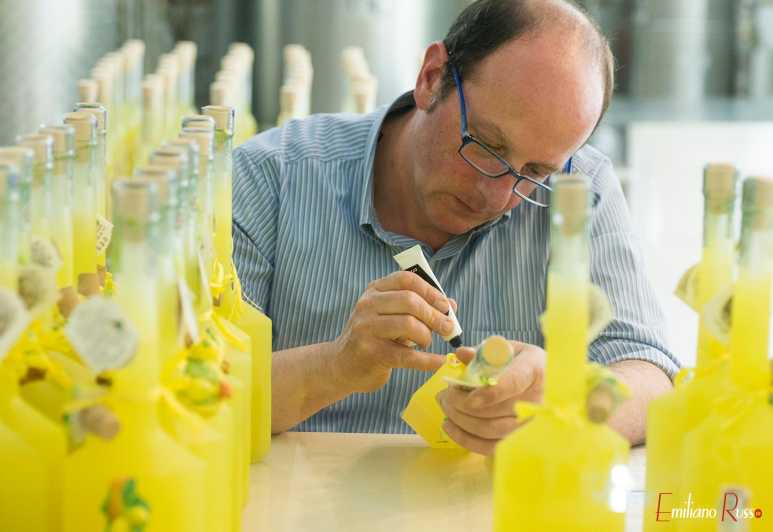
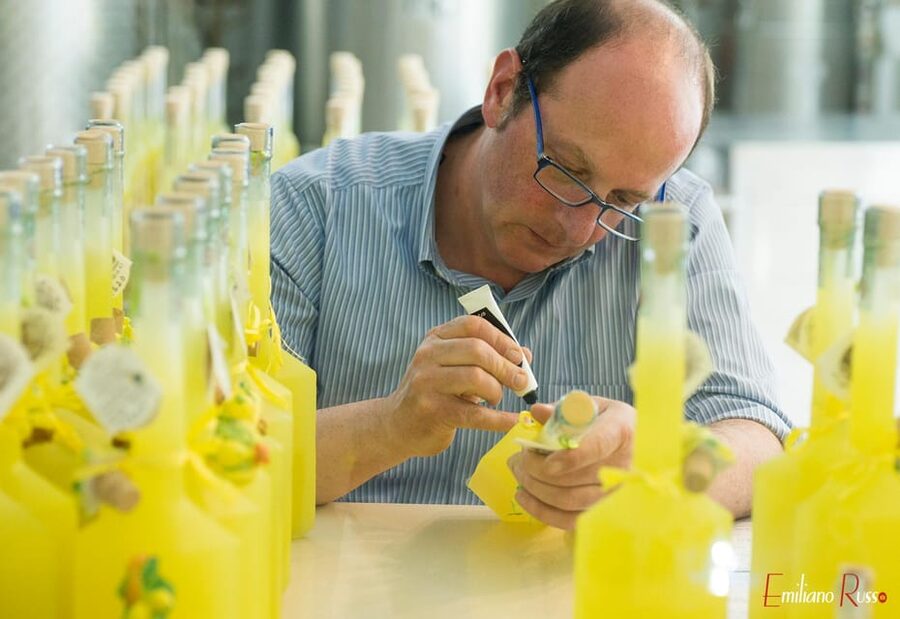
After the orchard walk, the tour shifts into production mode. You visit the on-site laboratory where you can learn the secrets behind making limoncello. You’ll also get a sense of the broader lemon product lineup, including items like lemon jam and honey.
This stop is valuable even if you don’t drink alcohol. It explains how farm products become shelf-life products without losing the lemon identity. You’ll see the connection between hillside lemons and the finished flavors that show up later in tastings.
In plain terms, you get to watch the “from tree to table” process—without needing a chemistry degree.
Tastings That Actually Taste Like the Farm
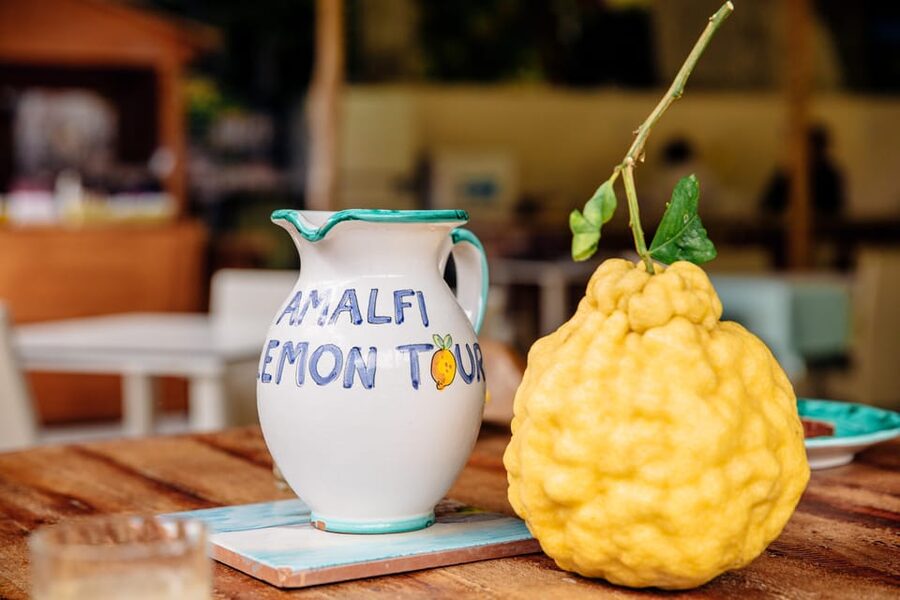
The best moments here are the simple ones: tasting fruit and food made from it. Included tastings typically cover lemons, lemon cake, lemonade, and limoncello. In some tour experiences you might also encounter other lemon-based items as part of the tasting spread.
The flavors tend to be intense, because they’re tied to fresh fruit and farm-made preparations rather than basic bottled mixes. That’s why people rate this as one of the most memorable tastings they did on the Amalfi Coast.
Two smart ways to enjoy the tasting portion:
- Pace yourself. The walk gives you appetite, but limoncello is strong.
- If you find a favorite item, ask what it’s made from. Guides usually explain the farming angle behind the flavor.
Rural Museum and Arts-and-Crafts Tools: Learn How the Work Used to Be Done
Between farming and tasting, you’ll also visit a Museum of rural culture focused on rural arts and crafts. This part adds useful depth. You see tools of the trade, equipment, and documents relating to lemon production history.
The museum works well as a “breather” from the hills. It also helps you understand that lemons weren’t just a way to make money. They were woven into local labor and local identity. You get context for how the hillside terraces and production steps evolved over time.
If you like history, this is the kind that feels tangible—made from objects you can point at, not dates floating in the air.
Shopping Without the Souvenir Trap: Buying Lemon Products and Shipping Options
At the end, you’ll have a chance to buy farm products. Options can include items made from lemons like jam, honey, and related treats. Some experiences also mention fresh lemons and products that can be shipped for you, which is helpful if you’re trying to take the taste home without dealing with fragile packing on the way back.
Tip: treat purchases as part of your tasting. If the lemonade was your favorite, look for the related product. If limoncello is the one, ask what’s available there on-site.
Who This Tour Suits Best (And Who Should Skip It)
This works best if you want an authentic farm experience on the Amalfi Coast, not just a scenic walk. It’s a good fit for couples, food lovers, and anyone curious about how a famous product actually gets made.
It’s less suitable if you:
- need a wheelchair-friendly route (the tour is not for wheelchair users)
- have mobility constraints or rely on mobility scooters
- are sensitive to steep stairs and uneven hillside paths
- have heart problems or respiratory issues
- are planning travel with children under 2 years
- are 80+ and prefer low-risk walking
One more practical note from the property rules: pets aren’t allowed, and dogs roam freely on-site. If you’re bringing a pet, this tour won’t be a match.
What to Bring for Comfort (So You Don’t Get Turned Away)
Bring comfortable shoes with good grip. Hiking shoes are recommended. The tour notes that if you wear unsuitable shoes—like slippery heels or high-heels—you may not be allowed to participate for safety reasons.
Also pack:
- sunglasses
- weather-appropriate clothing
- a light layer if it’s cooler morning shade
- a bit of patience for stairs
This is not the day for fashion footwear. It’s the day for traction.
Price and Value: Why $41 Can Feel Like a Steal
At about $41 per person for roughly 1.5 hours, this tour is strong value if you care about food quality and real context. You get:
- a guided walk through a distinctive vertical lemon grove
- farm tastings (lemon cake, lemonade, and limoncello)
- a laboratory/limoncello explanation stop
- a rural museum visit with tools and production history
If you’re comparing it to typical Amalfi “one-stop” tours that mostly deliver views, this is different. You’re paying for hands-on access: you walk the terrain the lemons come from, then taste the farm’s output in a structured way.
You’re also supporting a working family operation. And yes, you may leave wanting to buy something, but the purchasing comes after you’ve tasted and learned what it is.
Should You Book This Amalfi Lemon Farm Tour?
If you like lemons, limoncello, and stories that connect food to the land, I’d book it. The tour’s strongest draws are the vertical terraced grove, the six-generation family perspective, and the tasting lineup that actually reflects the farm.
Skip it if you’re not comfortable with steep stairs or you need wheelchair access. Also skip if you’d be unhappy walking a short but hilly route for 1.5 hours.
For most people on the Amalfi Coast, this is a smart use of time: it’s compact, different from the usual streets-and-sea views, and it gives you something tangible to remember—flavor and understanding, not just photos.
FAQ
How long is the Amalfi vertical lemon farm tour?
It lasts about 1.5 hours, including the guided walk and visits.
What’s included in the price?
The tour includes a visit to the vertical lemon grove, tastings (lemons, lemon cake, lemonade, and limoncello), the rural culture museum visit, and the limoncello factory/laboratory visit.
Where do I meet the guide?
Check in at the Amalfi Lemon Experience shop at Via delle Cartiere, 59.
Is the tour guided in English?
Yes. The tour includes a live guide in English.
How hard is the walking?
Expect steep stairs and incline. Comfortable, grippy shoes are strongly recommended, and unsuitable shoes can prevent you from joining.
Can I bring luggage or a large bag?
No. Luggage or large bags are not allowed.
Are pets allowed?
No. Pets are not allowed, and dogs roam freely on the property.
Is this tour wheelchair accessible?
No. It is not suitable for wheelchair users.
How do I get there if Amalfi parking is limited?
You’re advised to avoid arriving by car, especially in high season. Parking is very limited, and no car or scooter is allowed inside the city center. Walking directions to the shop are recommended in navigation apps.