REVIEW · ASO
Aso Caldera and Farm Experience Tour
Book on Viator →Operated by Satoyama Journey · Bookable on Viator
Aso is the kind of place that makes you pause. This tour strings together Daikanbo’s huge caldera viewpoints and a hands-on farm-to-table lunch with rural Japanese hosts. I like that you get both the drama of an active volcano and the calm of everyday countryside life, all in one morning.
My favorite part is how practical the farm segment feels: you’re not just watching, you’re helping with seasonal harvesting and getting a real meal out of it. The one drawback to plan around is weather, because this experience needs decent conditions for the outdoor view time and the farm activities.
In This Review
- Quick hits: Aso caldera views plus a working farm day
- Daikanbo Lookout: where the caldera finally makes sense
- What to watch for at the overlook
- Tateiwa Suigen Park and the countryside shift
- Why this countryside part matters
- Harvesting seasonal vegetables with local hosts
- How to get the most from the harvesting time
- Cooking and lunch: simple, local, and shared
- What lunch feels like on this kind of tour
- Private tour flow: what the timing really means
- Pickup and mobile ticket convenience
- Price and value: is $156.09 per person fair?
- Weather rules: the one thing that can change your day
- What to wear and bring for a working farm day
- Fitness note (keep it honest)
- Who this tour suits best (and who should rethink)
- Should you book the Aso caldera and farm experience?
- FAQ
- What time does the tour start?
- Where does the tour begin and end?
- Is pickup available?
- How long is the tour?
- What language is the guide?
- What do you do during the farm-to-table part?
- Are admissions included?
- Do I need good weather to go?
- Is this tour private?
- What’s the typical cancellation window?
Quick hits: Aso caldera views plus a working farm day
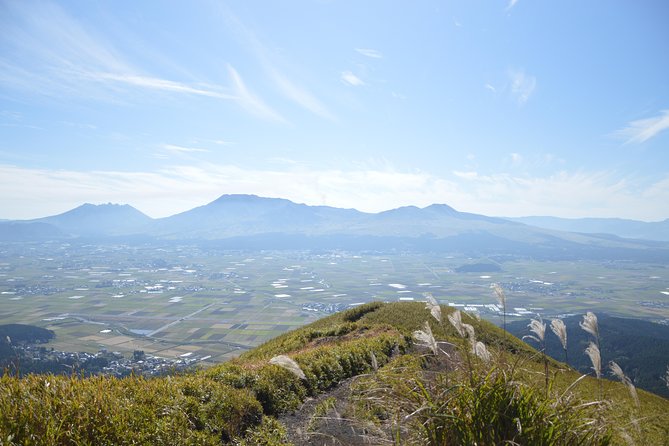
- Daikanbo Overlook views: grasslands on one side, the caldera wall on the other, and those famous five-peak views of Mt. Aso
- Farm-to-table, not a show: harvest seasonal vegetables, help with local cooking, then eat together
- Local hosts you’ll actually talk with: guides work with neighborhood families such as Nuroko and Hiroko san in the farming portion
- Private setup: only your group, with an English-speaking guide and a focused route
- Convenient pickup options: free transportation offered to the same spots as pickup, plus a mobile ticket
Daikanbo Lookout: where the caldera finally makes sense
Your morning starts at Daikanbo Lookout, a classic Aso stop for a reason. The view is built for big-picture thinking: you stand close to the caldera edge, with wide grasslands nearby and the volcanic bowl opening out in front of you. It helps you understand why locals and visitors treat Mt. Aso as more than scenery—it shapes where people live and how they farm.
A key detail I like is that the stop includes time to walk around. You’re not rushed through one photo and out. You get a chance to take in the caldera wall, then look toward the famous five peaks of Mt. Aso, which makes the whole area feel oddly personal instead of just grand from afar. If you’re the type who likes getting your bearings fast, this is a strong first move.
What to watch for at the overlook
Daikanbo is about views and orientation. Wear shoes that handle uneven ground, and bring something for wind. Even on a comfortable day, lookout spots can feel cooler than the village below, and you’ll likely spend a while standing, walking slowly, and photographing.
Tateiwa Suigen Park and the countryside shift
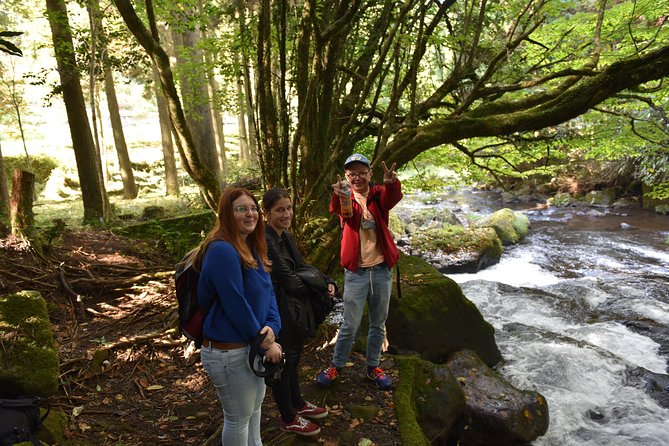
After the viewpoint, the tour pivots from volcano drama to quiet rural Japan. You head toward a nearby farming community where people live and work around the caldera rather than around a museum-like idea of Japan.
At Tateiwa Suigen Park (or a similar farm area), the focus moves to real daily rhythms: walking through the countryside, meeting hosts, and getting your hands involved. This is where the tour earns its farm-to-table label. You’re not simply transported to a set location—you’re guided through what life looks like when the weather, soil, and seasons drive the schedule.
Why this countryside part matters
A lot of tours show you culture as a performance. This one leans the other direction. You’ll learn through doing: harvesting vegetables, preparing local cuisine, and sharing lunch made from locally sourced ingredients. The result is a meal that tastes like it belongs to the place you’ve been standing over earlier that morning.
Harvesting seasonal vegetables with local hosts
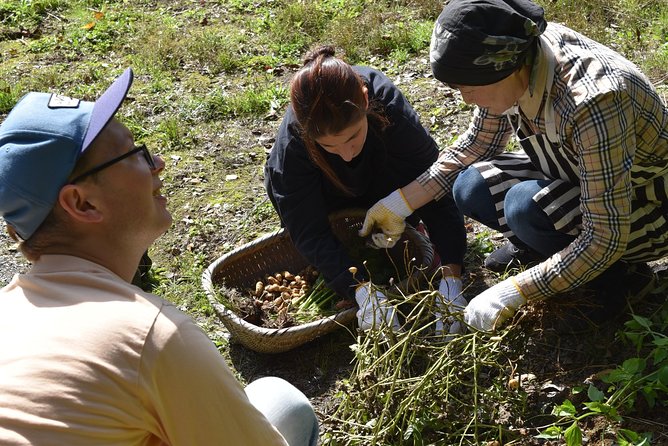
Here’s the part that usually sticks in people’s memories: the harvest. You’ll work together with locals to gather seasonal vegetables, and it’s that hands-on pace that makes the experience feel grounded.
One hint from real participant experiences is that harvesting can include items like yam, which makes the farm work feel specific to Aso’s growing conditions. That matters because you don’t get the sense you’re doing a generic “tour activity.” Instead, you’re learning what the farm is producing right now.
How to get the most from the harvesting time
Come ready to be useful, not just observant. Even if your hands-on skills are rusty, the hosts can usually guide you through the basics. If you’re comfortable asking simple questions, this is also a great moment for language-light interaction—gestures, smiles, and pointing go a long way here.
Also, keep your pace easy. You’ll likely do some bending and walking on farm paths, and the physical effort is part of what makes the meal afterward feel earned.
Cooking and lunch: simple, local, and shared
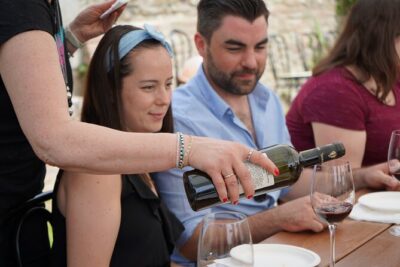
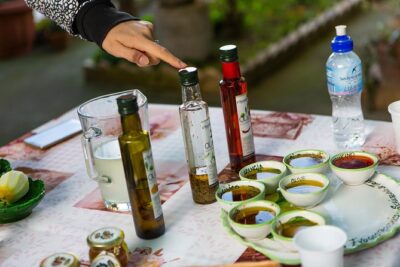
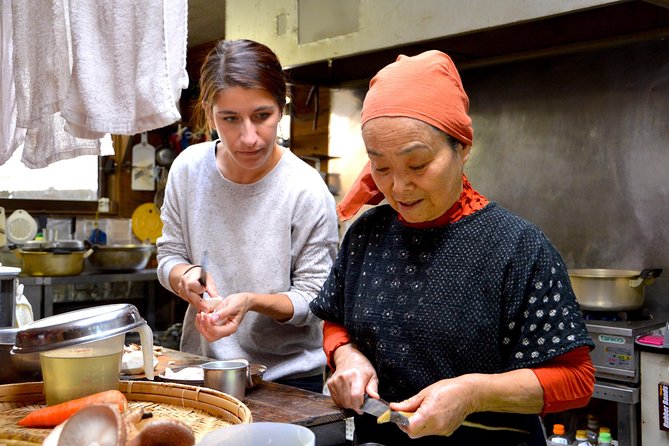
The cooking portion is where “farm-to-table” turns from a phrase into something you can taste. After harvesting, you’ll prepare local cuisine with the help of the hosts, then sit down for lunch together using locally sourced ingredients.
I like that the food is described as simple yet amazing. That’s often a sign it’s genuinely local cooking rather than something designed to impress with techniques you can’t relate to. In at least one instance, hosts such as Nuroko and Hiroko san helped guide the process and made the meal memorable through straightforward, satisfying flavors.
What lunch feels like on this kind of tour
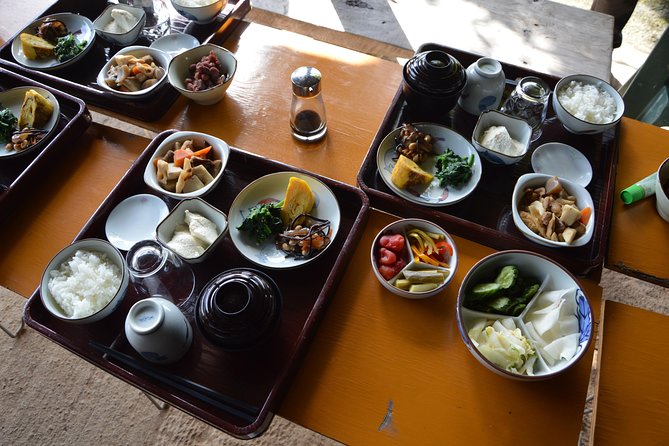
Expect a shared meal atmosphere more than a plated restaurant experience. You’re eating with people you’ve just worked alongside. That changes the whole tone of lunch: it becomes part conversation, part cultural exchange, and part “thank you for the work” rhythm.
If you’re picky about food, you’ll want to take care with questions during the cooking time. The tour data doesn’t list specific dietary accommodations, so it’s smart to share any needs in advance with the operator when you confirm.
Private tour flow: what the timing really means
This is set up as a private tour, meaning only your group participates. For a half-day option, that usually translates to a smoother route and less waiting around. Your guide handles the explanation in English and keeps you moving between the caldera viewpoint and the farming area.
The start time is 9:00 am, and the day is designed around two main blocks: about an hour at Daikanbo Lookout and roughly three hours at the farm experience location. In plain terms, you’ll have time to see the big caldera view properly, and you won’t feel like the farm part is cut short.
Pickup and mobile ticket convenience
Pickup is offered, and free transportation is available to the same spots where pickup is offered. You’ll also use a mobile ticket, which makes the day feel less paperwork-heavy. If you’re trying to build a low-stress Aso itinerary, these small logistics help.
One more detail I appreciate: admissions at the viewpoint are free for this stop. That keeps the cost tied more to the guide and hands-on farm time, instead of turning the day into a pile of fees.
Price and value: is $156.09 per person fair?
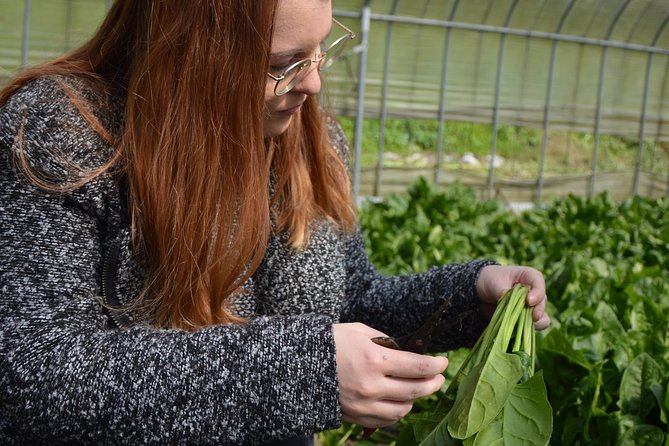
At $156.09 per person, the price isn’t the cheapest option in the area, but it’s not trying to be. This cost is tied to two things: guided access to Aso’s top viewpoint and a real group-hosted farm experience that includes harvesting, cooking help, and shared lunch.
Where the value comes in is the combination. You’re not paying separately for a viewpoint tour and then a separate cultural activity. You’re getting an English-speaking guide, a private setup for your group, and hands-on farm time in one package. For many visitors, that’s the sweet spot: less hassle, fewer transfers, and more time doing the meaningful parts.
It also tends to be booked fairly ahead of time, with an average booking window of about 65 days. That’s usually a sign popular time slots fill up, so if your dates are firm, it’s smart to lock it in early.
Weather rules: the one thing that can change your day
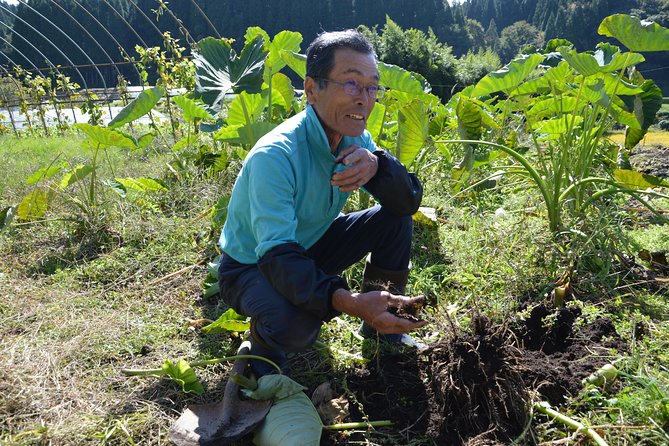
This experience requires good weather. That makes sense because you’re spending time outdoors at Daikanbo and doing hands-on work at the farm. If weather doesn’t cooperate, the operator offers either a different date or a full refund.
This is also why it’s smart to travel with flexibility. If you’re coming during a season when rain or fog is common, consider building a “Plan B” mindset into your Aso schedule.
What to wear and bring for a working farm day
You should treat the farm part like an outdoor activity, not a picnic. Bring shoes that can handle farm paths and possible damp ground. Layers help, since lookout areas can shift in temperature quickly.
If you’re sensitive to sun or wind, bring something for that too. And since you’ll likely be handling vegetables and joining cooking prep, avoid your absolute favorite outfit unless you’re comfortable with a bit of dirt and smell from the countryside.
Fitness note (keep it honest)
The tour lists a moderate physical fitness level requirement. That’s a fair way to say you don’t need to be an athlete, but you should be prepared for walking and bending during harvesting and moving between locations.
Who this tour suits best (and who should rethink)
This tour is a great match if you want more than photos. If you like understanding how people actually live around a place—especially around an active volcano—this format works well. The farm-to-table portion is particularly ideal if you enjoy learning by doing rather than just listening.
It can also suit families and mixed groups as long as everyone is comfortable with moderate walking and farm work participation. The service animals rule is included, which is helpful for certain travelers.
If you hate hands-on activities, feel strongly uncomfortable around farm animals (not mentioned in the data, so you’re not guaranteed to see any), or need fully sedentary experiences, you might find the harvesting and cooking time harder than you want.
Should you book the Aso caldera and farm experience?
I’d book this tour if your ideal day in Aso includes two goals: a serious volcano view and a meaningful countryside interaction where you help with the farm work and share lunch. The private format, English-speaking guide, and the way the meal is made from local ingredients add real value for the price.
I’d think twice if your schedule is too tight for a weather change or if you’d rather do a purely viewing-focused itinerary. But if you can handle the outdoors and enjoy getting your hands involved, this half-day combo is one of the most satisfying ways to experience Aso beyond the main viewpoints.
FAQ
What time does the tour start?
It starts at 9:00 am.
Where does the tour begin and end?
It begins at Daikanbo Lookout in Yamada, Aso, Kumamoto, and ends at the farming experience location (Tateiwa suigen / Gonbei mura / other), near Tateiwasuigen Park in Minamioguni, Aso District, Kumamoto.
Is pickup available?
Yes, pickup is offered. Free transportation is also offered to the same spots where pickup is available.
How long is the tour?
It runs for about 4 hours total, with roughly 1 hour at the Daikanbo viewpoint and about 3 hours for the farm experience.
What language is the guide?
An English-speaking guide is included.
What do you do during the farm-to-table part?
You’ll explore the rural area with locals, harvest seasonal vegetables, help prepare local cuisine, and enjoy a lunch made from locally sourced ingredients.
Are admissions included?
For the Daikanbo viewpoint stop, admission ticket is free.
Do I need good weather to go?
Yes. The experience requires good weather. If it’s canceled due to poor weather, you’ll be offered a different date or a full refund.
Is this tour private?
Yes. It’s private, and only your group participates.
What’s the typical cancellation window?
Free cancellation is available up to 24 hours before the experience’s start time for a full refund.
If you want, tell me your travel dates (and whether you’re staying in central Kumamoto or closer to Aso), and I can help you think through whether this morning schedule fits best with the rest of your Aso plan.