REVIEW · ALAJUELA
Chocolate and Coffee Tour Farm Don Jorge
Book on Viator →Operated by Martin · Bookable on Viator
Cacao and coffee work best in person. The Chocolate and Coffee Tour Farm Don Jorge turns Alajuela’s volcanic-country vibe into a small, family-run experience where you taste and make your own treats, then head toward a waterfall on the property.
I love the up-close process—you learn how cacao, coffee, and even sugarcane get from plant to cup, and you don’t just watch. I also like the real hands-on food moments, from hot chocolate to chocolate bars and coffee you help prepare (and sometimes take home).
One possible drawback: it depends on good weather. If conditions are rough, the outdoor parts (like the waterfall walk/swim option) can be limited, and the tour may feel more tasting-focused.
In This Review
- Key things I’d put on your must-do list
- Alajuela’s volcanic backdrop makes cacao and coffee feel more real
- Arriving at the Burrito meeting point and settling into a private tour
- Chocolate from cacao to bars: what you’ll do (and why it’s worth it)
- Coffee and hot chocolate: the practical tasting you’ll actually remember
- Sugarcane juice, moonshine, and the fun detour you’ll be glad you took
- The waterfall walk on the property: bring water shoes, and don’t overpack pride
- Guide energy matters: Fabricio, Alexis, and Gabriel make the process stick
- Price check: does $50 feel fair for 2 hours?
- Who should book this Don Jorge tour, and who might want to think twice
- Quick tips so your 2 hours feel effortless
- Should you book Don Jorge?
- FAQ
- How long is the Chocolate and Coffee Tour Farm Don Jorge?
- How much does the tour cost?
- Is this tour private or shared?
- Where does the tour start?
- When will I get confirmation after booking?
- What’s the cancellation policy?
- Does the tour run in any weather?
- Are service animals allowed?
- Is it near public transportation?
- Is it suitable for families and kids?
Key things I’d put on your must-do list
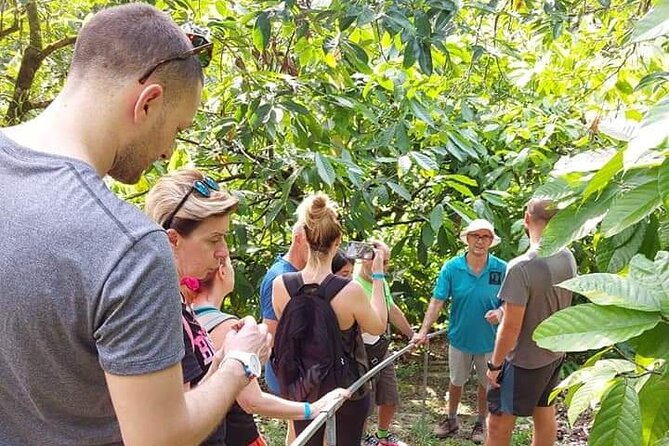
- Private, small-family operation: you’re with just your group, not a big bus crowd.
- Make chocolate and coffee yourself: cacao-to-bar work plus hands-on coffee (not just samples).
- Sugarcane tastings with local flair: fresh sugarcane juice, and an optional sip of rum/moonshine or similar add-ins.
- Waterfall hike right on the farm: a short trek with the chance to swim when conditions allow.
- Guides who keep it understandable: guides like Fabricio/Fabrizio, Alexis, and Gabriel (English support shows up in many tours) make the process fun, not lecture-y.
Alajuela’s volcanic backdrop makes cacao and coffee feel more real
Alajuela isn’t just a dot on a map. It’s a northern Costa Rica province tied to volcanic country, tropical rainforest, and lowland swamps, which helps explain why so many crops thrive here. One of the big stories of the region is the Poás Volcano area and its crater lake, Laguna Caliente, known for being extremely acidic.
On a farm tour like Don Jorge, that context matters. When you’re standing near cacao and coffee plants, the volcanic setting stops being trivia and starts making sense. You’ll understand why cacao and coffee aren’t random “coffee-and-chocolate” commodities. They’re living crops that depend on the land, water, shade, and careful growing.
Arriving at the Burrito meeting point and settling into a private tour
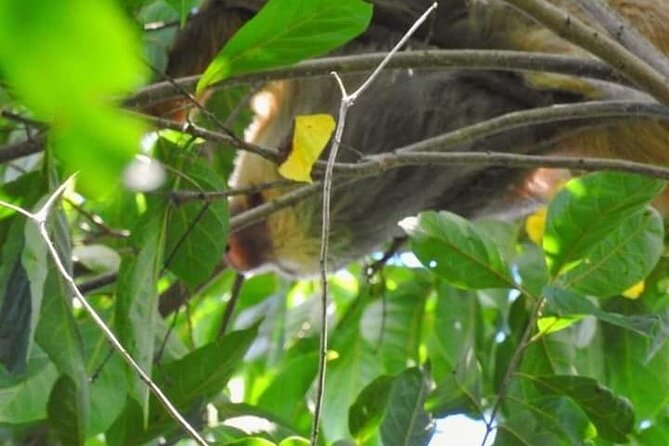
Your start point is in Burrito, Alajuela (at C9HP+39 Burrito). The activity ends back at the meeting point, which keeps the day simple.
This is a private tour, meaning only your group participates. That’s a big deal for a tasting-and-making experience. You’re not fighting for elbow space at a chocolate station, and you can ask follow-up questions without waiting your turn.
Logistics are also pretty easy. The tour notes it’s near public transportation, and service animals are allowed. Most travelers can participate, and the reviews point out it works for families, including kids who stay engaged instead of getting bored.
Chocolate from cacao to bars: what you’ll do (and why it’s worth it)
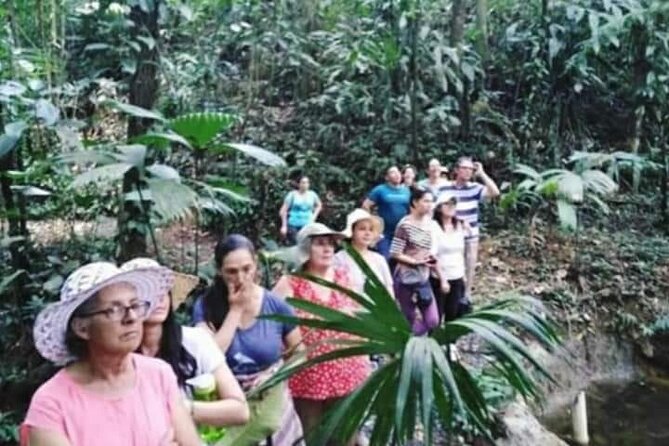
This tour is built around cacao. You don’t just get a sweet at the end. You learn the path from cacao fruit (pods) to chocolate, and you get to participate in the making.
Here’s what the experience tends to include:
- walking the farm area and seeing the plants up close
- learning how cacao is processed for chocolate
- tasting chocolate products along the way
- making chocolate bars (and sometimes taking some home)
That “making” piece is the heart of the value. Many chocolate tours stop at sampling. Don Jorge pushes past that. When you form a bar or help prepare hot cocoa and chocolate, you start noticing details—textures, tastes, and why certain steps matter. Even if you’ve had chocolate your whole life, you’ll still pick up new mental hooks.
What I like about this approach: it gives your taste buds a story. By the time you’re eating, you’re not just thinking sweet. You’re thinking cacao origin, process, and why “good chocolate” isn’t magic—it’s work.
Coffee and hot chocolate: the practical tasting you’ll actually remember
Coffee is the other star. You’ll get a clear look at how coffee is grown and processed, plus you’ll taste coffee and hot chocolate made from what’s produced on the property.
A lot of the satisfaction here comes from variety. You’re not drinking one coffee and calling it a day. You may get:
- freshly made coffee
- traditional hot chocolate
- explanations tied to each step of the process
One detail worth paying attention to: the farm focuses on organic and quality over quantity, and some tours describe chemical-free growing/processing. That lines up with what you’re aiming for as a traveler: less industrial production, more careful farming.
If you’re a coffee person, I think you’ll leave with better “why it tastes that way” instincts. If you’re not, you’ll still walk away with a deeper appreciation for how beans turn into a cup you recognize.
Sugarcane juice, moonshine, and the fun detour you’ll be glad you took
If chocolate and coffee are the main meal, sugarcane is the side dish that steals the show.
On Don Jorge tours, you can expect to try fresh sugarcane juice, and you may also get a sip of a local spirit—described in reviews as moonshine/rum-like—added to sugarcane if you want it. Some tours also mention making something like cocktails, which makes this feel more hands-on and less ceremonial.
This part is great for two reasons:
- It’s rooted in farm life, not just a “we sell souvenirs” add-on.
- It helps break the tour into small, memorable moments instead of one long lesson.
Also, sugarcane juice is a useful reality check. It tastes like the plant, not like a candy version of it. That contrast makes cacao and coffee lessons easier to understand, because you start thinking in “fresh plant to finished product” terms.
The waterfall walk on the property: bring water shoes, and don’t overpack pride
A big recurring highlight is the walk down to a waterfall on the property. The route is described as an adventurous hike, and swimming is sometimes allowed when conditions are good. Reviews even mention cases where rain or a washout affected the path, but the waterfall area still impressed people.
If you want the full experience, pack like you’re doing a short jungle errand, not a city stroll:
- bathing suit (if you want the swim option)
- water shoes (the reviews strongly suggest this)
Also, build a little flexibility into your expectations. Costa Rica weather can change quickly, and sometimes the best move is to accept a partial version—more tasting at the farm, less swimming at the pool. Either way, the hike itself is usually part of what people remember.
Guide energy matters: Fabricio, Alexis, and Gabriel make the process stick
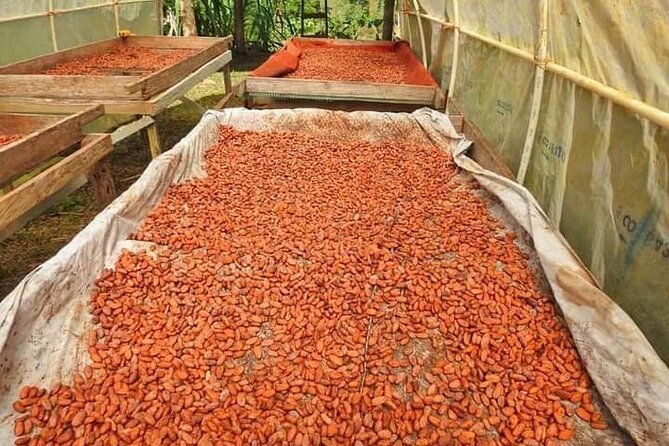
This tour is made or broken by the guide. The good news: the names that come up repeatedly—Fabricio/Fabrizio, Alexis, and Gabriel—show a pattern of strong communication and active group interaction.
Here’s what you’ll likely feel during the tour:
- explanations that match what you’re doing in real time
- humor and conversation that keep kids and adults interested
- frequent Q&A where your questions don’t get brushed off
One recurring theme: guides make the cacao, coffee, and rum/sugarcane processes understandable without turning it into a textbook. That’s important. The goal isn’t to impress you with complicated words. The goal is to give you a clear mental chain from farm to final flavor.
Price check: does $50 feel fair for 2 hours?
At $50 per person for about 2 hours, the price lands in the “reasonable” zone if you care about hands-on food experiences.
Here’s why it’s good value:
- you’re not just tasting—you’re participating in making chocolate and coffee
- you get multiple tastings (hot chocolate, coffee, sugarcane juice, and often more)
- the farm is small and family-run, which usually means more time per person
- the waterfall walk can add real nature value beyond a standard tasting room
The tour also gets booked fairly often (on average about 19 days in advance). That suggests people feel it’s worth planning around, not a last-minute gamble.
Also, some tours mention you can bring home chocolate you made. That turns part of your payment into something you can share later. If you love food tourism, that matters.
Who should book this Don Jorge tour, and who might want to think twice
This tour fits best if you like:
- learning by doing (hands-on chocolate work hits hard)
- coffee and cacao culture beyond the usual store-bought story
- nature time that’s practical—short enough for a half-day vibe
It’s also a solid family option. Reviews describe the team as engaging with kids and supporting grandparents, parents, and children together. Even if your group includes non-foodies, the waterfall and wildlife sightings (including toucans and birds mentioned in multiple accounts) can keep interest up.
Who might hesitate:
- If you hate any outdoor walking at all, you may want to skip the waterfall portion when weather looks sketchy.
- If you want a big, clockwork “see 10 sites” itinerary, this is a farm experience, not a multi-stop sightseeing day. You’ll trade variety for depth and interaction.
Quick tips so your 2 hours feel effortless
This tour is short, so tiny choices matter.
- Wear shoes you can get slightly muddy. You’ll be walking farm paths and likely a trail to the waterfall.
- Bring a swimsuit and water shoes if you want the swim option.
- Plan around weather. The experience notes it requires good weather, and outdoor parts can shift.
- Ask questions while you’re working. If you’re making chocolate, ask why a step matters then, not later when you’re back at the meeting point.
- Keep room for treats to go home. If you’re allowed to take chocolate you make (many tours mention this), don’t show up with a tiny bag.
Should you book Don Jorge?
Yes—if you want a short, real farm experience with hands-on chocolate and coffee plus a chance at waterfall time. The strongest selling points are the small, family-run feel, the participation (not just tasting), and the guide style that keeps the group engaged, from adults to kids.
Skip it only if you’re chasing big-ticket sightseeing or you refuse any outdoor walking. Otherwise, this is a smart use of time in Alajuela: you’ll leave with better taste memories and a clearer sense of how cacao and coffee become what you buy back home.
FAQ
How long is the Chocolate and Coffee Tour Farm Don Jorge?
It runs about 2 hours.
How much does the tour cost?
The price is $50.00 per person.
Is this tour private or shared?
It’s private. Only your group will participate.
Where does the tour start?
The tour starts at C9HP+39 Burrito, Alajuela Province, Burrito, Costa Rica, and it ends back at the meeting point.
When will I get confirmation after booking?
You’ll receive confirmation at the time of booking.
What’s the cancellation policy?
You can cancel for a full refund up to 24 hours in advance. If you cancel less than 24 hours before, you won’t get a refund.
Does the tour run in any weather?
It requires good weather. If it’s canceled due to poor weather, you’ll be offered a different date or a full refund.
Are service animals allowed?
Yes, service animals are allowed.
Is it near public transportation?
Yes, it’s listed as near public transportation.
Is it suitable for families and kids?
It’s described as good for most travelers, and the experience is repeatedly described as enjoyable for both adults and kids, with guides engaging children during the tour.