REVIEW · COZUMEL
Cozumel: Hands-On Chocolate, Tortilla, Salsa & Honey Experience
Book on Viator →Operated by Visit Cozumel Shuttles & Tours. · Bookable on Viator
A half day that tastes like a full day.
This private Cozumel experience at Tierra Maya turns ancient food traditions into hands-on workshops, from stone-tool cacao to honey tastings. I love that you control the pace, and I really like how the stops connect—salsa, tortillas, cacao, and sacred bees all feel part of the same story, not like a checklist.
One thing to consider: it’s focused on making and tasting, not a meal. Food isn’t included, so plan to eat afterward if you’re hungry.
In This Review
- The highlights that matter most
- Cozumel’s best kind of souvenir: something you make
- How the private “your pace” format works
- Sacred Bees and honey tasting: the step that makes you look twice
- Cacao and Mayan chocolate workshop with stone tools
- Salsa-making with Zik’il P’aak and traditional stone-tool technique
- Handmade tortillas: the fresh dough moment
- Seasonal local liqueurs: the tasting that can change by time of year
- What you actually get at the end: hands-on food, not a meal
- Price and value: $249 per group up to 4
- Who this tour suits (and who should skip it)
- Practical planning tips before you go
- Should you book the Cozumel chocolate, tortilla, salsa & honey experience?
- FAQ
- How long is the Cozumel chocolate, tortilla, salsa & honey experience?
- How much does it cost?
- Is it private?
- What language is the tour offered in?
- What’s included in the tour package?
- Is food included?
- Does the honey tasting include Melipona?
- Do the liqueurs taste the same year-round?
- What if the weather is bad?
The highlights that matter most
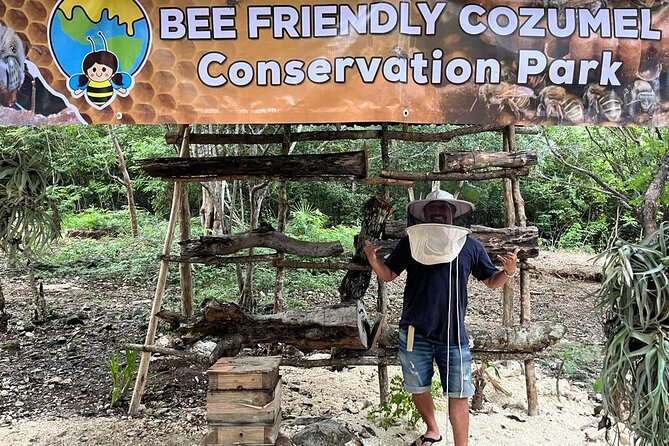
- Melipona honey and two bee species for a tasting that’s more than a sample cup
- Stone tools used in the cacao and salsa steps, so you’re doing the work, not just watching
- Fresh handmade tortillas pressed using a traditional tortilla press
- A private, customizable 4-hour format that can flex to your rhythm
- Seasonal local artisanal liqueurs that change with the time of year
- A strong guide experience—Charlie is called out for flexibility and local knowledge
Cozumel’s best kind of souvenir: something you make
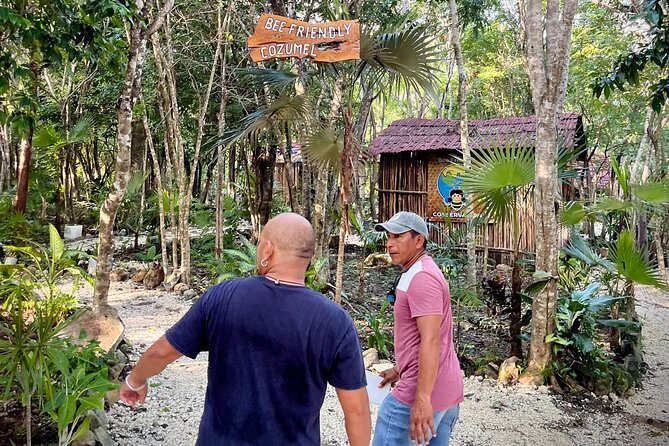
If you’re the type who likes travel memories you can’t buy at a pharmacy gift shop, this is an easy yes. In four hours, you’ll leave with new skills (and a stomach that’s been politely convinced to try several things). The real win is that it’s practical and hands-on. You don’t just hear about tradition—you touch the ingredients and use tools.
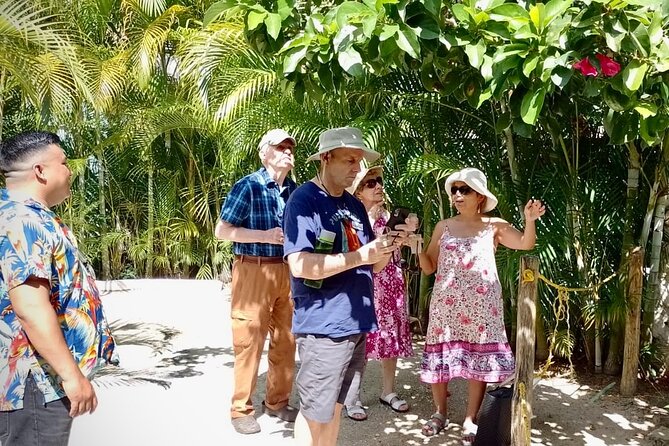
The setting helps too. Tierra Maya is a jungle venue, which makes the experience feel like a place with a job to do, not a showroom. And because it’s private, you won’t be stuck moving at the pace of a group that’s touring the way they drive: fast, distracted, and with lots of head-nods.
How the private “your pace” format works
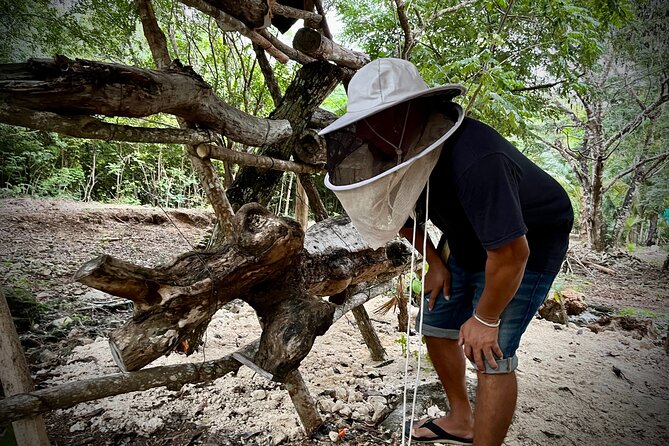
This is a private tour/activity for your group only, priced at $249 per group (up to 4), and it runs about 4 hours. That private setup matters here because the activities are skill-based. You’ll get more time for questions, and you can slow down if something catches your attention.
Transport is included, and you ride in an air-conditioned vehicle. You also get a friendly guide and admission to the Tierra Maya venue. You’ll use a mobile ticket, and confirmation comes at booking.
One more detail that you’ll feel during the tour: the experience is designed to be customizable. If your group wants extra time at one station—say, honey tasting or tortilla pressing—you’re not fighting the clock as much as you would on a standard group tour.
Sacred Bees and honey tasting: the step that makes you look twice
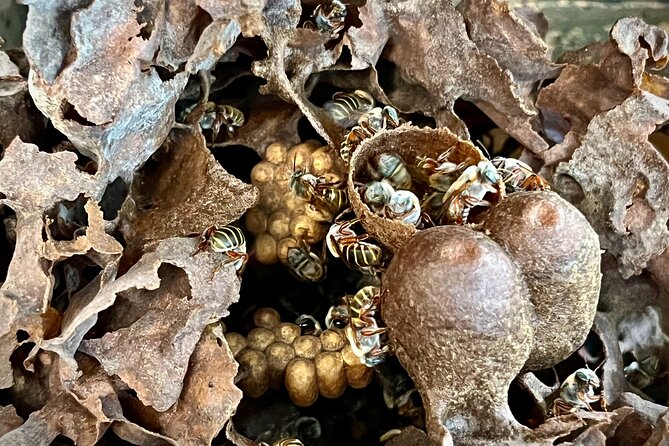
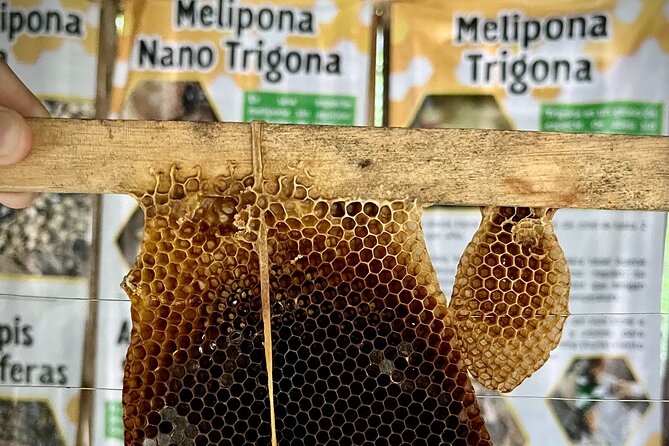
The experience starts at Tierra Maya with the sacred bees theme, and the honey tasting is one of the strongest parts. You’ll taste honey from two different bee species, including the Melipona (often called the sacred bee in this context). The tastings aren’t presented as a single flavor you have to tolerate; they’re set up so you can notice differences.
Here’s why that matters: honey is one of those foods people think they understand. Then you taste it side-by-side and realize it’s not a universal “sweet.” The guide can also connect honey to the role bees play in local traditions, and the setting makes the whole topic feel grounded.
If you care about nature-adjacent travel—learning how people work with local ingredients—this honey portion is a great anchor. It gives you something to carry into the cacao and kitchen steps, because you start thinking in terms of species, seasons, and how ingredients travel from source to your plate.
Cacao and Mayan chocolate workshop with stone tools
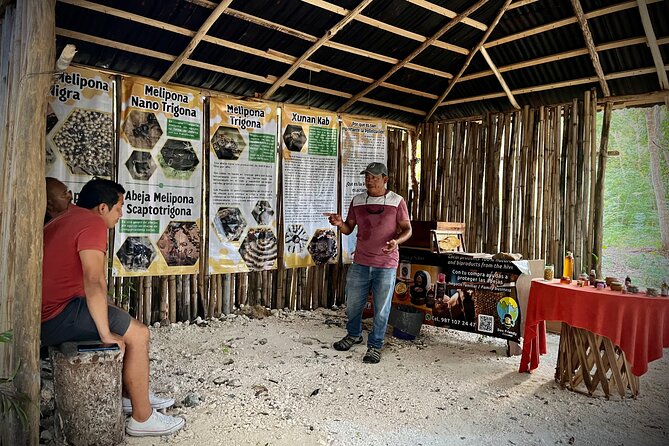
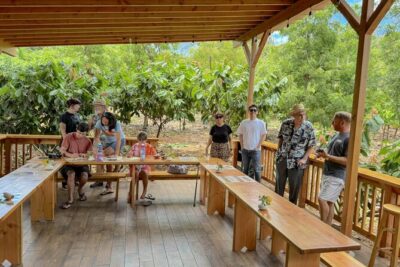
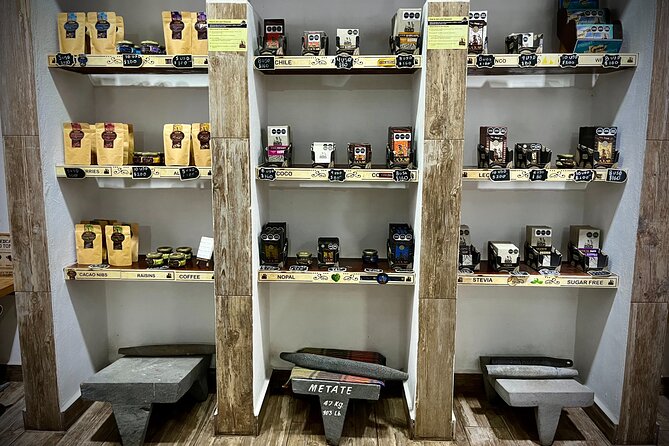
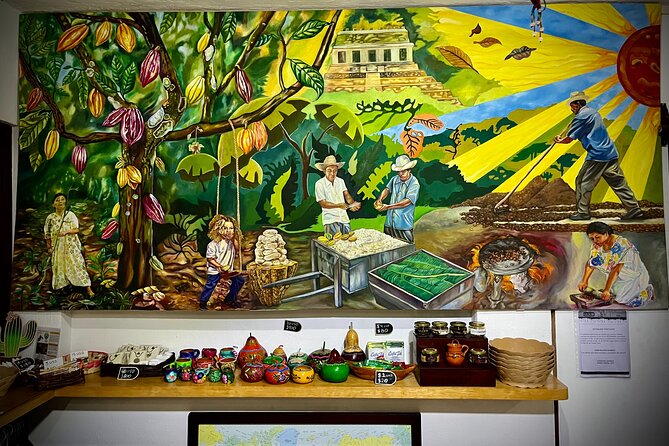
Next comes the hands-on cacao chocolate workshop. You’ll work with Mayan stone tools, which is the kind of detail you don’t see in most food experiences. Instead of a quick demo, this is a workshop approach where you’re actively participating.
Cozumel is famous for sun and sea, but cacao work is a different mood. It’s slower, more sensory, and more about technique than speed. The cacao portion pairs especially well with the honey step, because both revolve around natural products that depend on season and careful handling.
What you’ll likely notice during this part: the process isn’t just about taste. You’ll learn how the ingredients behave and why local methods matter. Even if you’re not a “food nerd,” you’ll leave understanding why traditional tools and preparation aren’t just for show.
Salsa-making with Zik’il P’aak and traditional stone-tool technique
Then you move to the salsa-making station. This is where you get to practice with stone tools again, and you’ll make a salsa connected to Zik’il P’aak and traditional salsas.
If you’re expecting chips-and-salsa, don’t. This is about the making. You’ll learn how the components work together, and you’ll be part of the process rather than passively sampling. That’s the difference between eating salsa and understanding salsa.
A practical advantage: when you make it yourself, you can come back later and reproduce the basic idea—even if you can’t copy every ingredient. You’ll also be better at ordering salsa in Cozumel, because you’ll know what to look for: flavor balance, texture, and how the preparation affects both.
Handmade tortillas: the fresh dough moment
The tortilla stop is one of those experiences where the result feels immediate. You’ll make handmade tortillas using fresh dough and a traditional tortilla press.
Tortillas are simple on paper, but they’re technical in real life. The hands-on part teaches you that the press and the dough consistency matter. And because you’re doing it, not watching, you’ll get a better sense of how “fresh” tastes and why tortillas are such a core part of daily food culture.
This station also pairs nicely with the salsa you make earlier. By the time you get to tortilla pressing, you’re primed to think about texture and flavor pairing. When you finally taste what you made, it feels like a full loop—not separate mini-lessons.
Seasonal local liqueurs: the tasting that can change by time of year
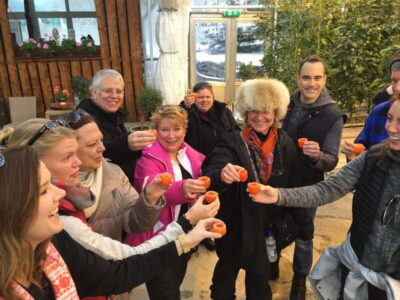
To round everything out, you’ll enjoy tastings of seasonal local artisanal liqueurs. The exact flavors vary depending on the time of year, so don’t expect a fixed menu.
This section works best if you like tasting rather than heavy drinking. It’s there to add a final layer to the local-ingredients story: regional fruits and ingredients translated into something you can sip and compare.
If you’re the type who tracks flavors, you’ll probably enjoy how the liqueurs relate to the earlier food steps. If you’re not, keep your focus on the workshop skills you’re building and treat the liqueurs as a bonus finish.
What you actually get at the end: hands-on food, not a meal
One key detail: food isn’t included as a standalone meal. The experience is built around workshops and tastings, so you’ll sample along the way, but you should still plan to eat after.
That’s not a deal-breaker. In fact, many people like it because you avoid overeating before a busy day. Just don’t schedule a second attraction right after without thinking about dinner.
Price and value: $249 per group up to 4
Let’s talk money in a way that helps you decide. You’re paying $249 per group (up to 4) for about 4 hours. That sounds like a lot until you break down what’s included: private transportation, air-conditioned vehicle, a friendly guide, admission to Tierra Maya, hands-on cacao, hands-on salsa with stone tools, handmade tortillas with a tortilla press, honey tasting including Melipona, plus seasonal artisanal liqueurs.
The value is strongest if your group is “into it.” If you love food workshops, enjoy learning with your hands, and want something more authentic than a stop-and-take-a-photo tour, this price starts to look fair fast.
It’s less of a bargain if you mostly want a light stroll and easy samples. This experience is active. You’ll participate at multiple stations, and the payoff is the skills and tastes you take home in your head.
Who this tour suits (and who should skip it)
This is a great fit for:
- People who like hands-on cooking and ingredient learning
- Groups of up to four who want a private experience
- Food lovers who also enjoy nature topics, especially bees and honey
- Anyone who prefers a structured half day with multiple connected tastings
It might not be ideal if you:
- Want a full meal or a beach-first day
- Don’t want to do the work of making things (pressing, mixing, tasting)
- Are traveling on a tight schedule where you must be guaranteed a specific food amount
Practical planning tips before you go
Because the experience runs in good weather, you should be ready for the idea of a change if conditions are rough. It requires good weather, and if it’s canceled due to poor weather, you’ll be offered another date or a full refund.
Pack like it’s a jungle workshop day. Plan for outdoor time at a venue like this and wear something comfortable for hands-on activities. Since food isn’t included beyond tastings, I recommend thinking about where you’ll grab dinner afterward and how far you’ll need to travel.
Also, don’t be shy with questions. The guide’s role here isn’t just to explain—it’s to help you understand what you’re doing and why. In one account, Charlie was praised as flexible with lots of local area and history knowledge, and that’s the kind of guide dynamic that makes this tour click.
Should you book the Cozumel chocolate, tortilla, salsa & honey experience?
I’d book it if you want a true food-and-ingredient experience in Cozumel that’s short, private, and active. The combination of stone-tool cacao, Zik’il P’aak salsa, fresh tortilla pressing, and Melipona honey tasting is unusual in one place, and it builds a coherent story about how local traditions become meals.
Skip it if you’re looking for a pure sightseeing day, a beach-and-drinks setup, or a guaranteed meal. Since food isn’t included as a full meal, it works best when you’re planning a dinner afterward.
If you like learning by doing, this tour gives you something better than photos: you leave knowing how to build flavors from scratch.
FAQ
How long is the Cozumel chocolate, tortilla, salsa & honey experience?
It runs about 4 hours.
How much does it cost?
It’s $249 per group for up to 4 people.
Is it private?
Yes. It’s a private tour/activity, and only your group participates.
What language is the tour offered in?
The tour is offered in English.
What’s included in the tour package?
Included are private transportation, an air-conditioned vehicle, a friendly guide, admission to Tierra Maya, and the hands-on workshops and tastings: cacao/chocolate, salsa-making with stone tools, handmade tortillas with a traditional press, honey tasting (including Melipona), and seasonal local artisanal liqueurs.
Is food included?
Food isn’t included, and the tour package doesn’t list a full meal. The experience includes tastings connected to the activities.
Does the honey tasting include Melipona?
Yes. Honey tasting includes Melipona bee honey, plus honey from two different bee species.
Do the liqueurs taste the same year-round?
No. The seasonal local artisanal liqueurs vary depending on the time of year.
What if the weather is bad?
The experience requires good weather. If it’s canceled due to poor weather, you’ll be offered a different date or a full refund.