REVIEW · SARDINIA
Farm to Table Cooking Experience in a small Village
Book on Viator →Operated by DRAN Experience · Bookable on Viator
A day in Montresta feels like stepping into real life. This farm-to-table cooking experience turns a small mountain village into your classroom, with hands-on pasta work and a meal built from local ingredients. I love the small group size (max 8) because you actually talk, ask questions, and learn the methods—not just watch. I also love the personal guide approach led by Davide, who connects food to village life and the wider Sardinian landscape around it. One thing to plan for: it is a long day, and you’ll spend time traveling up into the hills and moving between stops.
You’ll start in Alghero and spend most of your time in Montresta with a shepherd family, where cooking is treated like a daily craft, not a performance. Expect a true day at home: dough, shaping, and tasting, followed by a slow village stroll. If you want something fast and flashy, this is not that. If you want honest food culture, you’re in the right place.
In This Review
- Key Things I’d Zoom In On
- Why This Montresta Day Feels Different From a Standard Cooking Class
- Getting Oriented: The Alghero Meeting Point and Your 9:00 AM Start
- Stop 1: Villanova Monteleone for Quick, Scenic Village Context
- Stop 2: Montresta Cooking With Leonarda and Ica (Hands-On Pasta and More)
- What you actually do (not just watch)
- Why the Blue Zone angle matters
- The village stroll after cooking
- Stop 3: The Scenic Return Toward Alghero (Cliffs, Canyons, Coast Views)
- Lunch on the Table: Typical Sardinian Products You Help Create
- The Guide Factor: Davide’s Role in Making It Easy (and Not Awkward)
- Small Group, Real Learning: What Max 8 People Changes
- Price and Value: Is $168.58 Worth It?
- Who Should Book This (And Who Might Not)
- Should You Book DRAN’s Farm-to-Table Day in Montresta?
- FAQ
- What is the duration of the farm to table cooking experience?
- Where does the tour start, and where does it end?
- What time does the tour begin?
- How big is the group?
- Is the experience available in English?
- What’s included in the price?
- Are the admission tickets for the stops included?
- Is the lunch part of the experience, or separate?
- Is free cancellation available?
- Does the experience have a minimum number of travelers?
Key Things I’d Zoom In On
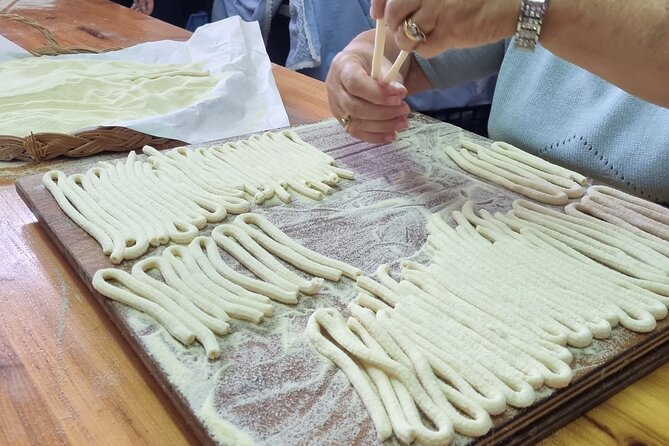
- Shepherd-family kitchen time in Montresta: roll up your sleeves and learn using local inputs and traditional tools
- Davide’s hands-on guiding style: clear explanations in English and a lot of context tying food to place
- Blue Zone talk, plus practical sustainability ideas: you’ll hear why villages like this matter
- A small group for real conversation: up to 8 people keeps the day personal
- Lunch is part of the point: typical Sardinian products you helped make (and then eat as a group)
Why This Montresta Day Feels Different From a Standard Cooking Class
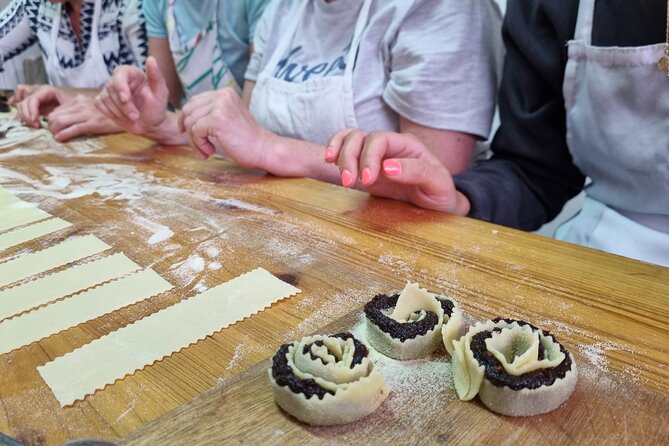
Most cooking tours give you a checklist and a cookie-cutter pasta lesson. This one is built around people and routines. You’re not only learning how to form shapes; you’re learning how food fits into an everyday village rhythm.
What makes it special is the way the day is paced. There’s travel time through nearby villages and then a long, focused block in Montresta—about five hours—where cooking and tasting go hand in hand. You also get the village walk after the meal, so the story doesn’t stop at the dining table.
And the guide connection matters. Davide is a big part of the reason the day flows well. In English, he’s patient, communicates clearly, and makes sure you understand what you’re doing (and why). That turns the kitchen time from a task into a conversation.
You can also read our reviews of more tours and experiences in Sardinia.
Getting Oriented: The Alghero Meeting Point and Your 9:00 AM Start
The tour meets at Via Lido, 73, 07041 Alghero SS, Italy, with a 9:00 am start. It also returns you back to the same meeting point at the end, so you can plan your afternoon without complicated logistics.
Because transportation is included, you can show up and relax. The day is structured around driving up into the mountains and then moving through the surrounding area. It’s not a walk-everywhere tour, so if you hate being in a vehicle, you’ll want to keep that in mind.
Group size is small (maximum 8), which helps a lot with comfort. It also means the guide can manage questions, pace, and translation without the usual “herding cats” vibe.
Stop 1: Villanova Monteleone for Quick, Scenic Village Context
The day begins with a scenic provincial road drive, passing through Villanova Monteleone. This stop is short—about 30 minutes—and it’s marked as admission ticket free.
Why do a quick stop like this? It gives you an immediate sense of inland Sardinia before you reach Montresta. You get to see how village life sits into the hills, not just on the coast. Even in a limited time window, it helps you understand the setting where your main cooking experience will happen later.
If you’re the type who likes context before the main event, this works well. If you’re hoping for lots of big sights, it’s intentionally brief. Think of it as setting the stage.
Stop 2: Montresta Cooking With Leonarda and Ica (Hands-On Pasta and More)
This is the core of the tour: Montresta, a tiny village of fewer than 400 residents, reached by a drive into the mountains above the wider Alghero area.
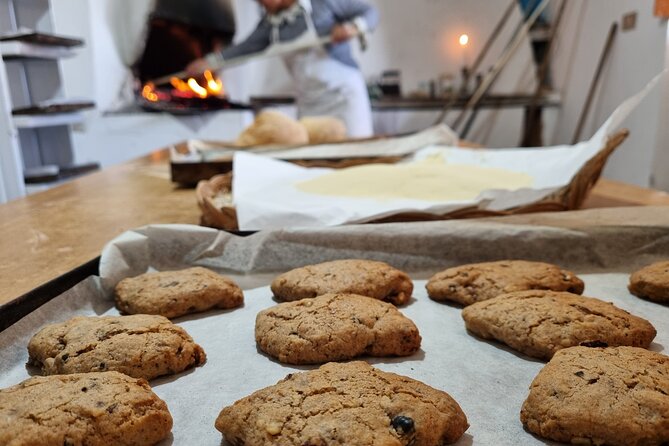
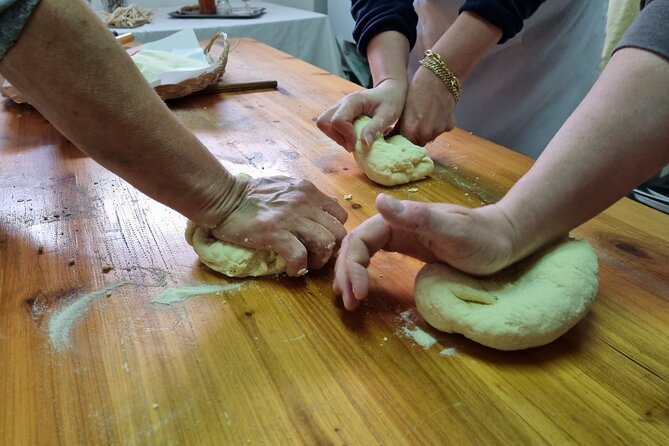
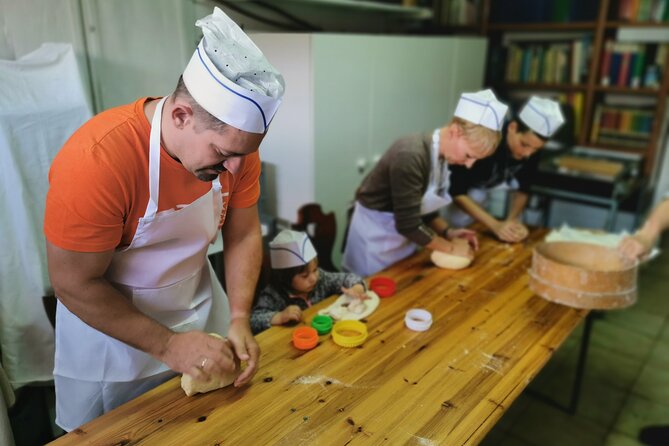
Here’s what you can expect in practical terms: you’ll arrive at the shepherd family home, and the day shifts into real cooking work—bread, coffee and homemade cakes, pasta shaping, and the kind of tasting that makes you pay attention. Multiple reviews highlight Leonarda and Ica as the hosts and teachers in the kitchen.
What you actually do (not just watch)
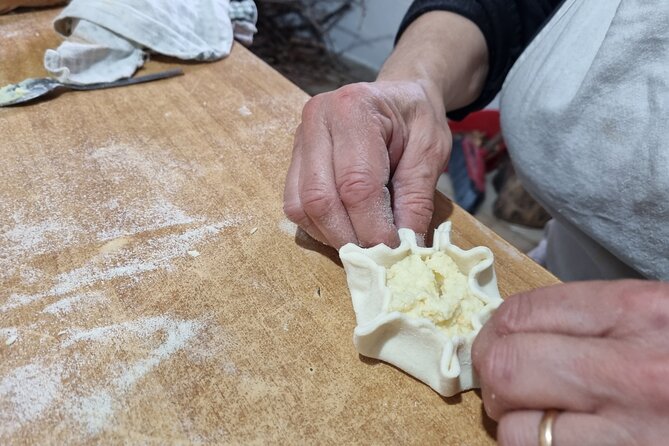
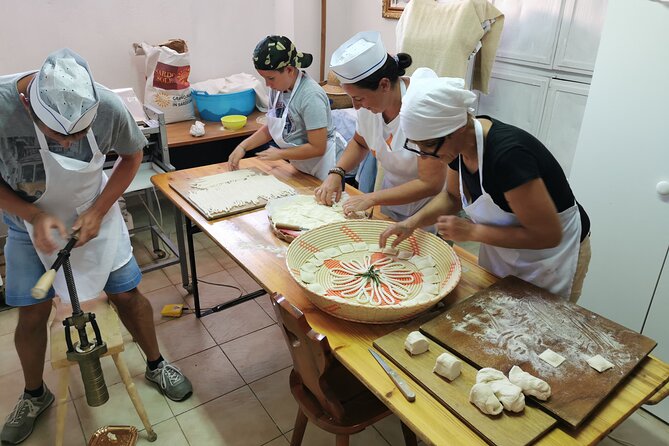
You’ll help make multiple kinds of pasta, using local ingredients with traditional methods. Reviews mention making ravioli with fillings built around things like eggs, ricotta, and pecorino tied to family production. You may also work with traditional shaping tools and techniques, including forms that come from older Sardinian pasta traditions.
There’s also hands-on dairy work described in the experience: you can learn about preparing cheese and ricotta, including tasting it warm with honey. The day often continues with dessert and local sweet flavors, and lunch is then shared together as a group with the foods you helped prepare.
Why the Blue Zone angle matters
A recurring theme in the day is sustainability—not in a lecture-y way, but as a practical lifestyle. People talk about Montresta as a Blue Zone, and the conversation often connects land respect, food cycles, and why keeping these skills alive matters.
That matters to you because it changes the tone of your learning. You’re not just eating well today. You’re getting a grounded explanation of how a community survives with less waste and more seasonal awareness.
The village stroll after cooking
After the meal and cooking work, the day includes a leisurely walk through Montresta, where a guide helps you understand local history and what makes this place feel authentic. This is smart pacing: you’re fed, you’re warmed up from the kitchen work, and now you’re ready to slow down and look.
The main consideration here: you’re spending about five hours in one concentrated zone. Come ready to be present. If you’re the “need constant entertainment” type, you might find the day slow at times. If you enjoy learning by doing, it’s exactly the point.
Stop 3: The Scenic Return Toward Alghero (Cliffs, Canyons, Coast Views)
The final segment is a scenic road portion described as traveling from Bosa to Alghero, taking in cliffs and canyons plus Mediterranean nature along the way. This part is listed at around 30 minutes, with admission ticket free.
This segment is about finishing the day with fresh air and views after you’ve been in a kitchen for hours. Even though it’s short, it helps you switch from food-brain to scenery-brain.
It’s also a nice reminder that the ingredients you learned about are tied to where you are: Sardinia isn’t only vineyards and beaches. You get the inland edges of the island too.
Lunch on the Table: Typical Sardinian Products You Help Create
Lunch is included, and it’s typical Sardinian products after the cooking experience. Since the day is built around hands-on preparation, lunch feels earned, not scheduled.
From the descriptions shared, you can expect a menu that reflects what the family and immediate area provide—pasta dishes with local ragout, breads, cheeses, and desserts. Some meals include local wine at the table, and there are mentions of local spirits like white grappa in the broader experience descriptions.
Even if the exact dishes shift with seasonal supply, the consistent value is how food tastes when you understand where it comes from. You’re learning techniques and ingredients that are normally hidden behind restaurant plates.
Practical tip: bring an appetite. Multiple accounts call out that this is a full day of eating and learning. It’s not a light snack experience.
The Guide Factor: Davide’s Role in Making It Easy (and Not Awkward)
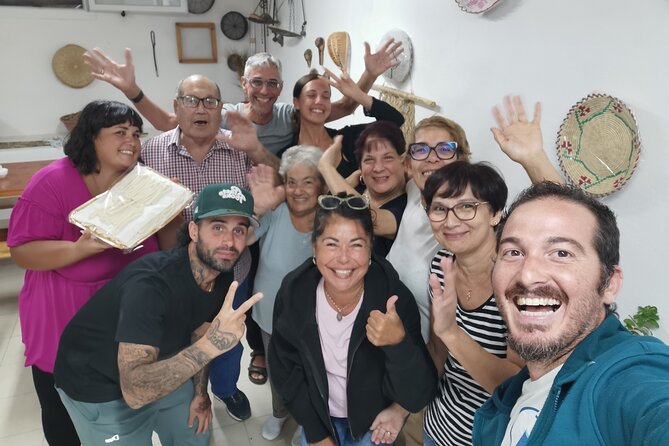
Davide comes up again and again in the experience descriptions for a reason. He’s described as attentive, patient, and good at explaining what happens next. In English, he’s able to keep groups comfortable and talking—jokes, questions, and clear instructions all show up in the tone.
Why that matters: when cooking is hands-on, confusion kills fun. A good guide prevents that. Davide also brings extra context about Sardinia’s biology, geology, and history, so you’re not only learning recipes—you’re building an understanding of why the region grows certain ingredients and how rural life shapes food.
You’ll also feel the warmth of the household hosts. Leonarda and Ica are described as welcoming and generous in how they teach. That human warmth is the real upgrade over “another class.”
Small Group, Real Learning: What Max 8 People Changes
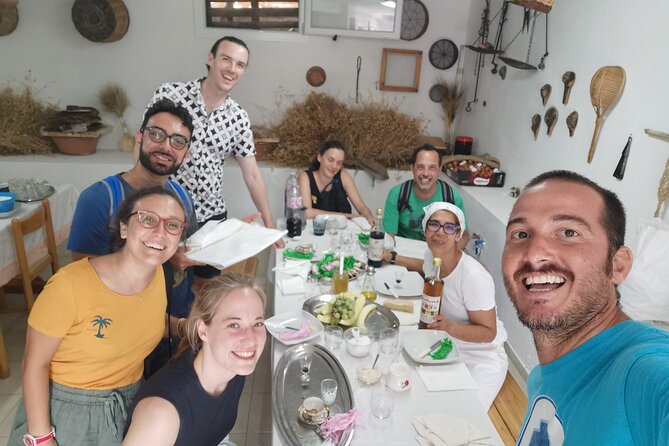
A maximum of 8 travelers is a big deal here. In a larger group, cooking work becomes a line with limited feedback. With a small group, you get more time at key steps, more chances to ask questions, and less waiting.
It also helps with translation. Even when instructions are simple, small language gaps can make hands-on work frustrating. With a local guide and a small group, you’re less likely to feel stuck.
This is also why the experience reads as genuinely personal. It’s harder to treat you like a number when everyone can see what’s happening at the counter.
Price and Value: Is $168.58 Worth It?
At $168.58 per person for about 6 hours, the price looks “mid” compared with typical tours. But it’s not just a ticket to eat. You’re getting:
- Transportation included
- A multilingual/local guide setup (and English availability)
- A lunch made from the products used in the cooking work
- A small-group format (max 8)
- A full household teaching experience, not a quick demo
When I judge value, I look at three things: how much you do, how long you’re there, and how much is included. Here, you’re busy for most of the day and lunch is included. That pushes the value toward the experience, not toward logistics.
Also, the day supports rural village life. The conversation around helping keep villages like Montresta alive is part of the tone. You’re paying for something that’s not mass-produced tourism.
Who Should Book This (And Who Might Not)
This works best for you if you want:
- Hands-on cooking with traditional Sardinian pasta-making
- A real village setting in the mountains, not only coastal sightseeing
- Small group interaction and a guide who can explain context, not just timing
It’s less ideal if you’re:
- Looking for a quick, surface-level activity
- Sensitive to being in a vehicle for part of the day
- Hoping for a strictly structured timeline with constant major sights
The best match is a food-first traveler who likes slow, meaningful learning and appreciates that this kind of place survives on people showing up with respect.
Should You Book DRAN’s Farm-to-Table Day in Montresta?
Yes—if you care about authentic food culture and you enjoy learning by doing. This tour’s strength is the combination: a shepherd-family kitchen, teaching that includes shaping and dairy work, and a guide like Davide who keeps it understandable and human.
I’d book it if you want more than pasta photos. The village walk afterward and the Blue Zone sustainability conversations are what stick with you.
And if you’re just doing Sardinia on a tight schedule, the 6-hour length is manageable because you still end back at your Alghero meeting point. That makes it easier to slot into a normal vacation day.
If you can do only one food experience in the region, this is a strong contender—because it connects cooking to place instead of treating it like a standalone activity.
FAQ
What is the duration of the farm to table cooking experience?
The experience lasts about 6 hours.
Where does the tour start, and where does it end?
It starts at Via Lido, 73, 07041 Alghero SS, Italy, and ends back at the meeting point.
What time does the tour begin?
The start time is 9:00 am.
How big is the group?
The tour has a maximum of 8 travelers.
Is the experience available in English?
Yes, it’s offered in English.
What’s included in the price?
Included are lunch (typical Sardinian products after the cooking experience), transportation, and a multilanguage local guide.
Are the admission tickets for the stops included?
The itinerary notes that the admission tickets for the listed stops are free.
Is the lunch part of the experience, or separate?
Lunch is included and is served after the cooking experience.
Is free cancellation available?
Yes, you can cancel for a full refund up to 24 hours before the experience start time.
Does the experience have a minimum number of travelers?
Yes, the experience requires a minimum number of travelers; if it’s canceled due to not meeting that minimum, you’ll be offered a different date/experience or a full refund.