REVIEW · TROPEA
Farm-to-table Food Experience
Book on Viator →Operated by Visit Mediterraneo · Bookable on Viator
One word: food. This Tropea farm-to-table experience pairs a guided countryside visit with hands-on pasta and cannoli work, then puts it all on your plate. You’ll get the Calabrian approach to slow food, using what’s grown nearby and what a small flock turns into dairy that actually tastes like something.
I especially like the way the day connects farms, ingredients, and everyday cooking, instead of treating food like a show. And I like that the host, Enzo, talks through local farming and the slow-food mindset, so you leave with more than full-belly satisfaction.
One consideration: this is not a gluten-free-friendly meal plan, so if you need gluten-free options, you’ll want to look elsewhere and plan that diet around your own meals.
In This Review
- Key highlights before you go
- Tropea farm-to-table: why this day feels different
- Getting there: Contrada Ferrovia start + pickup that actually helps
- The farm visit: sheep dairy, homegrown produce, and slow-food thinking
- Pasta-making: where the technique stays friendly
- Cannoli filling: ricotta work that tastes like the real thing
- The meal: antipasto first, then pasta, then a local dessert
- Value for $132.53: what you’re actually paying for
- Dietary needs and who should book (or skip)
- Weather and pacing: set yourself up for a smooth afternoon
- Should you book this Tropea farm-to-table experience?
- FAQ
- How long is the farm-to-table experience in Tropea?
- Is pickup included?
- Is this tour private?
- What language is the tour offered in?
- Can the menu be made gluten free?
- Do I need to tell the provider about allergies?
- What happens if the tour can’t run due to weather or other minimum requirements?
Key highlights before you go
- Pickup in the Tropea area saves you time and hassle, and makes the countryside part feel effortless.
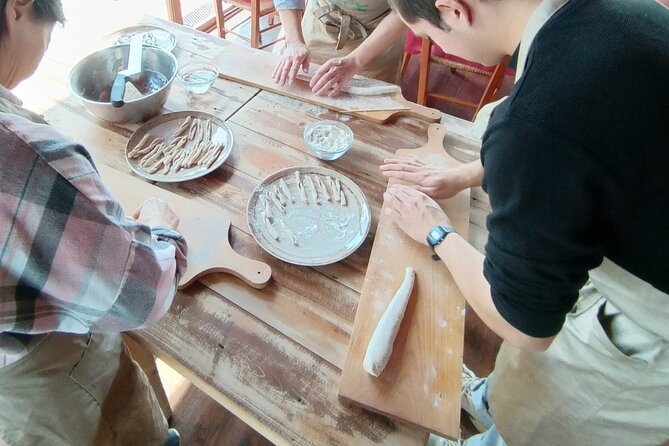
- Hands-on fresh pasta and cannoli work means you’re doing real steps, not just watching.
- Sheep dairy is front and center, including ricotta and pecorino used in the cooking.
- A relaxed pacing keeps it fun, with time to ask questions about farming and Calabria.
- A full seated meal follows the prep, so the experience lands as both education and dinner.
Tropea farm-to-table: why this day feels different
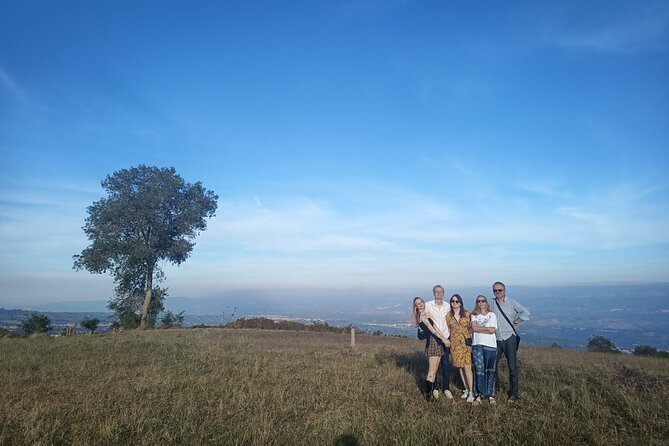
Tropea is famous for bright views and easy beach days, but this experience turns the dial toward how Calabrians actually eat. You’re not just tasting a plate. You’re seeing where the ingredients come from and learning how they become dinner.
The best part is the combination: a working farm visit in the hills, plus hands-on cooking with locally familiar foods. You’ll also spend the day with Enzo, who is known for being communicative and bringing context to what you’re doing. That matters, because when you understand why ricotta or pecorino shows up in these dishes, you start tasting with intention.
This is also built for real enjoyment. It’s about slow food and comfortable conversation more than strict technique. If you’ve ever done a fast cooking class where you leave thinking, what did I just make, this tour tends to avoid that vibe.
Getting there: Contrada Ferrovia start + pickup that actually helps
The tour begins at Contrada Ferrovia, 44, 89861 Tropea VV, Italy. If you’re staying in the Tropea area, pickup and drop-off are included, which is a big deal for a countryside farm day. You don’t need to worry about parking, navigation, or timing.
It runs about 4 hours 30 minutes, and it’s offered in English. You’ll also get a mobile ticket, which is handy if you prefer less paper and more speed at check-in.
Because it’s a private tour (only your group), the schedule can feel calmer and more flexible for questions. That private setup usually makes a farm experience smoother, especially when you’re learning food steps and don’t want to feel rushed.
The farm visit: sheep dairy, homegrown produce, and slow-food thinking
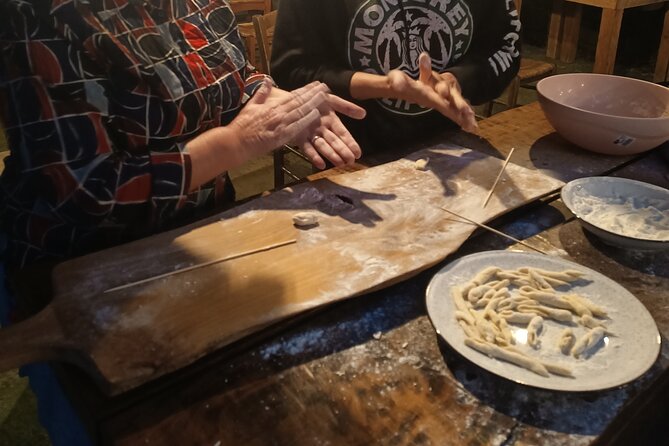
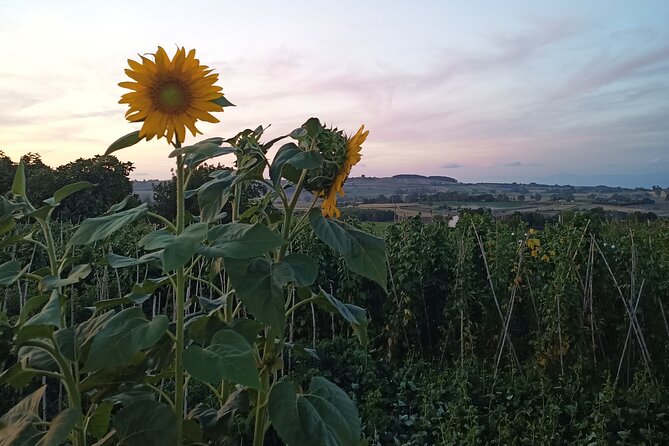
A key part of the day happens at the local farm. The focus is traditional production and preparation methods, and the underlying theme is the Mediterranean approach to eating well with what’s seasonal and local.
From what’s described, farms here raise sheep and turn their milk into dairy you’ll use in the cooking. Pecorino and ricotta aren’t treated like generic ingredients. They’re the backbone of the meal, and they show up in how you dress pasta and how you fill cannoli.
You’ll also see homegrown produce in action. The meal often includes elements that feel distinctly Calabrian, like ingredients that match what’s grown nearby and regional staples that are part of everyday flavor building.
And since the host talks through local farming and geography, you get more than a stop on the map. You get a sense of how Calabria fits into the food story: hills, seasons, small-scale production, and a slow-food mindset that values craft and community links.
Practical note: farm time can mean you’re outside for stretches. Wear comfortable shoes and light layers, especially if you’re going in shoulder season when weather can shift.
Pasta-making: where the technique stays friendly
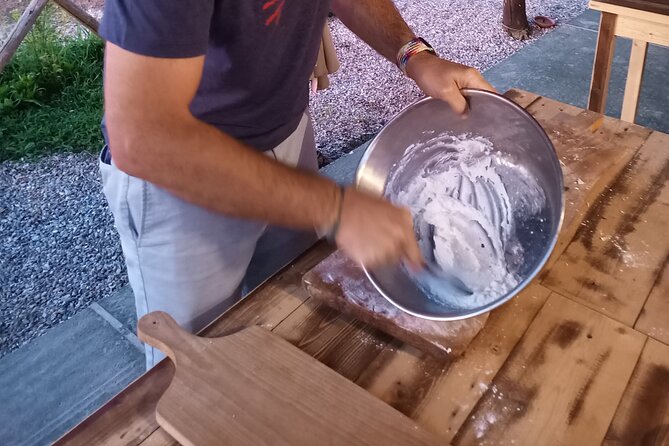
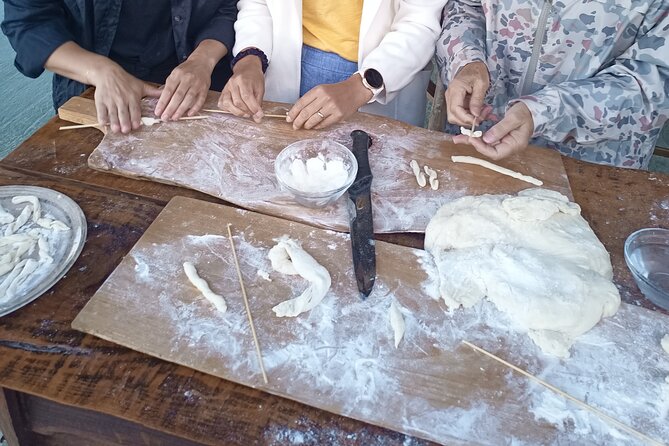
This experience includes making fresh pasta, not just learning about it. You’ll work dough and get hands-on with the steps involved in shaping and preparing pasta for eating.
What makes this better than many “hands-on” classes is that it doesn’t stop at dough. The day connects the pasta to what you’re pairing it with. Sheep dairy (including ricotta and pecorino) is part of how the food comes together, so your work with the dough has a direct payoff.
In the farm setting, the vibe tends to be relaxed. You’re not judged for how quickly you roll or how neat your shapes are. The focus is learning a process you can recognize later if you ever cook Calabrian-style at home.
Also, keep your expectations realistic: this is a cooking + farm experience, not a professional pasta workshop where you leave with museum-grade technique. Still, you will come away with useful know-how and a better sense of how the flavors are meant to work.
Cannoli filling: ricotta work that tastes like the real thing
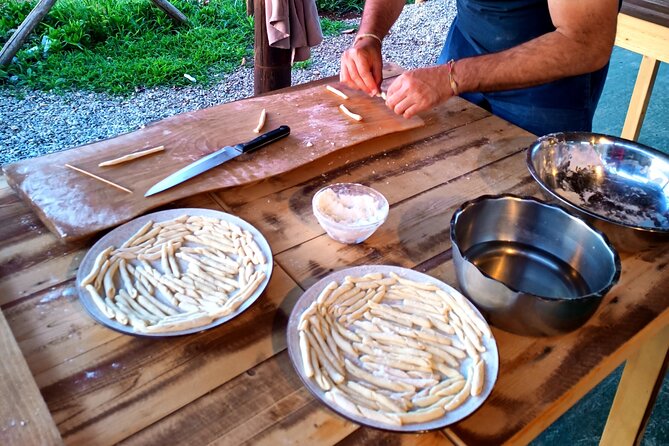
You’ll also make cannoli, and the filling is where the farm-to-table approach really clicks. Ricotta from the farm isn’t just a component. It’s the heart of the dessert experience.
Because the day centers on ingredients produced locally, the filling is built from something that has been handled with care all the way from dairy to preparation. That’s why cannoli here tends to be memorable for people who think they already know what cannoli tastes like.
If you’re the type who likes dessert as a project, you’ll probably enjoy the hands-on aspect. If you’re more of a savory person, don’t worry: the dessert is still connected to the earlier steps, so it feels like one continuous meal rather than a random sugar finish.
The meal: antipasto first, then pasta, then a local dessert
Your sample menu is simple on paper, but it’s generous in practice. Expect:
- Starter: Traditional antipasto
- Main: Pasta
- Dessert: Local dessert
The antipasto is typically built from local ingredients, and it often includes a mix of dairy-forward items and regional flavors. In addition to farm dairy like ricotta and pecorino, you may find ingredients such as marinated vegetables and local specialties that match Calabria’s style.
Then the pasta follows. The point of the meal is to show the connection between the cooking you did and the flavors you’re eating. The pasta sauce and pairings often highlight sheep dairy and regional taste profiles you won’t get from a generic Italian restaurant.
Finally, there’s dessert. Since you’re making cannoli, dessert usually fits naturally into what you already learned and tasted.
This meal format is part of the value: you don’t leave the farm after a quick snack. You sit down and eat what you helped prepare, which is exactly what a farm-to-table experience should do.
Value for $132.53: what you’re actually paying for
At $132.53 per person, you’re paying for more than a single dish. The price generally reflects four things:
- Pickup and drop-off in the Tropea area, which is often the difference between a smooth experience and a logistical headache.
- A private, small-group feel (only your group participates).
- Time for a farm visit plus hands-on cooking (fresh pasta and cannoli).
- A full meal: antipasto, pasta, and dessert.
Many cooking classes are either hands-on with no farm context, or farm tours with only tasting. Here, you get the best of both: the ingredient story plus the kitchen steps plus the meal.
If you like value, look at it as “dinner + education + doing.” For a 4.5-hour block, it’s a fair deal when you consider you’re getting transport help, an actual meal, and the chance to work with ingredients tied to Calabria’s real production.
Dietary needs and who should book (or skip)
If you have gluten issues, this is a key limitation. Menu gluten free is not possible, so you’ll need to plan accordingly before booking.
Also, the tour requires you to communicate food allergies and dietary restrictions when you book. That’s important with a farm-based meal because ingredients are often used across multiple steps.
Who it fits well:
- Couples and small groups who want a relaxed evening with hands-on cooking
- People who enjoy regional food and want to understand how it’s made
- Travelers who like learning from a local host like Enzo and hearing how Calabria connects to farming
Who might want to skip:
- Anyone who needs gluten-free meals
- Anyone expecting a high-energy, competitive cooking class style
Weather and pacing: set yourself up for a smooth afternoon
This experience requires good weather. If conditions are poor, you’ll be offered a different date or a full refund. Plan for an outdoor element and bring the basics: comfortable clothes, good shoes, and a mindset that this is a slow-food evening, not a rushed checklist.
The pacing is meant to feel unhurried. That’s a plus for couples and for anyone who wants to talk with the host, ask questions about farming, and enjoy the countryside views at a normal human speed.
If you’re prone to getting impatient with tours, you might still enjoy it, but go in knowing it’s not a sprint. You’re there to learn and eat, not just to check boxes.
Should you book this Tropea farm-to-table experience?
I’d book it if you want a genuine Calabria food day where you do real prep work and then eat what you made, in a setting tied to how ingredients are produced. The combination of fresh pasta, cannoli, and a proper seated meal makes it feel complete, and the farm context gives it more meaning than a typical cooking class.
Don’t book it if gluten-free is non-negotiable, because gluten free isn’t possible on the menu. And if you need zero flexibility around dietary needs, contact the provider early during booking so you can confirm how they’ll handle restrictions.
If you’re looking for an evening in Tropea that’s more about food culture than sightseeing, this is a strong choice. It’s the kind of tour that leaves you with actual tastes to remember, not just photos.
FAQ
How long is the farm-to-table experience in Tropea?
It runs for approximately 4 hours 30 minutes.
Is pickup included?
Yes. Pick-up and drop-off are included from hotels or accommodation in the Tropea area.
Is this tour private?
Yes. It’s a private tour/activity, and only your group will participate.
What language is the tour offered in?
The experience is offered in English.
Can the menu be made gluten free?
No. A gluten free menu is not possible.
Do I need to tell the provider about allergies?
Yes. You have to communicate any potential food allergies and/or dietary restrictions within the booking.
What happens if the tour can’t run due to weather or other minimum requirements?
The experience requires good weather. If it’s canceled due to poor weather, you’ll be offered a different date or a full refund. It also has a minimum number of travelers, and if it’s canceled for that reason, you’ll be offered a different date/experience or a full refund.