
REVIEW · STON
From Dubrovnik: Mali Ston Oysters Farm & Boat Experience
Book on GetYourGuide →Operated by Mali Ston Oysters · Bookable on GetYourGuide
Mali Ston oysters taste like the sea. In Ston Bay, the water mix supports oyster farming for centuries, and you get the story right alongside the food and views.
I especially love the hands-on oyster shucking and the fact you eat straight from the sea, with Pelješac white wine that actually fits the flavors. The second thing I like is the personal, family-run feel, including a real lesson on how oysters are grown and harvested.
The main thing to consider is the boat ride: if you’re prone to seasickness, you’ll want to plan for it. And if you have a shellfish allergy, this experience won’t be a fit.
In This Review
- Key things I’d plan around
- Dubrovnik to Mali Ston: the road trip that sets the tone
- Boarding a traditional boat in Ston Bay
- The oyster farming lesson: what you’ll actually learn
- Three fresh oysters and how the tasting is paced
- Pelješac white wine pairing that doesn’t feel random
- Traditional buzara mussels on the boat
- Ston free time: medieval walls and salt pans
- Price and value: what $176 includes, and what you get for it
- How long it really takes (270 minutes) and how to plan your day
- Who this experience fits best
- Tips so you enjoy it without stress
- Should you book Mali Ston Oysters from Dubrovnik?
- FAQ
- Where is pickup for this tour?
- How long is the experience from start to finish?
- What happens during the boat part?
- What food is included in the tasting?
- What wine do you receive?
- Do you get free time in Ston?
- Is this a private group tour?
- What languages are available?
- Is the tour suitable for seasickness or shellfish allergies?
- What should I bring?
Key things I’d plan around
- A family-style welcome in Dubrovnik, with a host who shares local stories as you travel
- Boat time in Ston Bay where fresh-and-salt water makes oyster farming possible
- Live shucking plus a short lesson on oyster cultivation and harvesting
- Three oysters with Pelješac white wine for a simple, focused tasting
- Buzara of mussels cooked on board with white wine, garlic, olive oil, and parsley
- Free time in Ston to walk medieval walls and see the salt pans
Dubrovnik to Mali Ston: the road trip that sets the tone
This is the kind of tour that starts before you reach the water. You get pickup in the Dubrovnik city area by car, and the drive takes you along the scenic coastal route toward Mali Ston. The moment you meet your host/greeter, the experience feels personal, not like a bus tour where you’re handed a schedule and sent on your way.
What makes this transfer worth it is the way it frames the day. You’re not just going to eat. You’re learning where the oysters come from and why this bay is ideal. When the conversation is about local traditions, you end up noticing details you’d normally miss—how the coastline shapes the water, how farming fits into village life, and why Ston matters beyond the walls.
If you like food tours with context, this start works. If you mainly want a quick snack and a photo, the long, storytelling-forward approach may feel a touch slower—though the timing still stays efficient.
Boarding a traditional boat in Ston Bay
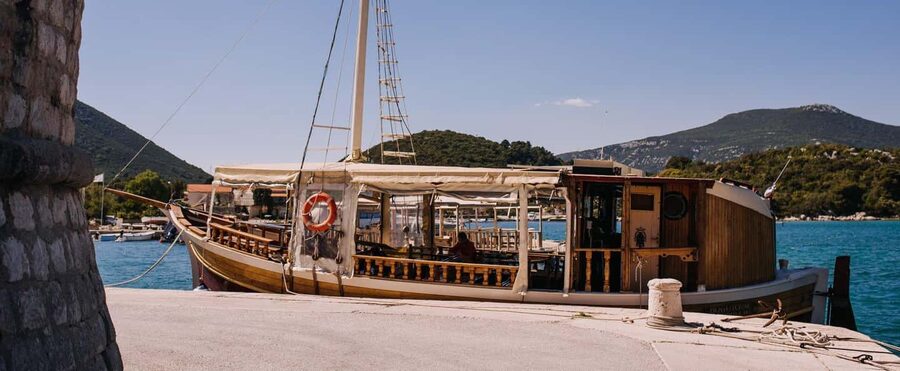
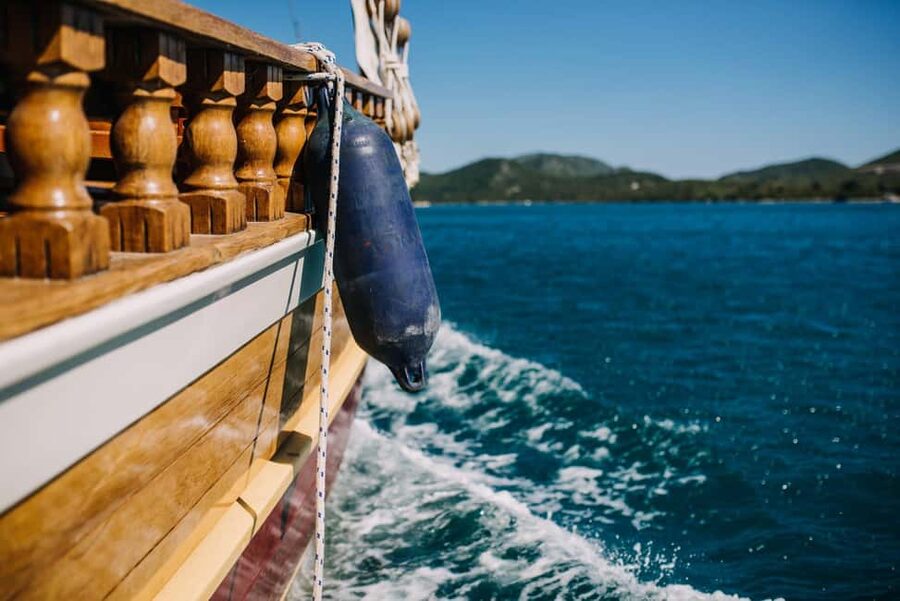
Once you reach Mali Ston, you step onto a traditional wooden boat that’s maintained with maritime heritage in mind. This isn’t a giant cruise ship situation. The pacing feels more hands-on, which matters when you’re about to watch shucking and learn the oyster routines.
Then comes the sail across Ston Bay. This part is calmer than you might expect, and it’s also when the setting clicks. You’re close enough to see the oyster beds and understand the environment: Ston Bay has an ecosystem created where fresh water and salt water meet. That mix is what supports the oysters you’ll be tasting later.
Two practical notes for you:
- Wear comfortable shoes. You’ll be on and off the boat area, and you’ll want stable footing.
- Bring sunglasses and a camera. You’re likely to want proof of the water, the coastline, and those views you’ll connect to the oysters.
The oyster farming lesson: what you’ll actually learn
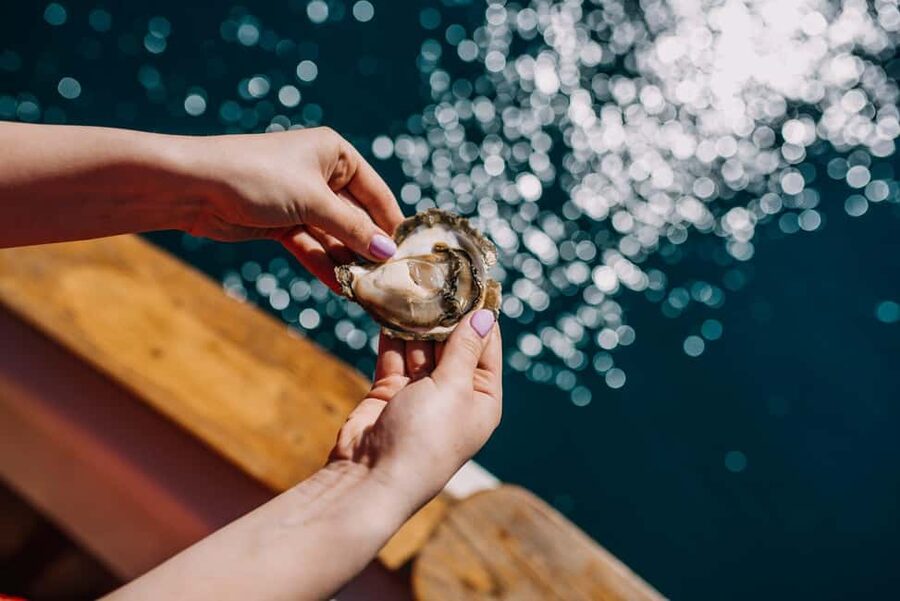
The best part of this day is that the food isn’t served without explanation. Anchoring near the oyster beds is where the tour becomes genuinely educational. Your host demonstrates how oysters are cultivated and harvested here, and you’ll also watch live oyster shucking on board.
What I like about this setup is its practicality. You don’t get stuck in overly technical talk. Instead, you get the core idea: oyster farming is careful work done at the right depth and in the right water conditions, and it’s built around timing—harvest when the oysters are ready, open them fresh, and serve them at their best.
You’re also learning the difference between oysters that are collected and oysters that are opened for eating. Shucking isn’t just a trick; it’s handling. The emphasis on fresh opening matters because oysters taste best when they’re truly sea-to-plate.
And yes, you’re tasting as you learn. That makes the whole lesson easier to remember.
Three fresh oysters and how the tasting is paced
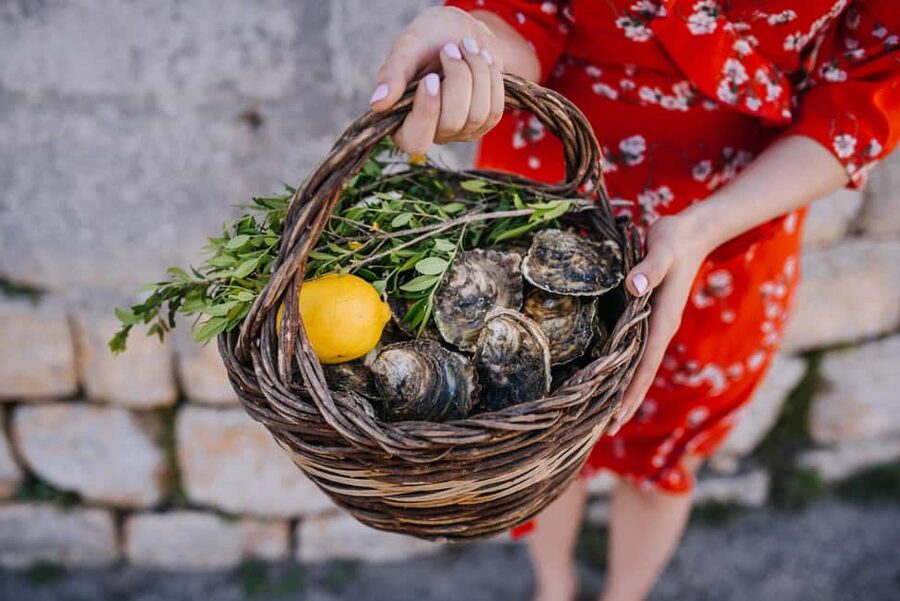
After the shucking demonstration, you’ll enjoy three freshly opened oysters served straight from the sea. This is a very specific amount on purpose. Three oysters is enough to notice flavor differences without turning the tasting into a long, repetitive meal.
You’ll likely find the oysters are delicate and clean in flavor—something you can taste more easily when it’s served fresh rather than sitting. Also, eating on the boat changes the experience. The sea air and the outdoor setting make everything feel more immediate, and you end up paying attention to the shuck, the texture, and the way the taste shifts as you go from one oyster to the next.
If you don’t love shellfish, this is still worth considering only if you genuinely want to try oysters in a proper farm-and-boat context. But if shellfish is a hard no for you, skip it—there isn’t a substitute listed.
Pelješac white wine pairing that doesn’t feel random
You also get a glass of Pelješac white wine with your oysters. The wine is described as crisp and known for minerality, which is exactly the kind of pairing you want with briny, ocean-forward flavors.
Here’s what makes this pairing useful for you: you’re not just drinking wine because it’s included. You’re pairing it with the taste of the bay. Crispness helps keep the palate clean, and minerality gives the wine a similar sense of salinity without overpowering the oysters.
If you like learning how Croatian wines match regional foods, this is a simple but smart add-on. You’ll taste something familiar in structure—dry, crisp—while still getting local identity from Pelješac.
Traditional buzara mussels on the boat
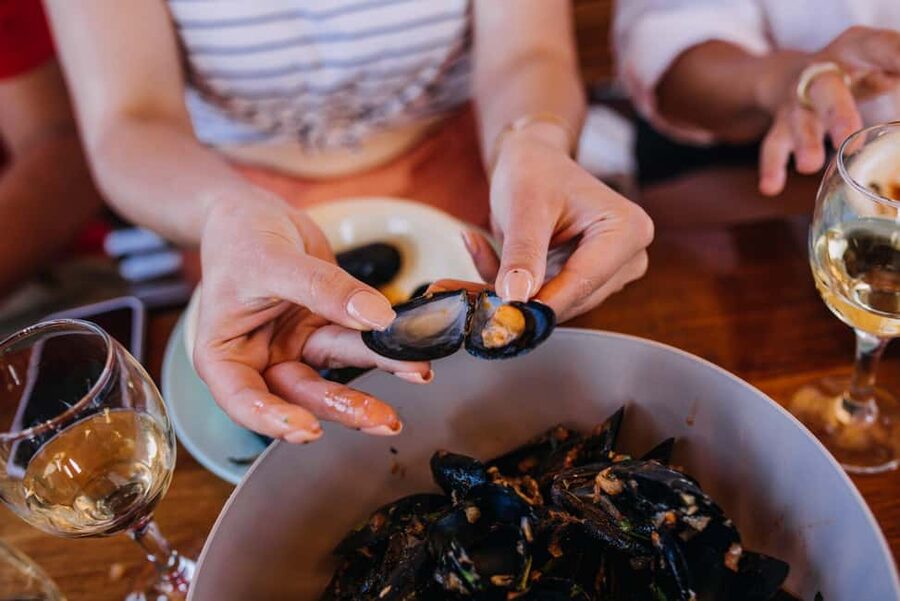
Right after the oyster moment, the tour brings you to the next classic: traditional buzara of mussels, also called dagnje. This is cooked right on the boat with white wine, garlic, olive oil, and parsley.
Why this works so well on this kind of tour: buzara is comfort food, but not heavy. It’s built on aromatics and wine, so it fits the sea setting instead of feeling like a separate land meal. The boat environment also makes the smell part of the experience, because you’re standing near the cooking and the aroma rides the sea breeze.
It’s not a complicated “chef tasting.” It’s the kind of traditional dish that makes the day feel like Croatia, not just an attraction. And because it’s on board, it keeps the pacing tight and keeps you from spending your appetite waiting for a restaurant.
Ston free time: medieval walls and salt pans

After the boat portion and tastings, you get about an hour of free time in Ston. This is your chance to slow down and explore at your own pace.
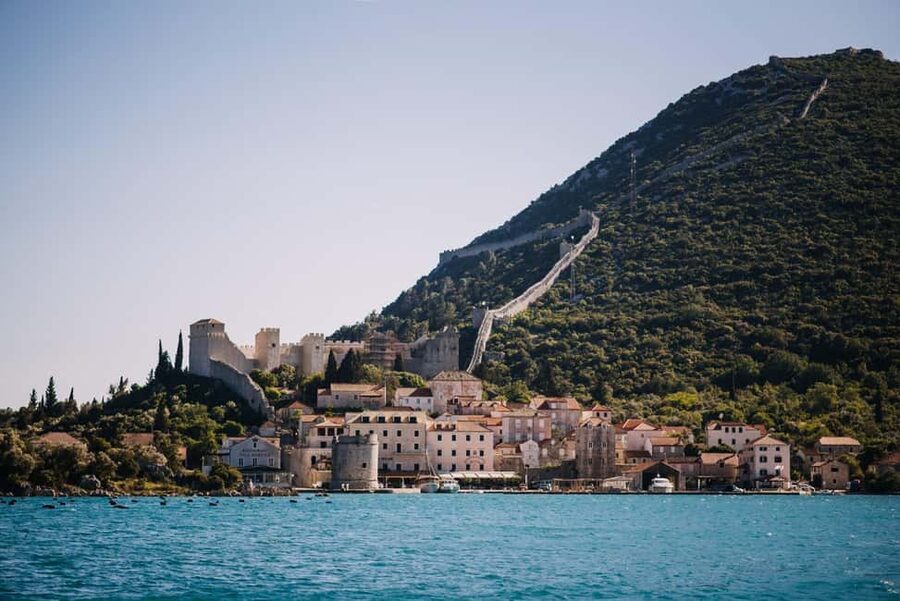
Ston is where the tour’s sea-to-land story closes. You’ll see the famous defensive stone walls—described as the longest defensive stone walls in Europe. Even if you don’t walk the entire length, seeing the scale from inside the town gives you a better sense of why this region mattered historically.
You can also visit ancient salt pans. That’s a nice complement to the oyster theme. Salt work and seafood work were both vital here, and both are tied to the geography and water conditions.
Practical tip: wear shoes you can handle outdoors. Ston’s attractions reward steady walking. Also, plan a coffee break if you want the quieter side of the town—this hour is long enough for a snack and a relaxed loop.
Price and value: what $176 includes, and what you get for it
At $176 per person, this isn’t a bargain-basement food stop. But it’s also not just oysters in a restaurant.
Here’s what’s bundled into that price:
- Pickup from Dubrovnik city area by car
- Boat tour in Mali Ston (about an hour)
- Oyster tasting (three freshly opened oysters)
- A glass of Pelješac white wine
- Traditional buzara mussels cooked on the boat
- About an hour of free time in Ston
That combination is the value. You’re paying for transport, a private, family-run boat day, and a tasting that’s built around live shucking and cooking—not a pre-plated set. If you’re the type who likes local food traditions plus a real setting, the price makes sense.
If you’re traveling on a strict budget and you mostly want the cheapest way to see Ston, this may feel expensive. But if you want a meaningful “food + place” experience rather than a quick visit, the included boat and tastings are the core of what you’re buying.
How long it really takes (270 minutes) and how to plan your day
The total duration is about 270 minutes, so roughly four and a half hours from pickup to return. The boat and tasting portion is about an hour, and the free time in Ston adds another chunk, which helps you avoid the feeling of being rushed.
This is a good half-day plan if you’re already doing Dubrovnik’s main sights and want a contrasting experience: fewer crowds, more local food, and a different kind of coastline.
If your schedule is tight, aim to keep the rest of your day flexible. The day runs on the tour flow, and the boat element can take a little getting used to if the sea isn’t perfectly still.
Who this experience fits best
This is a strong fit if you:
- Love oysters and want them prepared and explained properly
- Want a local-food day that’s not just tasting in a dining room
- Enjoy wine pairings where the region makes sense
- Like small, personal groups rather than large crowds
It’s not a match if:
- You’re prone to seasickness (the tour involves a boat ride)
- You have shellfish allergies (oysters and mussels are part of the experience)
- You prefer purely land-based activities
It’s also worth it if you’re traveling with people who appreciate education in the simplest form. The farming explanation is practical, and the food follows immediately.
Tips so you enjoy it without stress
A few small things make a big difference on a boat day:
- Bring comfortable shoes. You’ll move around the boat area and spend time walking in Ston.
- Pack sunglasses and a camera. You’re dealing with sun and wide views over Ston Bay and the town.
- If you’re sensitive to motion, plan for it in advance. The tour doesn’t claim to be motion-free.
- Don’t overplan your timing in Dubrovnik. Pickup is from your accommodation area, so staying close to the city center helps reduce waiting.
Also, come hungry in a sensible way. The tastings are set—three oysters and buzara mussels—and while it sounds small, the freshness and flavor can be surprisingly satisfying.
Should you book Mali Ston Oysters from Dubrovnik?
Book it if you want a real regional food experience: fresh oysters, a proper shucking moment, a wine pairing tied to the region, and mussels cooked right on the boat, followed by time in Ston where the walls and salt pans give the day context.
Skip it if shellfish isn’t your thing or if you know you won’t handle boat motion. In those cases, no amount of good hosts can change the core reality: you’re on the water and eating sea-based ingredients.
If you do book, you’ll get more than food. You’ll get a day that connects the bay’s ecosystem to the town’s walls and the local tradition of harvesting from sea and salt.
FAQ
Where is pickup for this tour?
Pickup is provided from your location within the Dubrovnik city area, and the greeter will come by car directly from your accommodation.
How long is the experience from start to finish?
The total duration is about 270 minutes.
What happens during the boat part?
You’ll take a boat cruise in Ston Bay for about an hour, including time anchored near the oyster beds for shucking and explanation.
What food is included in the tasting?
You’ll get three freshly opened oysters and a traditional buzara of mussels cooked on the boat.
What wine do you receive?
You’re served a glass of authentic Pelješac white wine with your oysters.
Do you get free time in Ston?
Yes. After returning to shore, you’ll have about one hour of free time in the historic town of Ston.
Is this a private group tour?
Yes, it is listed as a private group.
What languages are available?
English, Spanish, and Turkish are available for the host/greeter.
Is the tour suitable for seasickness or shellfish allergies?
It’s not suitable for people prone to seasickness, and it isn’t suitable for people with shellfish allergies since oysters and mussels are included.
What should I bring?
Bring comfortable shoes, sunglasses, and a camera.