REVIEW · CAPTAIN COOK HAWAII
Hawaii: Hala Tree Coffee Farm Tour and Tasting
Book on GetYourGuide →Operated by Hala Tree · Bookable on GetYourGuide
First-rate coffee tours feel like a shortcut to understanding a whole crop. This one is a focused, 1-hour stroll through a 100% Kona Coffee farm that ends in a tasting. I like that you get both the farm basics and the roasting know-how, not just a quick photo stop. One thing to consider: it’s short, so if you want a full day on the plantation, this may feel a bit compact.
You’ll walk past coffee plants loaded with ripe red cherries, then hear how harvesting and roasting work in real life. I also like the small, off-to-the-side charm of this stop, including the sense that it’s meant to be friendly and relaxed—kids even seem to have fun with the farm dogs. A possible drawback: it’s a small time window, so plan on paying attention and not rushing through the learning parts.
In This Review
- Key Points to Know Before You Go
- Your 1-Hour Plan on the Hala Tree Coffee Farm
- Finding the Meeting Point Near Kona Without Stress
- What You’ll See in the Coffee Orchards (Including the Red Cherries)
- How Harvesting and Roasting Get Explained on the Walk
- The Sustainable Farming and Estate Story You’ll Hear
- The Tasting Session: Turning Lessons Into Flavor
- Best For Who: Families, Coffee Curiosity, and Short-Plan Days
- Price and Value: Why $10 Can Work Surprisingly Well
- Practical Tips That Make the Hour Better
- Should You Book Hala Tree’s Coffee Farm Tour?
- FAQ
- What is the duration of the Hala Tree Coffee Farm Tour?
- How much does the tour cost?
- Where do I meet for the tour if I’m coming from Kona?
- Is the tour guided?
- Do I get coffee tasting as part of the experience?
- What will I see during the orchard walk?
- Does the tour focus specifically on Kona coffee?
- Will I learn about roasting?
- Is sustainability covered during the tour?
- Is there free cancellation?
Key Points to Know Before You Go
- 100% Kona focus: The tour centers on Kona coffee, so the tasting and lessons match the same product.
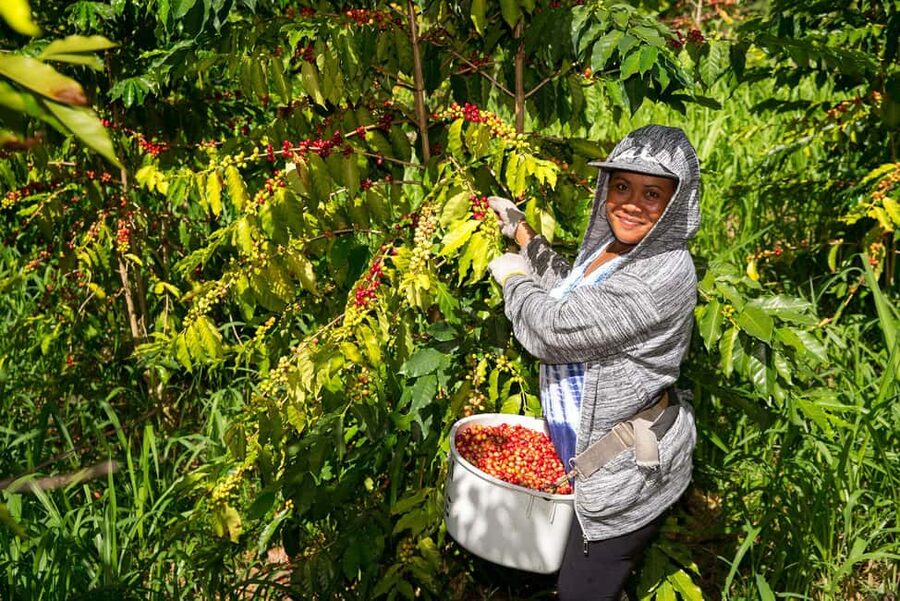
- Orchard walk with cherries: You’ll see the crop at a stage when you can spot ripe red coffee cherries.
- Harvesting to roasting, explained: Expect a clear chain from picking to roasting steps and why they matter.
- Sustainable farming angle: The guide talks about how the estate approaches sustainability.
- Tasting as the payoff: The tour ends with a guided session of Hala Tree’s premium Kona coffee.
Your 1-Hour Plan on the Hala Tree Coffee Farm
This is the kind of tour that fits neatly into a Kona day. At about one hour, it’s designed to get you out to the coffee growing area, give you the key ideas behind Kona production, and then get you tasting while it’s all fresh in your mind.
That short timing is actually a strength. If you’re also juggling beaches, viewpoints, and dinner plans, you don’t have to block off half a day to learn what makes Kona different. You just show up, walk the grounds, listen, and then taste.
Because the duration is tight, don’t treat this like a casual “wander and vibe” stroll. It helps to come ready to ask questions or at least pay attention during the roasting and harvesting explanation—those are the parts that make the tasting more meaningful.
Finding the Meeting Point Near Kona Without Stress
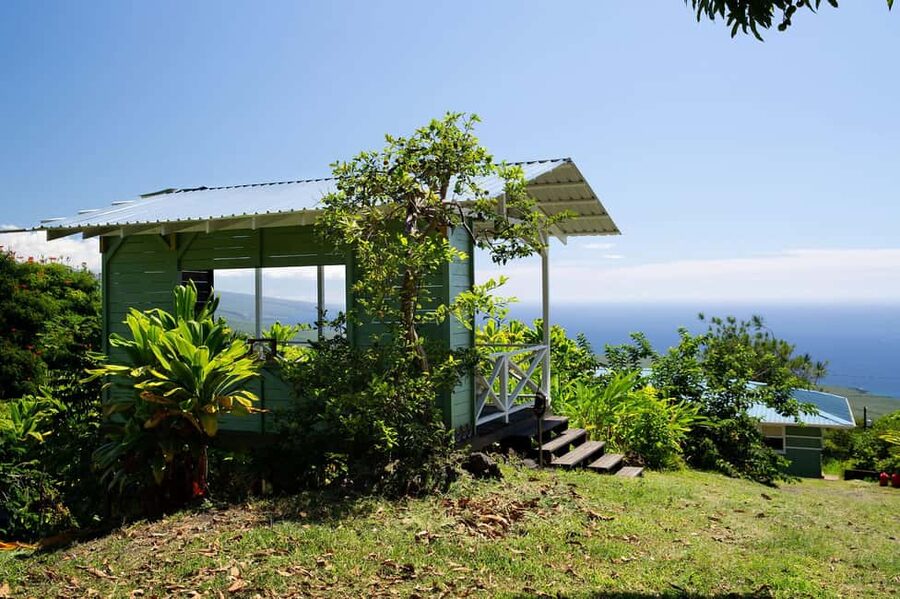
Logistics are simple, but you’ll want to follow them closely. If you’re coming from Kona, take Hwy 11 to Mile marker 109. When you see a blue sign for Bile First Mission Church, go up the road. The farm is just above the church.
I like this kind of direction because it’s specific enough to reduce guesswork. Still, take your time with the drive and arrive a few minutes early so you’re not trying to park while the guide is ready to start.
Also, do remember you’ll be outdoors in Hawaii. Even when the tour is short, comfort matters. Wear closed-toe shoes for walking between orchard rows, and consider light sun protection.
What You’ll See in the Coffee Orchards (Including the Red Cherries)
The tour’s heart is the orchard walk. You’ll move through coffee plants and get a close look at ripe red cherries. Seeing that fruit in person helps you understand that coffee starts as a berry, not a bag of beans.
Here’s what that changes for most people: it stops coffee from being an abstract product. Once you’ve seen the cherries, “harvesting” isn’t just a word—it becomes a real timing decision. Coffee cherries don’t ripen all at once, and that ripeness stage matters for flavor.
The plants are part of the story, too. Coffee farming in Hawaii isn’t like an indoor operation or a factory line. You’re seeing an agricultural system shaped by island conditions, with rows and growth that look built for shade and careful care.
How Harvesting and Roasting Get Explained on the Walk
After you’ve had time to look around the orchard, the guide shifts into how the work actually happens. You’ll learn about the processes involved in harvesting and then the steps that lead into roasting.
This is where the tour earns its keep. A lot of coffee tours jump straight to taste and skip the “why.” Here, you get the chain of work: harvesting choices influence what ends up in the roaster, and roasting influences what you detect in the cup.
Even if you’re not a coffee nerd, you can still connect the dots. For example, once you understand that coffee is transformed by heat, you’ll taste with more intention. You’ll notice aroma more clearly, and you’ll start picking up how roasting affects flavor.
I also like that the tour includes the “art” side of roasting. That matters because Kona coffee is often discussed as a premium product—and the story behind premium is usually a mix of farming care and roasting technique.
The Sustainable Farming and Estate Story You’ll Hear
The guide includes a section on sustainable coffee production and the estate’s history. You should expect a straightforward explanation rather than a lecture.
This matters because Kona coffee isn’t just a crop; it’s tied to how people farm on an island. Sustainability isn’t just a buzzword here—it connects to long-term care of plants and how an estate can keep producing quality.
If you care about ethical food choices, this part will help you understand where your cup fits. If you don’t, you’ll still benefit because it adds context for why the farm is taking care with its methods.
And because it’s a guided tour, you can ask questions if something feels unclear. The key is that the sustainability talk supports the rest of the experience instead of floating off on its own.
The Tasting Session: Turning Lessons Into Flavor
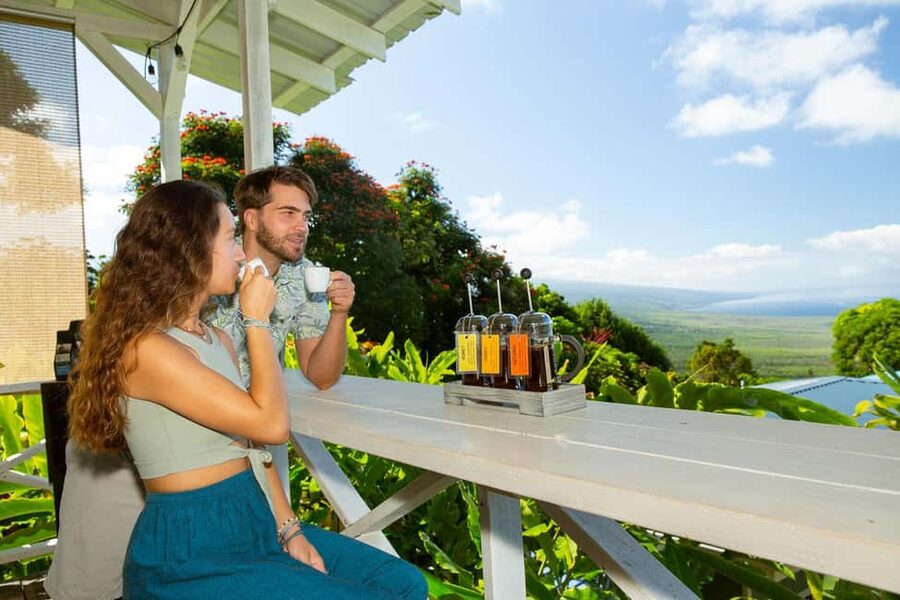
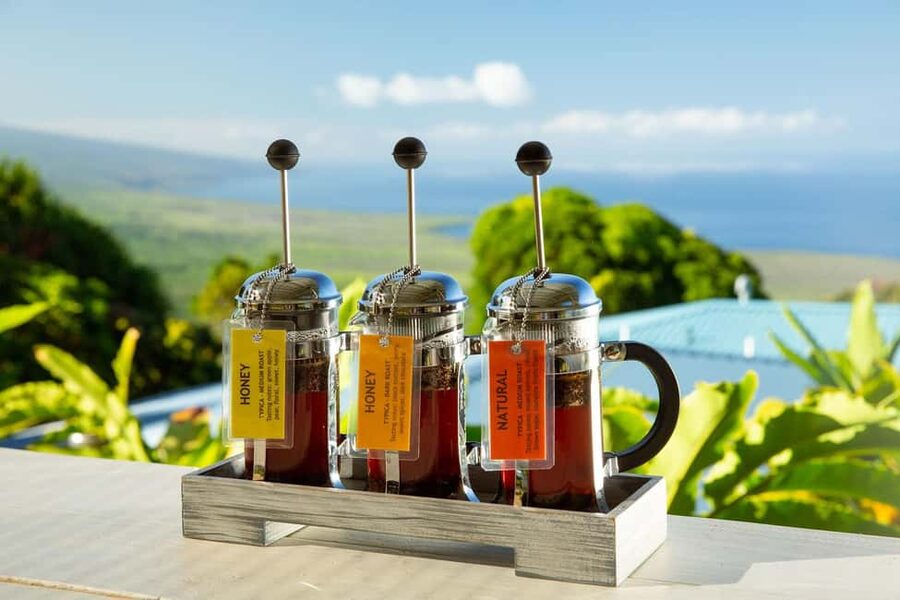
The tour finishes with a tasting of Hala Tree’s premium Kona Coffee. This is where everything becomes practical.
Tasting is more than “take a sip.” It’s when you start translating orchard sights and roasting talk into sensory cues. Coffee aroma hits first, and once you’re aware of roasting and freshness, it’s easier to detect differences in smell and taste.
You’ll likely understand your own preferences faster, too. Some people expect Kona to taste like a single predictable profile. After a short roasting explanation, you’ll usually realize it’s more nuanced—depending on how the beans were processed and roasted.
If you’re bringing family, this is also the moment that makes the hour feel worth it. One reason this tour works well for kids is that it’s not only sitting and listening. You see plants, then you reach the payoff moment of tasting and smelling.
Best For Who: Families, Coffee Curiosity, and Short-Plan Days
This tour makes the most sense if you want a low-commitment, high-learning experience. The 1-hour pace is ideal when you’re doing multiple Kona activities and you want coffee to be one of them, not the whole day.
It’s a good fit for:
- Families who want a simple, educational stop that doesn’t drag on
- Coffee beginners who want real context behind the cup
- Travelers who like small farms and a personal-feel guide-led walk
- Anyone who’s curious about how harvesting and roasting connect to flavor
If you’re a serious coffee professional expecting deep lab-level details, you might find it lighter than a technical course. But if your goal is understanding Kona coffee and getting a tasting right after, the format fits.
Price and Value: Why $10 Can Work Surprisingly Well
At $10 per person, this is a value play—especially for a guided farm tour that includes a tasting. The best part isn’t just the price; it’s what’s included for that time: orchard walk, sustainability and process explanations, and a tasting of premium Kona coffee.
A lot of paid experiences charge more for less. Here, the time is short, but the content is stacked: you get visuals (cherries and orchard rows), process talk (harvesting and roasting), and then the tasting to wrap it all up.
So even if you’re not sure coffee tours are your thing, this is a reasonable try. The price is low enough that it won’t feel like a big gamble, and the hour format reduces the risk of it feeling “too much” during a busy vacation.
Practical Tips That Make the Hour Better
- Wear comfy shoes for walking between rows. Even on a farm, uneven ground can happen.
- Bring sun protection. Kona outdoor time can add up fast even when you’re not outside for long.
- Go in with one question ready. Something like how harvesting ripeness affects flavor can turn listening time into useful knowledge.
- If you’re with kids, keep expectations simple: this is part farm walk, part fun moment, part tasting.
And if you’re the kind of person who likes a souvenir, treat tasting as your decision tool. You’ll get a clearer sense of what you personally want to buy (or not buy) after experiencing the flavor in context.
Should You Book Hala Tree’s Coffee Farm Tour?
If you want a short, guided Kona coffee experience that combines orchard time, process lessons, and an actual premium coffee tasting, I’d book it. It’s especially smart for families and for travelers who don’t want to lose half a day to a tour that forgets to end with the best part—the cup in your hand.
Skip it only if you’re hunting for a long, in-depth plantation program or a very technical roasting class. For most people, though, one hour on a Kona coffee farm is a clean way to understand what you’re tasting and why it’s worth caring about.
FAQ
What is the duration of the Hala Tree Coffee Farm Tour?
The tour lasts about 1 hour.
How much does the tour cost?
The price is listed as $10 per person.
Where do I meet for the tour if I’m coming from Kona?
Take Hwy 11 to Mile marker 109. Look for the blue sign for Bile First Mission Church, then go up the road. The farm is just above the church.
Is the tour guided?
Yes, it’s a live guided tour with an English-speaking guide.
Do I get coffee tasting as part of the experience?
Yes. The tour includes a tasting session of Hala Tree’s premium Kona Coffee.
What will I see during the orchard walk?
You’ll stroll through the coffee orchards and can see ripe red coffee cherries.
Does the tour focus specifically on Kona coffee?
Yes. It’s centered on 100% Kona Coffee.
Will I learn about roasting?
Yes. You’ll learn about the processes involved in harvesting and roasting as part of the guided experience.
Is sustainability covered during the tour?
Yes. The tour includes insights into sustainable coffee production and farming practices.
Is there free cancellation?
Yes. You can cancel up to 24 hours in advance for a full refund.