REVIEW · TRIESTE
Lipica Stud Farm and Škocjan Caves from Trieste
Book on GetYourGuide →Operated by KoperTrips · Bookable on GetYourGuide
Lipica and Škocjan Caves make a very odd couple, in the best way. You start with Lipizzan white horses in their home landscape, then you switch to limestone magic at UNESCO-listed Škocjan Caves and the Karst region’s underground canyon. It’s a strong change of pace for a single day: animals first, then big cave scale, then a walk in an open-air park.
What I like most is the grounding of Lipica: you’re not just seeing horses behind a fence. You walk through the stables, visit the Lipikum Museum, and get a sense of why this breed is tied to place and tradition. Then you hit the caves and get real structure: giant stalactites, water rapids, lakes, and that headline view from a bridge about 40 meters above the underground river.
One thing to plan for: this is not a sit-everywhere day. The cave route involves a lot of walking, and you should expect stairs or a climb depending on the exact flow that day. If you’re tight on time or mobility, you may find the pacing a bit intense.
In This Review
- Key points to know before you go
- Lipica Stud Farm: Horses, meadows, and a change of pace from Trieste
- Stables and Lipikum Museum: Where the Lipizzan story clicks
- Škocjan Caves: UNESCO scale you can feel in your bones
- Škocjan Caves Park: An open-air layer of Karst culture and geology
- Price and Logistics from Trieste: what $133 buys you
- The human factor: why the guide matters on cave days
- Who this Lipica and Škocjan day trip fits best
- Should you book this trip?
- FAQ
- FAQ
- How long is the Lipica Stud Farm and Škocjan Caves day trip?
- What language is the tour guide?
- Where is pickup in Trieste?
- What’s included in the price?
- Is food included?
- What are your cancellation and payment options?
Key points to know before you go
- Lipica’s Lipizzan connection feels immediate as you move from fairytale meadows to stables and the museum
- You get the big Škocjan highlights, including the underground canyon experience and a high bridge view
- The Škocjan Caves Park walk adds context beyond the main cave tour, with unspoiled nature
- English live guidance keeps it coherent across two major sites
- Entrance fees and Trieste pickup are included, so you can budget fast and move on with your day
- Food isn’t included, so build in a plan for snacks or lunch nearby
Lipica Stud Farm: Horses, meadows, and a change of pace from Trieste
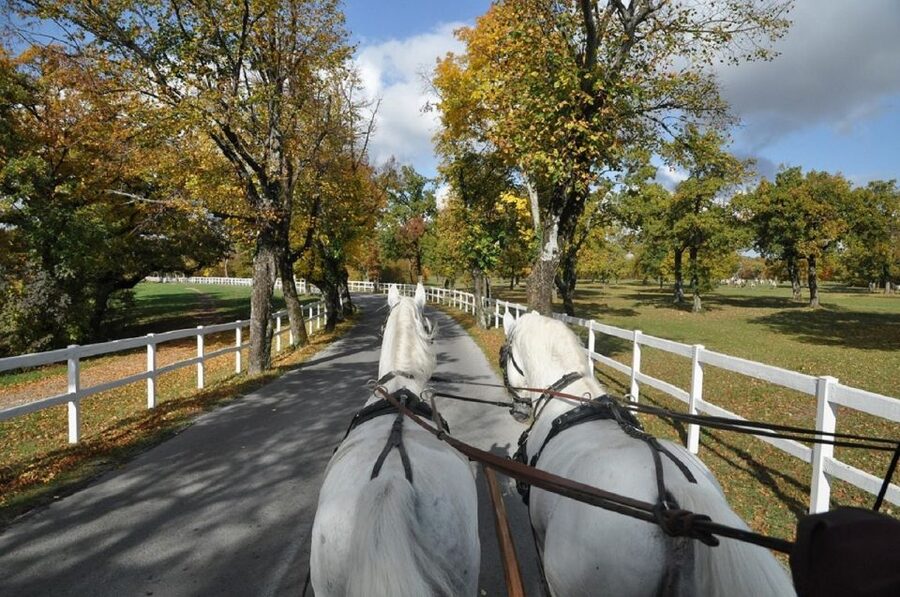
Trieste is all light and sea energy. Lipica feels like you’ve crossed into something slower and more grounded. The stud farm sits in Slovenia in a natural setting of fairy-meadow vibes, with oak and chestnut trees shading parts of the experience. That matters because Lipica isn’t presented like a city attraction; it’s presented like a working place with a strong identity.
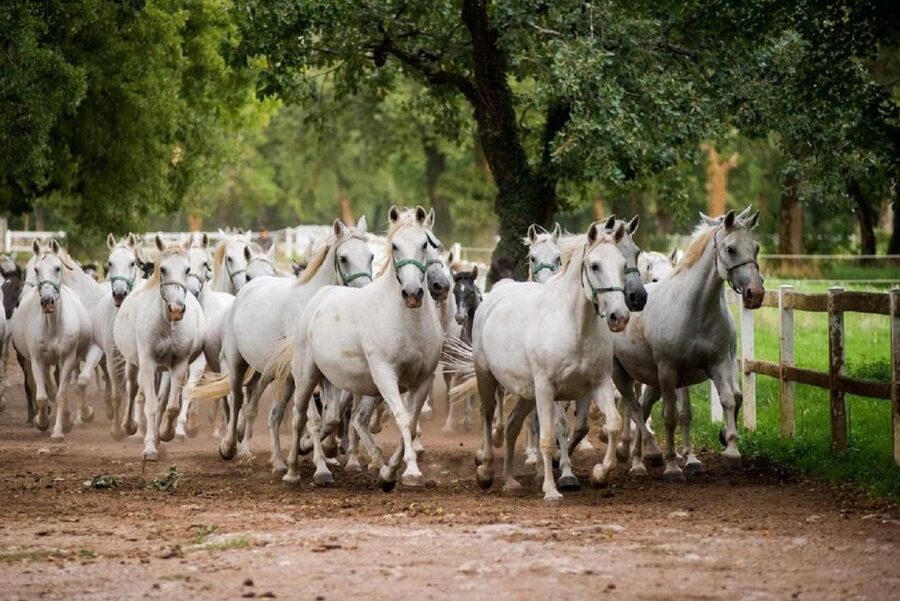
At Lipica Stud Farm, you’ll step into the world of the Lipizzan horse, including the idea that this stud farm is one of the oldest in the world and represents the breed’s origin. That doesn’t mean you’ll sit through a lecture. It means your time starts with the animals in their real environment, then continues with the human story in the stables and museum.
This part of the day also works even if you’re not a horse person. You’ll still recognize what makes Lipica special: it’s not about rushing to a single photo spot. You have time to actually look—at how the stables are organized, and how the horses live in a landscape that clearly shaped them.
You can also read our reviews of more tours and experiences in Trieste.
Stables and Lipikum Museum: Where the Lipizzan story clicks
Lipica isn’t only scenery. A big part of the value here is that you get more than a glance. You’ll walk through the stable area and then visit the Lipikum Museum, which focuses on the stud and the Lipizzan breed.
What I find useful about this setup is that it gives your horse sightings a framework. When you understand what the stud farm represents, the horses feel less like a novelty and more like living heritage. The museum also helps you connect what you’re seeing—white horses in a specific setting—with the broader idea of origin, tradition, and care.
In practical terms, this is also where the day can feel comfortable. The museum stop tends to be a nice pacing reset before you shift to an underground environment. If your day is building up into cave walking, having something indoors or quieter for a short time helps your energy.
Also, if you’re the kind of person who likes details—names, systems, how a place works—Lipikum is the part that rewards that instinct. You leave with a clearer sense of why Lipica exists as a destination in the first place, not just a stop on a route.
Škocjan Caves: UNESCO scale you can feel in your bones
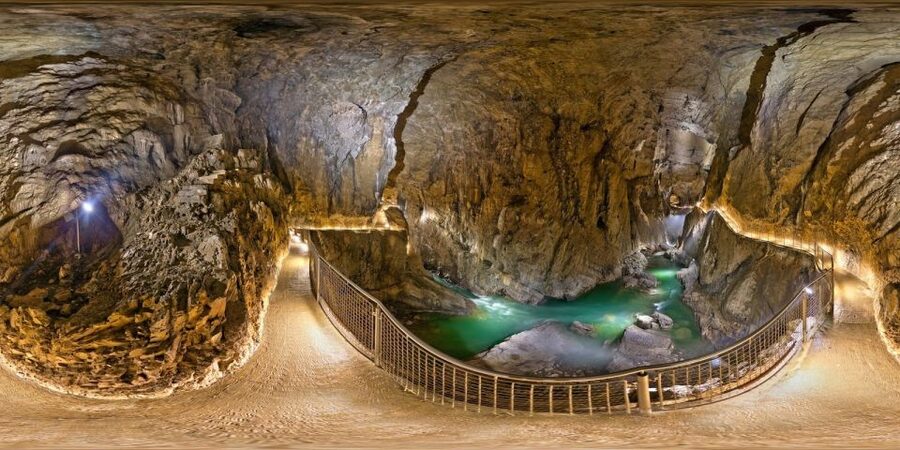
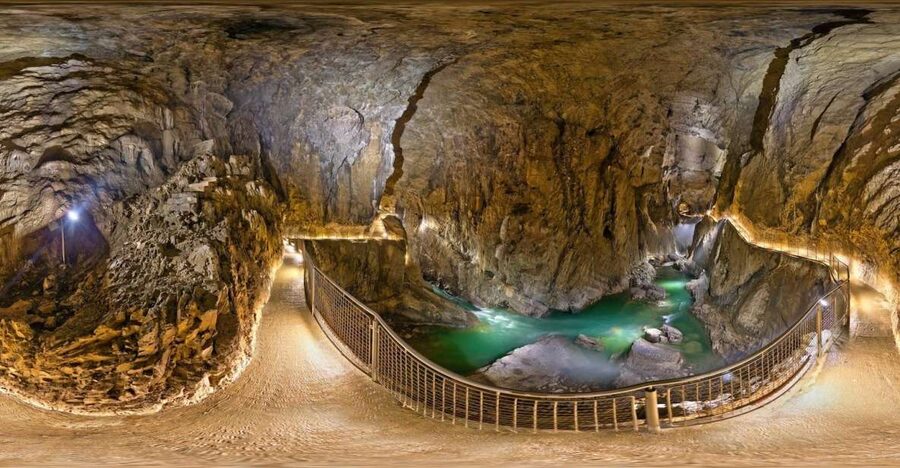
Then you go underground. Škocjan Caves aren’t just “nice caves.” This cave system, paired with the underground stream of the river Reka, is described as one of the most important natural phenomena of the Karst region—and one of the largest underground canyons in the world. It’s on UNESCO’s list since 1986, which is your clue that the caves are more than local sightseeing.
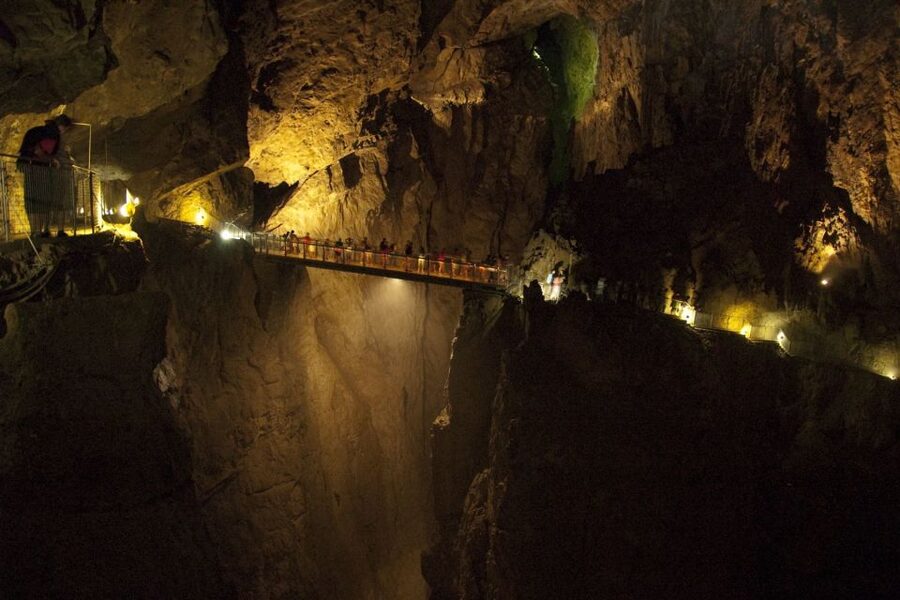
Inside, the experience focuses on major visual moments: giant stalactites, water rapids, and beautiful lakes. The overall vibe is colored underground world energy—dark, wet, dramatic—but with specific things to look for rather than vague rock formations.
The headline moment is the bridge: you walk across a bridge situated about 40 meters above the underground river. That height changes the way you perceive the canyon. Instead of just feeling like you’re in a hole in the ground, you get the scale of the underground space and the river’s power below you.
One note to take seriously: the cave tour involves a lot of walking, and there can be climbs or a long stretch of steps depending on conditions. I’d treat Škocjan as a moderate walking commitment. If you know you dislike long stair sequences, you should factor that in before you book.
Škocjan Caves Park: An open-air layer of Karst culture and geology
After the main cave portion, you don’t just pop back up and leave. You also visit the Škocjan Caves Regional Park, which functions like an open-air museum. This is where the value grows for people who like nature plus context.
The park is known for ethnological, karstological, geological, and archaeological monuments—plus natural and cultural heritage. Translation: you’ll be walking through a landscape that explains how caves and people connect in the Karst region. It’s not a theme park stroll. It’s more like reading the land while you move through it.
I like this added layer because it prevents the day from feeling like a one-dimensional checklist. Caves can be wow-factor only if that’s all you do. The park walk helps the story land in your head: caves are part of a broader environment, and that environment has meaning beyond the underground route.
You’ll also appreciate the contrast with the cave interior. Outside, you can breathe, reset your legs, and enjoy unspoiled nature in a calmer rhythm than the cave’s steady walking pace.
Price and Logistics from Trieste: what $133 buys you
This is a paid day trip at $133 per person for about 6 hours. You might wonder if that’s too much for a day. Here’s why I think it’s fair, and when it might not be.
Good value when:
- you’re getting both entrance fees (Lipica plus Škocjan)
- you’re getting hotel/port pickup and drop-off in Trieste plus a driver/guide
- you don’t want the hassle of coordinating two big sites on your own
The included items cover the stuff that usually makes “cheap on paper” trips expensive in real life: transport time across borders, timed entry uncertainty, and the cost of access to major attractions.
Not included:
- Food and drinks. That’s the one clear missing piece. Plan on buying something once you’re there, or bring a snack if it helps you avoid getting hungry at the wrong moment.
Pickup specifics matter too. If you’re staying in Trieste, pickup is at a centralized meeting point in front of the main entrance to Hotel Savoia Excelsior Palace at Riva del Mandracchio, 4, near Piazza Unità d’Italia. If you’re arriving by cruise, pickup is at the cruise terminal where your ship docks. That clarity is helpful because it reduces the chances of you losing time at the start.
As for schedule, the duration is fixed at 6 hours, but starting times vary by availability. So if you have a tight itinerary in Trieste, check your time window early and don’t leave this until the last day.
The human factor: why the guide matters on cave days
On a trip like this, the guide affects more than facts. It affects flow—when you slow down, how you move through crowds, and how you pace the walking so you don’t finish exhausted.
You’ll have a live English guide, which is a big plus when you’re moving from stables to a UNESCO cave system. At Lipica, you want context. In Škocjan, you want the right kind of explanation at the right moment, like when you’re seeing the canyon scale near the bridge. A good guide keeps those moments from turning into just photo stops.
Even the names coming up in feedback point to this. Guides such as Ernest have been highlighted for making the day enjoyable, and Hermes has been noted for creating a magical morning around Lipica. I’d treat that as a sign: this trip can feel smooth when the guide is paying attention, not just reading a script.
Insurance is included as well, which is always a comforting safety net when your day includes longer walks and changing environments.
Who this Lipica and Škocjan day trip fits best
This day trip is ideal if you want a mix of nature, animals, and a serious wow-factor sight without spending multiple days on logistics. I think it especially fits:
- horse lovers who also want more than a quick look
- people who like UNESCO sights that are still very physical and sensory
- travelers using Trieste as a base who don’t want to plan two separate excursions
It’s less ideal if:
- you have trouble with long walking routes or stairs, since Škocjan can involve a lot of movement and possible climbing
- you prefer slow travel with lots of free time at each stop (this is a packed 6-hour structure)
- you need a food-included day—because you’ll have to manage meals yourself
Also, if you’re the type who likes lingering, you might feel you want more time at Lipica after the museum and stables part is done. That’s not a deal-breaker, but it’s good to know going in.
Should you book this trip?
If your goal is a single, well-structured day from Trieste that delivers two headline experiences—Lipizzan heritage at Lipica and the UNESCO canyon spectacle of Škocjan Caves—this is a strong booking. The included entrance fees and pickup value the day, and the English live guide keeps both sites connected instead of feeling like two random stops.
My main caution is the walking. If you can handle a long cave experience plus a park walk, you’ll likely love the variety and the scale. If you’re sensitive to stairs or long stretches, consider whether another Trieste-only day might feel kinder.
Overall: book it if you want horses in a real landscape and caves that genuinely change your sense of scale.
FAQ
FAQ
How long is the Lipica Stud Farm and Škocjan Caves day trip?
The duration is 6 hours.
What language is the tour guide?
The tour has a live guide in English.
Where is pickup in Trieste?
Hotel guests are picked up at a centralized meeting point in front of the main entrance to Hotel Savoia Excelsior Palace, Riva del Mandracchio, 4, near Piazza Unità d’Italia. Cruise passengers are picked up at the cruise terminal in Trieste.
What’s included in the price?
Included are the Lipica Stud Farm entrance fee, Škocjan Caves entrance fee, hotel/port pick-up and drop-off, driver/guide, and insurance.
Is food included?
No. Food and drinks are not included.
What are your cancellation and payment options?
You can cancel up to 24 hours in advance for a full refund, and you can reserve now and pay later.