REVIEW · CABO SAN LUCAS
Los Cabos: Azteca Cactus Taco Farm to Table Cooking Class
Book on GetYourGuide →Operated by Dharma Expeditions · Bookable on GetYourGuide
Nopal cactus turns dinner into a field lesson. This Los Cabos cooking class is interesting because you start 35 miles north of Cabo San Lucas on a real ranch, then harvest nopal yourself and turn it into tacos. I also love that the day ends with a Pacific sunset walk, so you get food plus a sense of place beyond Cabo’s main strip.
What makes it work especially well is the small group feel (limited to 6) and the live guidance of Danny, who keeps the pace lively while explaining how the ranch fits into local life. One possible drawback: it’s not suitable for people with mobility impairments, and the day includes ranch activity and walking.
In This Review
- Key Highlights Worth Your Time
- From Cabo Pickup to a Ranch 35 Miles Out
- Meet the Animals, Learn the Ranch Rhythm
- The Nopal Harvest Lesson: Food With a Purpose
- Turn Your Harvest Into Cactus Tacos
- Tortillas, Salsa, and the Ranchero Family Table
- The Beach Walk: Plants, Animals, and Ancient Survival
- Sunset on the Pacific: A Calm Ending
- Price and Logistics: Is $95 Worth It?
- Who This Tour Fits Best
- Should You Book the Los Cabos Nopal Taco Farm-to-Table Class?
- FAQ
- What is the duration of the cooking class?
- Where does the pickup happen?
- How many people are in the group?
- What languages is the guide available in?
- What’s included in the price?
- Are drinks included?
- What do we do during the class?
- Who should not book this experience?
Key Highlights Worth Your Time
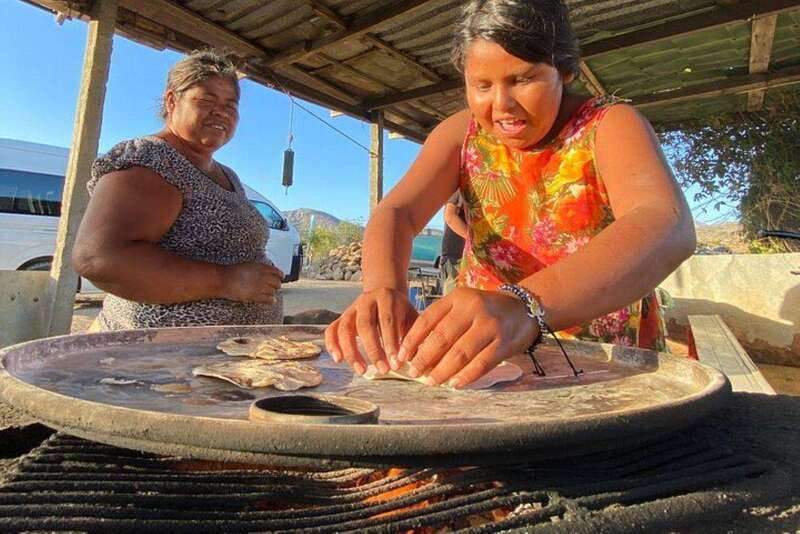
- Prickly nopal harvest hands-on on a working Baja ranch
- Craft your own tortillas and taste them warm with your meal
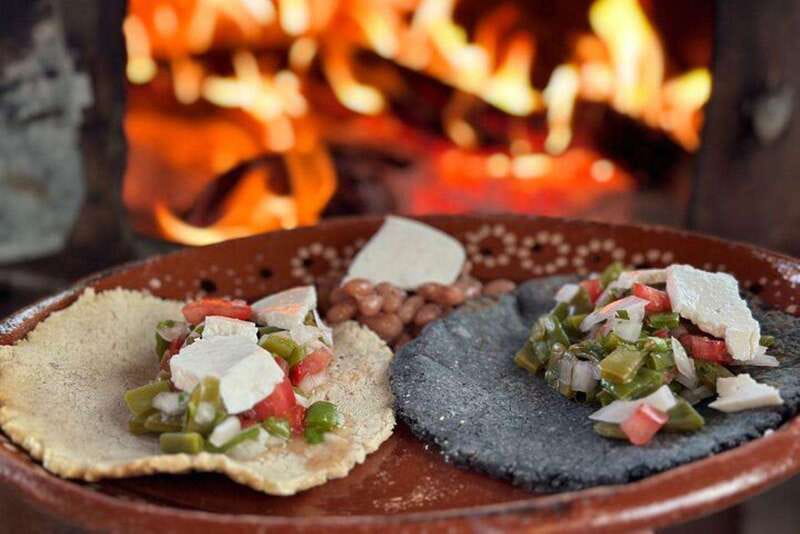
- Spicy salsa and cactus tacos made from what you harvested
- Ranchero family meal served at the end of the cooking work
- Pacific coast sunset walk that turns the trip into a full evening
From Cabo Pickup to a Ranch 35 Miles Out
This is a farm-first day, and you’ll feel it from the start. Your tour begins with hotel pickup and drop-off, but only within the Cabo San Lucas area. After that, you ride out to a local ranch about 35 miles north of town, far enough that Cabo’s resort rhythm fades fast.
The timing matters here. With a total duration of about 4.5 hours, the day is built to move. You’re not spending half the trip in a van with nothing happening. Instead, the transportation is basically a connector between three parts of the experience: farm life, cooking, and coastal walking.
You’ll also want to plan for being active in the middle. This isn’t a “watch from the shade” class. You’ll get hands-on with harvest and food prep, and later you’ll take a natural beach walk tied to local plants and animals. If you’re someone who wants only light activity, it’s worth checking whether the ranch and beach portions fit your comfort level.
Meet the Animals, Learn the Ranch Rhythm
Before the cooking starts, you’ll get your bearings with local ranch life. The ranch visit includes time around native animals—goats are part of the experience—so you can see the farm isn’t just a stage for visitors. It’s a functioning place where animals and plants belong to the same daily routine.
This part is more than cute farm photos. It sets up the main idea of the day: food in Baja isn’t something that appears in a grocery package. It comes from plants that know how to survive here. Nopal cactus is built for this climate, and once you see it on the ranch and learn how it’s handled, the later cooking feels practical instead of symbolic.
It also helps that the group is small. With up to 6 participants, you’re more likely to get questions answered and to hear the guide’s explanations without competing with a big crowd.
The Nopal Harvest Lesson: Food With a Purpose
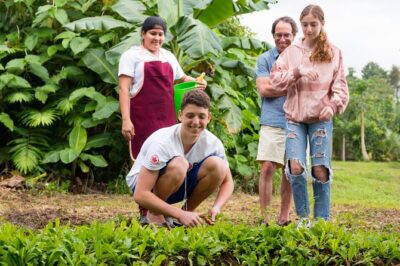
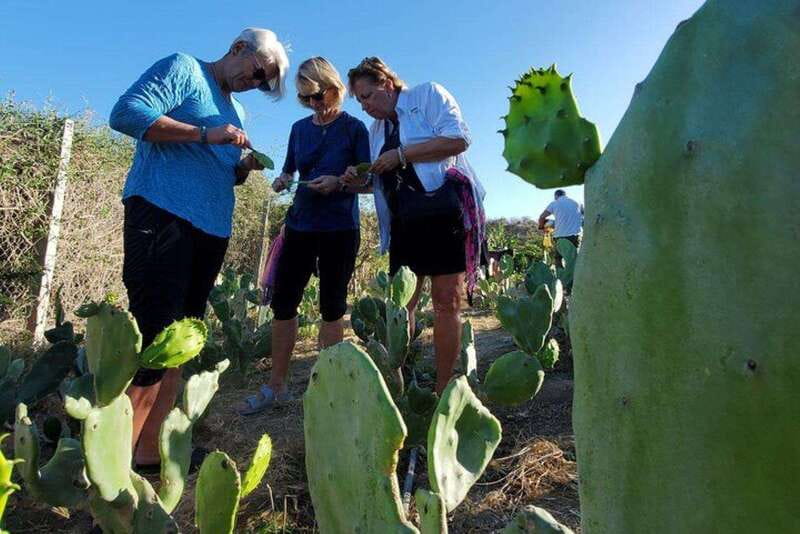
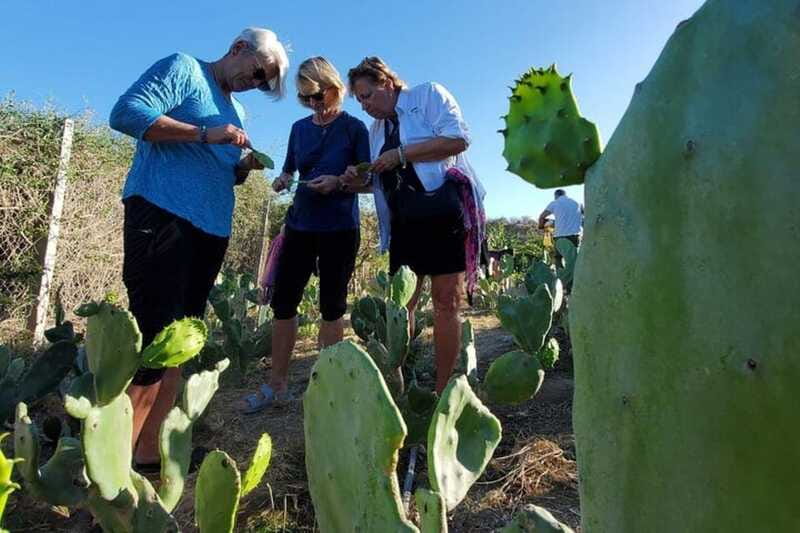
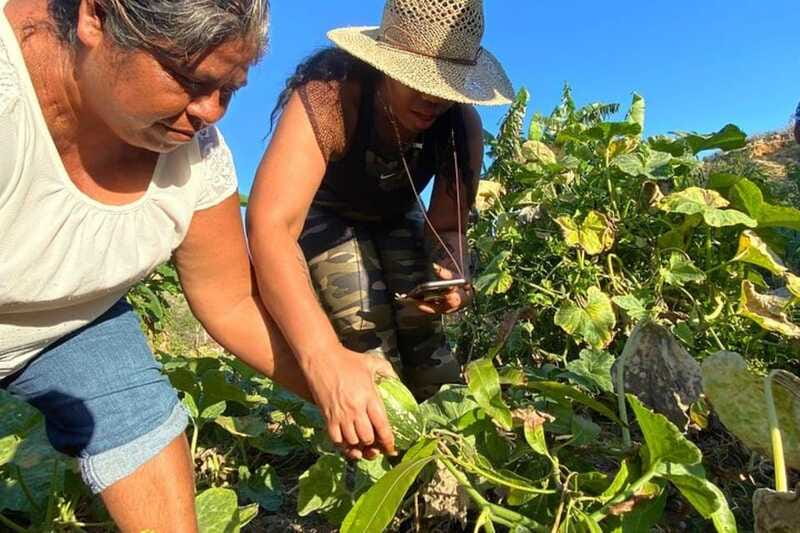
Now for the highlight: the harvest class focused on prickly nopal cactus. You’ll learn what nopal is used for in Mexican cuisine and why it’s such an important plant in the region.
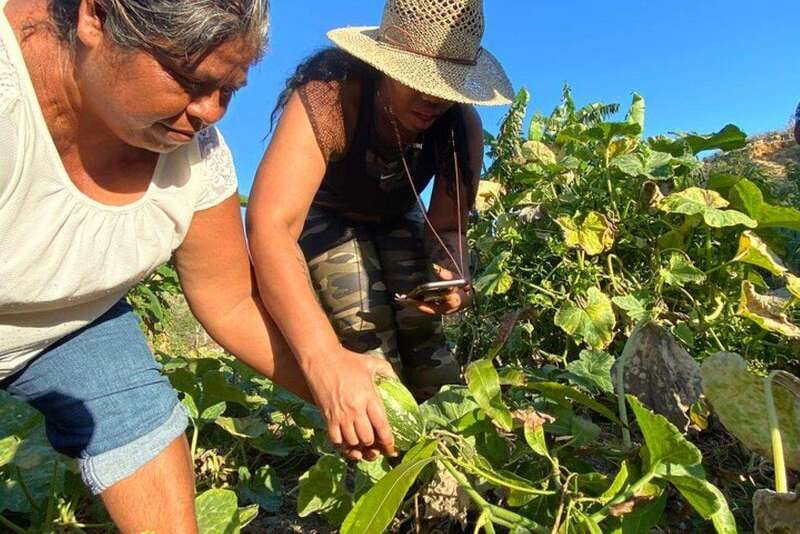
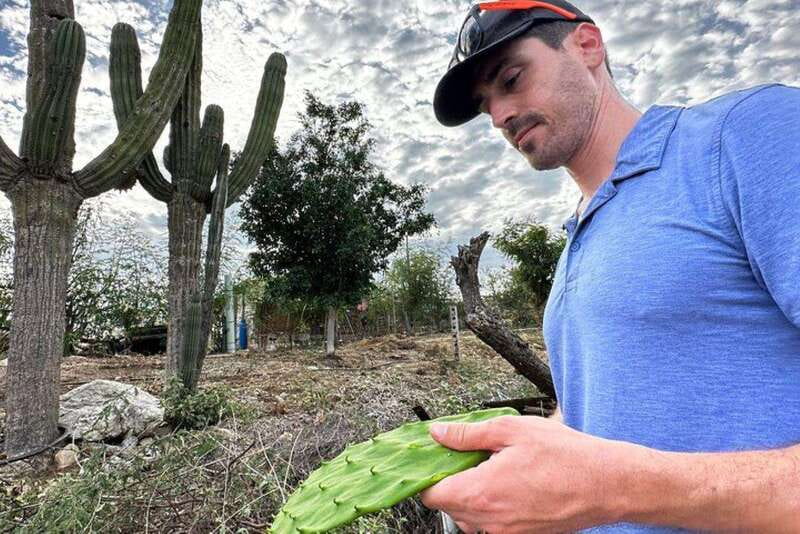
The best part is that you’re not just hearing facts. You’re harvesting as part of the lesson. That turns nopal from a concept into something you understand with your hands—how it’s collected, what to look for, and why it ends up on a plate.
After harvesting, you’ll also get a history lesson about the plant. This matters because nopal isn’t a modern “health trend.” It has a long relationship with Mexican food and survival in dry conditions. You’ll come away understanding why it belongs on the dinner table even when resources are limited.
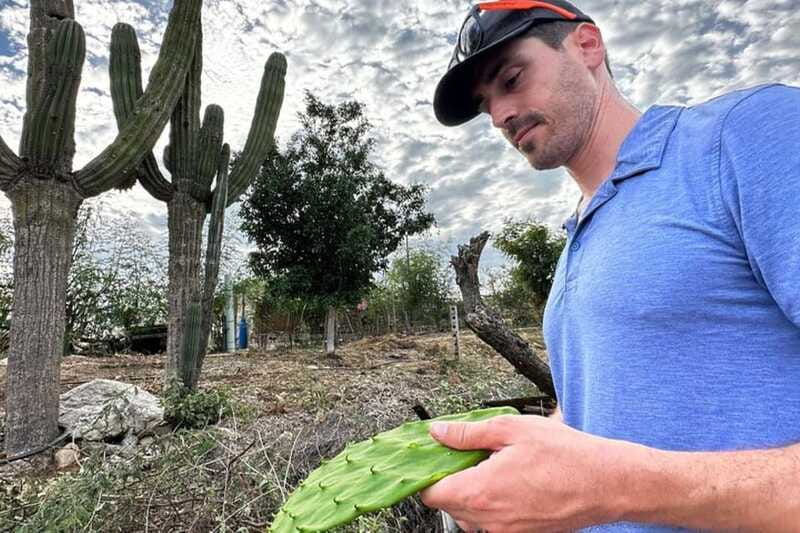
One practical note: nopal is spiky. Even if the guide keeps things safe and controlled, you should still expect a hands-on activity that requires attention. Wear clothes you don’t mind getting ranch-dust on, and consider closed-toe shoes.
Turn Your Harvest Into Cactus Tacos
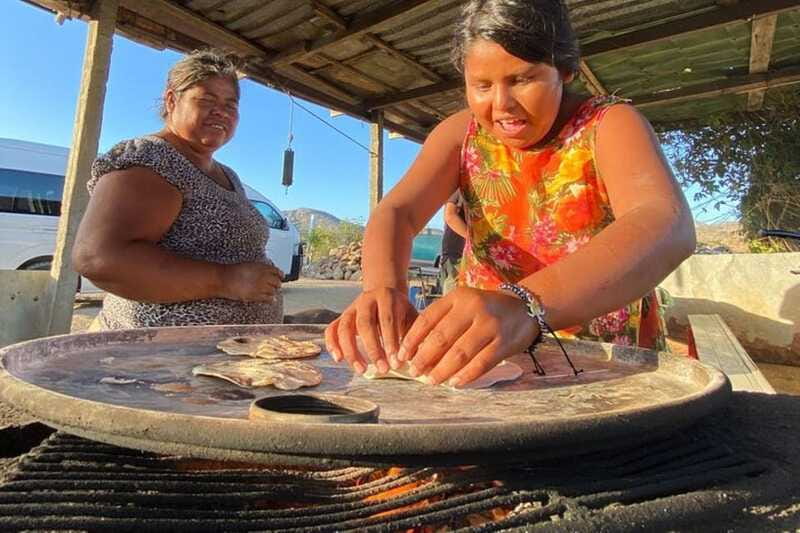
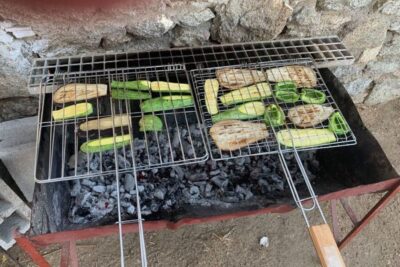
Once your nopal is harvested, it’s cooking time with a Baja chef. The class shifts from farming to technique, and you’ll turn your own harvest into cactus tacos.
Along the way, you’ll learn the flow of a real cooking session: prep steps, cooking steps, and how different components work together. The goal isn’t just to leave with a tasty meal; it’s to leave with a process you can repeat at home, even if your home garden does not include a Baja cactus farm.
The meal includes a few key personalized touches:
- You craft your own tortillas, which makes the tacos feel like yours, not a preset order.
- You taste spicy salsa as part of the experience, so you can adjust your own comfort level in your head and actually learn what adding heat changes.
This part is also where the small group format pays off. You get more coaching time, and it’s easier to ask quick questions without feeling rushed.
Tortillas, Salsa, and the Ranchero Family Table
After the cooking, you sit down with the Ranchero Family as your meal is served. This is where the day moves from activity to hospitality.
I love this setup because it avoids the “demo then goodbye” format. Instead, you see the meal as something shared. You’re eating in a family context, which makes the food lessons feel rooted in daily life, not just in a classroom.
You’ll likely notice the same theme people rave about in their feedback: the warm hospitality. Whether the conversation is about farm life, ingredients, or just laughs, you get the sense that your presence matters—not as a customer, but as a guest learning how people actually live around the ranch.
And yes, you’re eating what you helped make. That single detail is a value booster. At $95, you’re paying for the structure, the guide, the materials, and the experience, but you’re also leaving with real food knowledge tied to labor you participated in.
The Beach Walk: Plants, Animals, and Ancient Survival
After lunch and the tortilla-and-taco work, the itinerary includes an interpretive natural beach walk. This is where the day broadens out from the farm to the local environment.
The walk focuses on local flora and fauna and how they’ve mattered since ancient times. You’ll get explanations that connect what you see on the shore with why these plants and animals are part of survival in this region. It’s the same logic as the nopal lesson: nature here isn’t background scenery. It’s part of how people eat and live.
If you’re the type who likes a bit of science mixed into culture, you’ll appreciate that this isn’t only about tacos. It’s a practical way to understand why Mexican heritage includes plants like nopal as core food sources.
Just remember: this is still a walk. Bring sunscreen, water (bottled water is included), and be ready for uneven ground.
Sunset on the Pacific: A Calm Ending
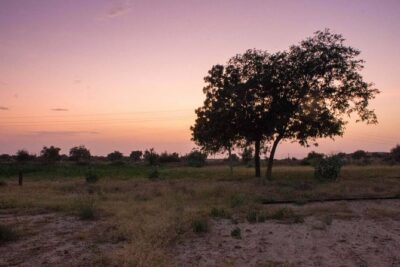
The grand finale is a sunset walk along the Mexican Pacific coast. This part feels like the release valve after a hands-on, sensory few hours. You finish your meal and learning, then switch to the slower rhythm of the coast as the sky changes colors.
For me, the value here is that the day becomes more than a cooking class. Many food experiences end at the table. This one gives you time to reflect, talk, and absorb where you are—without rushing back to another stop.
If your plan in Cabo is mostly restaurants and resort pools, this sunset piece adds a different kind of payoff. It’s also a nice way to see the region beyond the main roads.
Price and Logistics: Is $95 Worth It?
At $95 per person for about 4.5 hours, you’re paying a fair price for a complete package: pickup and drop-off, ranch entrance, the cooking class, an instructor, all materials, and bottled water.
The value comes from three things you don’t get with a typical “class only” experience:
- You harvest the nopal yourself, so the cooking has a real source.
- You make tortillas and salsa, so it’s more than watching.
- You eat with a local family, which changes the whole tone of the day.
The main extra cost to remember is that drinks are not included. So if you like having bottled water only, you’re covered. If you want other drinks, plan for that.
Logistically, the trip is also limited by where pickup happens (Cabo San Lucas area only). If you’re staying outside that zone, you may need to confirm whether pickup is possible. And since the activity isn’t suitable for mobility impairments, check whether walking and ranch time are realistic for your group.
Who This Tour Fits Best
This experience is a strong match for:
- People who want hands-on Baja food, not a lecture
- Couples and small groups who like meeting families and learning directly
- Travelers who want to escape the most predictable tourist pattern in Cabo San Lucas
It might be less ideal if:
- You want only minimal walking or hands-on farm activity
- You need step-free access due to mobility limitations
- You’re traveling with young kids (it’s not suitable for children under 4)
Should You Book the Los Cabos Nopal Taco Farm-to-Table Class?
I think you should book it if you want a real ranch-to-table day with a clear story arc: harvest, cook, eat, then slow down for the Pacific sunset. The small group size (6 max) and the presence of Danny as a guide make the day feel personal, not rushed.
Skip it if your priority is pure relaxation or if mobility needs make the ranch and beach sections difficult. Also, if you only want a quick food stop, the 4.5-hour structure is active and packed.
If you’re in the Cabo San Lucas area and you enjoy authentic food experiences with a local family focus, this one is a solid value.
FAQ
What is the duration of the cooking class?
The experience runs about 4.5 hours.
Where does the pickup happen?
Hotel pickup and drop-off are provided for the Cabo San Lucas area.
How many people are in the group?
The tour is a small group limited to 6 participants.
What languages is the guide available in?
The live tour guide speaks Spanish and English.
What’s included in the price?
Included are hotel pickup and drop-off, ranch entrance fee, the cooking class, instructor, all necessary materials, and bottled water.
Are drinks included?
No. Drinks are not included.
What do we do during the class?
You harvest prickly nopal cactus, learn about its significance, cook cactus tacos, and make tortillas and spicy salsa as part of the meal.
Who should not book this experience?
It is not suitable for children under 4 years or for people with mobility impairments.