REVIEW · MARTINA FRANCA
Martina Franca: Mozzarella and Pasta Workshop with Farm Tour
Book on GetYourGuide →Operated by Martulli Viaggi - Matera · Bookable on GetYourGuide
Apulia food days get real fast on a farm. This small-group workshop around Martina Franca pairs a hands-on mozzarella and pasta lesson with a farm visit, gardens, and a narrated stop at an ancient church. I especially like the practical focus: you’re not just watching cheese and dough happen, you’re learning the steps. I also like the pacing, because you move from breeding farm to garden to workshop stations instead of sitting through a lecture. The one drawback to plan around: it’s not suitable for wheelchair users or people with mobility impairments, and there’s no transfer included.
If you’re traveling with kids or you like food with a story, you’ll probably enjoy this. In one set of reviews, the guide named Valentina is described as very interesting and kind, and one parent says their son loved it too—young and old friendly. Consider one more thing: you’ll need comfortable shoes and clothes, because the day includes walking on the property and active workshop time.
You’ll also get the language comfort of an instructor who can work in Italian and English. And if you want the payoff, choose the option that includes a tasting of what you made during the workshops.
In This Review
- Key Things I Think You’ll Care About
- A Small-Group Farm-to-Table Day Outside Martina Franca
- Breeding Farm First: How the Day Explains the Food
- Vegetable Garden to Workshop Stations: The Flow Matters
- The Ancient Church Stop: Why It Fits This Tour
- Cheese Factory Tour and Mozzarella Workshop: What You’ll Actually Learn
- Pasta-Making Workshop and Optional Tasting: Build the Meal, Then Eat It
- Price and Value: Is $124.61 Worth It?
- Who This Workshop Fits Best (and Who Might Want Another Option)
- Should You Book the Martina Franca Mozzarella and Pasta Workshop?
- FAQ
- How long is the Martina Franca mozzarella and pasta workshop?
- Is this a small-group experience?
- What languages are the instructor and guide available in?
- Is the tasting included?
- What should I bring?
- Is transportation or transfer included?
- Is it suitable for wheelchair users?
Key Things I Think You’ll Care About
- Max 9 people means you’re more likely to actually get time and attention during the cheese and pasta steps
- Farm-to-table flow: animals and vegetable garden first, then factory/bakery and workshops
- Ancient church stop with commentary adds context without turning the day into a history-only tour
- Optional tasting lets you match your hunger level to your schedule
- No transfer included means you’ll want to plan how to reach the meeting point
A Small-Group Farm-to-Table Day Outside Martina Franca
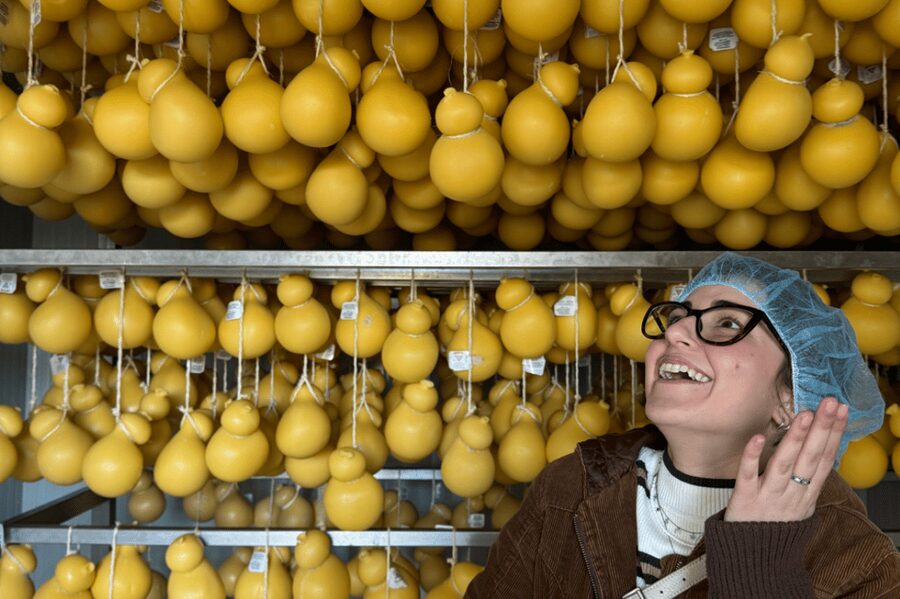
This is a 2.5-hour, small-group experience built around one idea: Apulian food isn’t only a recipe, it’s a system. You start on a working farm where the day’s themes connect—breeding, growing, making, and then eating. With a maximum group size of 9, it tends to feel like a real workshop rather than a show.
Price-wise, it’s listed at $124.61 per person. For that money, you’re paying for more than a cooking class: you’re also getting the farm visits (including the vegetable garden and the breeding farm), a tour of the cheese factory, a cheese-making workshop, a pasta-making workshop, and the guided narration that ties it together. If you add the option with tasting, you’re also paying for an eat-what-you-did moment, which is where these tours become memorable instead of merely educational.
If you don’t like hands-on food activities, this may not be your best match. The tour is designed for participation, so plan on getting involved.
You can also read our reviews of more tours and experiences in Martina Franca.
Breeding Farm First: How the Day Explains the Food
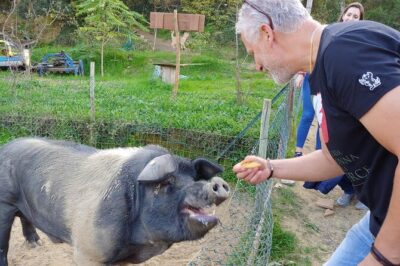
The tour begins at the breeding farm, where your guide introduces the animals and the farm’s sustainable practices. This is one of the smartest ways to start, because it changes how you see mozzarella later. Instead of treating cheese as a standalone product, you’ll understand it as an outcome of animal care and farm management.
You’ll then move through the property, including time in the vegetable garden. That garden stop matters because it reinforces the farm-to-table idea. Even if your main focus is cheese and pasta, seeing the garden in person gives you the context of where farm ingredients fit into the broader food culture of Apulia.
One practical note: since the experience includes active farm walking, wear shoes that can handle uneven ground. The tour specifically asks for comfortable shoes and comfortable clothes—that’s not a suggestion to ignore.
Vegetable Garden to Workshop Stations: The Flow Matters
A lot of cooking classes jump straight to the dough. Here, the itinerary is structured to build momentum: animals and gardens first, then you head toward the making stations. That flow is exactly what helps the lesson stick. You’re not just learning how to shape pasta; you’re learning how a farm day turns into food you can recognize and appreciate.
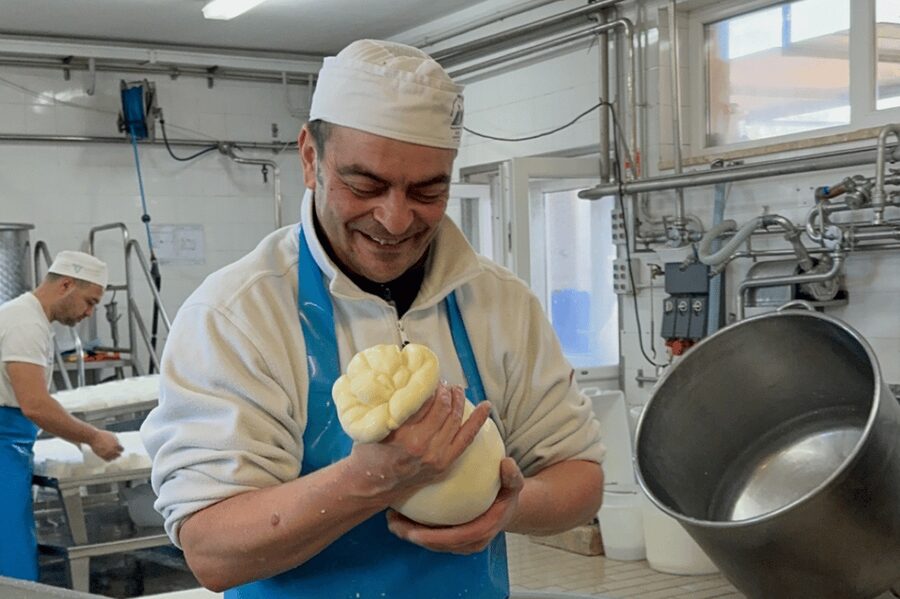
The tour also includes visits to the farm’s cheese factory and bakery. This is where the experience broadens beyond the two most famous outputs: you get to see how production works around the same place you visited earlier. If you love food process—how raw inputs turn into finished goods—this part can be a highlight, because it adds realism to what you’ll do during the workshops.
And because there’s guided narration throughout, you’re not left guessing about the why behind each step.
The Ancient Church Stop: Why It Fits This Tour
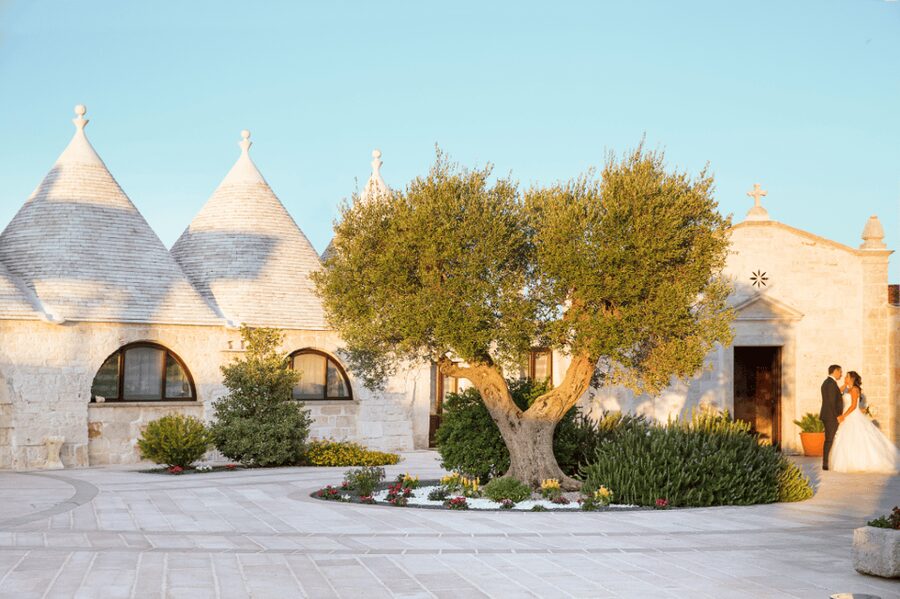
You’ll visit an ancient church during the itinerary, with commentary from the guide. At first, that might sound like a random detour from cheese and pasta. But it works because it anchors the farmstead in place and time. Food culture in Italy isn’t only recipes—it’s also geography, tradition, and community landmarks.
If you like a tour that gives you both flavor and context, this stop adds value without forcing you to sit through a long separate sightseeing program. The church visit is narrated, and it appears integrated into the same guided experience, not tacked on as a separate attraction.
If you’re traveling with someone who hates “history stops,” this may still work because the commentary is tied to the farmstead legacy and the overall itinerary story.
Cheese Factory Tour and Mozzarella Workshop: What You’ll Actually Learn
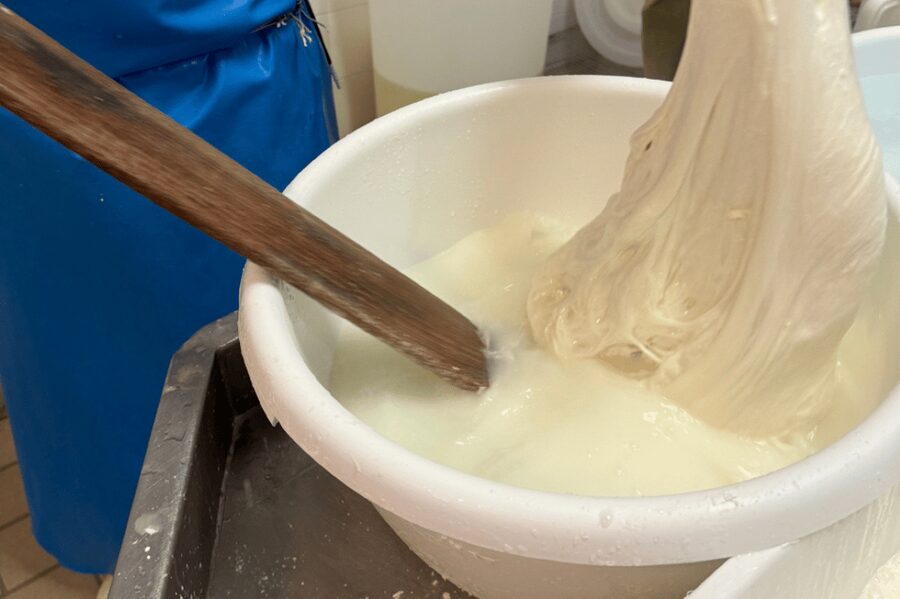
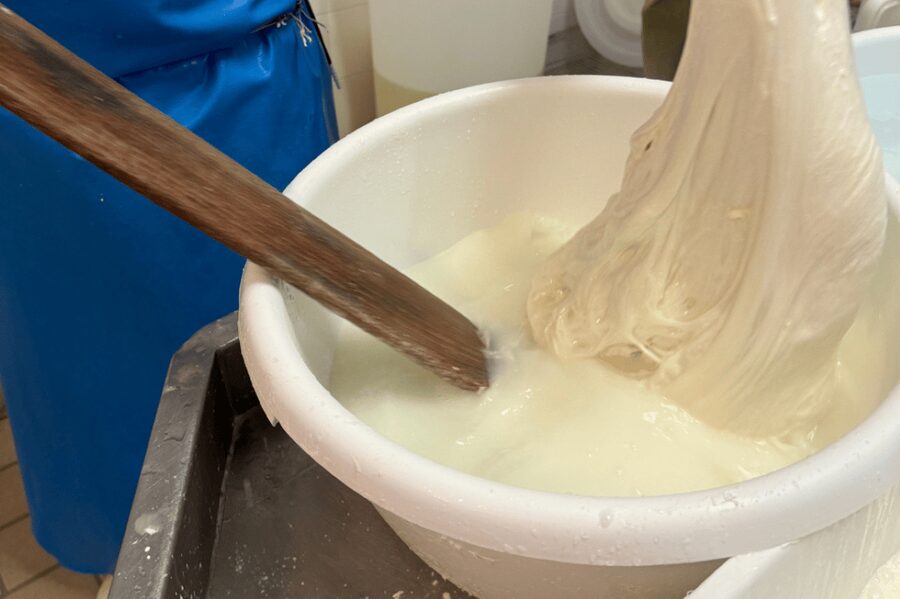
After the farm and garden time, the experience shifts into the production side. You’ll tour the cheese factory, then move into the cheese-making workshop. This is the core reason many people book: you’re learning traditional techniques from local artisans, and you get to participate rather than observe.
Even though the exact technique details aren’t spelled out here, the format is clear: you’ll be guided through the process under instruction. The tour also notes that the instructor speaks Italian and English, so you should be able to follow along even if your Italian is limited.
The best way to get value from the mozzarella step is to treat it like a skill workshop, not a passive tasting event. Ask questions. Watch the instructor’s timing. Don’t worry about doing everything perfectly on your first try—what matters is understanding the method you’re being taught.
Pasta-Making Workshop and Optional Tasting: Build the Meal, Then Eat It
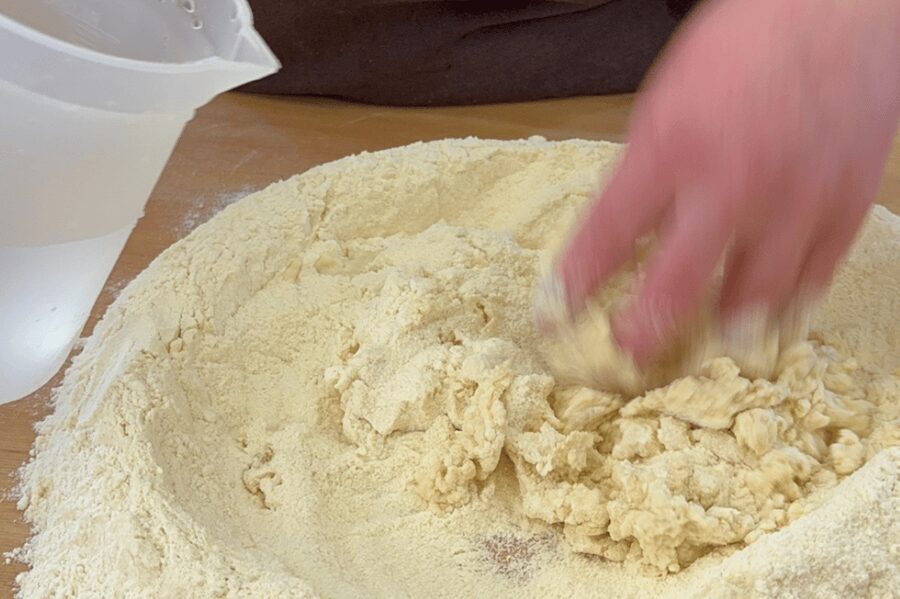
The second hands-on center is the pasta-making workshop. Again, the tour emphasizes participation under the guidance of instructors. If you’ve ever tried making pasta at home, you know the difference between watching and doing. Here, the workshop format is what makes the experience feel practical.
Your enjoyment will depend on what you’re hoping for:
- If you want to leave with repeatable skills, the pasta workshop is your chance.
- If you mainly want to sample results, choose the tour option that includes tasting of the products made during the workshops.
That tasting is optional by booking choice. So when you’re deciding which option to select, be honest about your appetite and your preferred pace. If you’re already planning to eat a full meal later, you might skip the tasting. If this is your main food moment that day, the tasting option is the best match.
One more tour detail that’s worth noting: alcohol and drugs aren’t allowed. It’s a food-focused, family-friendly workshop structure, so plan to keep the session comfortable and appropriate for everyone.
Price and Value: Is $124.61 Worth It?
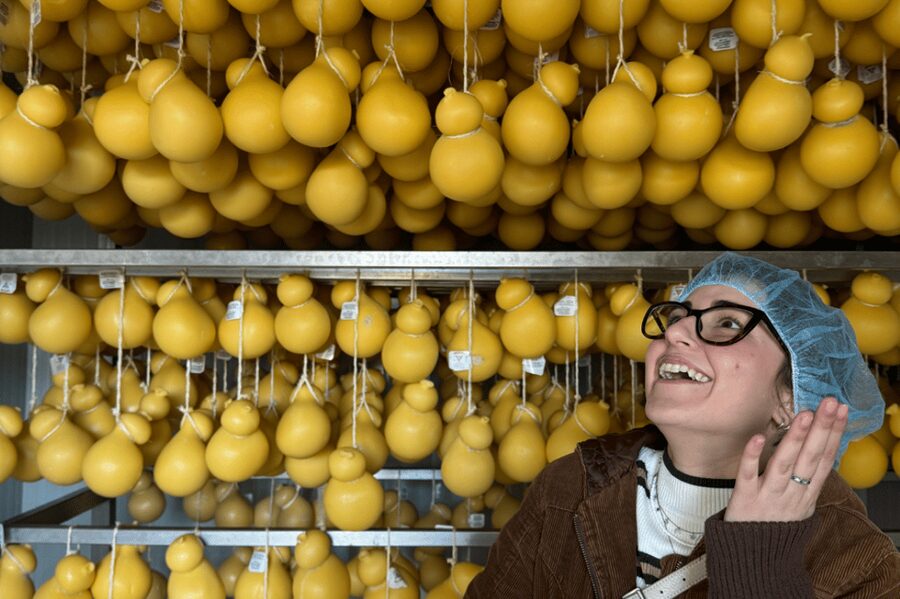
At $124.61 per person for a 2.5-hour experience, you’re paying for a tight package of multiple components:
- expert-led guide and narrated farm experience
- breeding farm visit and vegetable garden visit
- ancient church visit
- cheese factory tour
- cheese-making workshop
- pasta-making workshop
- optional tasting, depending on the booked option
That’s a lot for one block of time, especially with the small group capped at 9. The value comes from the number of unique settings you visit in one guided circuit, plus the fact that two major food skills are hands-on.
The main thing that can affect your sense of value is whether you select the option with tasting. If tasting is important to you, pick it so the day ends with a clear payoff. If you’re budget-minded and you’ll eat well later, the basic option may still be worth it because the workshops themselves are included.
Also factor in what’s not included: transfer to reach the tour location. If you’re relying on local transport or need a taxi, that can change the effective total cost.
Who This Workshop Fits Best (and Who Might Want Another Option)
This experience is a strong choice for:
- people who like hands-on learning more than just sightseeing
- food lovers who want the farm-to-table story behind mozzarella and pasta
- families, since one review specifically notes it worked well for young and old
- travelers who want a guided day that mixes agriculture, production, and cooking
It may not be the best fit if:
- you need wheelchair access or have mobility limitations, because it’s not suitable for wheelchair users
- you dislike walking and active workshop time
- you’re expecting a purely indoor, seated experience
If you’re visiting Apulia and want something genuinely local and structured around everyday work on a farm, this kind of tour is often one of the best “value-per-memory” choices.
Should You Book the Martina Franca Mozzarella and Pasta Workshop?
I’d book it if you want a compact, guided food day that connects the dots: animals and gardens first, then cheese and pasta production, then cooking instruction, with the option to taste what you made. The small group size and the hands-on workshops are the ingredients that make this feel worth your time.
But I wouldn’t book it if mobility is an issue for you or your group, because it’s not designed for wheelchair access. Also, if you hate active workshops, you may find the structure too participatory.
If you’re on the fence, here’s the quick decision test: do you want to learn by doing, and are you ready to wear comfortable shoes on a farm? If yes, this is a practical, memorable way to experience Apulia’s food culture around Martina Franca.
FAQ
How long is the Martina Franca mozzarella and pasta workshop?
It lasts about 2.5 hours. Starting times vary, so check availability for the session you want.
Is this a small-group experience?
Yes. It’s limited to a small group of up to 9 participants.
What languages are the instructor and guide available in?
The instructor works in Italian and English.
Is the tasting included?
A tasting is included only if you book the tour option that features it. The tasting of the products made during the workshops depends on that option.
What should I bring?
Bring comfortable shoes and comfortable clothes.
Is transportation or transfer included?
No. Transfer to reach the tour location is not included.
Is it suitable for wheelchair users?
No. It is not suitable for wheelchair users and people with mobility impairments.