REVIEW · NOTO ITALY
Noto: Farm to Fork in Sicily – Cooking Class in a Farm
Book on GetYourGuide →Operated by Azienda Agricola Tre Fontane · Bookable on GetYourGuide
Noto’s hills put dinner on a whole new level. This farm-to-fork cooking class at Azienda Agricola Tre Fontane turns local ingredients into a hands-on Sicilian meal, taught by Annarella and Fabio. You start outside, see what’s growing, then move into the kitchen and cook with the same mindset that drives the farm year after year.
I especially love the way this class teaches real technique, not just recipes—so pasta making and seasonal dishes actually make sense when you try them later. I also like the farm-first approach: the tasting and short walk in the fields help you understand why certain ingredients show up together in classic Mediterranean cooking.
One thing to consider: getting to the farm is easiest with a car, since you meet at a panoramic spot and then drive about five minutes to the property.
In This Review
- Key things to know before you go
- Why Noto’s farm-to-fork cooking class feels different
- Getting to the meeting point (and finding the farm without stress)
- Walking the fields: the ingredients lesson starts outside
- Pasta making and Sicilian Mediterranean cooking in the kitchen
- The meal you cook: wine, dessert, and a real farm-to-table finish
- Price and value: what you’re really paying for
- Who this Sicilian cooking class is best for
- Making the class part of your trip (not just a one-off activity)
- Should you book the Noto farm cooking class?
- FAQ
- How long is the cooking class?
- What is the price per person?
- How many people are in the group?
- Is the class taught in English?
- What happens at the start of the experience?
- Do we taste farm products during the class?
- Is pasta making included?
- What do I get to eat at the end?
- What drinks and dessert are included?
- What is not included?
Key things to know before you go
- A real working home farm in the Noto hills, not a show kitchen
- Small group (up to 10) with English-speaking guidance
- Start with the ingredients via a short walk and explanations in the fields
- Hands-on cooking, including traditional pasta making
- Seasonal recipes plus farm product tasting
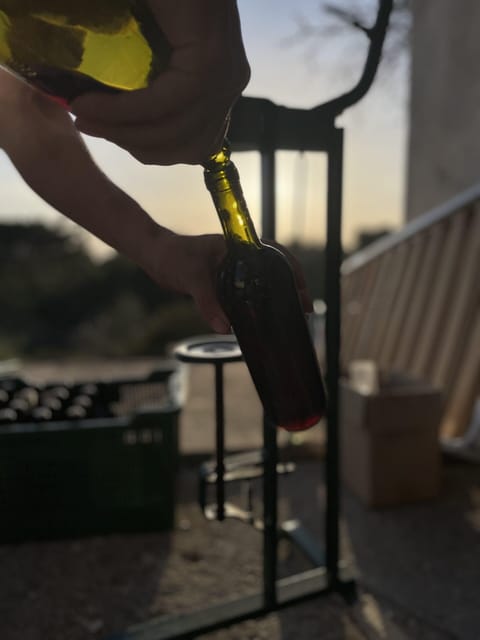
- Local wine, dessert, and a homemade digestive included with your meal
Why Noto’s farm-to-fork cooking class feels different
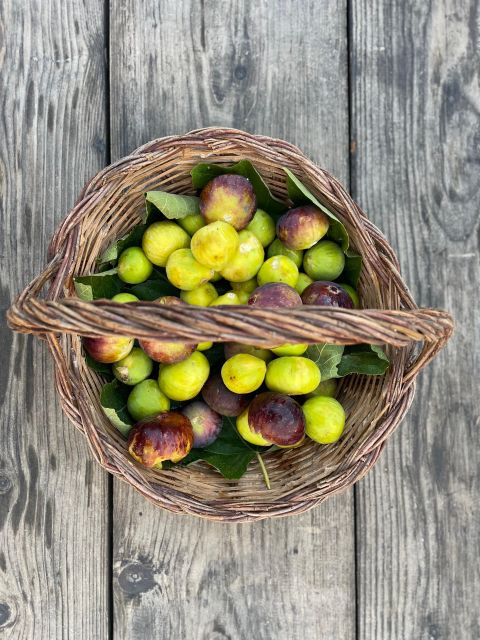
This experience is built around one simple idea: food tastes better when you understand where it comes from. On this farm, you’re not just learning how to cook. You’re learning how growers think—what’s ready, what’s in season, and how those choices shape Sicilian dishes.
I like that the hosts frame the class as part of everyday life. Annarella has been a bio farmer since 2007, so you get the sense you’re stepping into a place with routines, not a one-day performance. That changes the vibe right away.
You’ll feel the focus when the class shifts from walking the fields into the kitchen. The goal isn’t speed. It’s comfort: techniques explained in a simple way, so you can actually repeat them at home without guessing.
You can also read our reviews of more tours and experiences in Noto Italy.
Getting to the meeting point (and finding the farm without stress)
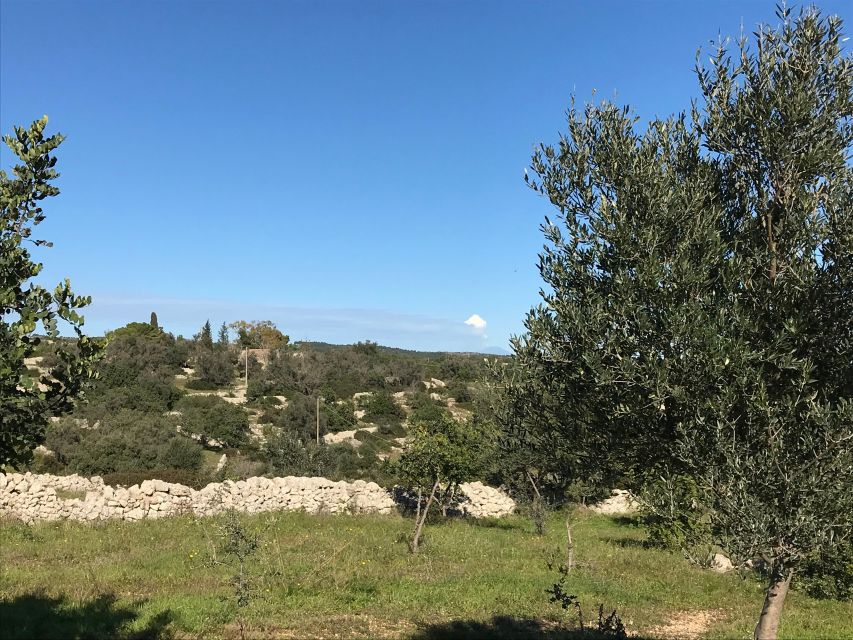
You meet at a big free panoramic spot. From there, you head to the farm together by car, just about five minutes away. That short transfer matters because the cooking part happens on a rural farm property, in the hills above Noto.
If you’re driving, this is straightforward. If you’re relying on bus or train, plan a little extra time, since the farm is not described as walk-up accessible from town. The operator specifically asks that you message them if you’re coming by public transport and don’t have a car, so you can coordinate.
The activity ends back at the meeting point. So you’re not stuck wondering how to get out of the countryside at the end of the evening.
Walking the fields: the ingredients lesson starts outside
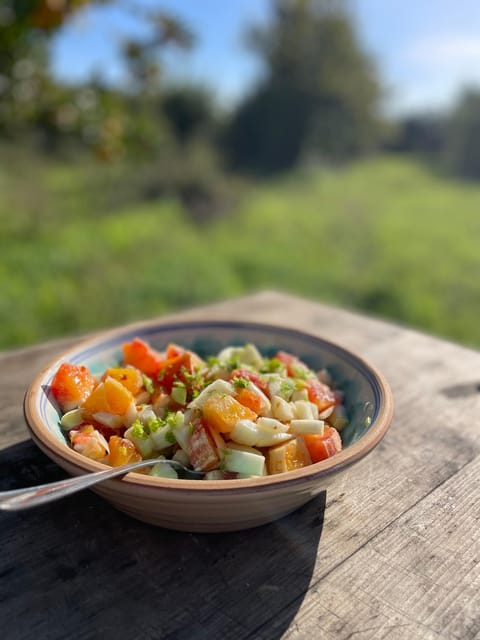
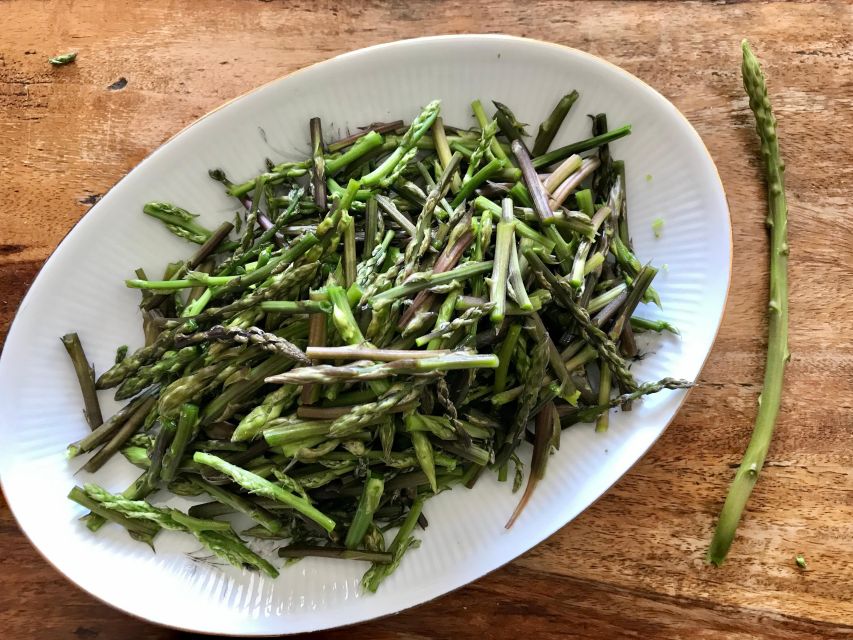
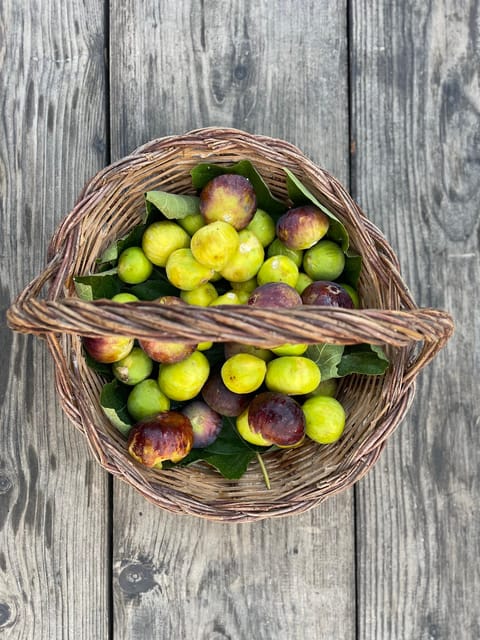
Before you touch dough or fire up pans, you take a short walk in the fields. The point is practical: you get explanations about the ingredients grown on the farm, and you get oriented to the types of plants you’ll likely use back in the kitchen.
This is one of those “small” parts that can actually make the whole meal easier to understand. When you know which herbs or vegetables are in play, Sicilian cooking becomes less mysterious. It turns into a logical system: freshness, seasonality, and smart combinations.
You’ll also get farm product tasting during this early stage. Even if you’re not a super food-nerd, it helps you calibrate your palate. You taste, then you cook, then you eat what you made. It’s a loop that makes the lessons stick.
Pasta making and Sicilian Mediterranean cooking in the kitchen
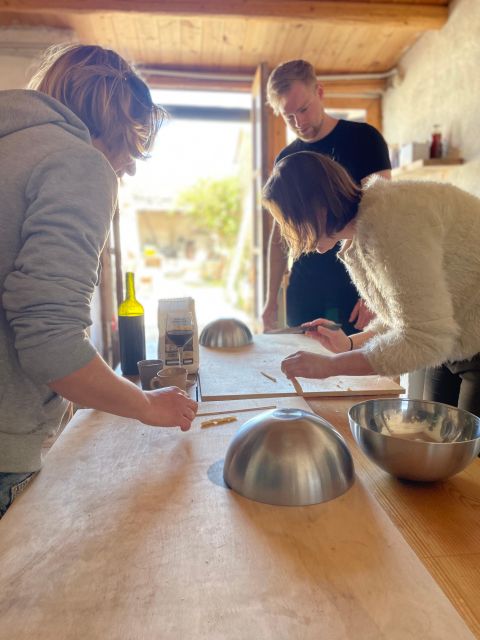
Once you’re in the kitchen with Annarella, the class shifts into hands-on mode. You’ll learn to make traditional local recipes according to the season, with a strong emphasis on classic Mediterranean flavors.
Pasta making is called out as a centerpiece, and it’s a great choice for a few reasons. First, pasta teaches technique you can reuse—handling dough, getting the right texture, and understanding how ingredients behave. Second, it forces you to slow down and learn rather than just assembling ingredients.
The hosts guide you through the process in a simple way, with tips you can remember. That’s key. A cooking class can be fun and still be forgettable if it’s only about what to do. Here, you’re also taught how to think while you cook.
Expect the style to feel friendly and direct. The class is set up to be suitable for all, not only experienced home cooks. If you’ve never made pasta, you’re not starting on hard mode. If you have cooked before, you’ll still appreciate the method and the farm-specific ingredient choices.
The meal you cook: wine, dessert, and a real farm-to-table finish
After the cooking work, you sit down together for a complete meal. This is where the class stops being a lesson and starts being a meal with momentum.
Your included meal includes the results of your cooking plus additional tastes from the farm. The operator also includes local wine with the experience, which makes the meal feel like part celebration rather than a quick tasting plate.
Then comes dessert and a homemade digestive. That last piece is more than a sweet ending. In Italian dining culture, a digestive is a little ritual—it signals the meal is truly finished. You’ll leave feeling like you had a full experience, not a single-course workshop.
One underrated benefit: you end up eating with context. You’re not just consuming food. You’re tasting something that’s been explained, grown, and assembled with intention. That makes even familiar flavors feel more specific.
Price and value: what you’re really paying for
The price is $169.93 per person for a 4-hour experience. That’s not a low-cost class, but it’s also not priced like a mass-market group tour where you barely get your hands on anything.
Here’s where the value comes from:
- Small group size (limited to 10) means more attention while you cook
- Hands-on pasta making and seasonal recipe guidance gives you skills, not just stories
- Inclusions add up: farm product tasting, local wine, dessert, and homemade digestive
- You’re learning in a working bio farm, where ingredients are part of the lesson
Also, the class includes the farm walk and explanations before you cook, which adds real substance. Many cooking experiences skip the “why” and focus only on “what.” This one builds a connection between ingredient and plate.
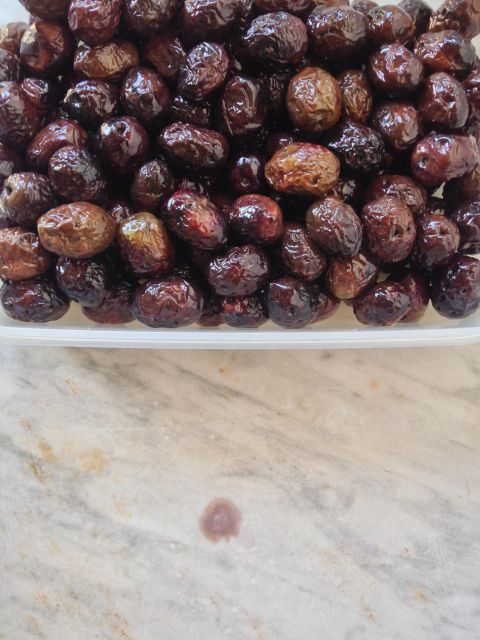
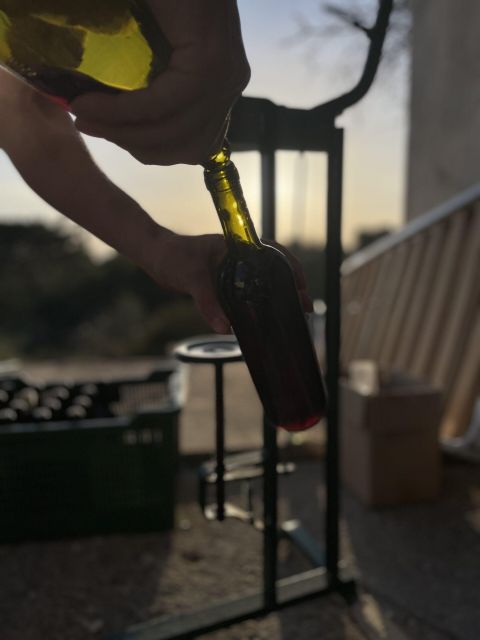
One note on value nuance: the listing says farm products such as olive oil are not included. So if you were hoping to take home a bottle from the class price, you’ll likely need to pay separately.
Who this Sicilian cooking class is best for
This is a good fit if you want something more personal than a standard food tour. You’re cooking with the farm’s guidance, eating what you make, and learning in a setting that’s clearly part of daily life for the hosts.
It’s also a solid pick for people who like practical travel. You’ll get techniques and tips you can use again, plus a better understanding of how Sicilian flavors are built around what’s fresh and available.
It may be less ideal if you’re short on time or don’t want rural logistics. You’re meeting at a panoramic spot and then doing that five-minute drive to the property. If you’re coming from Noto without a car, message in advance so you can plan the route.
Also, if your only goal is a quick meal with minimal cooking, this is likely more involved than you want. The experience is built around participating in the cooking process.
Making the class part of your trip (not just a one-off activity)
I’d treat this class as the “food anchor” for your Noto and South Eastern Sicily days. When you learn how pasta is made and why certain ingredients show up seasonally, you start noticing the same patterns when you eat elsewhere—how dishes balance freshness, herbs, and local produce.
After the class, try one small experiment at home. Recreate the pasta technique you practiced, then match your sauce choices to ingredients you can find locally in-season. The point isn’t to copy Sicily perfectly. The point is to keep the logic.
And while you’re in Sicily, you’ll likely appreciate farm-style cooking more. Even if you eat at restaurants, you’ll read menus differently once you’ve seen how ingredients are grown and selected.
Should you book the Noto farm cooking class?
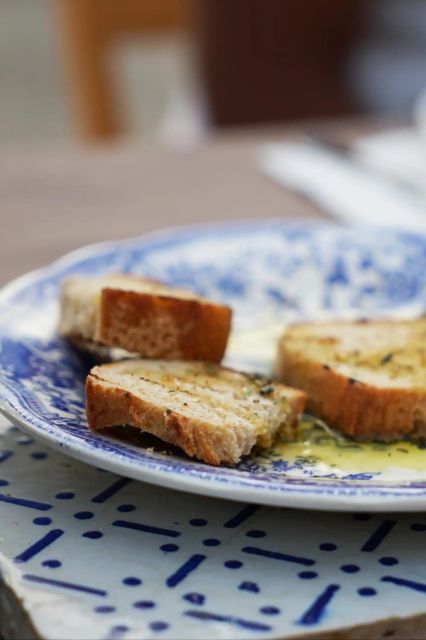
Yes, if you want a hands-on Sicilian cooking experience in a working bio farm setting, this is worth your time. The combination of field walk, farm tasting, pasta making, and a full meal with wine, dessert, and a homemade digestive makes it feel like a complete afternoon—not a quick demo.
Book it if you value small-group attention and want to leave with practical technique, not just a few photos. Book it if you like the idea of learning in the place where the ingredients are grown.
If you dislike any rural travel component or you’re truly time-crunched, you may want to compare with a more town-centered option. But if you can handle a short drive from the meeting spot, this is one of those experiences that feels honest and memorable.
FAQ
How long is the cooking class?
The experience lasts 4 hours.
What is the price per person?
The price is $169.93 per person.
How many people are in the group?
It’s a small group limited to 10 participants.
Is the class taught in English?
Yes, the live tour guide provides instruction in English.
What happens at the start of the experience?
You begin with a meeting at a big free panoramic spot, then you go together to the farm by car for about a five-minute drive. You’ll also take a short walk in the fields with explanations.
Do we taste farm products during the class?
Yes. There is a farm product tasting included.
Is pasta making included?
Yes. Authentic pasta making is part of the cooking class.
What do I get to eat at the end?
You enjoy a complete meal together, including what you prepare during the class.
What drinks and dessert are included?
Local wine is included with the meal, along with dessert and a homemade digestive.
What is not included?
Farm products such as olive oil are not included.