REVIEW · UJI
Uji and Wazuka Matcha Farm Half Day Private Guided Tour
Book on Viator →Operated by Matcha Tourism · Bookable on Viator
Tea and history, in one easy half day.
This private tour links Uji and Wazuka so you get matcha culture beyond the usual stops. I love the way the day mixes river-town sights with time in real tea fields, and I also like that you get a proper tasting (at least three types) instead of a quick sip and shuffle. One thing to consider: the farm access can be bumpy and muddy, so plan footwear like you mean it.
Your guide for the day is Masae, and she brings the story of tea farming in a way that makes the whole process click. The pace stays relaxed for about four hours total, with an air-conditioned vehicle between areas, plus a Japanese bento lunch. Still, at this price point, it’s best when you truly want a private, guided experience and you’re not just hunting for a cheap photo stop.
In This Review
- Key things to know before you go
- Uji to Wazuka: the matcha route that actually makes sense
- Uji River stroll and the Ujibashi Bridge photo moment
- A quick stop at Uji Shrine for traditional context
- Wazuka tea fields: where the farming story becomes real
- Tea tasting and bento lunch: the included meal isn’t an afterthought
- Masae’s private guidance: what you’ll learn with your feet moving
- Price and value: $360 per person, where that money goes
- Timing, meeting point, and how to plan your day
- What to pack for a tea-farm walk (and how not to ruin your day)
- Should you book this Uji and Wazuka Matcha Farm tour?
- FAQ
- How long is the Uji and Wazuka matcha farm private guided tour?
- Where does the tour start?
- Where does the tour end?
- What’s included in the tour?
- Is lunch available for vegetarians?
- Do I have to pay admission tickets for the main stops?
- Is the farm walk difficult?
- Is this tour private or shared?
- Is it near public transportation?
- Is there free cancellation?
Key things to know before you go
- Private guidance from Masae: you’ll get context that makes matcha taste like something more than a trend.
- Uji + Wazuka in one run: historic river-town first, then the tea valley with centuries of production.
- Tea tasting with at least 3 types: includes coffee and/or tea tasting and multiple matcha/tea styles.
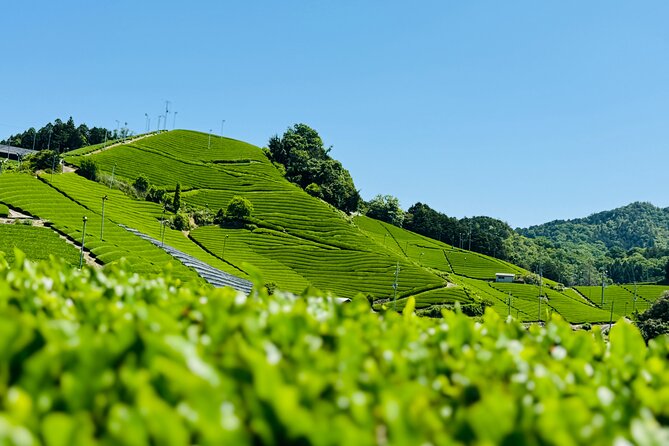
- Tea farm walk is part of the deal: you’ll be walking outdoors, where mud and uneven ground are possible.
- Lunch is included: Japanese bento lunch set, with a vegetarian option if you request ahead.
Uji to Wazuka: the matcha route that actually makes sense
Uji is where Japan’s tea culture is easy to see on foot. You’ll get that classic river-town feeling, then you cross into Wazuka, the tea-growing valley people often skip because it’s not as central as Kyoto.
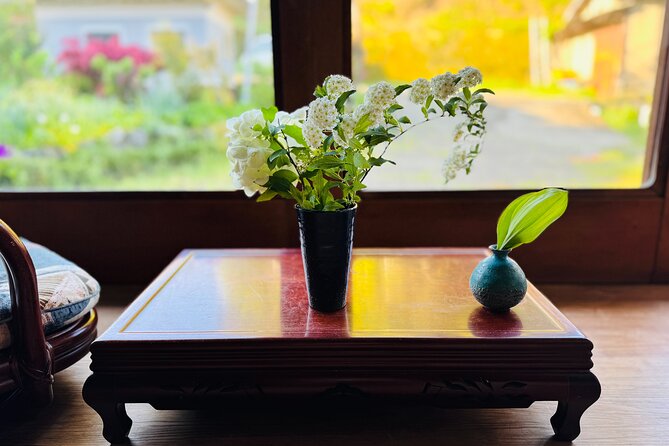
What I like about this pairing is the contrast. Uji gives you the historic, visitor-friendly side of the story. Wazuka gives you the working-tea side—rolling hills, tea fields, and the real rhythm of farming that explains why matcha can taste so different from bowl to bowl.
And yes, the “why matcha matters” part is front and center here. Wazuka has been producing high-quality tea for over 800 years, and the region’s matcha was once reserved for the Imperial Family. That big historical claim matters because it connects to what farmers still do today.
Uji River stroll and the Ujibashi Bridge photo moment
Your morning starts in Uji City with a walk along the Uji River and a look at the small town area where matcha shops and tea cafes cluster. This is a good warm-up. You’re not rushed, and you can take a quick look at the variety of products before the tasting later.
Then comes Ujibashi Bridge, described as one of the oldest bridges of Japan. It’s a short stop, but it’s the kind of “you were here” landmark that makes your photos and your memory feel grounded. If you’re the type who likes seeing how people live near water, this part lands well.
One practical note: bring a little patience. Even on a guided schedule, river areas and bridges can have foot traffic. The tour keeps it simple—short stop, see it, move on.
A quick stop at Uji Shrine for traditional context
You’ll also stop at Uji Shrine, one of the older shrines in Japan (admission is listed as free for this stop). This isn’t a long temple-and-time-warp experience. Think of it as a cultural “pause button” that puts tea history in the larger frame of Japanese tradition.
Because the rest of the day is very hands-on—walking tea fields, tasting multiple teas—this quick shrine stop helps connect the sensory part of the trip to the cultural reasons tea earned its place.
If you prefer slower sightseeing, you might wish this had more time. But for a half-day private format, it’s a smart use of limited hours.
Wazuka tea fields: where the farming story becomes real
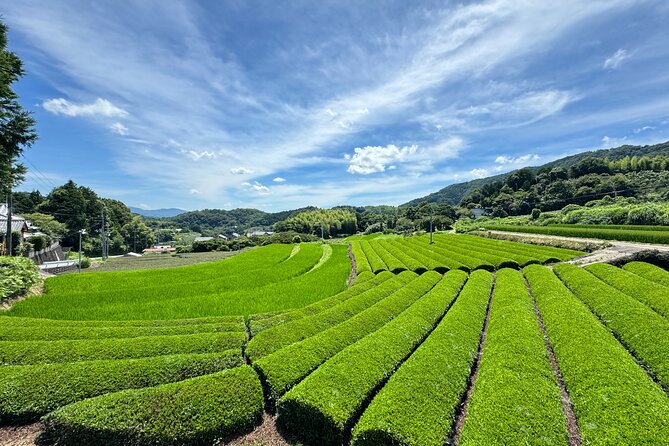
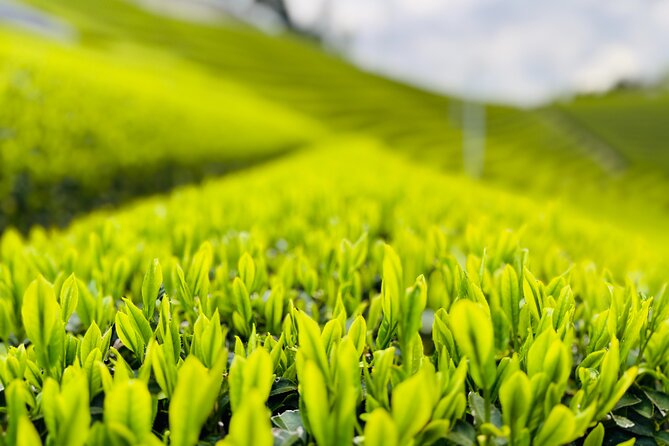
After Uji, the day shifts to Wazuka-cho, set in a valley surrounded by mountains, with a river passing through. The setting alone changes the feeling of the tour. It’s more quiet, more outdoorsy, and much closer to the conditions tea plants actually grow in.
This is also where the tour highlights the tea farm walk and a viewpoint visit. You’ll get out of the vehicle and experience the working side of matcha production rather than just hearing about it.
The one thing I’d plan for is the ground. Farm access can be bumpy and muddy. That means:
- Wear shoes you can walk in without worrying about ruining them.
- Avoid super-light sneakers if rain has been recent.
- Bring a little mental flexibility: the best tea moments often happen where the terrain is imperfect.
If you’re expecting a smooth boardwalk stroll, you’ll be mildly surprised. If you like authentic farm environments, you’ll feel at home here.
Tea tasting and bento lunch: the included meal isn’t an afterthought
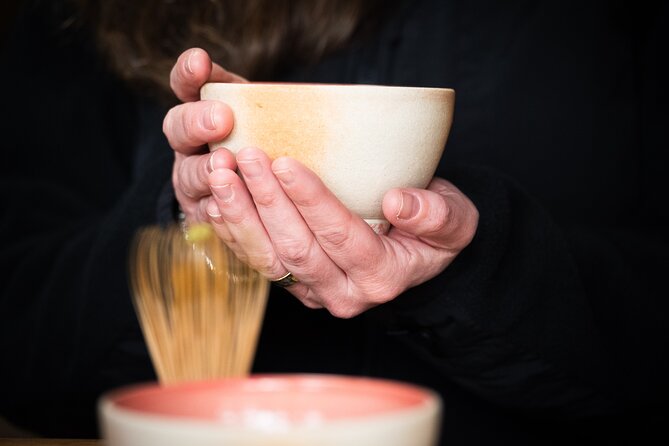
One of the strongest reasons to book this tour is that tasting and lunch are built in, not tacked on.
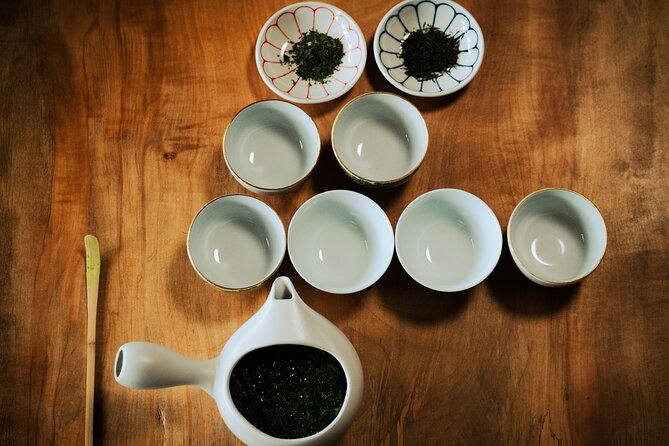
You’ll get a coffee and/or tea tasting, and the tour includes tasting of at least three different kinds of tea. That matters because matcha isn’t one thing. It’s a range, depending on harvest, processing, and how it’s made into a drink. Multiple tastings are the fastest way to start noticing those differences without needing to become a tea scientist overnight.
Lunch is a Japanese bento lunch set, and there’s a vegetarian option if you request it in advance. This is the right kind of inclusion for a half-day. You’re not stuck hunting for food after a farm walk, and you can refuel while the day’s tea lesson is still fresh.
In some cases, you may also get a hands-on mochi-making moment—people in past groups have mentioned making and eating mochi during the tour. Even if that part isn’t guaranteed for every schedule, it fits the overall theme: hands-on food culture, not just tasting liquids.
Masae’s private guidance: what you’ll learn with your feet moving

The tour is private, and that changes how the time feels. You’re not waiting for a crowd to catch up, and your guide can pace the day around questions.
Masae is the name to remember. The feedback about her is consistent: she connects tea and matcha to history, culture, and the real steps behind farming and manufacturing. When you walk through tea areas and then taste multiple teas, that kind of explanation sticks better than a generic museum talk.
Here’s what I think you’re really buying with a private guide: context. You’re not just eating and photographing; you’re learning how the region’s long tea tradition shows up in how tea tastes today.
If you like asking questions, this tour is set up for that. If you don’t, Masae’s style keeps the conversation moving without making it feel like a lecture.
Price and value: $360 per person, where that money goes
At $360.00 per person for a half-day, this is not a budget outing. The value comes from what’s included and how private it is.
You’re paying for:
- Private transportation with an air-conditioned vehicle
- A tour guide (Masae)
- Tea farm walk and a viewpoint visit
- Tea tasting (minimum three kinds) plus coffee and/or tea
- Japanese bento lunch set (vegetarian option available on request)
- A private experience where only your group participates
If you were to recreate this on your own, you’d likely spend time coordinating transport, hunt for tastings, and still end up with gaps in explanation. This tour bundles the logistics and the interpretive parts together.
If you’re traveling as a solo person and you’re purely doing matcha as a casual interest, you might feel the price. If you’re a matcha person—or you want to understand the tea culture like a local rather than a visitor—you’ll likely feel the money is working for you.
Timing, meeting point, and how to plan your day
The tour runs about 4 hours. That’s long enough to see Uji River sights, fit in shrine and bridge stops, and still reach Wazuka for the tea-focused portion.
You’ll meet at Itoh Kyuemon – JR Uji Station / SaboUmonji-16-1, Uji, Kyoto 611-0021, Japan. The tour ends in a different location, with details provided for your specific booking, so don’t plan a tight appointment immediately afterward without leaving buffer time.
Because it’s near public transportation, you also won’t be stuck if you’re coordinating your own train/bus schedule. Just be ready for short transitions between stops.
What to pack for a tea-farm walk (and how not to ruin your day)
This tour includes walking outdoors as part of the tea farm experience, and the farm access can be bumpy and muddy. So pack like you’re visiting a working place, not a theme park.
Practical ideas:
- Wear shoes that grip well.
- Bring a small towel or wipes if you’re worried about mud.
- Dress in layers; outdoor weather can shift quickly.
- If you’re sensitive to cold or heat, plan for it—there’s a vehicle for breaks, but farm time is still outdoors.
Also remember: street snacks and extra drinks aren’t included, but they are available for purchase. If you want something sweet or a cold drink between tasting and lunch, you can grab it on the way.
Should you book this Uji and Wazuka Matcha Farm tour?
Book it if you want real matcha culture in a short time window: river-town basics in Uji, then tea-farm walking and multiple tea tastings in Wazuka. The private format, the guided explanations from Masae, and the included lunch make it feel like a finished experience rather than a collection of quick stops.
Skip it if you only want a quick matcha souvenir hunt or you’re hoping for a fully flat, easy walking experience. The farm portion can be uneven and muddy, and the price is set for travelers who value guidance and included tastings.
FAQ
How long is the Uji and Wazuka matcha farm private guided tour?
It lasts about 4 hours.
Where does the tour start?
The meeting point is Itoh Kyuemon – JR Uji Station / SaboUmonji-16-1 Uji, Kyoto 611-0021, Japan.
Where does the tour end?
The tour ends in a different location than where it starts. Exact details are provided after booking.
What’s included in the tour?
The tour includes a tea farm walk, a viewpoint visit, private transportation, a tour guide, coffee and/or tea tasting with a minimum of three different types, and a Japanese bento lunch set.
Is lunch available for vegetarians?
Yes. There is a vegetarian option, but it requires advanced request.
Do I have to pay admission tickets for the main stops?
The itinerary lists admission ticket free for the Uji river area, Uji Shrine, and Ujibashi Bridge, and the tour includes the experience around Wazuka.
Is the farm walk difficult?
Farm access can be bumpy and muddy, so expect uneven ground and plan your footwear accordingly.
Is this tour private or shared?
It’s private. Only your group participates.
Is it near public transportation?
Yes, it’s listed as near public transportation.
Is there free cancellation?
Yes. You can cancel up to 24 hours in advance for a full refund.