REVIEW · ANGRA DO HEROISMO
Azores: Dairy Farm Tour
Book on GetYourGuide →Operated by Azorica Tours · Bookable on GetYourGuide
Milk has a sound when it meets the pail. On Terceira, this farm day is compelling because you get hands-on milking and a real look at how milk moves from pasture to bottle. I love how the work is paced like everyday farm life, not a staged show, so you learn by doing and watching.
You’ll also spend time up close with cows and calves, including feeding and learning what good care looks like. One thing to consider: this is an animal-centered experience, so it’s not a great match if you have animal allergies, and you should be ready for work clothes that can get dirty.
In This Review
- Key highlights worth your time
- Why this dairy farm tour in Terceira feels real
- The ride out and first stops: getting oriented fast
- On the farm: meeting the herd like it’s part of the day
- Milking demonstration (and your chance to help)
- Calves, feeding, and the first weeks of life
- The milk collection station: where fresh becomes system
- Views and village time: why you still get culture with your animals
- The complimentary taste: a small meal with big context
- Price and value: what $70 gets you in a half-day
- Logistics that make or break the day
- Who this is perfect for (and who should skip it)
- Should you book with Azorica Tours
- FAQ
- What is the duration of the Azores: Dairy Farm Tour?
- How much does the tour cost?
- Where do you get picked up?
- Is there a milking demonstration?
- Will I meet the cows and calves?
- Do you visit the milk collection station?
- What should I wear or bring?
- Are alcoholic drinks allowed?
- FAQ
- What languages is the tour guide available in?
- Is this tour suitable for people with animal allergies?
Key highlights worth your time
- Pasture-to-bottle reality check: See how fresh milk becomes part of everyday Azorean life
- Hands-on milking, with care: Watch the process and help when it’s appropriate for your group
- Calves in focus: Feeding and first-weeks-of-life care are part of the story, not an afterthought
- Animal welfare matters: The tour emphasizes respectful handling and keeping animals comfortable
- A local dairy tasting at the end: You finish with a complimentary taste of what the island makes
- Pickup included in Angra do Heroísmo: It saves hassle and gets you to the farm area faster
Why this dairy farm tour in Terceira feels real
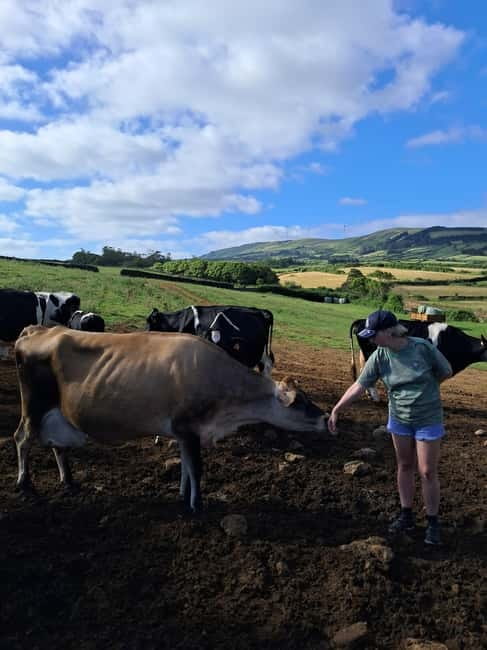
This is the kind of experience that makes you slow down. The morning doesn’t just tell you how dairy works. It shows you the rhythm: feed, care, milking, cleanup, and the steady attention it takes to raise a herd well.
What I like most is the mix of education and practical time with the animals. You’re not bouncing between glossy viewpoints only. You’re actually learning how a family dairy farm runs, and why milk matters here beyond being a product. It’s part of the culture and cuisine of the Azores, and you’ll feel that connection as soon as you meet the herd.
Also, the guide adds context in a way that makes the island make more sense. In at least one tour experience, the guide Carolina stood out for being personable and for sharing lots of Azores knowledge alongside the farm basics. If you get her (or someone with a similar style), you’ll get more than a checklist. You’ll get stories that connect dairy work to the island’s daily life.
The ride out and first stops: getting oriented fast
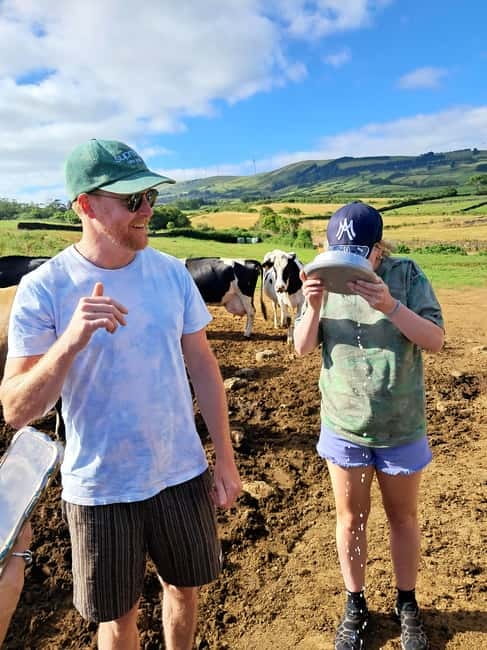
The tour starts in Angra do Heroísmo with pickup at your accommodation or the agreed meeting point. From there, you head out by van for about 30 minutes. This matters more than you might think. Instead of navigating rural roads yourself, you get time to settle in and let the guide set the scene.
After that, the day breaks into guided and self-guided pieces. There’s a first viewpoint stop with a guided segment (about 1 hour). Then you visit a traditional village for about 1 hour, mixing a visit, a walk, and some self-guided time. Next comes another viewpoint (self-guided for about 1 hour), followed by another viewpoint stop with a guided visit for about 20 minutes.
That structure is a smart balance. The farm work is the core. But those scenery and village pauses give your eyes a break and help you understand where the farm fits into the wider rural landscape. If you prefer very “hands-on” days only, you may wish the farm portion were longer. But if you want the place to make sense, these stops do their job.
On the farm: meeting the herd like it’s part of the day
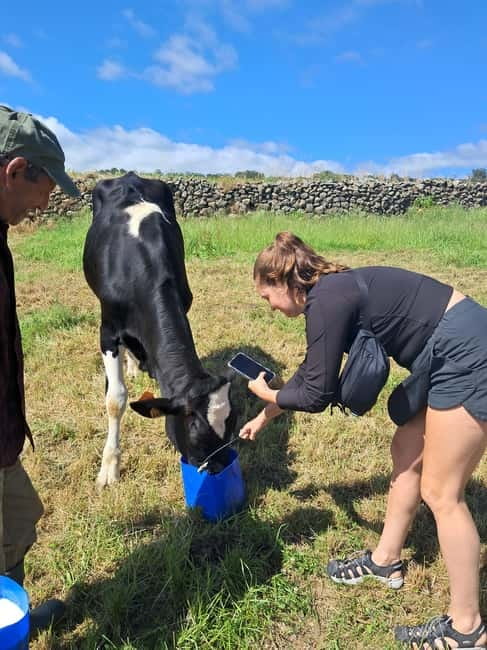
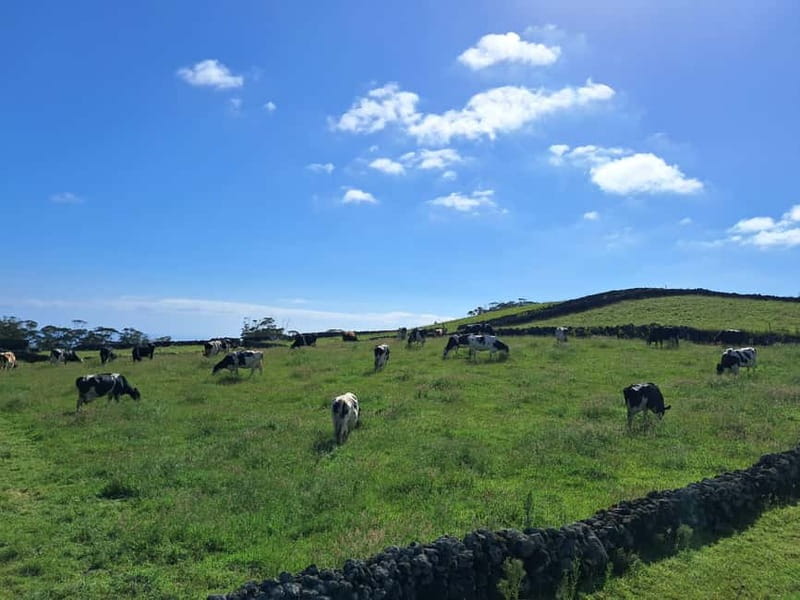
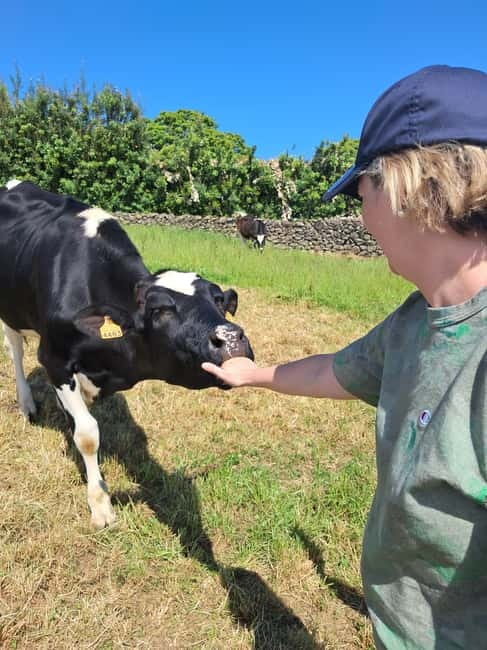
Once you’re at the farm, the tone shifts from sightseeing to responsibility. You meet a friendly herd and learn how cows are cared for—starting with feeding and how the animals behave. The tour doesn’t treat the cows like props. It treats them like living beings with routines and personalities.
This is where you’ll feel the difference between a farm tour and a quick animal encounter. You’ll get guidance on how to interact appropriately, and you’ll learn what good care looks like on a working dairy farm. Even if you’re not a “farm person,” you’ll pick up practical details: how the animals are handled, what the day’s priorities are, and how farmers stay focused while doing repetitive work all morning.
If you’re traveling with kids, this part tends to land really well because it’s concrete. Cows are not abstract. Calves are not abstract. The farm guide makes it approachable without turning it into a cartoon.
Milking demonstration (and your chance to help)
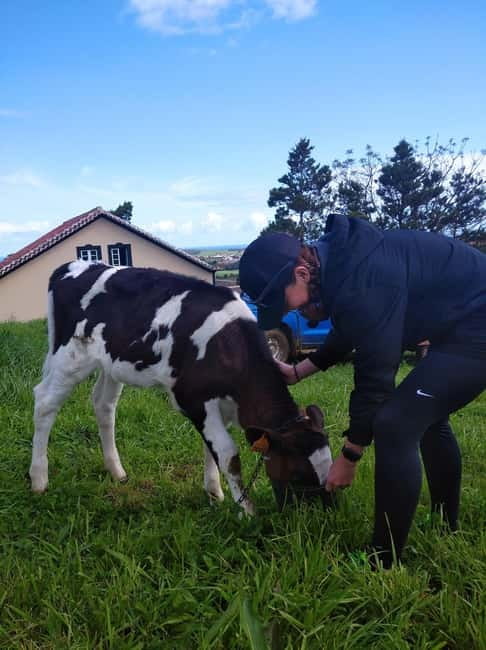
The milking time is the headline moment for most people—and for good reason. You’ll witness the milking process and in many cases you’ll also be able to help, as long as your group fits the flow on that particular day.
The tour is careful about animal welfare, so don’t expect a chaotic crowd pushing into the milking area. Instead, you’ll learn the steps, understand why they’re done a certain way, and see how regular milking is built into farm operations.
This is also where you learn the connection between routine and sustainability. Fresh milk doesn’t happen by accident. It’s the result of consistent care, good handling practices, and attention to the animals’ comfort.
One useful tip: wear comfortable clothes and shoes you’re fine with getting dusty. You’re on a working property. Even on a well-run farm, things can get messy.
Calves, feeding, and the first weeks of life
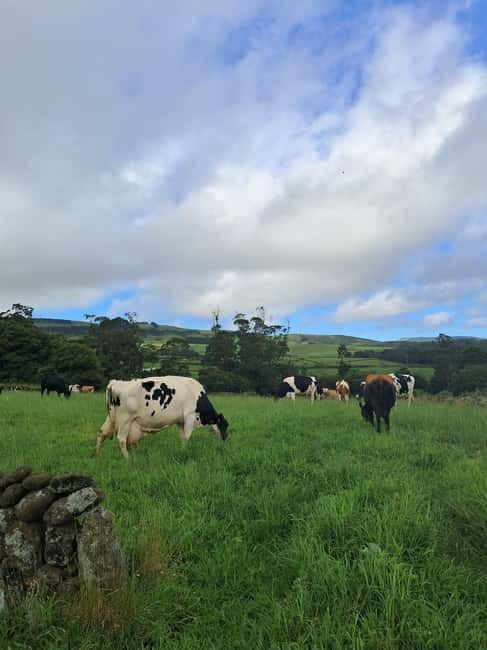
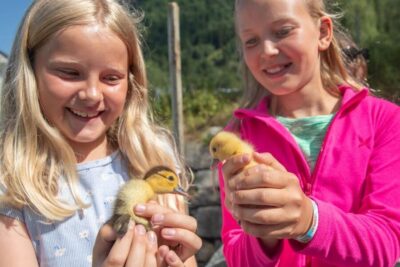
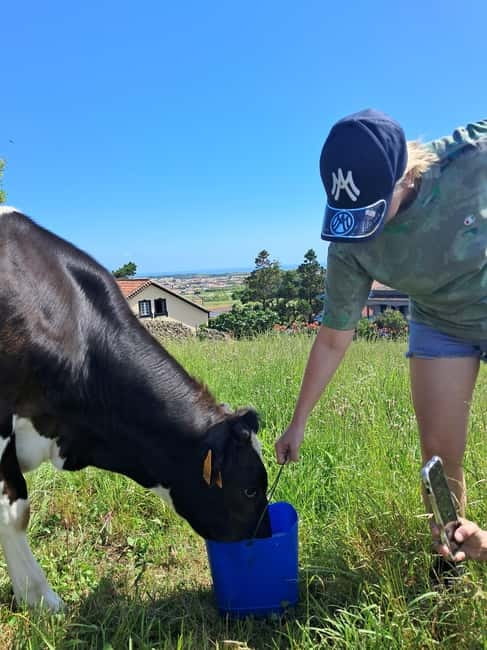
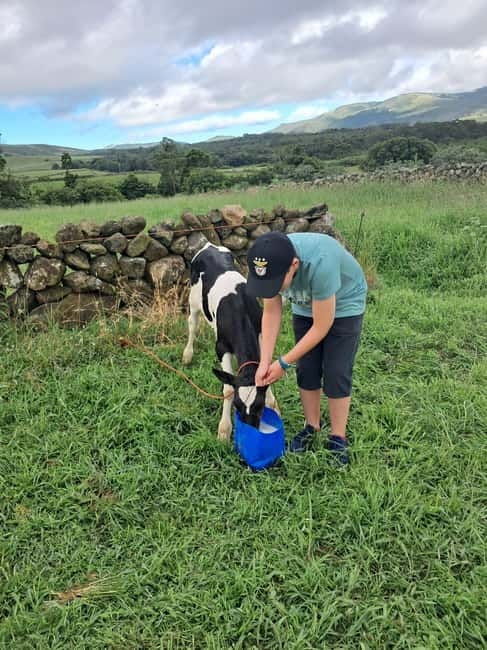
If the herd is the heart of dairy, the calves are the future—and the tour gives them real attention. You’ll spend time with the youngest animals and learn how they’re looked after in their first weeks of life. That includes feeding and general care.
This is one of the most meaningful parts of the day because it reframes what “dairy farming” means. It’s not only about the milk. It’s about raising healthy animals from the start. When you see the care that goes into calves, you understand why sustainable farming is a long-term approach, not just a buzzword.
You might also encounter other farm animals beyond cows and calves. In one example tour experience, the group had hands-on time that included chickens. Even if that’s not guaranteed every day, it’s a clue that farm life here can be broader than you expect.
The milk collection station: where fresh becomes system
Midway through the experience, you’ll visit the milk collection station. This is a practical piece of the puzzle. It shows you what happens after milk is produced: how it’s handled as part of the larger farm workflow.
For many people, this stop brings closure to the story. You start with pasture work—then you watch milking—and then you see the next step. The collection station helps you understand how a family farm connects its daily work to what eventually reaches tables around the island and beyond.
If you like “how things work” details, don’t rush this part. Take a moment to really look and ask questions. Guides can usually explain the logic in simple terms, and you’ll remember it longer than the views.
Views and village time: why you still get culture with your animals
The farm work is the reason to book. Still, don’t skip the quieter parts of the itinerary. The tour includes viewpoint stops and a traditional village visit with a mix of guided and self-guided walking.
These breaks do two useful things:
- They keep you from feeling like you’re in one continuous work zone
- They give you the geography of the dairy world—how farms sit in the island’s wider life
You can think of it like this: animals teach you the farm side. The village and viewpoints help you understand the Azores side. Together, it makes the dairy story feel rooted.
Also, you get control in the self-guided portions. You can take your time, pause for photos, or just sit and watch. It’s not rushed.
The complimentary taste: a small meal with big context
At the end, you get a complimentary taste of local flavors. Dairy is central to Azorean life, so this is more than a snack break. It’s a chance to connect what you saw—pasture, milking, and milk handling—with something you can actually taste.
You’ll likely want to come with a realistic appetite. This isn’t advertised as a full meal. But it’s enough to help you end the day with a satisfied feeling, especially if you’ve been working up curiosity and energy with the farm activities.
If you’re picky about dairy or lactose, you should be cautious, since the tasting is specifically tied to local food made from milk and related products. The tour data doesn’t list ingredients, so it’s smart to ask your guide if you have dietary needs.
Price and value: what $70 gets you in a half-day
The price is $70 per person for about 4 hours, including pickup. On paper, that can sound like “just a farm visit.” In practice, you’re getting multiple value layers at once:
- Pickup from Angra do Heroísmo (less hassle, more time with the experience)
- A guided farm tour with hands-on animal interaction
- Milking demonstration and time learning farm care routines
- Calf feeding and care instruction
- A visit to the milk collection station
- A guided cultural layer with village and viewpoint stops
- A complimentary local tasting at the end
One extra detail that can add comfort: in at least one tour experience, the ride was in a brand new, all-electric van, which is a nice touch on top of the included transportation.
Also, the duration matters. You’re not committing to a full day away from everything else on the island. You can still plan other activities after.
Logistics that make or break the day
This tour runs as a small-group or private option depending on availability. Smaller groups tend to be easier for animal interaction because the guide can manage spacing and timing.
You should plan for a true farm setting:
- Bring comfortable shoes and clothes you can get dirty
- Expect a mix of walking, standing, and farm-area movement
- Remember that alcohol isn’t allowed in the vehicle
You’ll also want to keep your expectations realistic. There’s no guarantee you’ll do every “hands-on” task at maximum intensity the whole time. The guide will direct you based on the farm’s workflow and what your group can safely do.
Who this is perfect for (and who should skip it)
This works best for:
- Animal lovers who want more than a photo op
- Families with kids who learn well through doing
- Travelers who like practical agriculture education
- People who want a calmer, rural pace instead of constant city stops
It’s not a great fit for people with animal allergies. The setting is intentionally close to livestock.
If you hate any kind of outdoor workwear situation, or if standing in rural conditions makes you miserable, consider that too. It’s not a harsh experience, but it’s not a museum.
Should you book with Azorica Tours
If you want a farm day on Terceira that feels humane, hands-on, and educational, I think this is a strong choice. The best part isn’t only the cows—it’s the way the day ties together daily labor, animal care, and how milk moves through the farm system, then ends with a local taste.
Book it if you:
- Want pasture-to-bottle context you can actually understand
- Like calm, rural experiences with clear guidance
- Appreciate small moments like calf feeding and thoughtful milking instruction
Skip it if you:
- Have animal allergies
- Need a fully indoor, low-contact experience
- Prefer only long farm time and less viewpoint/village structure
If your goal is to understand Azores dairy life beyond postcards, this one delivers.
FAQ
What is the duration of the Azores: Dairy Farm Tour?
The tour lasts about 4 hours.
How much does the tour cost?
The price is $70 per person.
Where do you get picked up?
Pickup is included from Angra do Heroísmo, and you’ll be picked up at any accommodation on the island or a designated meeting point agreed upon at booking.
Is there a milking demonstration?
Yes. The tour includes a milking demonstration, and you may be able to help with the milking process.
Will I meet the cows and calves?
Yes. You’ll interact with the cows and calves, including feeding and care for the calves.
Do you visit the milk collection station?
Yes. The tour includes a visit to the milk collection station.
What should I wear or bring?
Wear comfortable shoes and clothes that can get dirty.
Are alcoholic drinks allowed?
No alcoholic drinks are allowed in the vehicle.
FAQ
What languages is the tour guide available in?
The live tour guide is available in English, Portuguese, and Spanish.
Is this tour suitable for people with animal allergies?
No, it is not suitable for people with animal allergies.