REVIEW · BELEM BRAZIL
Belém: Marajó Island Day Trip with Buffalo Farm Visit
Book on GetYourGuide →Operated by Amazon Amazing Tours · Bookable on GetYourGuide
Life on Marajó runs on river and buffalo.
This 10-hour day trip from Belém is a smooth way to reach Marajó Island, ride the Pará River, and spend real time on beaches like Pesqueiro or Grande—not just a quick photo stop. I especially like the buffalo-focused farm visits, because they explain why these animals matter for daily life on the island.
The other big win for me is the local-food angle: you learn about açaí in Salvaterra and you’ll see how the island’s food culture ties into farming and craft. One thing to keep in mind: the route can change with weather, and experiences with the buffalo stop can be more or less detailed depending on what’s available that day.
In This Review
- Key things to know before you go
- Getting to Marajó from Belém: the Pará River boat day
- Souré vs. Salvaterra: choose your beach and your flavor of Marajó
- Souré option: Camará Port, buffalo farming, and Pesqueiro Beach
- Salvaterra option: UTRAN, açaí education, and Grande Beach
- How to choose
- Buffalo farm visits: what you’ll actually learn, and how to manage expectations
- Beaches on Marajó: where the day turns from boat to relaxation
- Pesqueiro Beach for the Souré route
- Grande Beach for the Salvaterra route
- Craft, ceramics, and local culture: why these small stops matter
- Timing and what makes this a long day (in a good way)
- Money and value: what the $160 covers, and where extra costs can pop up
- The value check I’d use
- Who this tour suits best
- Should you book this Marajó day trip from Belém?
- FAQ
- How long is the Marajó Island day trip from Belém?
- What does the tour include?
- Are meals or drinks included?
- Do I get a choice between Souré and Salvaterra?
- Which beaches are visited on each route?
- What buffalo farm experiences are included?
- Is the tour guide available in English?
- What documents do I need?
- Will the itinerary change if the weather is bad?
- Is the tour refundable if I change my plans?
Key things to know before you go
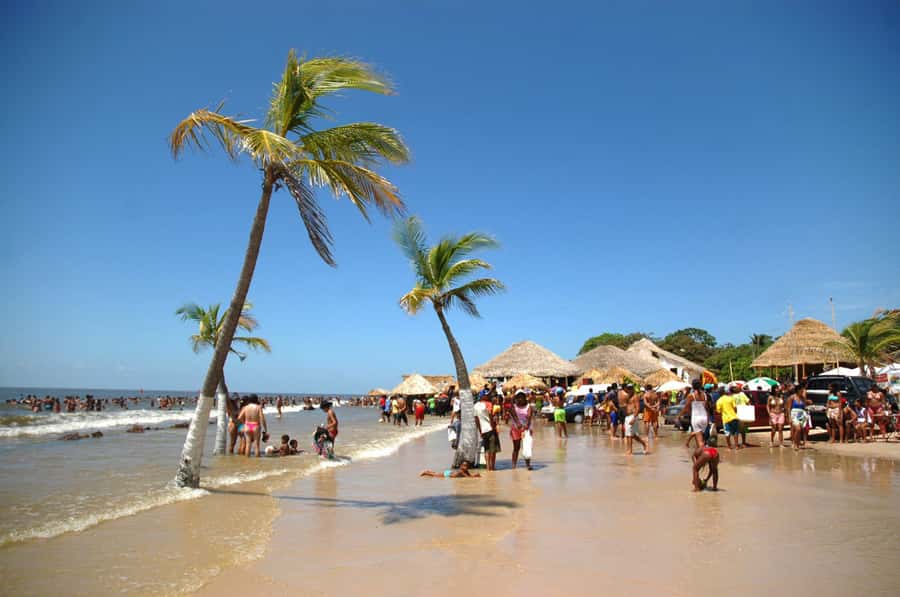
- Two beach options: Souré usually pairs with Pesqueiro Beach, while Salvaterra pairs with Grande Beach.
- Buffalo farming is the theme: You’ll visit a buffalo raising/breeding stop and related craft areas.
- You’ll cross by regional boat: Transport is part of the experience, not just logistics.
- Food isn’t included: Lunch happens on your own, so plan for it.
- Group experience can vary: In practice, some parts of the day may be shorter than you expect.
Getting to Marajó from Belém: the Pará River boat day
From Belém, this tour is built around one core idea: get you across water efficiently, then give you enough time to actually enjoy Marajó instead of rushing. The itinerary starts with hotel pickup, then you transfer to the river and head out by regional boat.
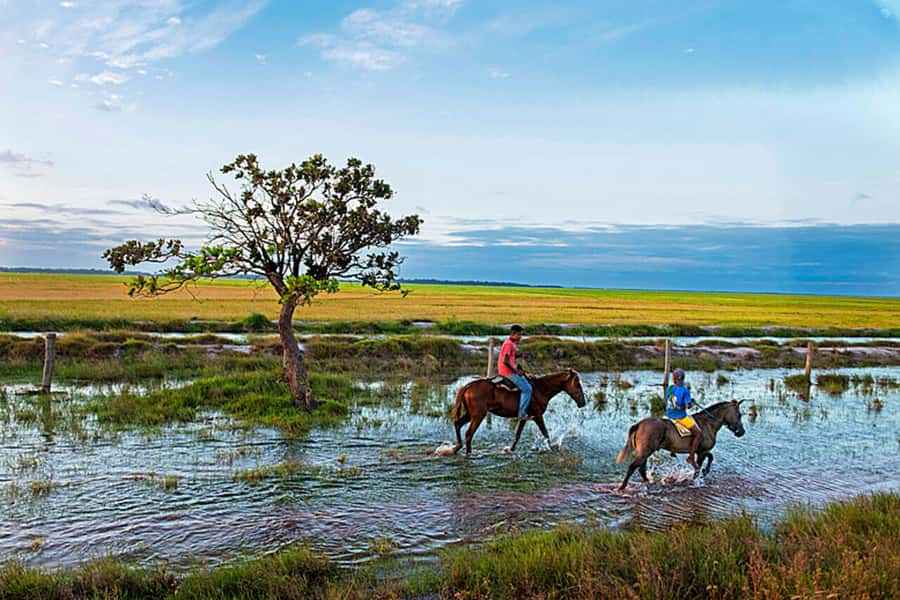
That boat time matters more than you might think. The Pará River is wide and slow-moving, and it sets the pace for the day—less airport-style hurry, more “watch the shoreline change” kind of travel. You also get a chance to spot how remote the island feels once you’re off the main route.
The tour guide is live and works in Portuguese and English. In one example, the guide in the Souré portion was Thiago, and he handled English well—helpful if your Portuguese is rusty and you want context as you go.
One practical note: the drive to pickup is quick, but you should still be ready early. You’re asked to wait in the hotel lobby for about 10 minutes before pickup timing, and you shouldn’t plan on last-second window-shopping.
Souré vs. Salvaterra: choose your beach and your flavor of Marajó
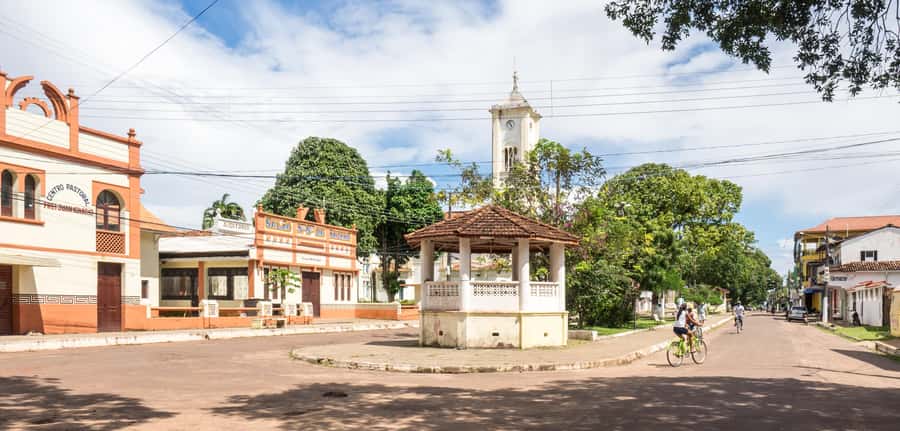
This is a day trip with two route choices: Souré or Salvaterra. Both options include a boat crossing and a buffalo farm element, but the stops and the beach feel different.
Souré option: Camará Port, buffalo farming, and Pesqueiro Beach
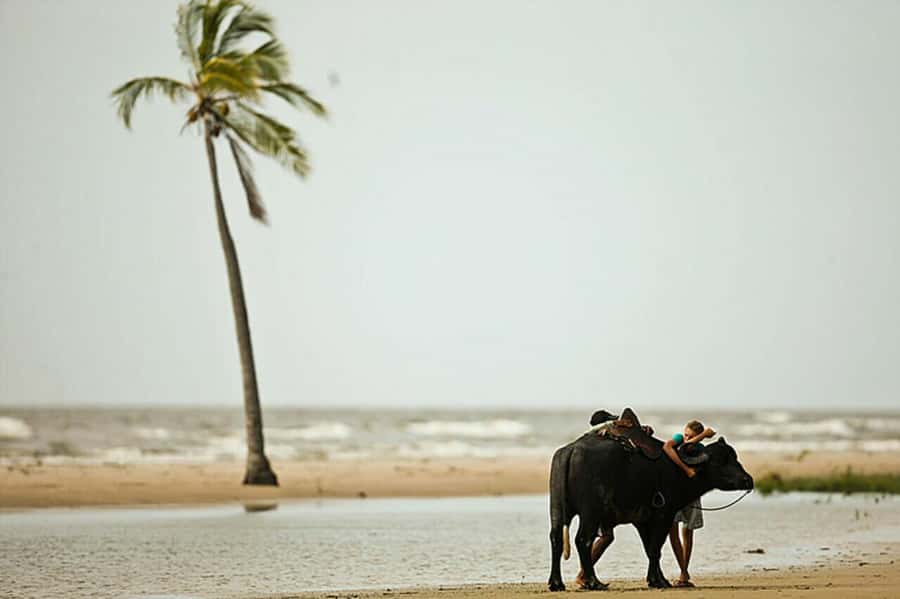
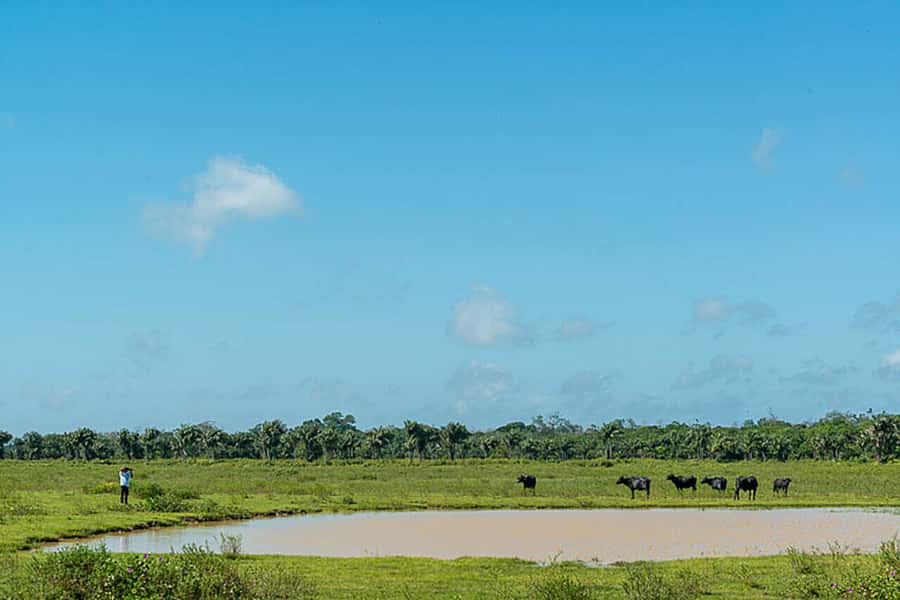
With the Souré plan, you typically arrive by boat at Camará Port, then head straight to a farm area called Araruna Farm. This is where you learn about buffalo farming and how those huge animals fit into local life. You might also hear examples of buffalo use in the area—one highlight in the tour description is that some police officers ride buffalo on patrol, which gives you a vivid sense of how integrated these animals are.
After the farm visit, there’s time for a snack break. Then you continue to a ceramics and buffalo leathercraft center. This part is small, but it can help you connect the dots: you’re seeing how buffalo are not only farmed, but also tied to materials and handmade products.
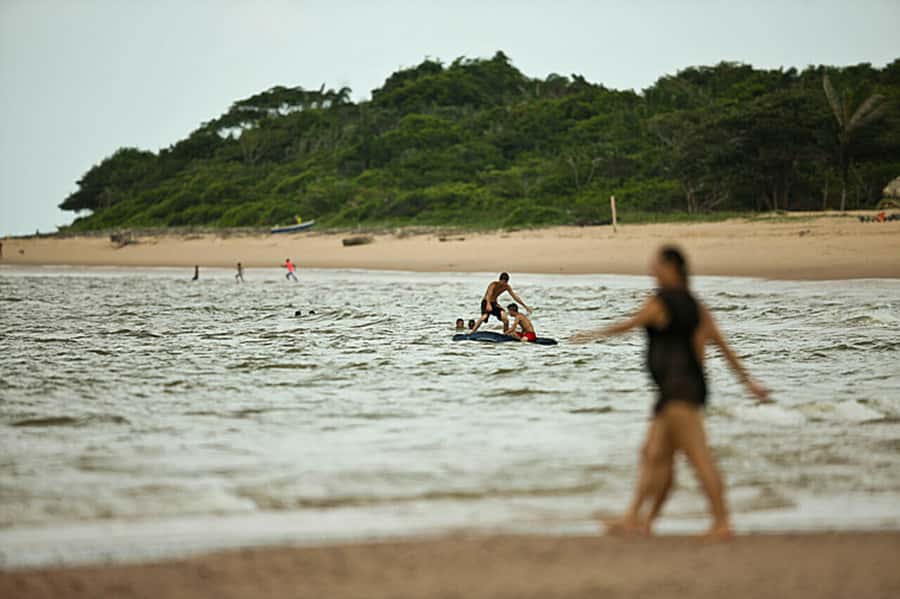
From there, you head to Pesqueiro Beach. This beach sits where the Pará River meets the Atlantic Ocean, so you’re looking at two water systems at once. Plan to slow down. Bring cash if you want snacks or drinks, because lunch is usually not included.
Salvaterra option: UTRAN, açaí education, and Grande Beach
The Salvaterra route starts with arrival by boat at Salvaterra, then continues to the Rural Tourism Unit Açaí Nativo (UTRAN). This is another buffalo-raising and breeding education stop, and it’s designed to show how farming and local knowledge connect.
Next you go to Toca do Açaí, where you learn about açaí—the purple Amazon fruit that ends up on everything from juice to desserts. Even if you’ve had açaí elsewhere in Brazil, it’s worth hearing the story here, because on Marajó it’s tied directly to how people manage and use the land.
Then you unwind on Grande Beach, with time to cool off and swim. After beach time, the boat takes you back to Belém.
How to choose
If you want the calmest beach moment, pick based on Pesqueiro vs. Grande and how much swimming time you want. If you care more about food education, Salvaterra’s açaí stops are a clear advantage.
Also, keep expectations realistic. It’s a long day, and the itinerary can shift when weather changes the river schedule.
Buffalo farm visits: what you’ll actually learn, and how to manage expectations
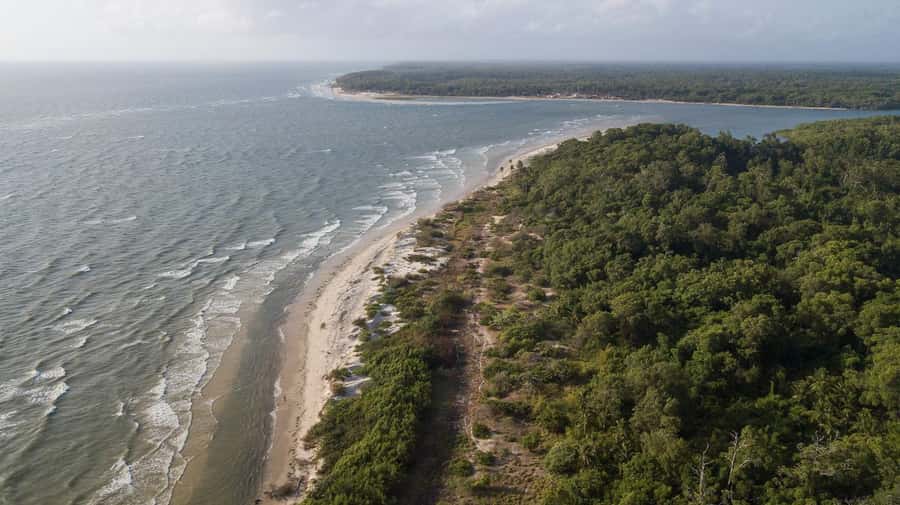
The buffalo portion is the reason many people book this tour, and it deserves careful attention.
In the best version of the day, you get a real farm visit: you see the animals and you hear how buffalo farming supports the island economy and daily routines. You also get context—why buffalo matter beyond the cute factor of huge animals.
You may also notice a “learning + craft” pattern. In Souré, for example, you go from the farm to a ceramics and buffalo leathercraft center. That shift helps you understand that Marajó’s buffalo aren’t only for meat or milk. They’re tied to materials and local skills.
Still, I’ll be honest with you about value judgment. Some days can feel more abbreviated than what’s listed. If a true, hands-on buffalo farm experience is your top priority, I recommend asking your operator (before travel) what the buffalo stop includes that day—especially whether you’ll be seeing working areas on the farm or spending most time in a smaller craft shop area.
This isn’t a “dealbreaker” for everyone. If you’re flexible and just want to see how buffalo fit into the island, even a shorter stop can be worthwhile. But if you came specifically for a deep buffalo-farming walkthrough, protect your expectations.
Beaches on Marajó: where the day turns from boat to relaxation
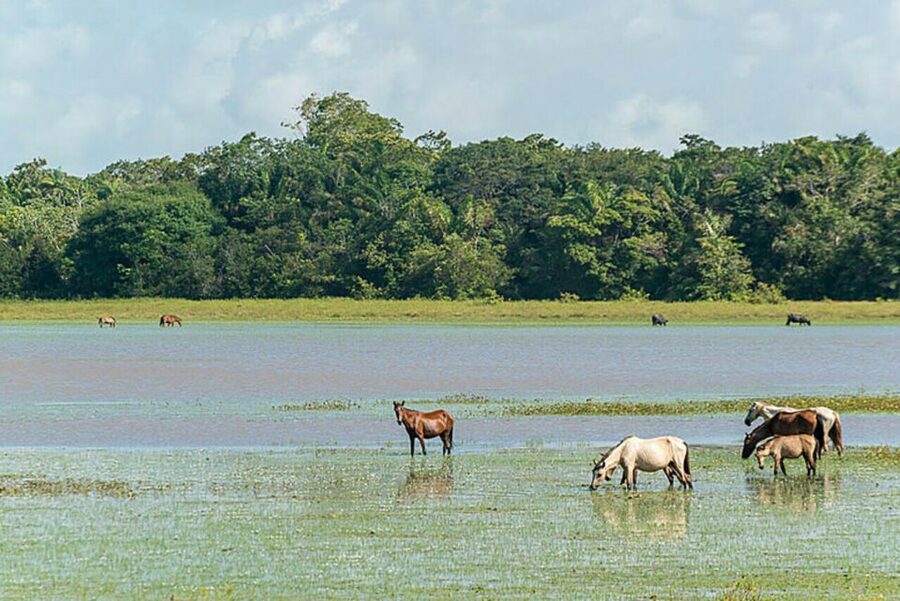
The beaches are where the day becomes Marajó, not just “transport plus stops.”
Pesqueiro Beach for the Souré route
At Pesqueiro, you’re treated to the meeting point of river and ocean. That setting can be more interesting than a generic beach because the water has a different feel depending on where you stand and which direction you’re facing.
You’ll get time to relax, watch the water, and plan a simple beach lunch on your own. Because lunch isn’t included, it’s smart to bring a bit of cash and keep a light appetite—so you can enjoy the beach without waiting around.
Grande Beach for the Salvaterra route
Grande Beach gives you classic beach downtime: sand, time to swim, and less “stop-and-go” energy. If you want the easiest pure-relaxation moment of the day, this is often the beach-style pick.
Either way, you should expect sun. Marajó can be bright, and you’re exposed during boat rides and beach time. Bring basic beach gear (hat, sunscreen, and water).
Craft, ceramics, and local culture: why these small stops matter
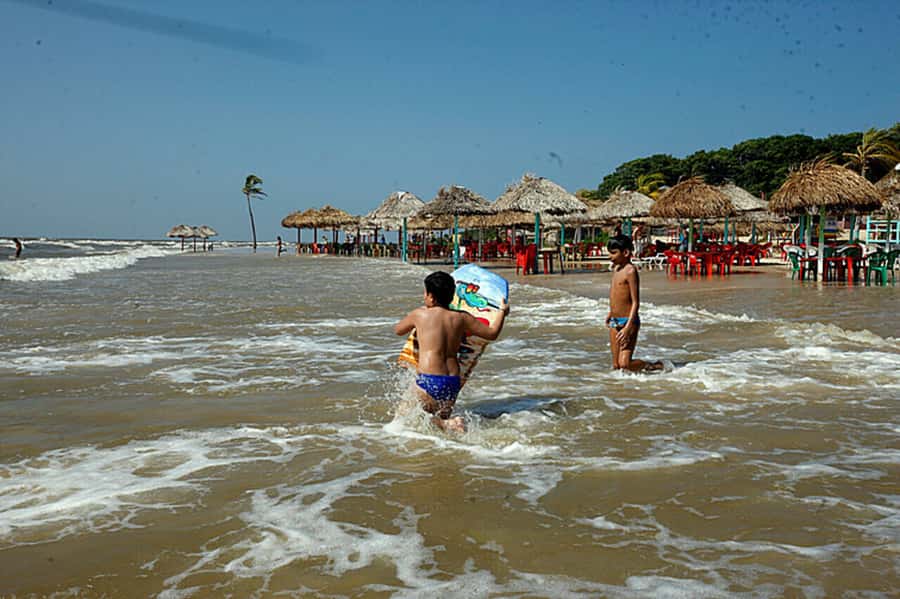
The craft stops might not sound like a headline, but they’re often what makes the day feel authentic rather than touristy.
In the Souré flow, after the buffalo farm you’ll visit a ceramics and buffalo leathercraft center. That’s your bridge between “animal” and “people,” because you see how resources become products. Even if you don’t buy anything, it’s useful context.
In one example day, the route also included a stop connected to Joanes (people reported seeing ruins of Joanes and ending at a beach restaurant). That kind of additional cultural thread can be a bonus, but it can’t be guaranteed—so treat it as a “nice surprise if it happens,” not a certainty.
The big lesson: don’t treat these stops like museum shopping trips. Use them to ask questions of the guide and look closely at how locals explain the work.
Timing and what makes this a long day (in a good way)
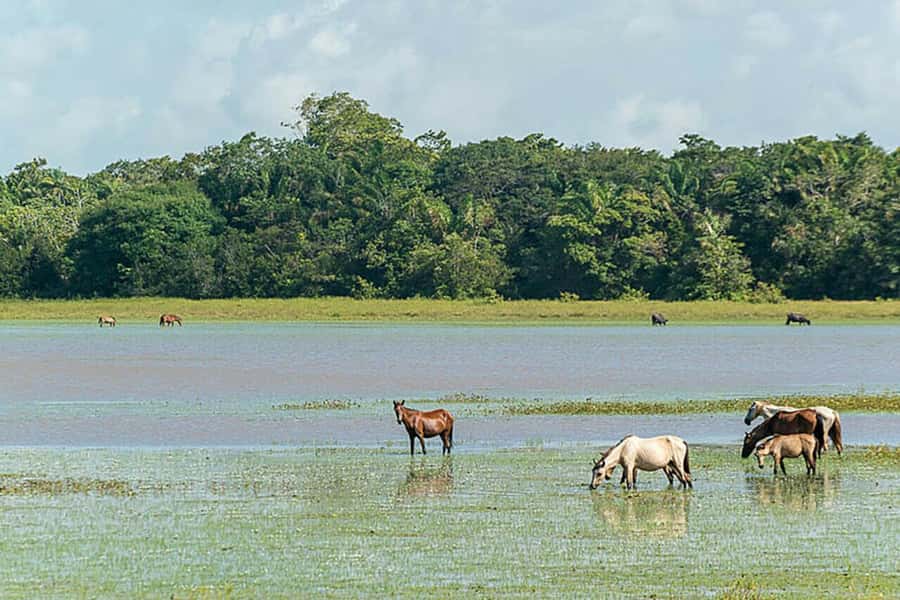
This is a 10-hour day trip, and it feels long because you’re combining river transport with farm and beach time. The upside is that you actually get a slice of island life instead of only touching the shoreline.
The downside is that you need stamina. You’ll be on boats, then on foot around farm areas and beach zones. Also, the tour isn’t suitable for people with mobility impairments, which matters for anyone who needs step-free paths.
If you’re thinking “Can I do this with minimal planning?”—yes, it’s designed for convenience. Hotel pickup and drop-off reduce stress. But you still need to plan for food, sun, and the fact that the day is packed.
Money and value: what the $160 covers, and where extra costs can pop up
At about $160 per person, the tour price isn’t “cheap,” but it also isn’t just a walking tour in a city. You’re paying for pickup, regional boat transport, and a tour guide for the day.
What’s not included is the key part: food and drinks. Lunch is on you. Plan a budget so you don’t feel stuck when you’re hungry and already far from Belém.
Also, watch for small extras that may not be clearly communicated. One booking experience included a surprise moment where the guide’s lunch seemed to be handled with extra help from the group. I can’t tell you your day will be like that, but it’s smart to ask upfront if any meal costs are shared or if any additional payments are expected beyond your own food.
The value check I’d use
Book if you want:
- a guided day across Pará River with a structure already set
- time on a real Marajó beach
- a buffalo-farm explanation built into the schedule
Question it if:
- buffalo farming is your one must-do and you want a very long, detailed on-farm visit
- you’re counting every cent and want zero uncertainty about add-ons (especially around meals)
Who this tour suits best
This fits well if you’re traveling in a pair or solo and want a guided way to access Marajó without renting boats or hiring private drivers. It’s also a good option if you want an intro to island culture—buffalo farming plus craft plus local food context.
You should reconsider if:
- you need accessible routes (the tour is noted as not suitable for mobility impairments)
- you’re strongly sensitive to itinerary changes due to weather
- you’re expecting a long, deep buffalo “working farm” experience at every stop
Should you book this Marajó day trip from Belém?
I’d book it if you want a practical Marajó sampler: river crossing, buffalo farming context, and beach time—organized and guided. It’s a solid value when you treat it as a full-day island overview rather than a detailed farm workshop.
I’d hesitate if buffalo is the single reason you’re going and you want maximum time on-site, with no surprises in what the day actually includes. In that case, message the operator before you go and ask what the buffalo farm segment includes and how much time you’ll spend there.
If you book, do two things to make it better: carry cash for lunch and drinks, and keep your expectations flexible. Marajó rewards calm pacing, and the boat day is part of the charm.
FAQ
How long is the Marajó Island day trip from Belém?
The total duration is 10 hours.
What does the tour include?
It includes hotel pickup and drop-off from Belém, river transport by regional boat, and a tour guide.
Are meals or drinks included?
No. Food and drinks are not included.
Do I get a choice between Souré and Salvaterra?
Yes. You’ll choose between a day trip to Souré and a day trip to Salvaterra.
Which beaches are visited on each route?
On the Souré option, you go to Pesqueiro Beach. On the Salvaterra option, you go to Grande Beach.
What buffalo farm experiences are included?
You visit a buffalo farming/breeding area depending on the option (Araruna Farm for Souré and UTRAN for Salvaterra), plus related local craft/education stops on those routes.
Is the tour guide available in English?
Yes. The live guide works in Portuguese and English.
What documents do I need?
Bring a passport or an ID card.
Will the itinerary change if the weather is bad?
Yes. The itinerary may alter due to weather conditions.
Is the tour refundable if I change my plans?
Yes. It offers free cancellation up to 24 hours in advance for a full refund.
![e-MTB Tour - Durrells Farm & Crab Lake [30Km - 18Mi] - Starting in Corfu Town or Gouvia, meeting at Andrea Kalvou](https://e.farmtourer.com/wp-content/uploads/e-mtb-tour-durrells-farm-crab-lake-30km-18mi-400x267.jpg)