REVIEW · KAILUA KONA
Big Island: Abalone Farm Guided Tour with Tasting
Book on GetYourGuide →Operated by Big Island Abalone · Bookable on GetYourGuide
Abalone looks like sea jewelry up close. On the Big Island, this guided visit to the largest abalone farm in the US walks you through an organic operation and ends with you tasting what they grow.
If you care about how food actually gets made, this is a hands-on kind of tour. I especially liked the way guide Kale translates the farm process into clear, story-based explanations, and I liked tasting grilled abalone in the shell plus a canned version right after the tour.
One consideration: the whole thing is about 1 hour, so it’s very much a sample-and-learn experience, not a full meal.
In This Review
- Key things to know before you go
- Big Island Abalone: What Makes This Tour Worth Your Time
- Finding the Farm Office at 73-357 Makako Bay Dr
- Kale’s Farm Story: Deep-Water Research and the 10-Year Timeline
- Inside the Organic Facilities: Stages, Breeding, and How They Explain It
- Touching Abalone: The Hands-On Moment You’ll Remember
- Dulse Seaweed Tanks: The Superfood Feed Component
- The Tasting: Grilled Abalone in the Shell and Canned Abalone
- Price and Value: Why $31 Feels Fair for This Format
- How to Plan Your Day Around a One-Hour Farm Visit
- Who This Tour Suits Best (and Who Might Skip It)
- Should You Book This Big Island Abalone Farm Tour?
- FAQ
- How long is the Abalone Farm Guided Tour with Tasting?
- Where does the tour start?
- Is the tour guided?
- What’s included in the tasting?
- Is there a shopping discount after the tour?
- Does the tour run at different times?
- Can I cancel for a refund?
- Is it possible to reserve without paying right away?
- Is the tour suitable for wheelchair users?
Key things to know before you go
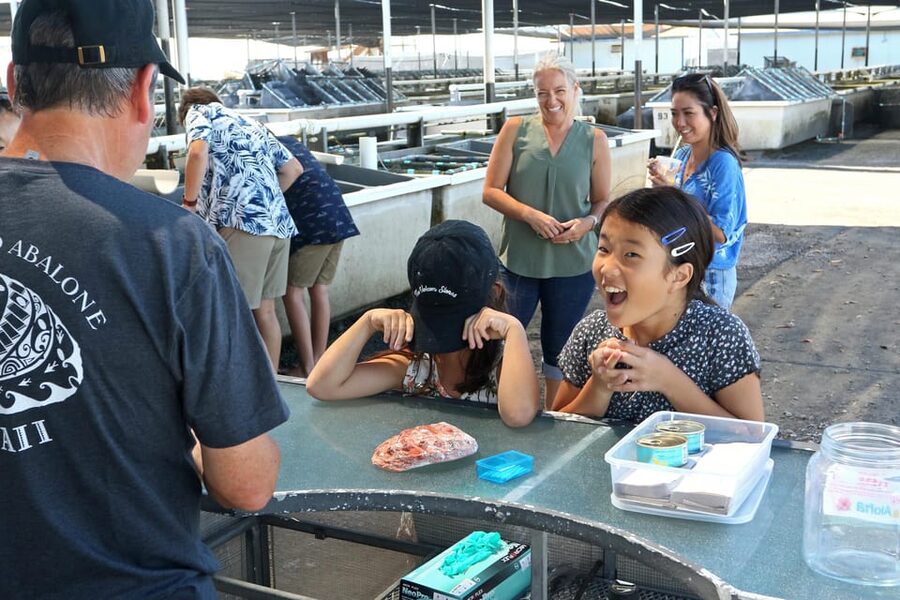
- A real look at an abalone operation: you walk through the working facilities and see how production moves from stage to stage.
- Growth takes years, not weeks: the tour explains how abalone farming can last up to 10 years.
- Hands-on moments: you can touch abalone, and if you want, you may be able to hold some during the tour.
- Dulse seaweed tanks are part of the system: you’ll see the organic seaweed growing tanks and learn how it fits in.
- Two tastings, two textures: grilled abalone in the shell and canned abalone, plus you’ll also get a seaweed tasting.
Big Island Abalone: What Makes This Tour Worth Your Time
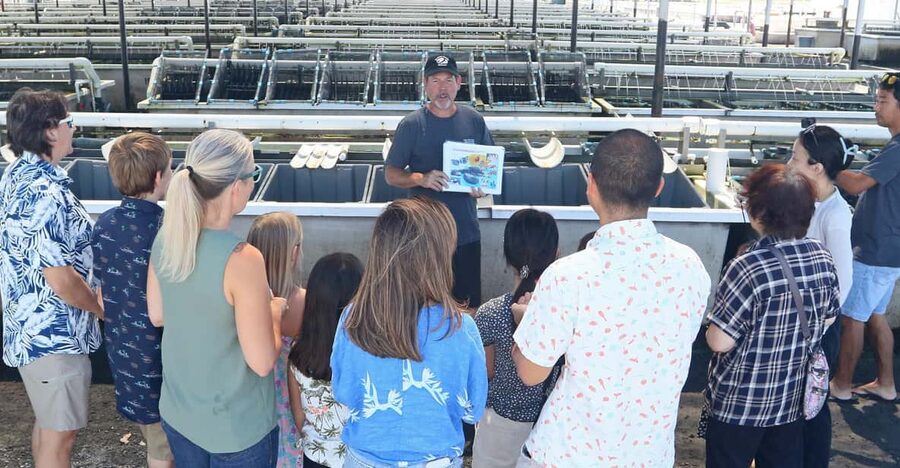
The Big Island has plenty of wildlife and plenty of beaches. This tour goes a different direction. You’re trading salt air for a working farm, plus you get to taste the product at the end, which makes the whole hour feel like it has a payoff.
I like experiences where you leave with a new respect for the process. Here, the focus is abalone—what it is, how it’s raised, and how it gets to your plate. And because the farm is run as an organic and sustainable operation, the explanation isn’t just show-and-tell. It’s about why their methods matter.
Also, the guide runs the tour in English and keeps it active. You’ll be listening, yes, but you’ll also see demonstrations and get hands-on time. That combination is why this feels more satisfying than a quick roadside stop.
You can also read our reviews of more tours and experiences in Kailua Kona.
Finding the Farm Office at 73-357 Makako Bay Dr
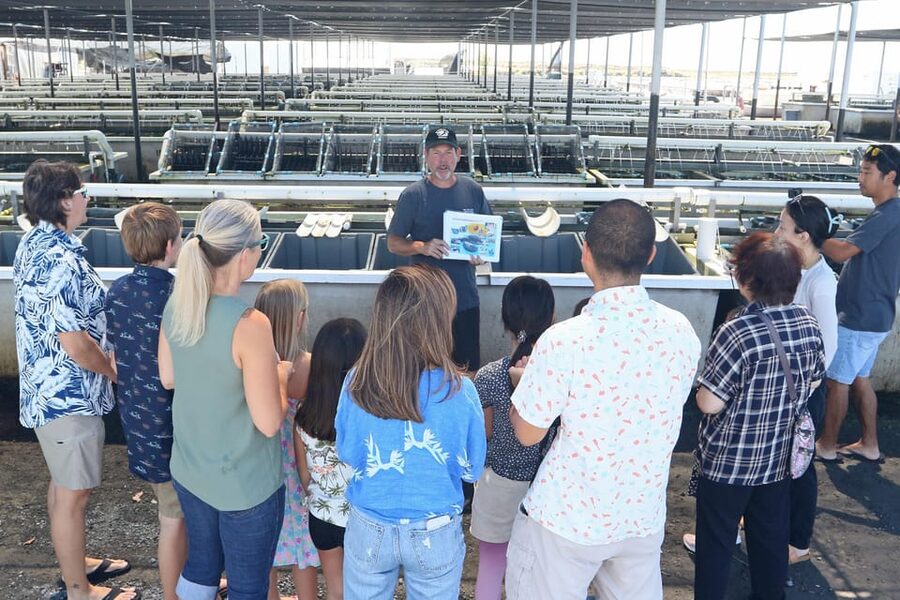
You’ll start at the farm office at 73-357 Makako Bay Dr. When you arrive, look for the blue building right after the entrance, then check in there. From the start, the team keeps it straightforward, which matters because you want to be at the right place before your group goes inside and starts moving through the facilities.
Plan for short walks around working areas. This isn’t a wheelchair-friendly style of stop, so if mobility is a concern, you’ll want to think ahead. Even if you’re able-bodied, wear shoes you don’t mind getting slightly dusty or damp, since you’re visiting a farm environment.
Timing is simple: the tour runs about 1 hour, and starting times vary by availability. That’s a good thing if you’re trying to build your day without committing to an all-morning or all-afternoon block.
Kale’s Farm Story: Deep-Water Research and the 10-Year Timeline
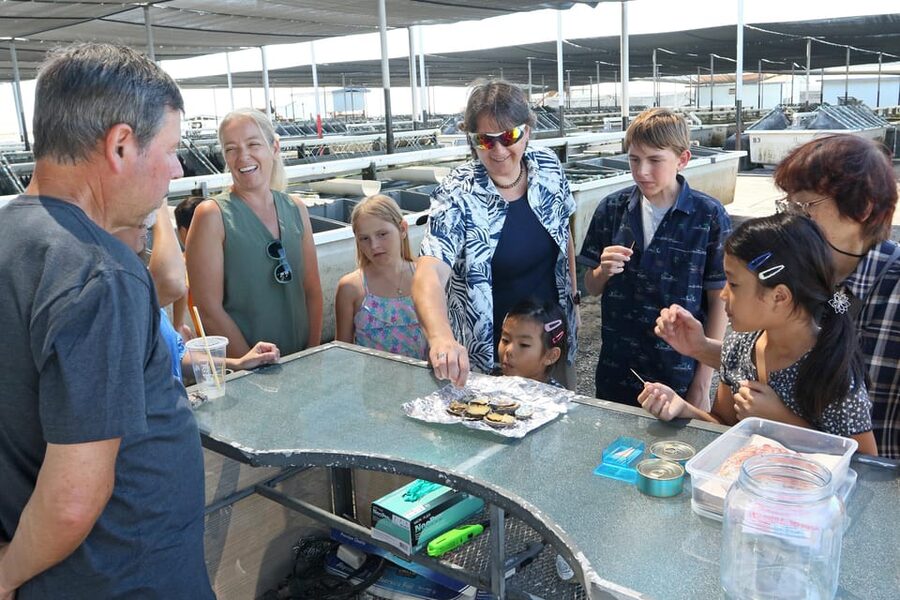
The tour begins with a welcome and a brief history of the operation, including the idea of deep-water research. That context helps you understand why abalone farming isn’t just a hobby. It’s tied to science, water conditions, and long-term husbandry.
Then the guide shifts to the farm itself—what they grow, what they pay attention to, and what types of abalone are used. I like how this sets expectations early. Instead of dumping facts, the guide builds a mental map of the process, so when you see equipment later, it has meaning.
One of the most useful points is the timeline: abalone growth can last up to 10 years. You’ll hear why that long timeline affects everything from breeding to facility planning. It also changes how you think about value. You’re not tasting something that was produced quickly. You’re tasting the result of years of consistent care and monitoring.
Inside the Organic Facilities: Stages, Breeding, and How They Explain It
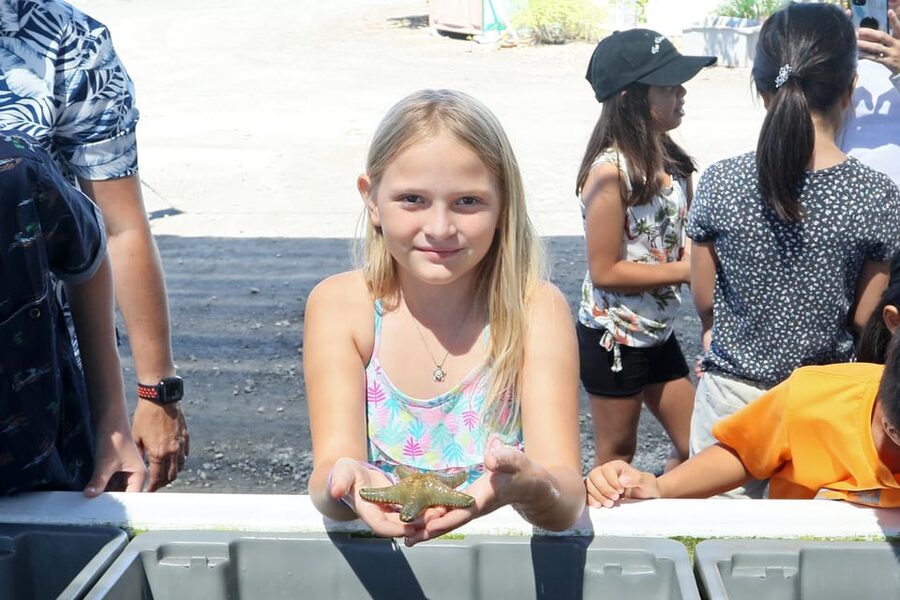
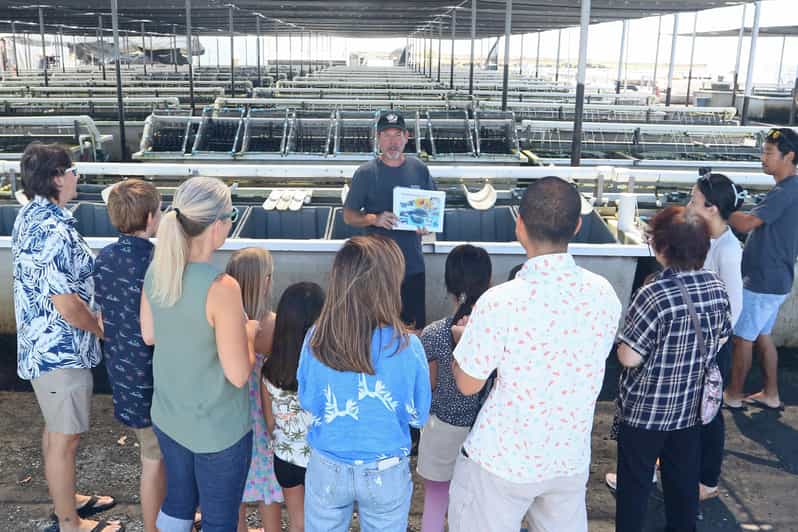
As you move through the farm facilities, you’ll get explanations of different stages in production. The tour includes demonstrations of those stages, which is where a guided format really earns its keep. Facilities can look like equipment rooms if you’re walking past them on your own. With a guide, you understand what you’re seeing and why it exists.
Breeding is another key theme. The guide explains the breeding process in a way that connects to what you’ll eat later. If you’ve never thought about how seafood starts before it’s seafood, this is the part that changes your perspective.
There’s also a hands-on option related to breeding stock. If you want to, you may be able to hold some abalone during the tour. That’s not just a fun add-on. It reinforces the reality that this is a living animal being raised carefully over time.
Touching Abalone: The Hands-On Moment You’ll Remember
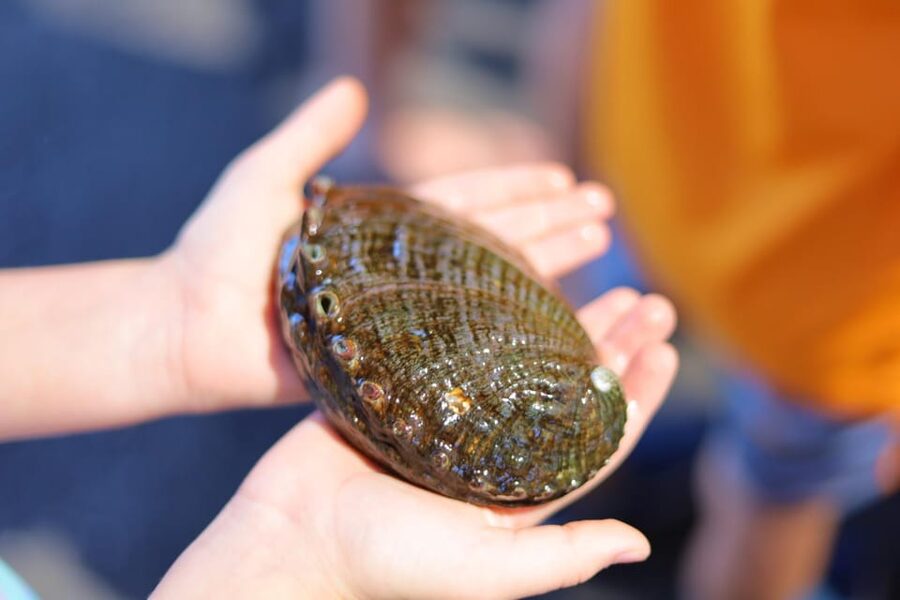
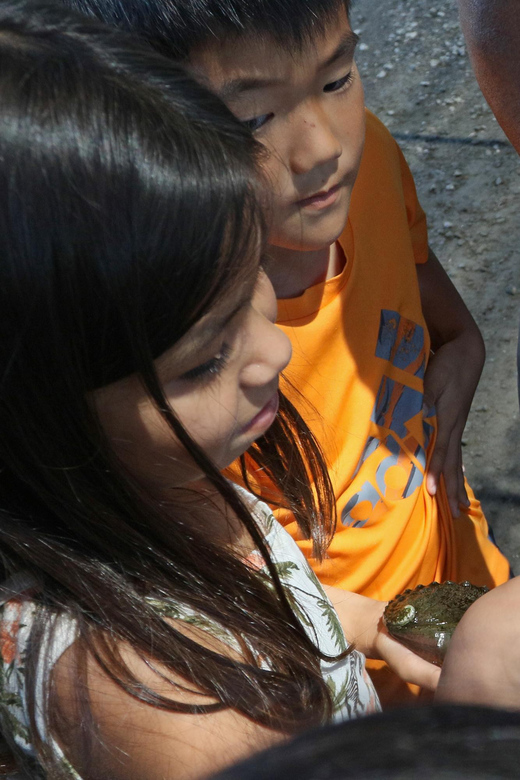
Most food tours stop at explanation. Here, you get a chance to physically interact with the subject—touching abalone as you learn how they grow over months and years. That hands-on moment makes the biology feel real, not abstract.
The texture of abalone is part of the learning. Even if you’ve eaten it before, touching it puts you in a different mindset. You start noticing that this isn’t interchangeable shellfish. Abalone is a specific animal, with its own growing needs and a unique pathway from facility to plate.
If you’re the type who gets more from experiential learning than from lecture-style tours, you’ll appreciate this setup. You’ll leave with a clearer picture of what you tasted at the end and how it connects to the farm stages you watched earlier.
Dulse Seaweed Tanks: The Superfood Feed Component
One of the most interesting sections of the tour is the part focused on dulse seaweed. You’ll see the organic seaweed growing tanks and learn how it’s used as feed for the abalone. In other words, this isn’t only about raising an animal. It’s also about raising the ecosystem ingredients that support it.
Dulse is presented as a “superfood” style ingredient, and you’ll get a tasting that connects the farm system to food you can recognize. This is also where many people realize that seaweed isn’t just a novelty. Used properly, it’s a nutritious part of a system, and the flavors can be surprisingly approachable.
If you’re cautious about trying unfamiliar foods, take this as a low-pressure way to test a new ingredient. You’re already in a guided environment, so you can listen to how they use it and then decide how much you like it.
The Tasting: Grilled Abalone in the Shell and Canned Abalone
The tour ends with tasting, and it’s set up well. You’ll taste delicious abalone grilled in the shell, plus you’ll taste a canned version. That pairing is smart because it helps you learn the difference between preparation styles without needing a full seafood meal.
The grilled serving gives you a sensory connection to the animal itself—warm, smoky, and centered on the shell presentation. The canned version is the reality check: it shows what happens when abalone is processed and preserved. You get contrast, not just repetition.
You’ll also likely want to pay attention to what pairs with the grilled serving. One standout detail from people who’ve done this tour: the garlic butter abalone has real fans. If garlic butter is your thing, this is your chance to enjoy it right in the context of a farm-to-table explanation.
And don’t skip the seaweed part of the tasting. Dulse tasting is often where the tour’s “this is actually good” moment happens, especially if you thought seaweed would be an acquired taste.
Price and Value: Why $31 Feels Fair for This Format
At $31 per person, this tour sits in the “worth it if you care” category. It’s not cheap enough to be purely casual, and it’s not expensive enough to require you to be a die-hard food hobbyist. That sweet spot usually signals good value: you’re paying for a guided facility experience plus multiple tastings, including abalone prepared two ways.
The tour lasts about 1 hour, so you’re paying for an efficient time block. You’re also not just receiving an explanation—you’re tasting what they produce. That matters, because the value comes from linking process to flavor, not from viewing equipment alone.
There’s also a 10% shopping discount included with the experience. That can meaningfully stretch your budget if you’re planning to buy abalone products (or related items) afterward. If you’re the type who likes bringing a specific local food home, this discount makes the tour feel even more practical.
How to Plan Your Day Around a One-Hour Farm Visit
Because it’s just 1 hour, this tour fits neatly into a packed Big Island itinerary. It’s a good option on days when you want something educational but not physically demanding for an entire morning.
If you’re combining it with beaches or hikes, try to schedule the tour earlier rather than later. You’ll taste food at the end, and it’s easier to enjoy a light meal after when your timing is clean. Also, you’ll get the most from the tour when you’re not rushing to make five other stops.
A small planning note: the tour isn’t suitable for wheelchair users. If you’re coordinating accessibility needs for anyone in your group, you’ll want to confirm fit with staff ahead of time. For everyone else, plan for walking and standing during the facility portion.
Who This Tour Suits Best (and Who Might Skip It)
This is a strong fit for you if you like food that has a clear origin story. If you enjoy learning about aquaculture, sustainable farming, or how long-term production works, you’ll get a lot out of the explanations of stages and breeding.
It’s also a good pick if you want a hands-on component. Being able to touch abalone, and possibly hold some, adds a tactile memory you won’t get from a passive exhibit.
You might consider skipping if you’re expecting a full restaurant-style meal or a long, leisurely tour. With a 1-hour format, you’ll get tastings, not a sit-down feast. The value is in the learning and the sample tastings, not in time at a table.
And if you don’t like trying new ingredients, know that the tasting includes both abalone and dulse seaweed. You don’t have to love it, but you’ll be tasting it as part of the experience.
Should You Book This Big Island Abalone Farm Tour?
I’d book this if you want an authentic, farm-focused experience that ends with you eating the result. The biggest reasons to say yes are simple: you learn how abalone production works over a long timeline, you get hands-on contact during the tour, and the tasting includes both grilled abalone in the shell and canned abalone so you can compare.
If you’re only looking for a quick tourist photo stop, this may feel like too much biology for too little time. But if you’re curious about sustainable seafood and you like turning knowledge into something you can taste, this one-hour Big Island abalone tour is a smart use of your time.
FAQ
How long is the Abalone Farm Guided Tour with Tasting?
The tour lasts about 1 hour.
Where does the tour start?
You check in at the farm office, the blue building located right after the entrance at 73-357 Makako Bay Dr.
Is the tour guided?
Yes. It includes a live tour guide and is conducted in English.
What’s included in the tasting?
You’ll taste abalone, including grilled abalone in the shell, plus a canned version. The tour also includes seaweed as part of what you learn and taste.
Is there a shopping discount after the tour?
Yes. You get a 10% shopping discount as part of the experience.
Does the tour run at different times?
Starting times vary, and you’ll need to check availability for the schedule.
Can I cancel for a refund?
Yes. Free cancellation is available up to 24 hours in advance for a full refund.
Is it possible to reserve without paying right away?
Yes. You can reserve now and pay later.
Is the tour suitable for wheelchair users?
No, it is not suitable for wheelchair users.