REVIEW · KIGALI
Women-led Coffee Farm Trek
Book on Viator →Operated by Question Coffee - Coffee Experiences · Bookable on Viator
Coffee with a cause beats a museum. In Kigali, you’ll see Rwanda coffee made step by step, with a small group and a women-run focus.
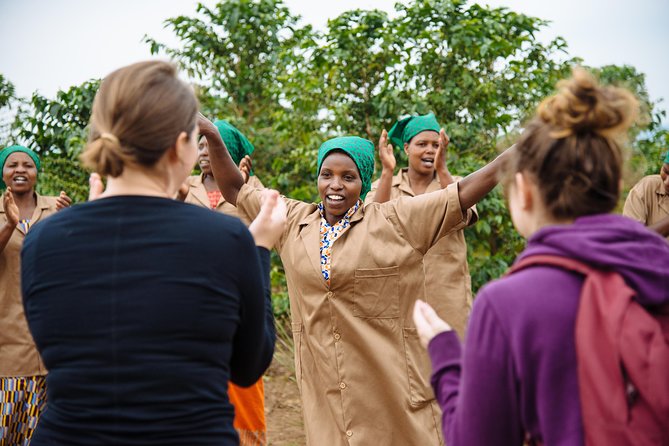
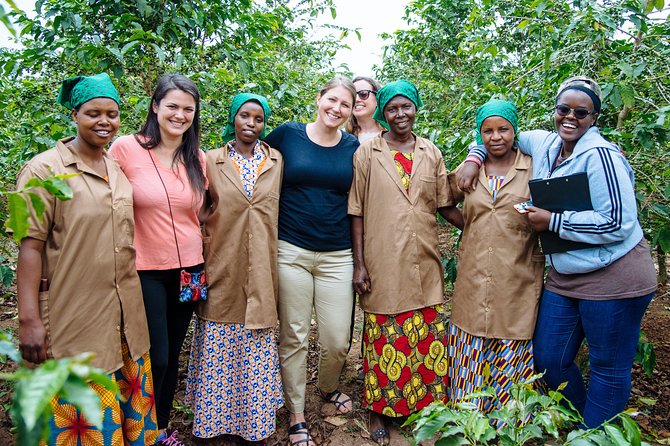
I love the hands-on coffee process you’ll be shown, from how cherries are handled through preparation and roasting. I also love the energy of the day at the Women’s Opportunity Center, where the welcome includes song and dance and the guide Patty keeps things friendly and hands-on.
One thing to plan around: it’s a full 8 hours starting at 8:00 am, and the experience needs good weather (plus you’ll follow the COVID rules).
In This Review
- Key highlights to know before you go
- Kigali coffee, women at the center of the story
- Getting started at Question Coffee Gishushu (and why the small group matters)
- URUGO Eco-Lodge and the Women’s Opportunity Center: lunch, crafts, and a real welcome
- The coffee trek itself: what you’ll learn from cultivation to roasting
- The route drive and the upbeat vibe you should expect
- Lunch at URUGO Eco-Lodge: fuel for a full-day farm visit
- Price and value: is $150 fair for this kind of coffee experience?
- Who this tour suits best (and who might want a different pace)
- Weather, masks, and other day-of reality checks
- Should you book this Women-led Coffee Farm Trek?
- FAQ
- What time does the Women-led Coffee Farm Trek start in Kigali?
- How long is the coffee farm trek?
- What’s included in the tour price?
- What is the group size limit?
- Where does the tour begin and end?
- What are the COVID-19 requirements?
- What is the cancellation policy?
Key highlights to know before you go
- Women-led coffee production you can watch, not just read about
- Small group size (max 15) for a more personal feel
- Lunch included at the Women’s Opportunity Center area
- Song-and-dance welcome right when you arrive
- Visit to the Women’s Opportunity Center for handicrafts and related work
- A guided flow from harvest to roasting that explains what you’re seeing
Kigali coffee, women at the center of the story
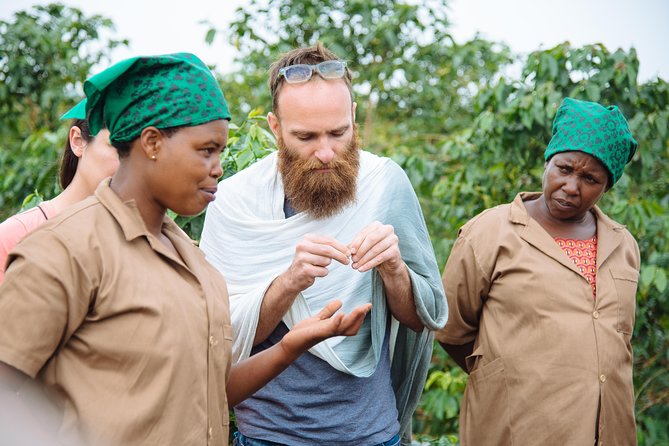
Rwanda’s coffee is famous for delicate flavor. What I like about this trek is that it doesn’t treat coffee like a product on a shelf. You’re shown the work behind the cup, and you’re doing it in a setting led by female farmers and women-focused community projects.
This matters because coffee is labor-intensive. The time and care you don’t see at your breakfast table show up here—choices made in the field, then again after harvest when the beans are processed and roasted. If you’ve ever wondered why one cup tastes brighter or smoother than another, this kind of tour gives you a practical answer: the work changes the outcome.
And it’s not just about the coffee. You also spend time at the Women’s Opportunity Center, where you can see handicrafts and learn how the wider community builds income and opportunity around the same values of sustainability and local empowerment.
Getting started at Question Coffee Gishushu (and why the small group matters)
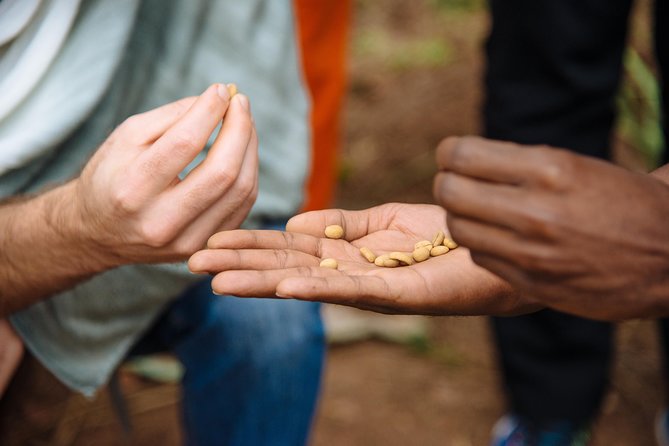
You’ll start at Question Coffee Gishushu, at 8 KG 8 Ave in Kigali. The start time is 8:00 am, and the tour loops back to that same meeting point at the end.
The price is $150 per person, and the tour duration is listed as about 8 hours. At this length, the small-group limit becomes a real quality factor. This experience is capped at 15 travelers, which typically means less standing around and more time for questions while you’re at the farm and processing areas.
You’ll also receive a mobile ticket, which keeps the day simple. And if you’re traveling with a group, there are group discounts available—useful if you’re combining this with other Kigali plans and want to spread the cost.
One more practical note: the confirmation is said to arrive within 48 hours of booking, subject to availability. So if your trip dates are tight, don’t book this as an afterthought—lock it in early enough to secure your spot.
URUGO Eco-Lodge and the Women’s Opportunity Center: lunch, crafts, and a real welcome
The first stop is URUGO Eco-Lodge at the Women’s Opportunity Center. This is where the day starts to feel less like a quick sightseeing hit and more like a community visit.
You’ll have lunch here, and the tour includes an admission ticket for this stop. I like that lunch is built into the program. It keeps you from trying to find food on your own while you’re out in the morning and rolling into the afternoon activities.
This is also where you’ll see the Women’s Opportunity Center side of the story—handicrafts and more. Even if you’re not shopping, it’s worth paying attention. Handicrafts usually reflect training, tools, and regular work rhythms. Seeing it in person helps you connect why coffee tours that center women matter beyond the “cute” factor.
And from what I’ve heard, the arrival energy is part of the experience. There’s a greeting with song and dance, and guide Patty is described as very helpful and involved. If someone invites you into the moment, don’t overthink it. Join in if you’re comfortable. It’s not about performance; it’s about sharing the space with the people who live and work there.
The coffee trek itself: what you’ll learn from cultivation to roasting
The tour is designed around the full coffee chain. You’ll visit a coffee farm outside Kigali (positioned near Akagera National Park), and you’ll get explanations for how the beans move from harvest through preparation and roasting.
Here’s what that means in plain terms for your day:
- You’ll see the farm work in action, so coffee doesn’t stay abstract. You’ll be shown the steps farmers take and what changes between stages.
- You’ll understand processing at a human scale. Instead of just seeing a bag of beans, you’ll get a window into how the coffee is handled after picking.
- You’ll see roasting as a key step, not a mystery box. Roasting is where a lot of flavor character gets shaped, and watching it with guidance helps you connect flavor to process.
A lot of coffee tours stop at the view. This one aims to connect views to work. If you’re the type who loves asking questions—about how cherries are managed, how beans are prepared, and what roasting is doing—this is the kind of tour that rewards curiosity.
If you’re less into the technical side, the best approach is to focus on what you can compare. Watch how one stage sets up the next. When you see the sequence clearly, you’ll start tasting explanations, even if you don’t do a formal tasting in every cup.
The route drive and the upbeat vibe you should expect
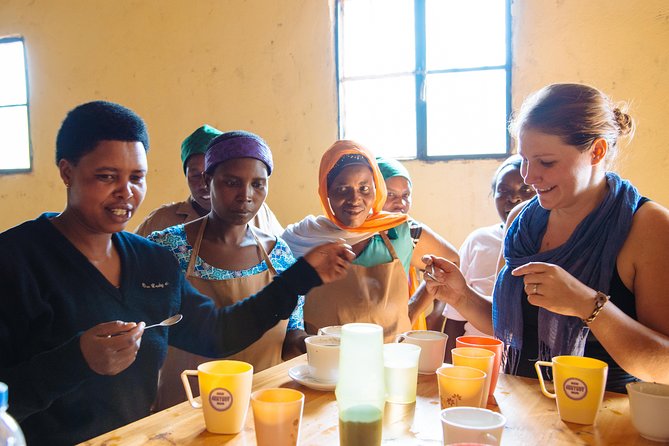
The day includes a drive outward, and one name that shows up in the experience is Tuk CoOp. Even if you don’t know what it is before you go, the tour context makes it part of the larger coffee network picture—where the work connects to cooperative systems and how products reach markets.
What I find smart here is pacing. The drive and the handoff moments help you shift mentally from Kigali city mode into farm/community mode. Then when you arrive, you’re not rushed. That makes it easier to absorb the “why” behind each step.
And the vibe is described as welcoming and lively. You’re greeted with song and dance, and the guide Patty is noted for joining in and answering questions during the tour. If you tend to be a bit shy, this is still a good sign. An active guide usually means there’s less awkward silence and more clear guidance.
Lunch at URUGO Eco-Lodge: fuel for a full-day farm visit
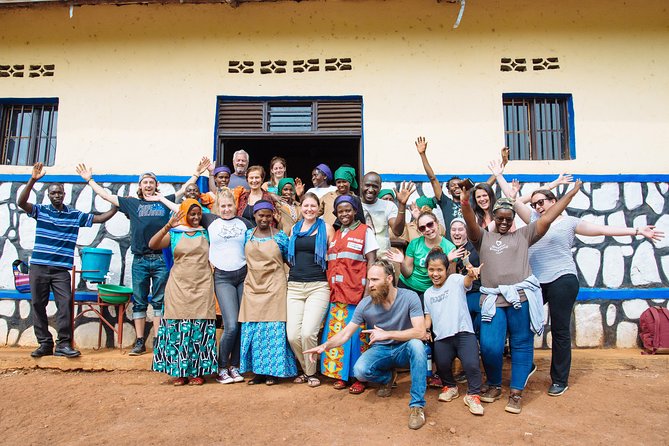
Because the program runs about 8 hours, food timing is more than a footnote. Lunch is included, and it happens at the URUGO Eco-Lodge at the Women’s Opportunity Center.
Why this is a value point: farm days often involve walking, waiting, and switching between different stations. When lunch is part of the schedule, you’re not juggling your own plan while you’re trying to concentrate on what you’re being shown.
I’d treat lunch as your anchor. Eat well, hydrate, and plan to stay present afterward. After lunch, you’ll likely be in learning mode—watching processing steps and roasting—so your energy level affects how much you get out of the day.
Price and value: is $150 fair for this kind of coffee experience?
At $150 per person, you’re not paying for a quick photo stop. You’re paying for a guided day that includes:
- a full morning start and about 8 hours of programming
- lunch included
- admission ticket included at the Women’s Opportunity Center stop
- a small group capped at 15 travelers
- a structured look at coffee production steps and women-led work
In other words, the cost isn’t just the route. It’s the access—someone has to coordinate visits, guide interpretation, and keep the flow moving so you can see more than one part of the process.
If you’re the type who plans activities around meaning (not only scenery), this price tends to feel more reasonable. The experience centers women’s work and includes crafts, so you’re supporting income and skills in multiple forms, not only coffee production.
If you’re only mildly interested in coffee mechanics, you might want to pair this with something else you care about in Kigali so the day feels like a good match for your interests. But if you like learning how products are made, and you appreciate community-led work, this is strong value.
Who this tour suits best (and who might want a different pace)
This trek is a good fit if you:
- care about coffee beyond taste, especially the farm-to-processing chain
- enjoy meeting people and stepping into a community setting
- like small-group travel where you can ask questions
- want a Rwanda experience connected to women’s economic empowerment and sustainability
Most travelers can participate, and service animals are allowed. So the overall activity seems designed to be approachable for many visitors, though it is still a day trip with time outdoors and in working areas.
If you’re traveling with limited mobility or you dislike being on your feet for long periods, you’ll want to think carefully before committing, especially with an 8-hour schedule. The tour data says most travelers can participate, but it doesn’t list details about walking intensity or surfaces.
Weather, masks, and other day-of reality checks
This experience requires good weather. If it’s canceled due to poor weather, you’ll be offered a different date or a full refund. So it’s worth watching your Kigali forecast the week you go, and keeping your schedule flexible.
You’ll also need to follow the stated health requirements: negative COVID-19 test results and a mask required. Rules can change while you’re traveling, so check again shortly before your date to avoid last-minute surprises.
Finally, you’re starting early. If you’re the type who functions better after breakfast and a slow morning, set your expectations. An 8:00 am start makes the day feel full—but it also helps you finish while you still have time for evening plans back in Kigali.
Should you book this Women-led Coffee Farm Trek?
Book it if you want coffee that comes with context—real work, women-led production, and a welcoming community atmosphere. The small group size, the hands-on production focus, and the fact that lunch plus the Women’s Opportunity Center stop are included make this feel like a complete half-day-to-full-day experience rather than a rushed add-on.
Skip it (or consider alternatives) if you’d rather spend your time in Kigali doing less scheduled, less structured activities, or if you dislike early starts and weather-dependent plans. Also, if you’re not interested in coffee beyond a simple tasting, you may find the day more “process-focused” than “treat-focused.”
If your goal is to see how Rwanda coffee becomes a morning cup—and to do it in a way that centers women’s work—this is a very solid choice.
FAQ
What time does the Women-led Coffee Farm Trek start in Kigali?
It starts at 8:00 am at Question Coffee Gishushu in Kigali.
How long is the coffee farm trek?
The duration is listed as about 8 hours.
What’s included in the tour price?
The tour includes lunch and an admission ticket for the stop at the Women’s Opportunity Center area.
What is the group size limit?
This experience is limited to a maximum of 15 travelers.
Where does the tour begin and end?
It begins at Question Coffee Gishushu and ends back at the same meeting point.
What are the COVID-19 requirements?
The tour requires negative COVID-19 test results and a mask required.
What is the cancellation policy?
You can cancel for a full refund if you cancel at least 24 hours before the experience’s start time. Free cancellation is offered, but changes within 24 hours aren’t accepted, and late cancellations aren’t refunded.