REVIEW · ZANZIBAR CITY
STONE TOWN and SPICE FARM TOUR ( Lunch Included )
Book on Viator →Operated by Zanzibar marab · Bookable on Viator
Stone Town has a way of grabbing you fast. This short tour links Stone Town classics to a real spice farm visit at Jambo Spice Farm, run with lively story time from guide Abu. You’ll also get time to browse local shops before lunch, so the day feels more like a guided ramble than a rushed checklist.
What I like most is the double payoff: you get the old streets of Zanzibar City first, then you move straight into spice-growing and spice use, not just talk about it. I also really like that lunch is built in, with Swahili food served in Stone Town, so you’re not hunting for a meal after walking around.
The only real consideration is the pace. It’s short and active, with a walking Stone Town portion plus a farm visit, so if you dislike walking or hate feeling time-boxed, plan for comfortable footwear and accept that you won’t see every shop or side street.
In This Review
- Key Things You’ll Notice on This Zanzibar Combo
- Stone Town’s Best Hits in One Walking Circuit
- Why Abu’s Story Style Makes the Streets Make Sense
- Lunch in Stone Town: Swahili Food as Part of the Plan
- Jambo Spice Farm: More Than a Photo Stop
- The Coconut Climber and the Gift-Making Moment
- Air-Conditioned Pickup, Private Time, and a Realistic Pace
- Price and Value: What $130 Really Buys You
- Who This Tour Fits Best (and Who Might Want to Rethink)
- Tips to Get the Most Out of Your Stone Town + Spice Day
- Should You Book This Zanzibar Marab Tour?
Key Things You’ll Notice on This Zanzibar Combo

- Stone Town stops with big names: old slave market area, House of Wonders, old fort, Freddie Mercury House, and Tippu Tippu House
- Shopping time that actually fits: a pause to browse shops for family gifts and souvenirs
- Jambo Spice Farm plantations: ginger, turmeric, vanilla, paper (as listed), and more
- Spice uses in daily life: guidance on how spices show up in food and medicine
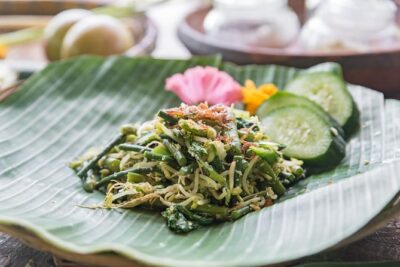
- Lunch included in Stone Town: Swahili food served during the Stone Town portion
- Pickup + private group: air-conditioned vehicle, and it’s just your group
Stone Town’s Best Hits in One Walking Circuit

Stone Town is Zanzibar City’s showpiece. It’s old, detailed, and layered, and this tour is timed so you’re not stuck staring at one landmark for too long. You start with a walking tour through the historic core, where you’ll pass recognizable locations and also get help spotting the stories behind them.
You’ll visit a set of standout places, including the old slave market area, the House of Wonders, the old fort, the Freddie Mercury House, and the Tippu Tippu House. That mix matters. It keeps the tour from feeling like a museum-only route. You’ll get architecture and place names, yes, but you’ll also hear how Zanzibar’s history shaped everyday life on the island.
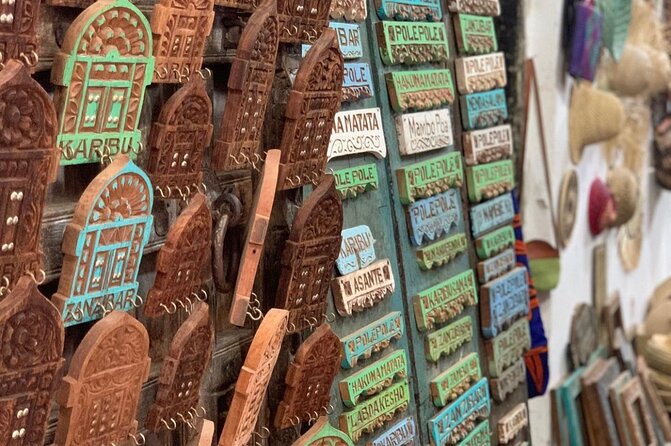
There’s also downtime baked in for shopping. In Stone Town, the streets are lined with small shops and fabric sellers, and souvenirs are everywhere. Instead of being rushed out the moment you arrive, your guide builds in time for browsing. That means you can actually buy a few gifts for family members or keep an eye out for something specific, like clothing or spice-related items, without turning the day into a mad dash.
Practical tip: wear shoes you don’t mind taking slow steps in. Stone Town is all about walking, and this tour leans on that.
You can also read our reviews of more tours and experiences in Zanzibar City.



Why Abu’s Story Style Makes the Streets Make Sense
A lot of tours list landmarks. This one tries to connect them with meaning. The guide, Abu, is the glue that turns “I saw a building” into “I understand why that building exists.” The pace is built around story telling about Zanzibar and Tanzania more broadly, so you get context rather than only names.
In Stone Town, that context helps you move through the area smarter. You’re not just following directions. You’re learning what to look for while you walk. Many stops are easy to miss if you’re there alone, especially smaller historical sites tucked into the flow of daily life.
Abu also gives you time to ask questions. That’s where the experience becomes personal. People doing the tour solo or as a couple often seem to like that the guide keeps things conversational and responsive, including talking through what the place meant and what you might want to focus on next.
And there’s a nice bonus in the overall feel: the day doesn’t have that hard, march-like energy. It feels like a guided stroll with real explanations.
Lunch in Stone Town: Swahili Food as Part of the Plan
Lunch isn’t an afterthought here. The tour includes lunch during the Stone Town portion, and it’s Swahili food. That matters for two reasons.
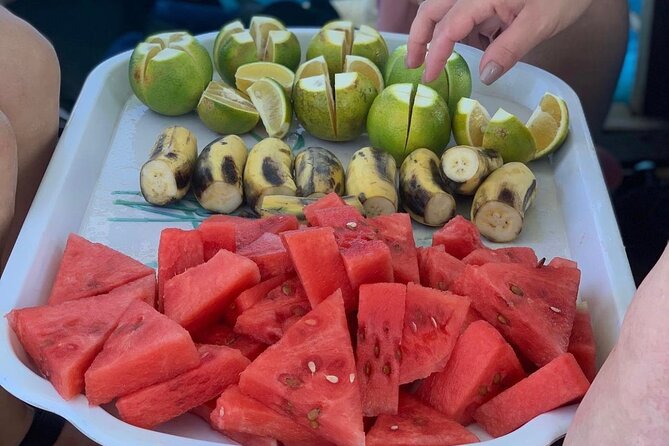
First, you’re eating local food in the zone you’ve been walking through. Second, it removes one big travel headache: you don’t have to find a place at the exact moment your feet and hunger team up.
One detail to watch: lunch is based on advance lunch ordering. If you want lunch, you need to book between 08:00 and 10:30 to reserve the order. So if you’re arriving later in the day, double-check that your timing still works with that window.
In practical terms, this lunch break also helps you reset before the spice farm portion. Spice farms are hands-on and can feel sensory, with strong smells and lots of explanations. Eating first keeps the afternoon part of the day from feeling like a test of endurance.
Jambo Spice Farm: More Than a Photo Stop

After Stone Town, you head to Jambo Spice Farm for the spice side of the story. This is where the day gets more grounded. You’re no longer looking at history from the outside. You’re seeing spice plantations, learning how spices are grown, and then hearing how they’re used.
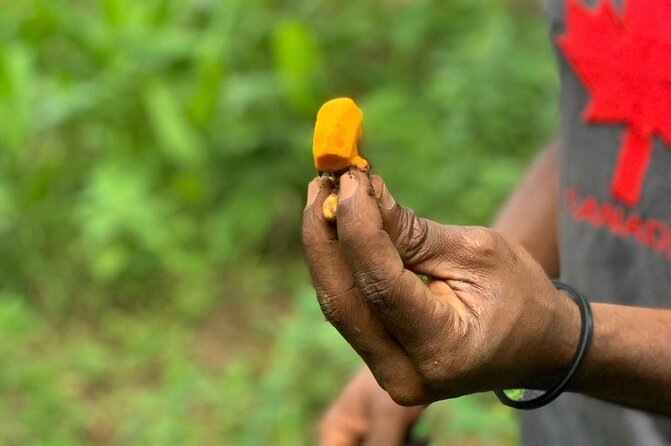
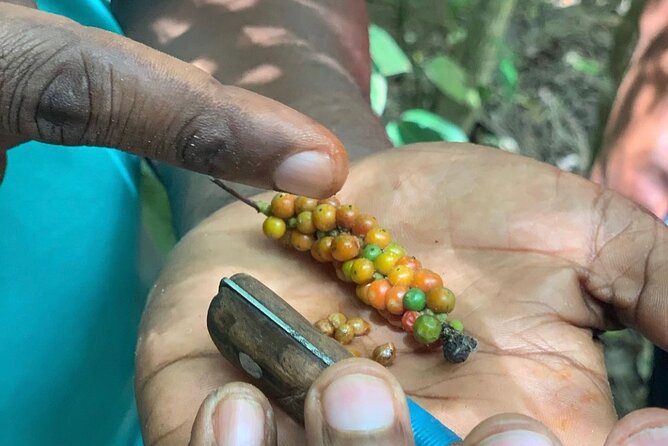
The spice list is part of the fun. You’ll get to see different spices such as ginger, turmeric, vanilla, and paper (spelled as listed), plus additional varieties. This is a strong choice if you’ve only encountered these spices in markets back home. Seeing them as plants changes the way they register in your brain. Suddenly, the familiar flavors have a source you can picture.
What makes this farm visit more useful than a standard walk-through is the guide’s emphasis on everyday applications. You’ll learn how spices are used in different dishes, and you’ll also hear how spices can be used in medicine. That doesn’t mean you’re leaving with medical advice. It means you’re getting the traditional logic behind why these plants mattered so much for trade and daily life on Zanzibar.
You’ll also get a sense of the farm as a working space, not just a show area. It’s structured around explaining and handling information, so you leave with ideas you can use later when you cook or shop.
Practical tip: the farm portion is only about 1 hour, but it’s still active. Bring a light layer if you get cold easily in shade, and keep water in mind.
The Coconut Climber and the Gift-Making Moment

Spice farms can be dry if it’s only lecture time. This one adds human moments that make the visit memorable.
One highlight is the coconut climber who sings a song when climbing. It’s the kind of local performance that makes the farm feel alive, not staged. It also gives you something visual and audible to anchor the spice explanations around.
There’s also a crafting gift element. You’ll get a hands-crafting gift from the spice helpers. That’s a small thing, but it changes the visit from consumption to participation. It also gives you something to take home that feels more connected to the day than a generic souvenir.
These touches may not be why you book the tour. But they’re exactly what make people remember it after they’ve forgotten the last photo angle.




Air-Conditioned Pickup, Private Time, and a Realistic Pace
This tour includes pickup and uses an air-conditioned vehicle. That’s a real value add in Zanzibar City, where traffic and heat can turn a short day into a long one. Having transport arranged lets you focus on the two main parts: walking Stone Town and spending time at the spice farm.
It’s also private, meaning it’s just your group. That matters more than it sounds. With a private setup, your guide can set the pace for your questions, shopping preferences, and timing. It also means less waiting around for other people who want different stops.
The day is designed around about 3 hours total, with Stone Town around 2 hours and the spice farm around 1 hour. That’s tight, but it’s also efficient. You get a full taste of Zanzibar’s two biggest “first impression” sides without losing an entire day.
If you’re trying to pack Zanzibar City experiences into a limited stay, this structure is a smart fit. Just don’t expect it to replace a full-day Stone Town deep walk or a longer spice itinerary.
Price and Value: What $130 Really Buys You
At $130 per person, this is not the cheapest way to see Stone Town plus spices. But it also isn’t just a transfer with a bland guide and a hurried lunch.
Here’s what’s included that drives value:
- Lunch in Stone Town with Swahili food
- All fees and taxes
- Air-conditioned vehicle
- Admission fees: Stone Town admission ticket is free for this stop, and the spice farm admission is included
So the price is paying for guided time, transport comfort, and a meal, plus the admission components. The extra costs are mostly optional and personal: tips for guides and driver, and shopping purchases (souvenirs, fabrics, liquor).
If you like the idea of doing two major experiences in one go—historic Stone Town plus a spice farm that includes plants and usage—then the price can feel fair. If you already love DIY walking and you’re comfortable arranging your own farm visit, you might find cheaper alternatives. But you’d likely give up the built-in flow, the lunch, and the guided story connection.
Who This Tour Fits Best (and Who Might Want to Rethink)

This tour fits best if you want a “day snapshot” that still feels meaningful.
You’ll probably enjoy it if:
- You want to see Stone Town landmarks without doing hours of planning
- You care about learning how Zanzibar’s spice identity connects to everyday life
- You want a lunch included plan rather than searching after the walking portion
- You like having time to shop without turning it into a trap
It might not be your best match if:
- You’re very sensitive to walking time and prefer slow, seated touring
- You want lots of time for shopping, because the day is tightly timed
- You’re expecting a full day of Stone Town or a long multi-stop farm program
The tour is designed for most people, but it’s still active. Plan accordingly, and you’ll have an easier time enjoying it.
Tips to Get the Most Out of Your Stone Town + Spice Day
A few small moves help a lot:
- Bring cash for shopping. Purchases aren’t included, and you’ll have time to browse.
- If you care about lunch timing, plan around the 08:00 to 10:30 booking window for reserving lunch order.
- Ask Abu questions as you go. The tour works best when you treat it like a conversation, not a lecture you have to endure.
- Wear comfortable shoes. Stone Town is a walking experience, and you’ll want your feet to stay happy.
Also, if you need help arranging taxi service after the tour, the provider can help with that. It’s useful when you’re trying to keep the rest of your day smooth.
Should You Book This Zanzibar Marab Tour?
If you’re short on time in Zanzibar City, this is an easy yes. You get the key Stone Town sights—slave market area, House of Wonders, old fort, Freddie Mercury House, and Tippu Tippu House—plus a spice farm visit where you’ll see plants like ginger and turmeric and learn how spices are used in food and medicine. Add in Swahili lunch and private pickup comfort, and the day feels efficient rather than rushed.
Book it if you want a guided blend of history, shopping time, and a practical spice experience. Skip it if you’re looking for a slow, all-day wander or if you’re not into walking at all.
If you do book, consider requesting Abu as your guide. Based on how the tour is run, his story-driven style is a big part of why this combo works so well.