REVIEW · ZANZIBAR CITY
Zanzibar: Spice Farm Tour with Cooking lesson
Book on GetYourGuide →Operated by Zanturtle Explore Tours and Safaris · Bookable on GetYourGuide
Spices can tell your whole Zanzibar story. This 5-hour outing pairs a walk through Darajani Market with a hands-on spice farm visit, then ends with a real Swahili cooking lesson that uses old-style cooking gear. I especially like that you harvest ingredients yourself and that the guide explains how spices shape local food. One thing to consider: it is not a great fit for kids or anyone who needs a specific language, since a mismatch can happen if you don’t confirm.
The best value here is the full loop. You shop, you smell and taste, you cook, then you eat what you made, with tropical fruits and traditional music included. It is also clearly geared toward people without food allergies, so if you have dietary restrictions, you’ll want to plan carefully.
In This Review
- Key highlights and what matters
- Darajani Market first: your ingredient shopping has a purpose
- The ride to the spice farm: expect a quick, shared transfer
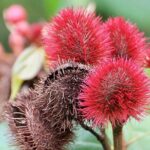
- Spice farm walk: harvesting vegetables and aromatic plants
- The cooking class: Swahili technique on old-style equipment
- Spice tastings with fruits: coconut, watermelon, banana, and cloves
- Stories of origins and medicinal uses of herbs
- Lunch, tropical fruits, and traditional music and dance
- Price and value: is $66 per person worth it?
- Who should book this Zanzibar spice-and-cooking tour
- Should you book it or skip it?
- FAQ
- How long is the Zanzibar spice farm tour with cooking lesson?
- Where does this experience take place?
- What does the tour include?
- Do I get to shop for ingredients?
- Will I harvest ingredients that I cook later?
- What do I cook?
- Are lunch and drinks included?
- Is the tour wheelchair accessible?
- What languages are available for the live guide?
- Can I cancel and get a full refund?
- Is it suitable for people with food allergies?
- What should I bring?
- What’s not allowed during the activity?
Key highlights and what matters
- Darajani Market start: learn daily life and buy ingredients for your cooking class
- Harvest what you cook: pick vegetables and spices from the farm during the walk
- Swahili meal, taught step by step: cooking with traditional, older-style equipment
- Spice tastings with tropical fruits: coconut, watermelon, banana, and cloves pairings
- Medicinal herb context: origins plus local uses of spices and herbs
- Lunch, drinks, and culture: fruits you harvest plus traditional music and dance
Darajani Market first: your ingredient shopping has a purpose
You start with a guided walk through Darajani Market, and that is more than a quick photo stop. The point is to learn how people shop and cook locally, then purchase the ingredients tied to your class.
For you, this is useful in two ways. First, you get better at spotting what matters on Zanzibar: fresh produce, aromatic spices, and the everyday items that show up in Swahili cooking. Second, you build confidence for later, even after the tour ends, because you’re not just tasting food, you’re seeing the supply chain.
Practical tip: wear comfortable shoes. Markets involve uneven ground and lots of stops.
You can also read our reviews of more tours and experiences in Zanzibar City.



The ride to the spice farm: expect a quick, shared transfer
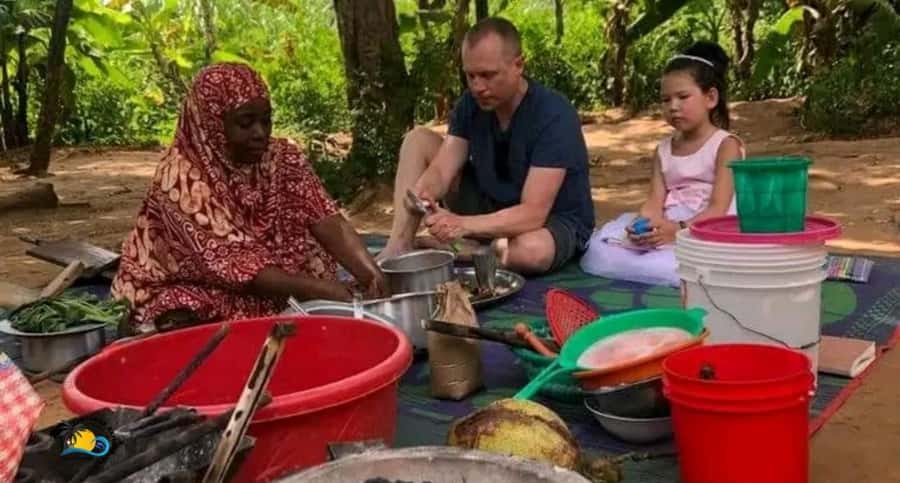
After shopping, you’ll take a public vehicle to the spice farm area. Even though the experience is a private group, this transfer is still described as public transport, so plan for typical Zanzibar street energy rather than a quiet private car moment.
Why this matters: you’ll arrive with your senses already switched on. You’ll likely have time to get oriented, and the tour starts feeling like a single flow instead of disconnected segments.
If you’re sensitive to heat or crowds, bring a hat and plan to slow down during walking portions once you arrive.
Spice farm walk: harvesting vegetables and aromatic plants

At the farm, you take a walking tour around the property, led by your culinary expert. This is where the experience turns hands-on: you harvest some of the vegetables and spices you’ll use later.
I like this part because it makes the cooking class feel earned. When you pick an ingredient yourself, you notice how it smells, how it looks, and how it behaves in cooking. It also helps you understand what locals pay attention to, not just what tourists end up buying.
Here’s what you should pay attention to while harvesting:
- How the guide describes each spice’s role in Zanzibar food
- The different smells, especially when spices are fresh versus dried
- The way vegetables connect to sauces and stews in Swahili meals
Also, this section is a good time to ask questions. The tour is built around the stories behind plants, including origins and uses.
The cooking class: Swahili technique on old-style equipment
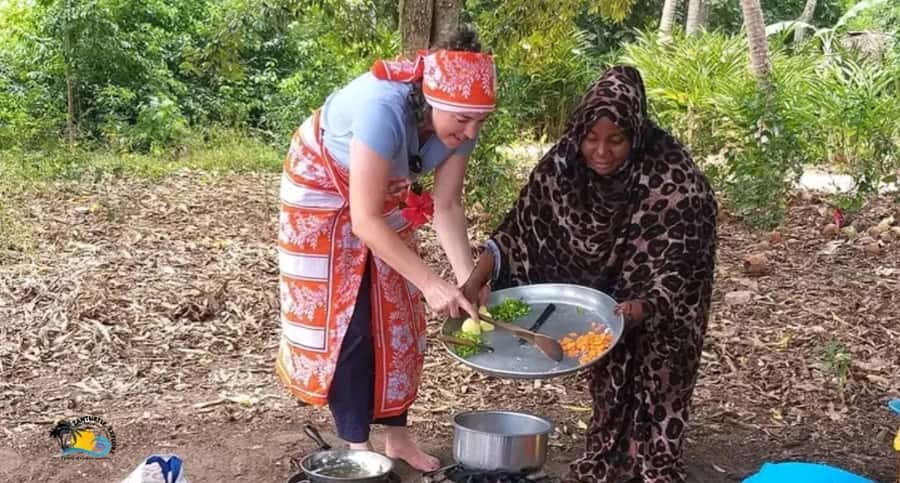
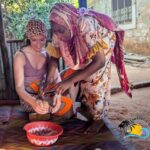
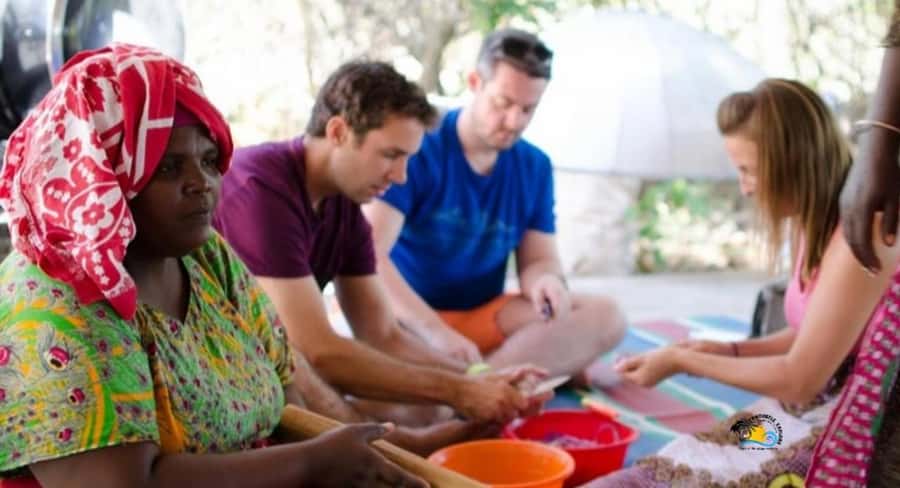
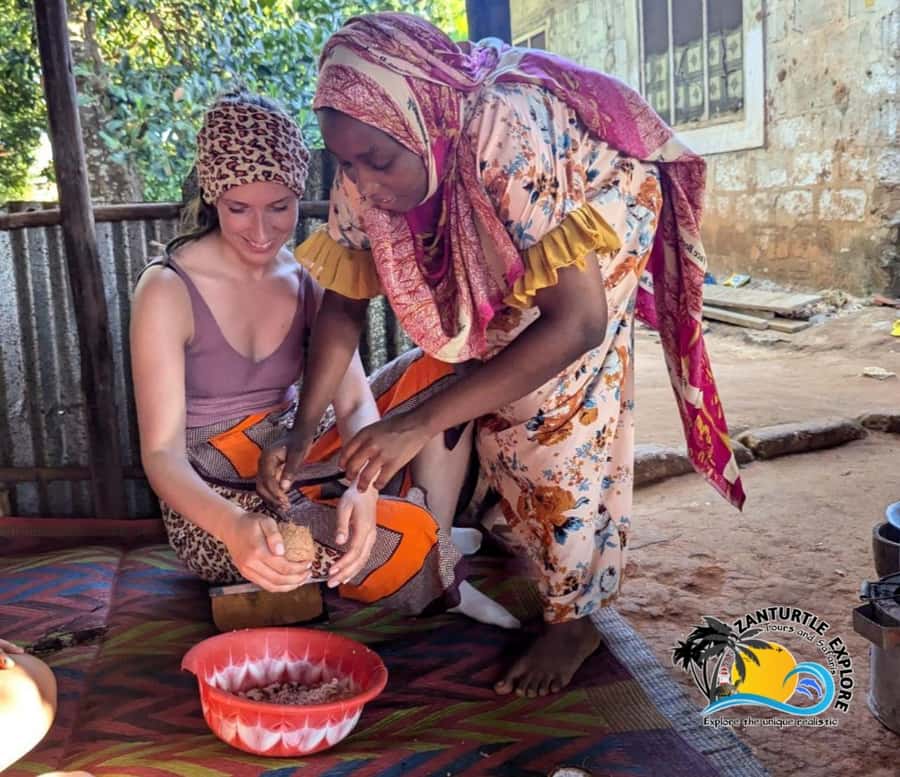
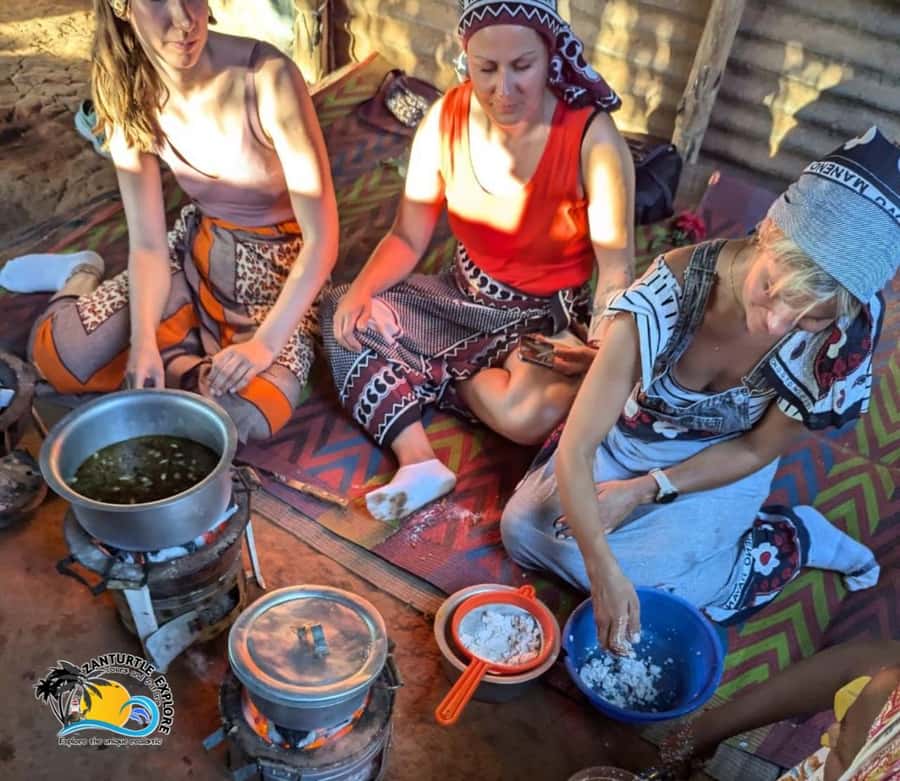
Back at the cooking area, you’ll cook a traditional Swahili meal together with your chef. The class is framed around old cooking techniques, and you’ll also admire cooking apparatuses duplicated from earlier coastal days when people gathered over food.
That detail matters for you if you like food history without the museum vibe. Instead of just hearing that spices were important, you see how cooking methods shaped flavor: the timing, the heat control, and how aromas build as ingredients meet.
During class, you’ll use what you harvested and what you bought at market. This is one of the main reasons this tour feels more practical than a typical “spice demonstration.” You walk out with a usable mental recipe, not only new smells in your memory.
A note on pace: cooking involves active steps and time at the heat source. If you’re not comfortable with hands-on kitchen work, tell your guide early so they can guide you into an easier role.
Spice tastings with fruits: coconut, watermelon, banana, and cloves
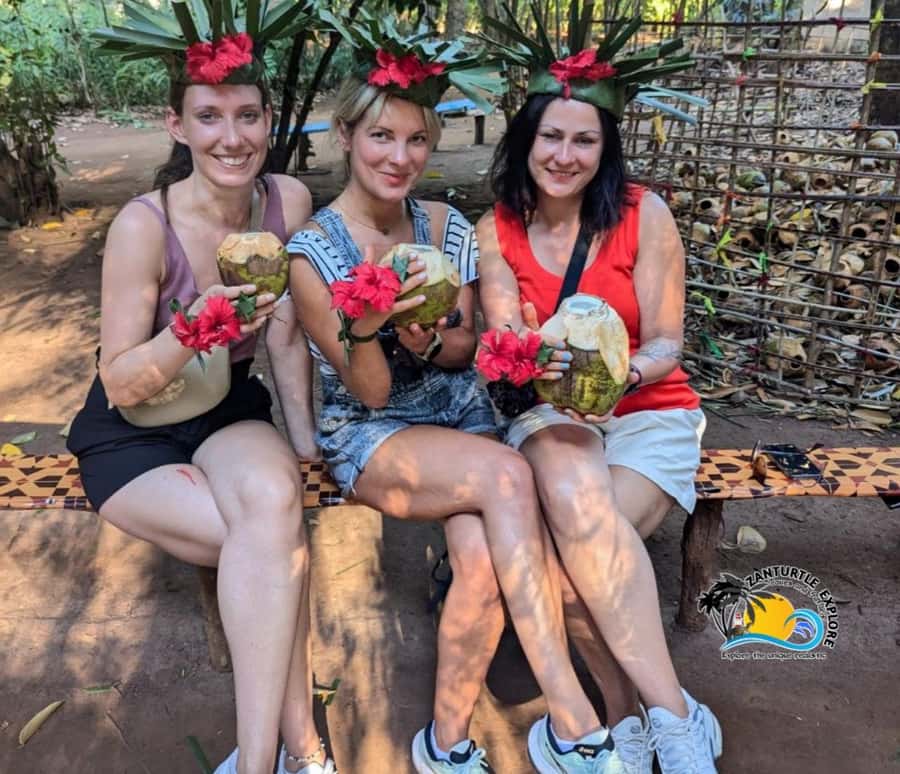
You don’t just learn spice facts. You get to taste and smell spices, often with fruits as part of the experience. The tour specifically includes tastings with items like coconut and watermelon, plus banana and cloves.
That pairing is a smart way to learn. Many spices are easier to recognize when you taste them alongside sweetness or cooling flavors. If you’ve ever struggled to identify a spice in a stew later, this kind of tasting can fix that in one afternoon.
Try this while you’re tasting: focus on the first scent you notice, then the after-smell. Many spices change character from nose to mouth, and the guide’s explanations help you connect the two.



Stories of origins and medicinal uses of herbs
A big part of this tour is the background: the origins of spices, their importance in Zanzibar food, and local medicinal uses of spices and herbs.
For you, the value is not just trivia. Understanding why a plant matters often helps you understand how it’s used. If a spice is valued for its flavor and also for its local health beliefs, you’ll usually see it used with intention, not randomly.
I also appreciate that the tour frames these plants as part of daily life. Zanzibar cuisine is coastal and trade-shaped, and spices have always been more than seasoning here.
If you love herbal knowledge, bring questions. This is the segment where you’ll get the most “why” behind the “what.”
Lunch, tropical fruits, and traditional music and dance

After cooking, you eat the meal you made. Lunch and drinks are included, and the tour notes tropical fruits tied to what you harvest.
You’ll also experience traditional music and dance as part of the day. That adds a cultural layer without turning the meal into a performance.
For me, the best moment is eating what you cooked while it’s still fresh and fragrant. It’s when the whole day snaps together: market choices, farm harvesting, then cooking technique.
One more practical point: the tour includes buying spices and fruits. If you plan to bring home pantry items, plan your budget and bring cash as requested.
Price and value: is $66 per person worth it?
At $66 per person for about 5 hours, the price feels fair when you look at what’s included. You get hotel pickup and drop-off anywhere in Zanzibar, a trained guide, market shopping, farm tour and harvesting, cooking class with equipment, lunch and drinks, entrance and conservation fees, and government taxes.
What you’re paying for is time plus instruction. A spice farm visit without a cooking lesson can feel like a “look only” experience. Here, you do the work, then you eat.
A balanced takeaway:
- If you want a quick tasting tour, this might be more than you need.
- If you want food skills you can recreate and you like hands-on learning, it’s strong value for a single afternoon.
Who should book this Zanzibar spice-and-cooking tour
I think this tour is best for you if you want a sensory experience with structure. You’ll enjoy it most if you like food classes, you’re curious about how ingredients connect to local culture, and you’re comfortable being active for a few hours.
It may not be ideal if:
- You have food allergies (the tour is not suitable for allergies based on the information provided)
- You need a specific language guaranteed, especially for children
- You want a low-effort day with minimal walking and heat exposure
Also, the tour is listed as private group, so it can work well for couples, small groups, or families who understand the walking and cooking component.
A small caution from real-world experience: one prior booking noted an English guide arrival even though the booking was made in German. That suggests you should confirm language preference before you go, and keep expectations flexible.
Should you book it or skip it?
Book it if you want an afternoon that mixes culture, cooking, and Zanzibar spices in a way you can take home. The market start, farm harvesting, and then cooking a Swahili meal is a neat triangle. You leave with flavors you recognize and a clearer idea of how spice use fits local life.
Skip it if you have food allergies, need guaranteed language support, or are looking for something calm and child-friendly. In those cases, the walking, hands-on kitchen steps, and potential language variance might make it less enjoyable.
If your goal is to understand Zanzibar food at ingredient level, this is a solid bet.
FAQ
How long is the Zanzibar spice farm tour with cooking lesson?
The duration is 5 hours.
Where does this experience take place?
It’s in the Unguja South Region of Zanzibar, Tanzania.
What does the tour include?
It includes hotel pickup and drop-off, a spice farm tour with taste/smell elements, harvesting vegetables, a cooking class with equipment, lunch and drinks with tropical fruits, buying spices and fruits, traditional music and dance, and entrance and conservation fees.
Do I get to shop for ingredients?
Yes. You start with a guided walk through Darajani Market to learn about local life and purchase ingredients for your cooking class.
Will I harvest ingredients that I cook later?
Yes. You harvest vegetables and spices during the farm walk, and you use them in your cooking class.
What do I cook?
You’ll cook a traditional Swahili meal.
Are lunch and drinks included?
Yes. Lunch and drinks are included, with tropical fruits (the fruits you will harvest).
Is the tour wheelchair accessible?
Yes, the experience is listed as wheelchair accessible.
What languages are available for the live guide?
The live tour guide languages listed are Arabic, English, French, German, Italian, Polish, Spanish, Swahili, Russian, and Portuguese.
Can I cancel and get a full refund?
You can cancel up to 24 hours in advance for a full refund.
Is it suitable for people with food allergies?
No. The tour is not suitable for people with food allergies.
What should I bring?
Bring comfortable shoes, a camera, and cash.
What’s not allowed during the activity?
Intoxication, alcohol, and drugs are not allowed.
If you tell me your travel dates and whether you prefer English (or another language), I can suggest how to plan your timing around the 5-hour window so it feels easy, not rushed.