REVIEW · ZANZIBAR CITY
Zanzibar: Spice Farm Tour with Traditional Cooking Class
Book on GetYourGuide →Operated by Bluecity Tours Zanzibar · Bookable on GetYourGuide
Spice Island starts with a walk through real crops. This Zanzibar farm tour mixes spice-field lessons with a hands-on Swahili cooking class, so you leave knowing what you ate and where it comes from.
I especially like that the guide explains planting and harvest timing, not just smells and flavors. I also like the family-style feel of the cooking workshop, where you share the meal and chat while everything finishes. One thing to consider: the experience is listed as 6 hours, but it can run shorter on the day, including around 3.5 hours.
In This Review
- Key things that make this tour worth your time
- Why a Zanzibar spice farm experience beats a spice shop
- Stone Town pickup, then a rural shift
- Three farm areas you’ll walk through (and why each one matters)
- Stop 1: The spice field walk and grow/harvest lessons
- Stop 2: Coconut climber (butterfly) and young coconut
- Stop 3: The cooking workshop with a local chef woman
- The Swahili meal: you taste, then you understand
- Price and value: is $47 a fair deal?
- Practical tips so the day goes smoothly
- What to bring
- What not to bring
- Quick planning advice
- Who should book this Zanzibar spice farm cooking tour?
- Should you book Bluecity Tours Zanzibar spice farm with cooking?
- FAQ
- Where does the tour start and end?
- How long is the experience?
- What is included in the $47 price?
- What languages is the live tour guide available in?
- What spices and plants will I see?
- Is the cooking part hands-on?
- Do I need cash?
- Can I bring alcohol or drugs?
Key things that make this tour worth your time
- Working spice fields with guided explanations for crops like cardamom, ginger, vanilla, coffee, nutmeg, cinnamon, and lemongrass
- Coconut climber (butterfly) viewing, plus young coconut, for a memorable moment on the route
- How spices grow and how long they take until they are ready to use
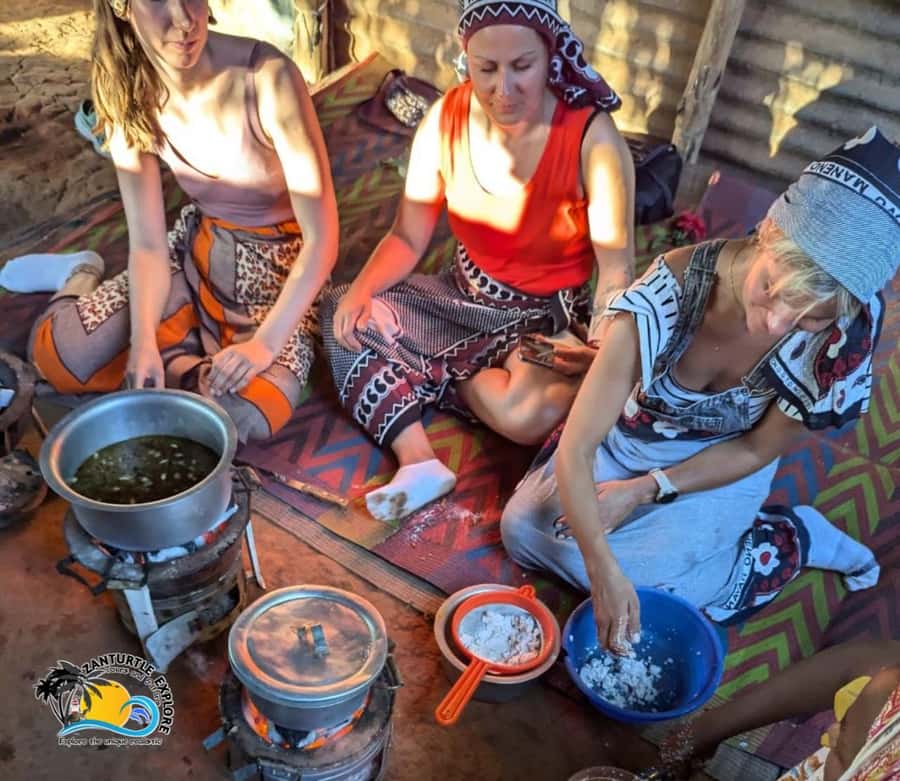
- Cooking with local ingredients prepared through a workshop approach led by a local woman who acts as the chef
- Tasting Swahili cuisine together, with time to talk as the food is served
- Stone Town hotel pickup and drop-off, making it easy to fit into a city day
Why a Zanzibar spice farm experience beats a spice shop
Zanzibar is famous for spices, but a lot of visits stay on the surface. This one goes the other direction. You’re not just smelling jars. You’re walking among the plants and learning what they are, how they’re grown, and how long they take before they become useful. That changes how you taste everything later.
You’ll see a strong mix of familiar flavors and true island staples. Expect cardamom, ginger, vanilla, coffee, nutmeg, cinnamon, and lemongrass. The tour also weaves in historical context about trade and exploration, which helps you understand why Zanzibar became the place where spices mattered globally.
You can also read our reviews of more tours and experiences in Zanzibar City.



Stone Town pickup, then a rural shift
Most people start in Stone Town, and that matters. You get pickup from Stone Town with transport available around hotels there, plus drop-off back in the city after the tour. It’s a practical setup if you don’t want to handle your own ride through the south of Unguja.
From there, you’ll spend your time away from the street life. The day is about walking, looking closely, and listening to a guide explain what you’re seeing. If you’re used to tours that feel rushed, this one feels more focused on process than photos.
Timing is listed as 6 hours, but build in flexibility. One real-world example: the experience can reduce from 6 hours to about 3.5 hours depending on the day. That’s not a reason to skip it, just a reason to avoid booking another tight activity right after.
Three farm areas you’ll walk through (and why each one matters)
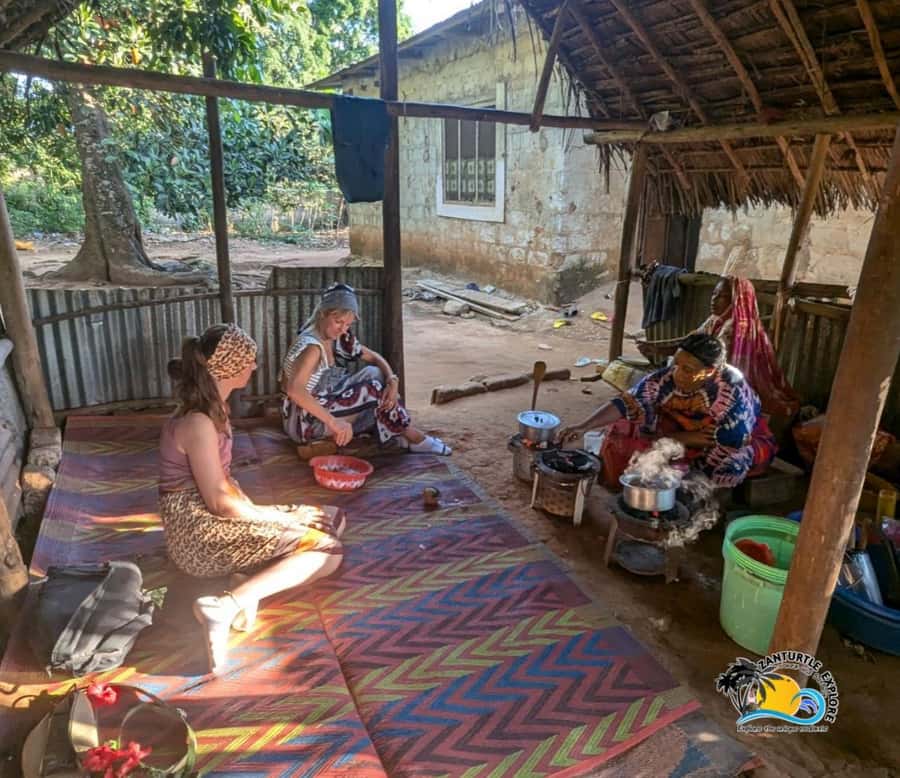
The tour physically visits three parts of the experience, and each has a different purpose: learn outdoors, observe plants up close, then move into cooking.
Stop 1: The spice field walk and grow/harvest lessons
This is the core of the tour. You’ll tour a small farm in the rural area and see different spices growing. You’ll get explanations on how to plant and how long they take to be ready for uses. That detail is what makes it more than a show-and-tell.
A guide also points out the nature of tropical spices—think the contrast between something like vanilla and more “kitchen practical” crops like ginger and lemongrass. The point isn’t to turn you into a farmer. It’s to help you connect the plant you saw with the flavor you’ll recognize later.
What to watch for: ask questions as you go. If you’re the kind of person who likes knowing where ingredients originate, you’ll get a lot of value out of this outdoor portion.
Stop 2: Coconut climber (butterfly) and young coconut
Then the tour shifts to a second set of sights: the coconut climber (butterfly) and young coconut. Even if you’ve seen coconut palms before, this is the kind of specific local detail that makes the trip feel genuinely Zanzibar.
Why this stop is worth it: it gives you a different kind of “spice island” understanding. It’s not only about the spice trade crops. You also see how important plants and coconut-related life are on the island.




Stop 3: The cooking workshop with a local chef woman
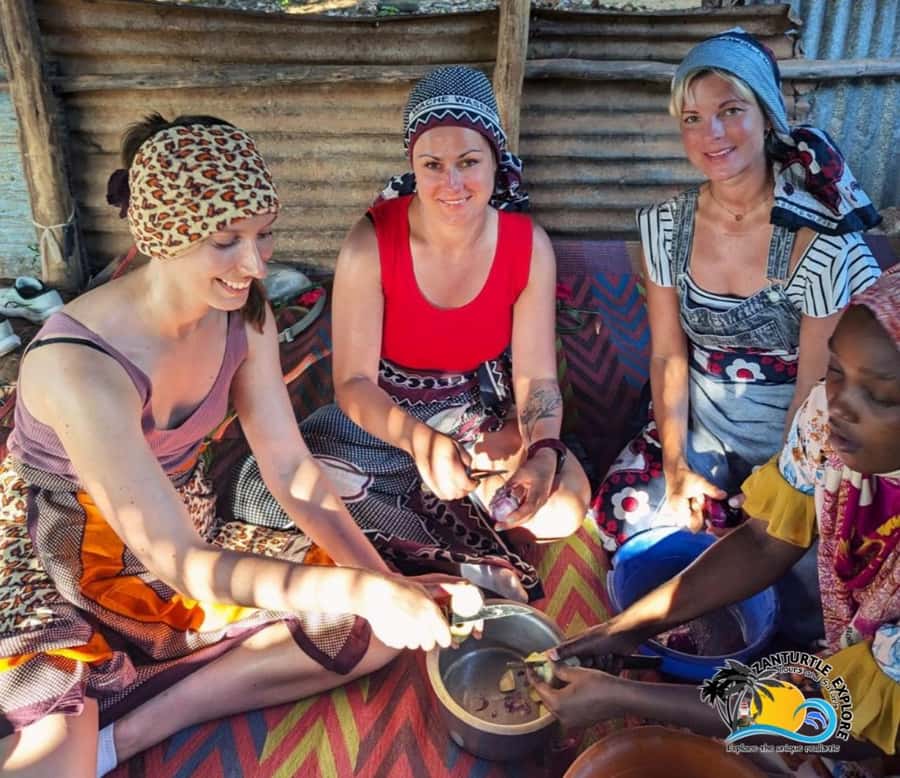
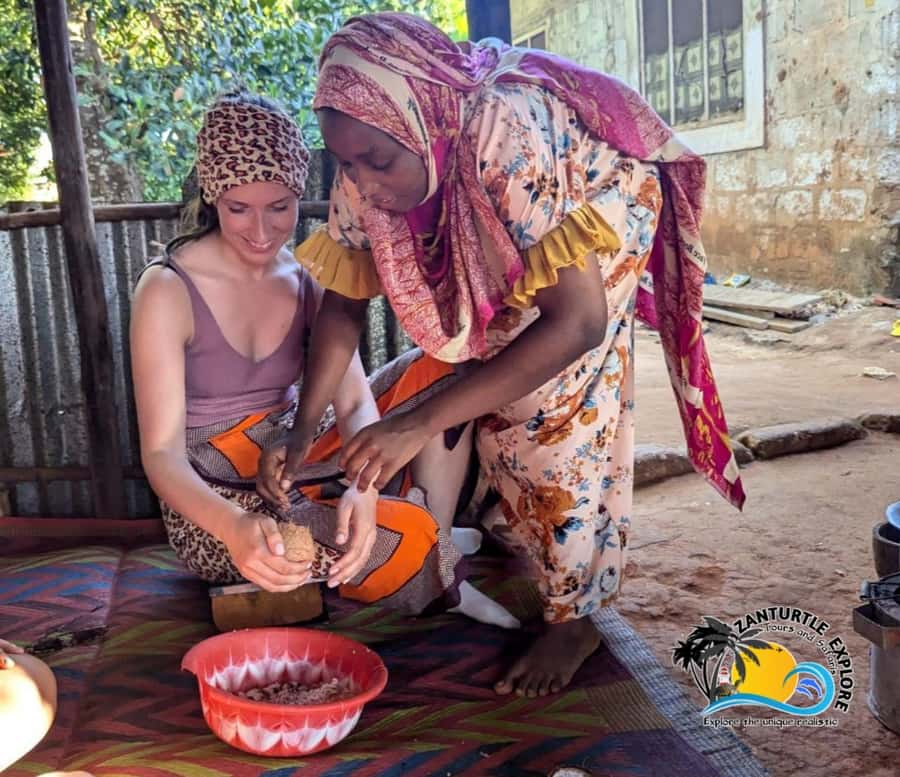
The final part moves into a workshop setting. The idea is simple and effective: authentic ingredients and materials are already obtained from a workshop, and a local woman acts as the chef for your cooking training.
You’ll be guided on how to use the items properly, and you’ll get instructions on preparing a Zanzibar-style Swahili cuisine meal. On some days, you may also see hands-on prep that goes beyond chopping—one booking noted helping make coconut milk from scratch—so don’t assume it’s only a tasting session.
The best part here is the rhythm: cooking, then eating together, with time for conversation while you enjoy the meal. If you care about food culture, this is where it becomes memorable.
The Swahili meal: you taste, then you understand
You’ll eat the food you help prepare, following Zanzibar-style Swahili flavors. The spices you saw outdoors aren’t separate from your meal. They become part of the story.
This is where the earlier explanations pay off. After you’ve learned how spices grow and how long they take, flavors like ginger or cardamom start to feel grounded in something real—time, cultivation, and local practice—rather than just exotic marketing.
And if you like a social meal, you’ll probably enjoy the atmosphere. Several parts of the experience are designed for interaction: guide explanations outdoors, then chef-led cooking, then a shared sit-down once the food is ready.
Price and value: is $47 a fair deal?
At $47 per person, the value depends on two things: what’s included and how small your group feels.
Here’s what you get for that price:
- Stone Town pickup and drop-off (around hotels)
- Entrance fees
- Tour guide
- Bottled water
- A structured 6-hour experience on paper, though it can run shorter
That’s not just a walk and a meal. You’re paying for transport, access, guidance, and the cooking workshop portion. If the day runs closer to the shorter end (like around 3.5 hours), the cost still makes sense because you still get the farm context plus the cooking session, just in less time.
One detail that can make the experience feel especially worthwhile: when the group is small, you tend to get more attention during cooking and more space to ask questions during the spice-field walk. One booking specifically described it as just two people, with direct interaction and flexibility. Small-group days can turn $47 into a surprisingly personal class.
Practical tips so the day goes smoothly
A few things will keep you comfortable and help you get the most out of the farm visit.
What to bring
- Comfortable shoes (you’ll be on rural paths and in uneven areas)
- Cash (you may want to buy spices on-site, and cash is listed as something to bring)
What not to bring
- Alcohol and drugs are not allowed on the tour.
Quick planning advice
- Wear breathable clothes and expect a warm outdoor portion.
- If you’re timing this around your Stone Town plans, leave some buffer afterward since the tour length can shift.
Who should book this Zanzibar spice farm cooking tour?
This is a great fit if you:
- Want more than a tasting and you like learning how food is made and grown
- Enjoy Swahili cuisine and want a guided, structured way to try it
- Prefer a smaller, more interactive feel to tours rather than a crowd shuffle
- Love food stories that include local life, not only tourist facts
It’s also a good choice for couples and small groups. When you’re not competing for the guide’s attention, you’ll likely get clearer answers during the farm walk and more hands-on time in the workshop.
If you’re only chasing the fastest possible activity, keep in mind the experience is listed at 6 hours, but can be shorter depending on the day. It works best when you have a relaxed window.
Should you book Bluecity Tours Zanzibar spice farm with cooking?
I’d book it if you want an authentic Zanzibar food day: spice plants in the field, coconut-specific farm sights, then real Swahili cooking with a local chef-led workshop and a shared meal. At $47, the included guide, entrance fees, and transport from Stone Town make it a practical use of time.
Skip it only if you strongly need the full 6 hours to stay untouched on your schedule. Because the day can run shorter on some occasions, plan your next commitment with breathing room.
If you book, come hungry for the meal and curious for the farm explanations. This is the kind of tour where you’ll feel your taste buds sharpen once you connect the spices you saw to the food you eat.
FAQ
Where does the tour start and end?
The tour includes pickup from Stone Town and returns to Stone Town at the end.
How long is the experience?
The experience is listed as 6 hours, but starting times can vary by availability.
What is included in the $47 price?
It includes Stone Town hotel-area pickup and drop-off transport, entrance fees, a tour guide, and bottled water.
What languages is the live tour guide available in?
The tour guide is available in English, French, Italian, and German.
What spices and plants will I see?
You can expect to see spices such as cardamom, ginger, vanilla, coffee, nutmeg, cinnamon, and lemongrass, plus coconut climber (butterfly) and young coconut.
Is the cooking part hands-on?
Yes. You’ll receive instructions during the cooking training as part of the workshop experience.
Do I need cash?
Cash is recommended because it’s listed as something to bring, and spices may be available to purchase on-site.
Can I bring alcohol or drugs?
No. Alcohol and drugs are not allowed on the tour.