REVIEW · ZANZIBAR CITY
Zanzibar: Day Trip Stone Town, Spice farm,Prison Island
Book on GetYourGuide →Operated by ZANFAA TOURS AND TRAVEL · Bookable on GetYourGuide
Stone Town can feel like a maze with a pulse. I love the UNESCO Stone Town walk—narrow lanes between limestone houses, plus real landmarks like the Palace Museum, Sultan’s Palace, and Old Fort. I also love the spice farm portion because it’s sensory, not just lecture: you smell and taste spices tied to the island’s Portuguese-era spice story. One consideration: this is a walking-heavy day, and if you hate crowds, tight alleys, or heat, you may find the pace a bit much.
What makes this day trip work is the mix of human history and animal reality. You start in a trading crossroads shaped by Arabian, Indian, Persian, and European influences, then shift to a working plantation, then end offshore with the Aldabra giant tortoises at Changuu. It’s a great way to learn why Zanzibar is called Spice Island without spending days on planning.
Here’s the honest bit: shared-group logistics can stretch your day. Expect van time, a short boat ride, and brief stopovers to collect people from multiple hotels.
In This Review
- Key highlights you should know before you go
- Stone Town’s UNESCO lanes: where Zanzibar’s mixed past shows up fast
- Palace Museum, Sultan’s Palace, and Old Fort: landmarks that anchor the walk
- Markets, slave-market history, and the doorways you’ll remember
- Spice farm time: the sensory shortcut to Zanzibar’s Spice Island reputation
- The Swahili lunch that makes the spice walk click
- Changuu (Prison Island): the boat ride + the reality of massive tortoises
- Aldabra giant tortoises up close: what to expect from the sanctuary visit
- Timing, van rides, and why your day may run long
- Price and value: how $20 can make sense with this mix
- What to bring (and what to skip) for a comfortable day
- Who this day trip is best for (and who should pick something else)
- Should you book this Zanzibar Stone Town–Spice Farm–Changuu tour?
- FAQ
- Where is the meeting point?
- Is hotel pickup and drop-off included?
- How long is the tour?
- What languages are guides available in?
- Is lunch included?
- Do I go to Prison Island by boat?
- What should I bring?
- Is the tour suitable for wheelchair users or limited mobility?
Key highlights you should know before you go
- UNESCO Stone Town walking tour through narrow alleyways and past key sites like the Palace Museum, Sultan’s Palace, and Old Fort
- Hands-on spice farm tour with Portuguese trading links and smell-touch-taste moments
- Traditional Swahili lunch after the spice walk, so the food makes sense instead of feeling random
- Changuu boat trip offshore for scenic water views and a focused island visit
- Aldabra giant tortoises on a sanctuary island, including a resident estimated to be over 200 years old
- Shared tour timing may include short hotel stopovers, so build in flexibility
Stone Town’s UNESCO lanes: where Zanzibar’s mixed past shows up fast
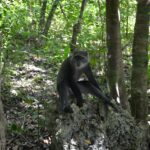
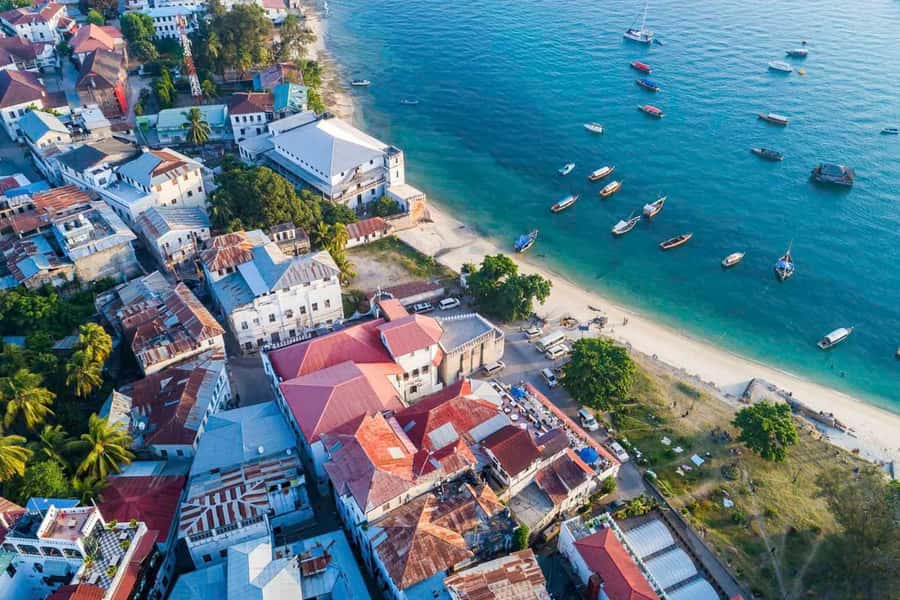
Stone Town is not a tidy grid. It’s a patchwork of eras you can feel in your feet as you move. The “oldest district” vibe is real here, and it’s officially protected as a UNESCO World Heritage site since 2000. You’re walking through a place shaped by Arabian, Indian, Persian, and European influences that have left traces dating back to the 19th century.
You’ll start your day with a guided approach that helps you make sense of what you’re seeing. Instead of just pointing at buildings, a good guide frames Stone Town as a trading hub. That matters, because you’ll notice the city is full of everyday details—doorways, courtyards, market energy—that make the history feel practical, not academic.
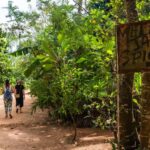
A big part of why this works is the street layout. The alleyways can feel chaotic in a good way: narrow lanes, limestone buildings, little turns that force you to slow down and watch. If you’ve got even a little curiosity, you’ll start “reading” the town as you go—who built what, what changed, and why certain areas mattered.
You can also read our reviews of more tours and experiences in Zanzibar City.
Palace Museum, Sultan’s Palace, and Old Fort: landmarks that anchor the walk

Stone Town tours can blur together if you only hit photos. Here, the guiding landmarks act like anchor points so the day has structure.
You’ll see major stops tied to power and governance, including the Palace Museum and Sultan’s Palace. Even without going too deep into each room, these sites help you understand the island’s political center—how leadership and wealth were built around the spice trade and broader maritime connections.
Then comes Old Fort, another key landmark that gives context to the defensive side of life in a port city. Forts and palaces might sound like “just buildings,” but in Stone Town they tell you how trade created both opportunity and tension. The architecture also signals different periods, which helps you spot why the town looks the way it does.
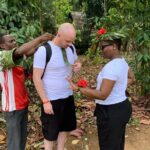
If you like architecture, keep an eye out for colonial-era buildings and the local craftsmanship around them. One detail I’d prioritize is the carved Zanzibari hardwood doorways. They’re often what you remember later, because they’re human-scale art pieces inside an otherwise fast-moving day.
Markets, slave-market history, and the doorways you’ll remember

Stone Town isn’t only monuments. A real part of the experience is walking through the city’s daily rhythm—markets and shopping areas that show how life continues here.
You’ll have time for browsing and shopping included, which is useful for two reasons. First, it lets you pace yourself after long alley walks. Second, it’s when you can actually interact with the city instead of just passing through it.
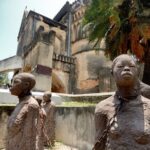
There’s also a heavier thread in the tour: sites related to former slave markets and the tragic history of the slave trade. You’ll get historical insight here, and it’s worth paying attention rather than rushing past. This is one of those moments where a guide’s framing makes the difference between seeing a memorial stop and understanding what it represents.
If you’re the type who likes to learn while walking, this section can be deeply clarifying: Stone Town’s trade networks weren’t only about spices and visitors. They were connected to people bought and sold, and the city’s history includes that weight.
Spice farm time: the sensory shortcut to Zanzibar’s Spice Island reputation
After Stone Town, the day shifts gear—less stone, more green and heat. The spice farm portion is the part that turns facts into smells.
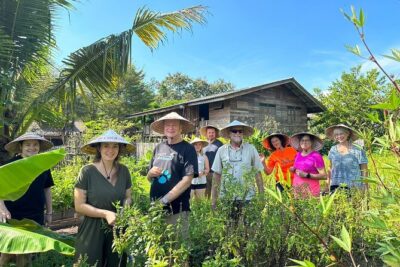
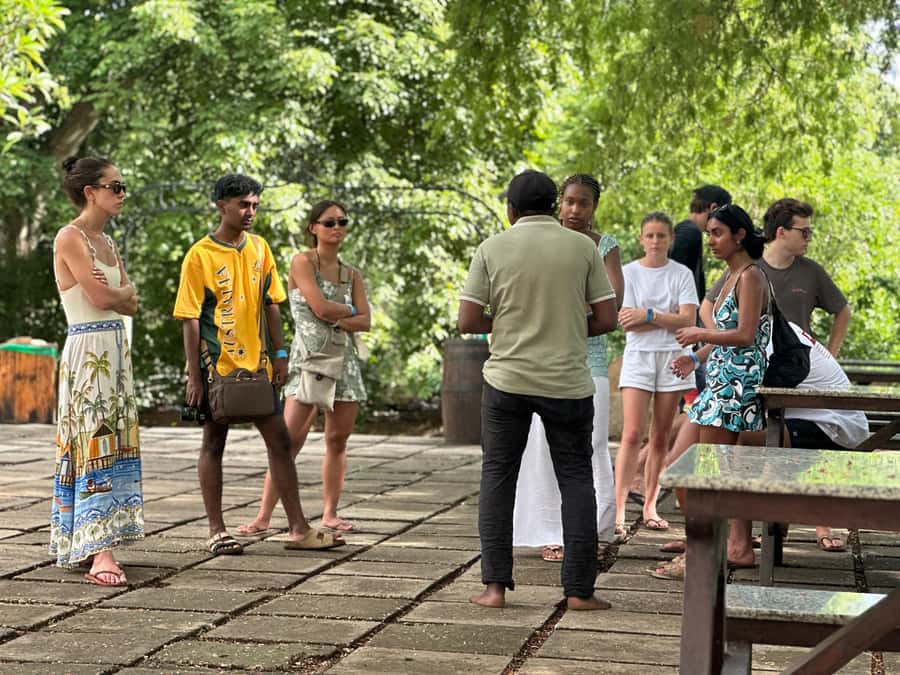
You’ll be transported to an organic plantation where the focus is on how spices and crops are grown and why they mattered. This isn’t a quick photo stop. You walk with a guide who explains cultivation methods and historical uses of different plants.
Here’s the story you’ll hear: Portuguese traders helped introduce many spices to Zanzibar in the 16th century, importing from their colonies in South America and India. That detail makes the spice trade feel less like a generic label and more like a specific historical chain. It also explains why Zanzibar is so closely associated with clove, nutmeg, and cinnamon.
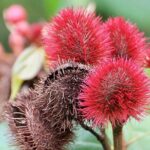
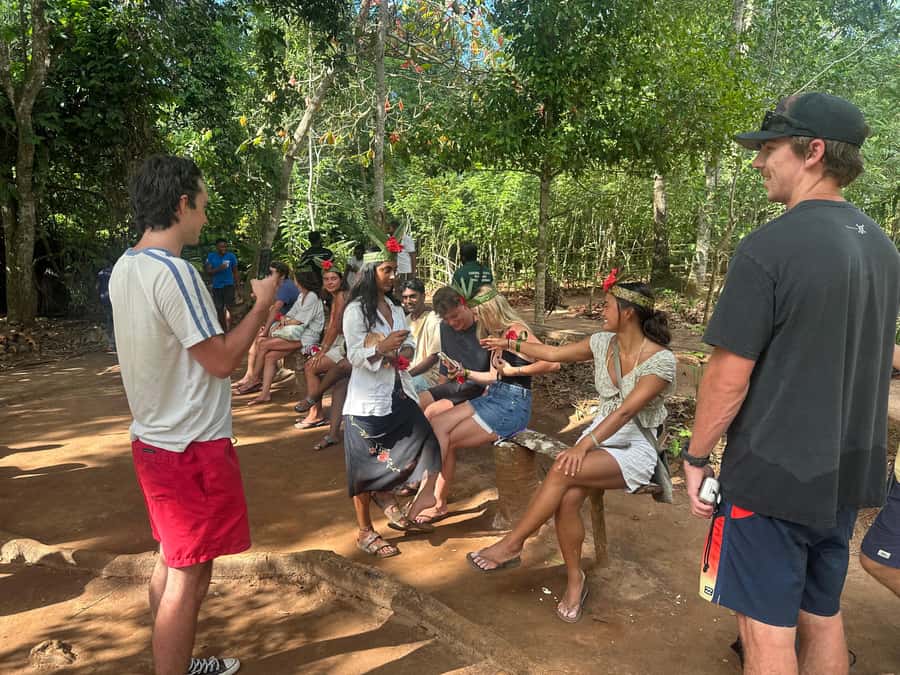
Then the farm becomes hands-on. You get opportunities to smell, touch, and taste a range of items including coconut, papaya, chili, black pepper, cinnamon, vanilla, cardamom, cloves, and lemongrass. Yes, it can sound like a shopping list. But in practice, this is the fastest way to learn what different spices actually smell like in real conditions, not as vague powders in a jar.
The Swahili lunch that makes the spice walk click
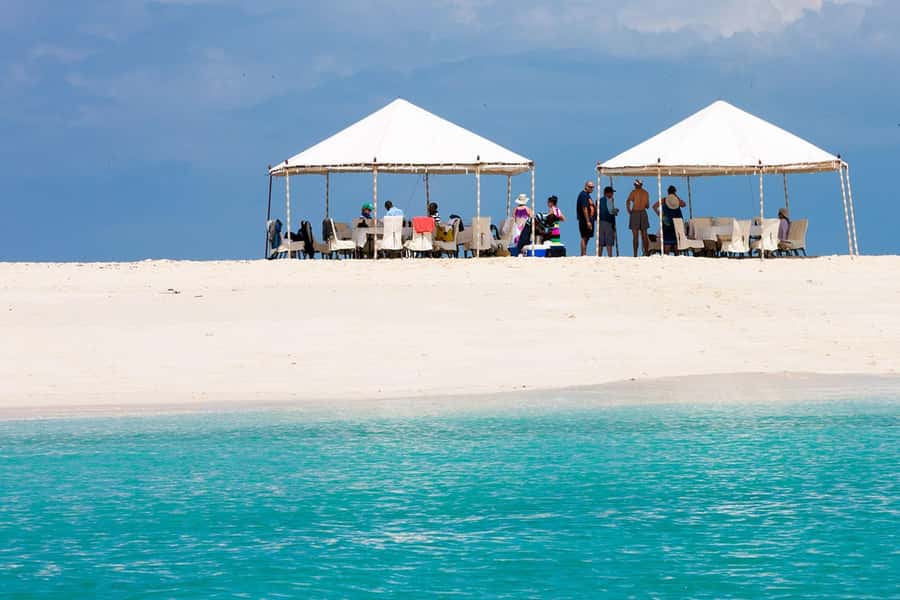
The spice walk ends with a traditional Swahili lunch. I like this structure because it prevents the “now what?” problem.
Without lunch, spice tours can feel like a fun sensory lesson that evaporates. With the meal included, you connect what you tasted earlier to what you’re eating now. Even if you don’t become a spice expert by the end of the day, you’ll likely notice flavors more clearly in Zanzibar food afterward.
Keep expectations grounded: you’re learning through experience, not doing a cooking class. Still, a Swahili lunch in a spice setting gives you a stronger sense of why these ingredients show up together on plates across the region.



Changuu (Prison Island): the boat ride + the reality of massive tortoises
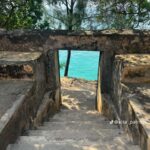
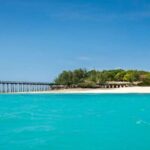
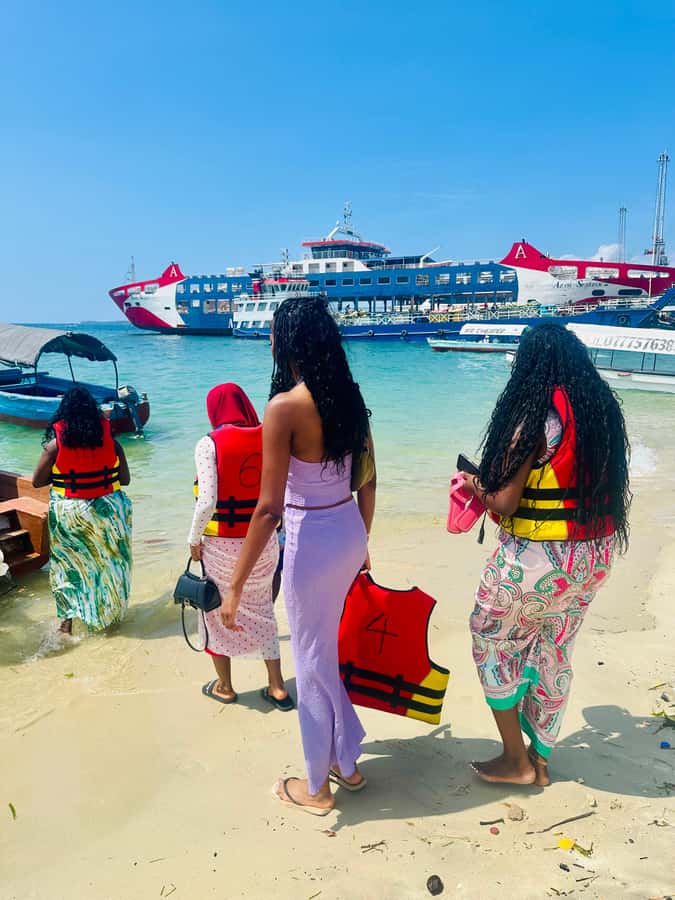
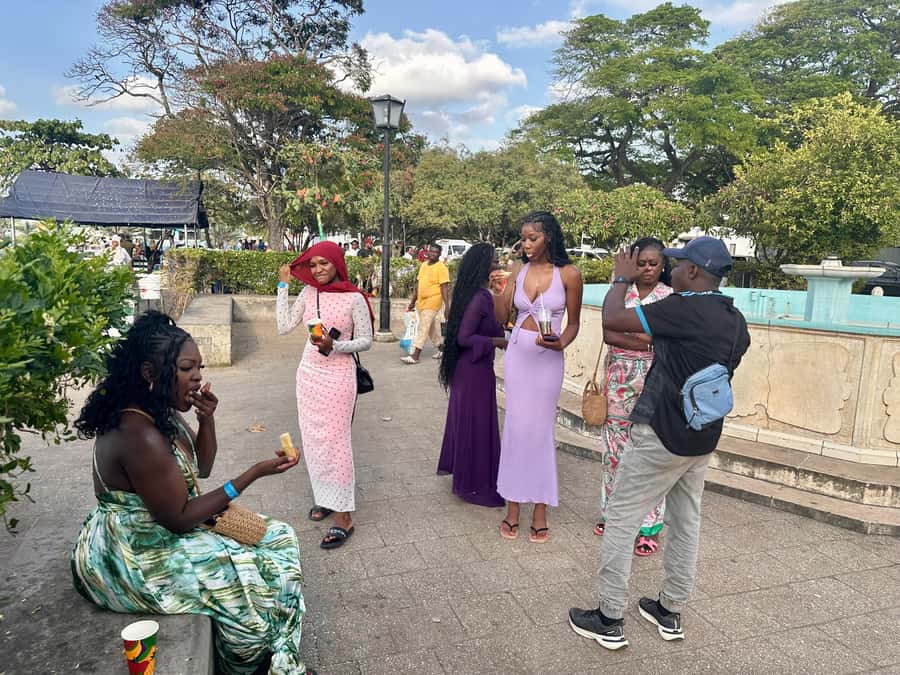
Your last major stop is offshore: Changuu, also known as Prison Island. The trip includes a short boat ride that gives you a break from walking and a chance to enjoy scenic views out on the water.
Historically, the island’s story is complicated. You’ll learn about its proposed use in the 1860s as a prison for rebellious slaves. You’ll also hear the more accurate nuance: it was primarily used as a quarantine station. That contrast is important, because it reminds you that island legends often simplify what actually happened.
Then the day turns into something lighter and unforgettable—meeting the Aldabra giant tortoises. This is a sanctuary setting, and the animals are part of the attraction today.
Aldabra giant tortoises up close: what to expect from the sanctuary visit
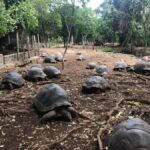
The star here is the Aldabra giant tortoise, one of the world’s largest tortoises. These tortoises are non-indigenous on Zanzibar; they were imported from the Seychelles, and that fact adds a layer to the story. The island has moved from medical isolation and human conflict history to long-term animal conservation and visitor education.
You’ll learn useful details while you’re there:
- They average around 200 kg.
- They can live for over 100 years.
- The sanctuary includes a resident estimated to be over 200 years old.
That’s a wild statistic to absorb while you’re standing near an animal that size. The visit also includes sightseeing time on the island, so you don’t feel rushed from one corner to the next.
One practical note: since you’ll be dealing with a walking day plus a boat transfer, wear water shoes if you’ve got them. You’ll feel better if the ground is rough or if paths get damp.
Timing, van rides, and why your day may run long

This is a half-day-to-full-day outing depending on your schedule and pickup points. The pace is shaped by transfer time and the way Zanzibar hotels are scattered.
You’ll likely deal with van travel before Stone Town, then additional driving after. There’s also a short boat segment for Changuu. When a tour includes multiple hotel drop-offs across the island, your day can stretch a bit, especially in shared-group mode.
One more timing factor: shared-group tours require a minimum number of participants. If the minimum isn’t met, you’ll be contacted about rescheduling. Translation: don’t plan something tight immediately after. Give yourself cushion.
Price and value: how $20 can make sense with this mix
At about $20 per person, this day trip can feel like unusually good value because it stacks three big experiences into one program: Stone Town, a spice farm with lunch, and Changuu with boat transport.
Here’s what helps justify the price:
- Hotel pickup and drop-off within Zanzibar Island
- An English-speaking guide (and multiple other languages are offered)
- Guided tours for Stone Town, the spice farm, and Prison Island
- Boat transportation to Changuu
- Lunch and a bottle of water
A couple of small “check before you go” items matter:
- Entry tickets can be included depending on your selected option, including Prison Island and possibly slave market entry.
- If you’re paying extra for entry tickets elsewhere anyway, bundling can save money and time.
If you’re short on time and want the big three Zanzibar moments in one day, this format is a strong deal. If you only care about one part—like tortoises and nothing else—then you might feel like you’re spending for variety.
What to bring (and what to skip) for a comfortable day
Zanzibar can be bright and hot, and this itinerary spends serious time outdoors and walking.
Bring:
- Sunglasses
- Hat
- Sunscreen
- Water
- Water shoes
Skip:
- Alcohol and drugs are not allowed.
Also, keep mobility in mind. This tour isn’t suitable for people with mobility impairments, wheelchair users, and it has age cutoffs listed (people over 80 and over 95 are not suitable). Stone Town’s alleyways and the farm and island steps can be tough.
If you fall into that category, ask about alternatives that reduce walking and avoid uneven ground.
Who this day trip is best for (and who should pick something else)
This is ideal for:
- First-timers who want to understand Stone Town without getting lost
- People who love hands-on learning, especially about spices
- Anyone who wants a memorable animal encounter with the Aldabra giant tortoises
- Travelers who like structure: landmarks, guided context, and included lunch
It may not be ideal if:
- You dislike long walks and heat
- You want mostly major-ticket sights and minimal alley wandering
- You have limited interest in historical context like trade and slave-market sites
- You prefer a slower rhythm with fewer transfers
I also think this day works best when you treat it like a story: start with the human city, move to the working plantation, then end with the animal sanctuary. If you approach it that way, the time feels meaningful.
Should you book this Zanzibar Stone Town–Spice Farm–Changuu tour?
If you’re in Zanzibar for a short visit and you want the highest “meaning per hour” combination, I’d book it. You get Stone Town with clear landmarks, a hands-on spice farm that teaches through smell and taste, and a Changuu tortoise visit that feels like a storybook ending with real-world conservation facts.
Do it only if you’re comfortable walking and handling long day logistics. If you’re the type who hates crowds, tight spaces, or unpredictable hotel pickup timing, consider a more focused option.
If you’re flexible, this one-day package hits a rare sweet spot: history, flavor, and huge tortoises, all without needing to coordinate three separate tours.
FAQ
Where is the meeting point?
The meeting point is the Mizingani Seafront hotel, inside. The guide picks you up from reception and confirms your booking name.
Is hotel pickup and drop-off included?
Yes. Hotel pickup in Zanzibar Island and hotel drop-off in Zanzibar Island are included.
How long is the tour?
The duration is listed as 2 to 9 hours, depending on your selected option and timing.
What languages are guides available in?
Guides are available in English, German, Italian, French, Polish, Arabic, Swahili, and Spanish.
Is lunch included?
Yes, lunch is included with the spice farm portion.
Do I go to Prison Island by boat?
Yes. The tour includes boat transportation to Prison Island (Changuu), plus a return boat ride afterward.
What should I bring?
Bring sunglasses, a hat, sunscreen, water, and water shoes.
Is the tour suitable for wheelchair users or limited mobility?
No. It is not suitable for people with mobility impairments or wheelchair users, and it also has age limitations as provided.