REVIEW · CHIANG MAI
Cooking Class with Organic Farm in Chiang Mai
Book on Viator →Operated by Oh-Hoo · Bookable on Viator
A market-to-farm cooking class beats most food tours. I like the setup because you start with a local market visit, then cook at an organic farm using fresh ingredients you pick, not mystery store-bought stuff. I also like that you get to choose six dishes from a clear menu, so you can steer the day toward what you actually want to eat.
One thing to think about: this is about a full 6 hours, and it depends on good weather since the experience runs outdoors at the farm.
In This Review
- Key takeaways before you go
- Why this Chiang Mai class feels more hands-on than a normal cooking tour
- Getting started: Tha Phae Gate meeting point and the 9:00am rhythm
- The market stop: learning flavors before you pick up a knife
- The organic farm: 1.6 acres of plants you can actually use
- The cooking station setup: choose six dishes and cook for real
- What I’d optimize in your choices
- Vegetarian and substitutions
- The dishes you’ll learn: from curry paste to dessert
- Curry paste vs. curry: a useful distinction
- Dessert: the easy win at the end
- Meeting your guide: what makes the day fun
- What you eat and how the class ends with momentum
- Price and value: is $46.95 worth it?
- Who this is best for (and who should skip it)
- Quick FAQ about the Chiang Mai organic cooking class
- FAQ
- What time does the cooking class start?
- How long is the experience?
- Is pickup from my hotel included?
- Do I get to choose which dishes I cook?
- Are the ingredients from the organic farm?
- Is vegetarian food possible?
- What happens if weather is bad?
- Should you book this cooking class in Chiang Mai?
Key takeaways before you go
- Small group size (max 12) makes it easier to get help while you cook
- Choose 6 dishes across salads, stir-fries, soups, curry paste/curry, and dessert
- Organic garden picking means you’re learning with ingredients at their best
- Market visit first helps you recognize herbs and vegetables before the stove
- Recipe book at the end helps you repeat the dishes at home
- Hotel pickup/drop-off offered saves you from extra logistics in the city
Why this Chiang Mai class feels more hands-on than a normal cooking tour
Cooking in Chiang Mai is popular, but this one has a clear edge: it pairs a market start with a working organic farm. That combo matters. When you see herbs and vegetables before you cook, everything makes more sense once you’re at your station. You’re not just following steps—you’re learning what to look for and why flavors work together.
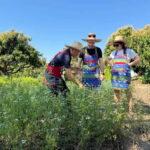
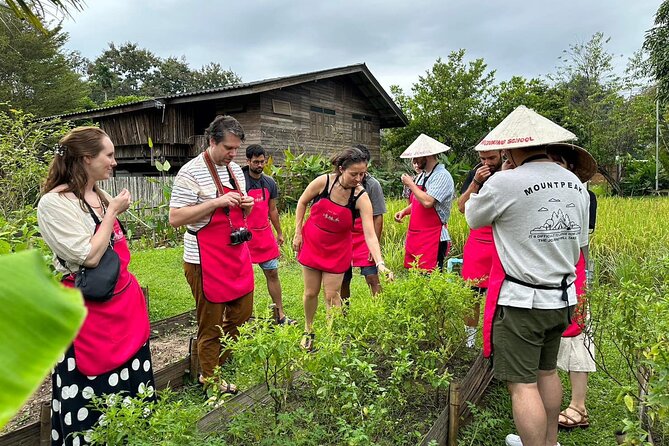
The farm component also changes the pace. You spend time among growing plants (the farm is 1.6 acres with over 20 types of plants), then you harvest what you’ll cook. For a lot of people, that’s the most memorable part: you can point to the leaves in your dish and say, I picked that.
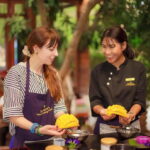
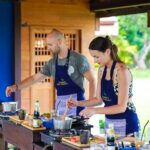
And because the class is designed around individual cooking stations, you get real practice. You’re not just watching someone else. You’re cooking your way through your chosen dishes, with instruction and feedback along the way.
If you’ve ever taken a cooking class where everyone makes the same thing, the choice here is a big value perk. You pick what to cook from a menu that covers the Thai range: salad, stir-fried dishes, soups, curry pastes, curries, and dessert.
You can also read our reviews of more tours and experiences in Chiang Mai.
Getting started: Tha Phae Gate meeting point and the 9:00am rhythm
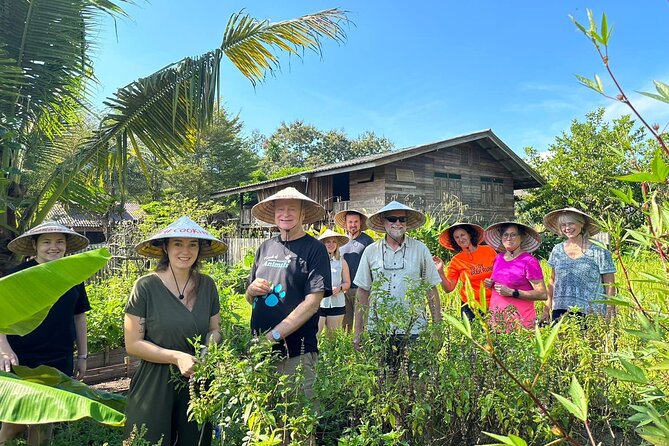
The day starts at 9:00 am at Tha Phae Gate (Tha Phae Road area). That’s a convenient city landmark, especially if you’re staying near Old City / inner-city Chiang Mai. The session runs long enough that being punctual helps you start cooking without feeling rushed.
There’s also pickup offered, with round-trip transfers for hotels in Chiang Mai city, plus return drop-off. So even though you’ll have a meeting point listed, the experience is set up to reduce hassle—especially helpful if you’re not eager to figure out transport timing before a food-focused day.
One small practical note: because the experience is weather dependent, plan your day so you’re not counting on this being your only open block. If Chiang Mai weather shifts, the operator should adjust by offering a different date or refund, but it’s still smart to keep some flexibility.
The market stop: learning flavors before you pick up a knife
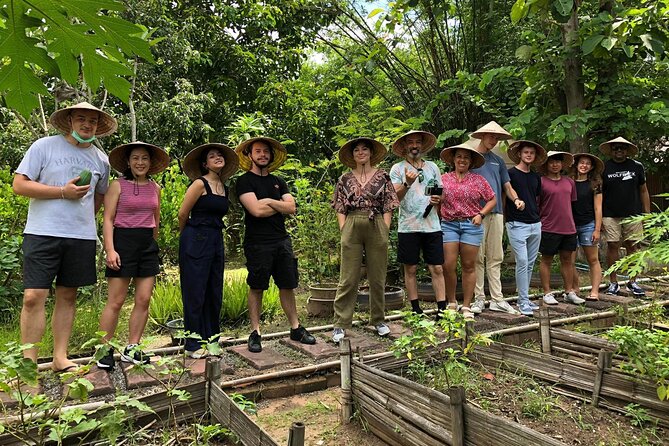
Right away, you visit a local market to see how countryside life in and around Chiang Mai looks in daily practice. You’re not just browsing for photos here. The market visit sets you up to understand ingredients you’ll use later at the farm and in your dishes.
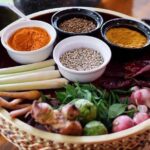
You’ll see herbs and vegetables that match what Thai cooks use most often, and you get a chance to connect names to actual smells and textures. That makes a difference once you’re dealing with things like curry paste ingredients, salad herbs, or soup aromatics.
If you’ve ever wondered why Thai food tastes layered instead of just spicy, this market step helps. It trains your eye for the components—fresh herbs, aromatics, and vegetables—that build those layers.
The organic farm: 1.6 acres of plants you can actually use
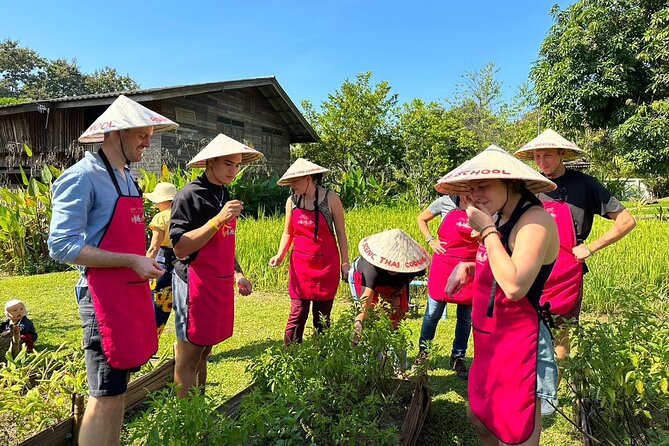
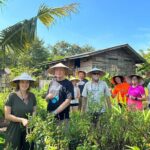
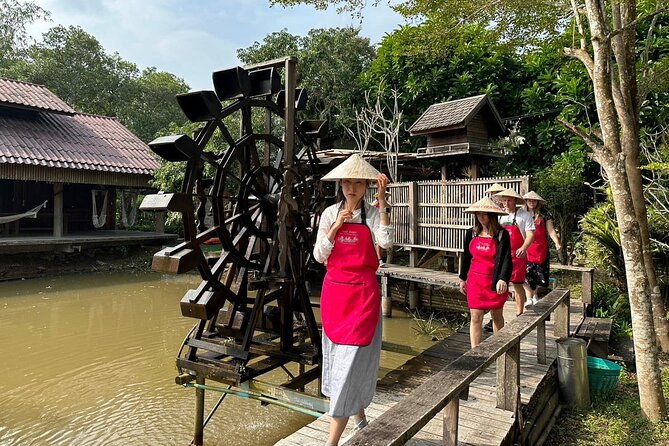
After the market, you head to the farm about 30 minutes by car. When you arrive, you’re in a quieter, more natural space than the city. The big win is that you get time to explore the organic growing area and then harvest what goes into your dishes.
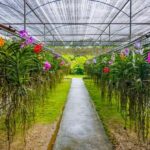
The farm portion isn’t just a backdrop. It’s part of the lesson plan. The class highlights the plants grown on-site and gives you a chance to taste fresh herbs. That’s a simple but effective learning tool: you learn by doing, not by reading.
You also get a window to explore the farm on your own between cooking segments. That’s a nice reset if you’re the type who enjoys taking in the setting while still feeling like you’re part of an organized activity.
In terms of “value,” the farm visit is what makes the whole day feel like more than just a cooking lesson. It’s also a good way to get a calmer slice of Chiang Mai beyond temples and night markets.
The cooking station setup: choose six dishes and cook for real
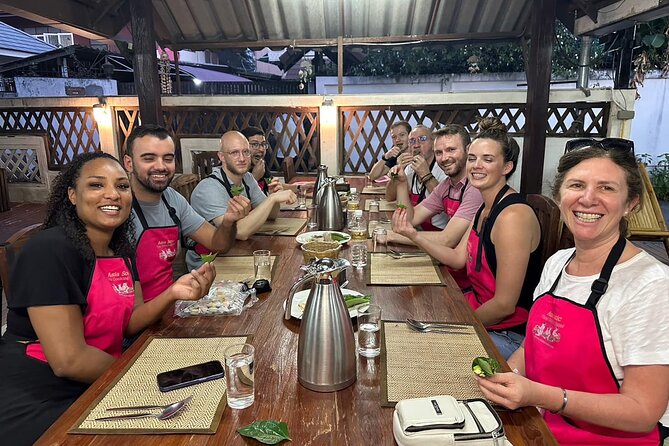
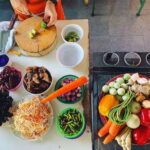
At the farm, you work at your own cooking station. The structure is designed around you cooking six dishes from options across the menu.
Here’s the dish menu you can choose from:
Salad
- Spicy Chicken Salad
- Papaya Salad
- Glass noodle Salad
Stir-Fried
- Pad Thai
- Pad See Uw
- Hot Basil Stir Fried
- Cashewnut With Chicken
Soup
- Coconut Milk Soup
- Tom Yum
- Tom Sab
Curry Paste
- Red, Green, Massaman, Panang, Khaw Soi
Curry
- Red Curry, Green Curry, Massaman Curry, Panang Curry, Khaw Soi
Dessert
- Deep Fried Banana
- Banana In Coconut Milk
- Sticky Rice With Mango
This design gives you control. You can build a meal around your preferences—maybe you want one salad, one stir-fry, a soup, and then you go all-in on curry paste and curry. Or you can keep it balanced and include dessert you’ll actually want to eat later.


What I’d optimize in your choices
If you’re new to Thai cooking, consider picking at least one dish that uses fresh herbs and one that uses curry paste. That combination gives you a broader understanding of flavor building blocks.
If you already know you like spice, aim for a curry or curry paste dish. If you prefer something lighter, pair a salad with a soup like Tom Yum or Coconut Milk Soup. And don’t skip dessert—Thai desserts often shift the flavor profile from savory heat to sweet, creamy comfort.
Vegetarian and substitutions
If you’re vegetarian, pay attention here. In at least one class experience, the instructor was able to accommodate vegetarian substitutions. So if that’s you, ask early and clearly what you want to avoid. It’s best to communicate at the start so the team can guide you toward suitable versions of your chosen dishes.
The dishes you’ll learn: from curry paste to dessert
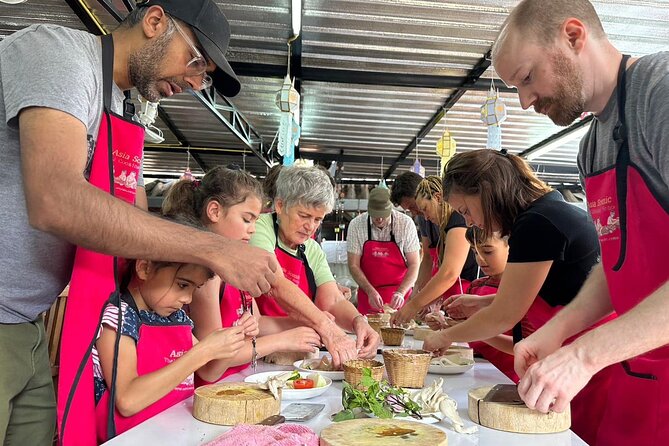
Thai cooking can feel intimidating because it’s so ingredient-heavy. The trick is that this class is built around repeatable skills, not random recipes.
You’ll learn processes that show up across multiple dishes:
- how to handle fresh herbs and aromatics
- how to balance sweet, sour, salty, and spicy
- how curry paste translates into different curry styles
- how stir-fries move fast and stay crisp
Curry paste vs. curry: a useful distinction
One of the smartest menu choices is that the class separates curry paste options from finished curries. Even if you’re only cooking one curry, learning about curry paste gives you the “why” behind the flavor. You’ll understand how ingredients are combined and how that base shapes the final taste.
If you want a lesson you can actually use at home, this is where it clicks. Once you get the paste logic, you’re less dependent on a jar and more confident adjusting flavors.
Dessert: the easy win at the end
Dessert might sound like an afterthought, but it’s part of the payoff. You’ll choose from options like Deep Fried Banana, Banana In Coconut Milk, or Sticky Rice With Mango. That gives you a sweet finish that also helps you see how Thai cuisine balances texture—crispy or creamy or chewy—depending on the dessert style.
Meeting your guide: what makes the day fun
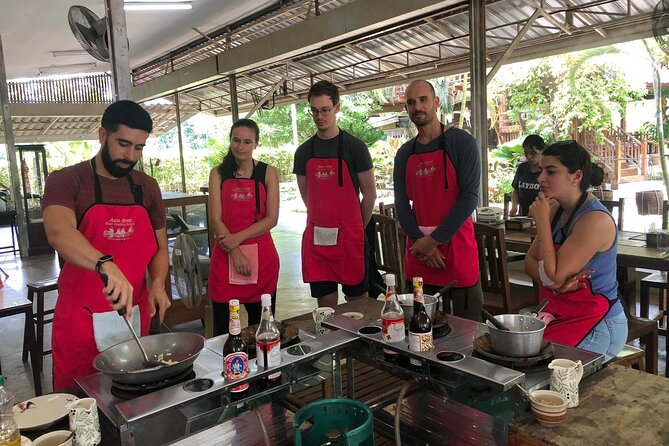
The instructors help run the kitchen and keep things moving, but the tone in the class is also part of the appeal. In one experience, Gayle was described as fun, with a lovely student. In another, Lily was praised for being funny and knowledgeable, with plenty of laughs during the process.
That matters because cooking classes go better when you feel comfortable asking questions. If your guide’s energy is good, you’ll spend less time worrying you’re doing it wrong and more time enjoying how the dish comes together.
Just plan to be a hands-on participant. Thai cooking isn’t a museum exhibit—it’s a working kitchen with real smells and real heat.
What you eat and how the class ends with momentum
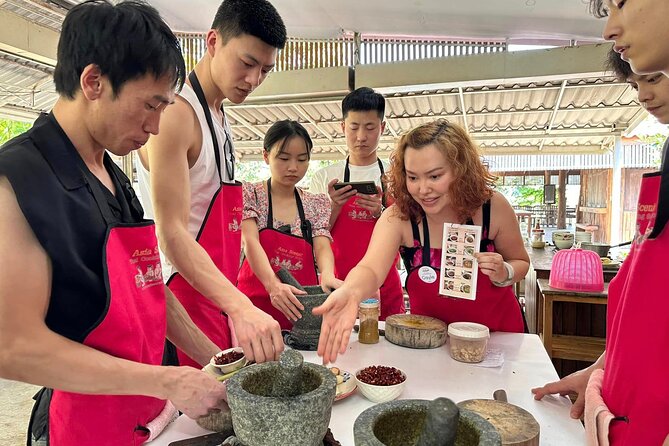
After cooking, you eat what you made. The portions are enough to feel like a real meal, not a token tasting. You also get a recipe book at the end, which is where the class keeps paying off after the trip.
A recipe book is especially useful for Thai cooking because the flavor comes from method and ratios. Having the written steps helps you repeat the dish at home without guessing.
You’ll then return with convenient drop-off at your hotel area or back at the meeting point. Either way, the goal is simple: you’re free after the class to explore Chiang Mai without dragging bags or hunting down transport.
Price and value: is $46.95 worth it?
At $46.95 per person, this class sits in the “reasonable splurge” category. Here’s why it can feel like good value:
- You get a full 6 hours of structured cooking, not a short demo
- Six dishes is a lot of cooking time for one ticket
- The class includes a market visit plus time at an organic farm
- You get a recipe book, plus round-trip transfer support in Chiang Mai city
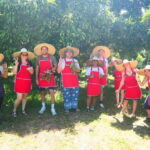
- It’s capped at max 12 people, which usually means more attention and less waiting
If you compare it to doing a private cooking lesson without the market/farm component, this offers a lot of “learning plus experience” for the price. And if you’re someone who likes food-focused days, one well-run class can be more valuable than spending the same money on two or three generic outings.
The only time it might feel less worth it is if you’re the kind of traveler who hates kitchen work or doesn’t want to commit to a morning start at 9:00.
Who this is best for (and who should skip it)
This class is a great match if you:
- want Thai cooking skills you can repeat
- like choosing your own meal plan and not being stuck with one menu
- enjoy markets and farm settings, not just restaurants
- prefer smaller group settings (max 12 helps)
You might want to skip if you:
- hate cooking or don’t want to get hands-on
- need very long, unstructured time with no schedule
- are traveling on a tight timeline and can’t spare the full block of the day
Also, remember it requires good weather. If you’re visiting during a high-rain window, keep your expectations flexible.
Quick FAQ about the Chiang Mai organic cooking class
FAQ
What time does the cooking class start?
The class starts at 9:00 am.
How long is the experience?
It runs about 6 hours.
Is pickup from my hotel included?
Pickup is offered, with round-trip transfers from hotels in Chiang Mai city, plus return drop-off.
Do I get to choose which dishes I cook?
Yes. You choose 6 dishes from the listed options, including salads, stir-fries, soups, curry paste, curries, and desserts.
Are the ingredients from the organic farm?
The class uses fresh ingredients from the organic garden at the farm, and you also pick herbs and vegetables on-site.
Is vegetarian food possible?
The instructor has been reported to accommodate vegetarian substitutions, so it’s worth asking and explaining your preferences.
What happens if weather is bad?
The experience requires good weather. If it’s canceled due to poor weather, you’ll be offered a different date or a full refund.
Should you book this cooking class in Chiang Mai?
If you want a Thai food day that’s more than a meal and more than a show—this is a strong pick. You’re learning with ingredients from an organic garden, you get a market start that helps the flavors make sense, and you leave with a recipe book you can actually use.
I’d book it if you like structure, small groups, and hands-on cooking. I’d think twice if you’re short on time or you’re not interested in cooking yourself. For most food lovers, though, this is one of the better ways to spend a day in Chiang Mai: practical skills, fresh ingredients, and a meal you built with your own hands.

![Floating & Railway Market and Coconut Farm Tour [Optional Luxury] - Pickup, ride time, and how the schedule usually feels](https://e.farmtourer.com/wp-content/uploads/floating-railway-market-and-coconut-farm-tour-optional-luxury-400x267.jpg)