REVIEW · CHIANG MAI
Half-Day Thai Cooking Class on a Local Farm Near Chiang Mai
Book on GetYourGuide →Operated by Smile Organic Farm Cooking School · Bookable on GetYourGuide
Cooking Thai food outside Chiang Mai feels special. You get a hands-on class that starts with a local market stop and then moves to an organic farm setting, where you can learn from scratch and even pick seasonal fruit right off the trees. I love how practical the cooking is (you don’t just watch), and I also like the calm farm breaks afterward, with a chill-out area by the swimming pool. One thing to consider: the menu can include seafood like Tom Yum Goong (spicy prawn soup), and fruit-picking depends on the season.
This is offered by Smile Organic Farm Cooking School, and it runs about 6 hours with hotel pickup from within 3 km of Chiang Mai Old City. The transport is air-conditioned, and pickup is timed for the morning or afternoon session, so plan your day around that.
In This Review
- Key things you’ll notice right away
- Farm-to-market Thai cooking near Chiang Mai: what the day really feels like
- Price and value: is $28 a good deal?
- Morning vs. afternoon pickup: how to plan your schedule
- Step 1: the local market stop, where Thai cooking starts
- Step 2: organic farm walk and herb garden basics
- Step 3: hands-on Thai cooking session in the farm kitchen
- Step 4: fruit picking season off the trees
- Chill time by the pool: what to do after you cook
- Transportation and comfort: small details that help
- What’s included beyond the cooking itself
- Who this cooking class is best for (and who might skip it)
- How to get the most out of it
- Should you book Smile Organic Farm Cooking School?
- FAQ
- What is the duration of the cooking class?
- How much does it cost?
- What are the pickup times and areas like?
- What language is the instructor?
- What’s included in the price?
- Do I get to pick fruit?
Key things you’ll notice right away
- Market first, not last: you’ll learn ingredient choices before you touch a wok
- Organic farm setting: stroll through the herb garden and see what you’ll actually use
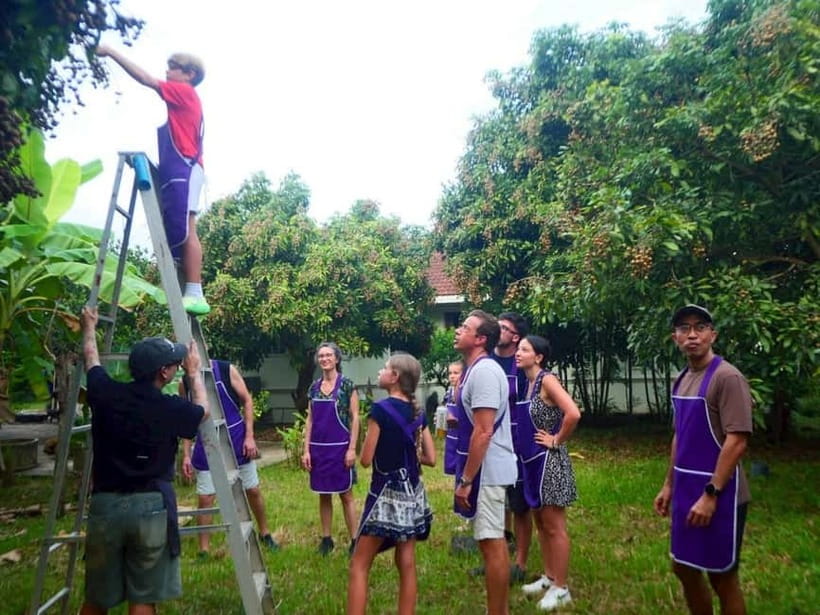
- Seasonal fruit picking: longans or mangoes depending on the months available
- Hands-on Thai cooking: curry paste, curry, stir-fry, soup, and spring rolls
- Pool downtime: relax after cooking, or take a refreshing dip if you want
Farm-to-market Thai cooking near Chiang Mai: what the day really feels like
If you’re coming to Chiang Mai for food, this kind of class hits a smart sweet spot. Instead of only learning recipes in a classroom, you get the story behind Thai flavor—starting with what you pick, how herbs grow, and why certain ingredients belong together. The pacing also helps: you’re not rushed from step to step, and you get breathing room after the cooking.
I like that the experience is designed around real ingredients and real farm life. That herb-garden walk isn’t just decorative; it sets you up to cook with more confidence when you’re chopping, grinding, and building flavor. You’ll also have an English instructor who guides the process, and you’ll leave with a recipe e-book plus a photo album shared on Facebook, which makes it easier to reproduce dishes later.
The big question is usually value. At $28 per person for roughly 6 hours, you’re paying for a full run of experiences: hotel pickup and air-conditioned transport, market exposure, organic farm time, hands-on cooking, plus digital recipes. It’s not just a quick demo. For most people, that’s what turns “a cooking class” into a day you actually remember.
You can also read our reviews of more tours and experiences in Chiang Mai.
Price and value: is $28 a good deal?
For Chiang Mai, pricing for food experiences can swing a lot. This one is priced low enough that you can justify it even if you’re not trying to splurge—but high enough to include the parts that matter.
Here’s what you’re effectively getting for the money:
- Transport with hotel pickup (within 3 km of the Old City area) in an air-conditioned vehicle
- All ingredients for the class, so you’re not paying extra on top
- An English-speaking instructor guiding you through the steps
- An e-book with the recipes after the class
- A photo album posted online afterward
If you compare this to paying for only a meal or only a short market visit, the “ingredients + instruction + farm time” combo is where the value shows. Also, the transport rating is strong, with 92% of reviewers scoring it perfect, which matters when you’re booking a morning or afternoon slot and want the day to start smoothly.
Morning vs. afternoon pickup: how to plan your schedule
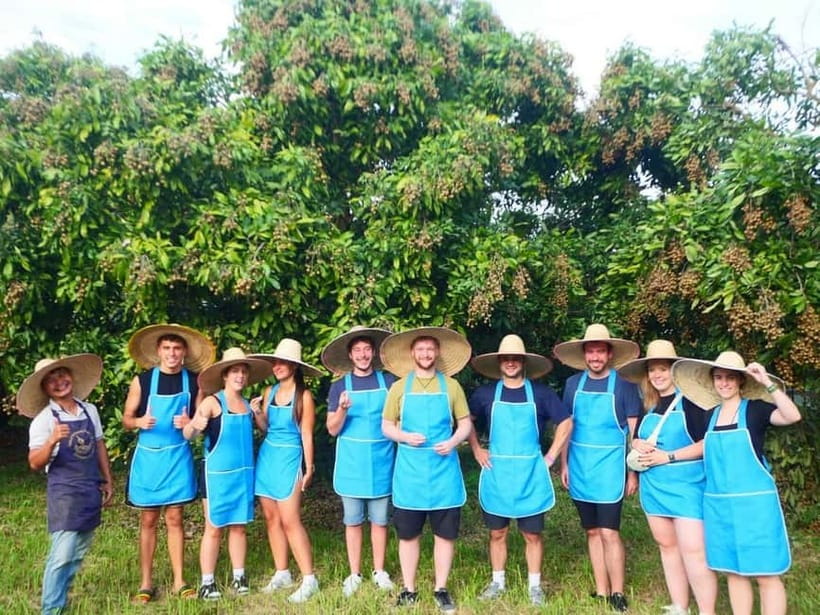
You’ll pick the session that fits your day. Morning pickup happens between 8:00 and 8:30am, and afternoon pickup happens between 3:00 and 3:30pm. The pickup covers hotels or accommodations within a 3 km radius of Chiang Mai Old City, so if you’re staying farther out, you’ll want to confirm what’s possible for your exact location.
This timing matters because you’ll be moving from market to farm and then into cooking. If you’re doing other tours the same day, keep a buffer. You’ll want time to relax after the class—especially since there’s a pool area waiting once you finish cooking.
Step 1: the local market stop, where Thai cooking starts
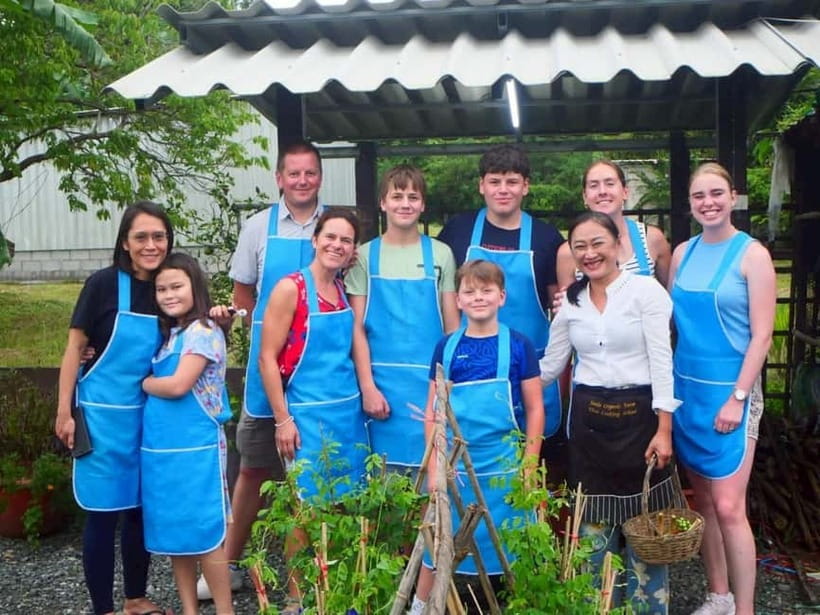
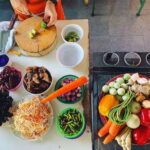
The day opens with a visit to a local market. This is one of my favorite parts of any food-focused tour because it teaches you the choices behind the dish. Instead of just memorizing a recipe, you learn what to look for when you’re shopping.
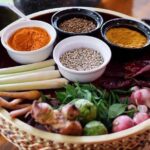
At the market, you explore fresh ingredients and get guidance on how to choose what’s best for Thai cooking. Even if you don’t plan to cook Thai food at home, this changes how you shop later. You start recognizing key herbs, aromatic items, and produce that commonly show up in Thai flavor profiles.
Practical note: markets move fast. Bring water, wear comfortable shoes, and keep your hands free for whatever ingredient examples your instructor shows you.
Step 2: organic farm walk and herb garden basics
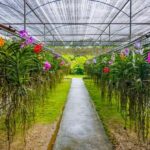
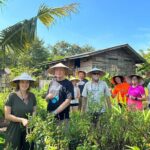
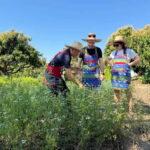
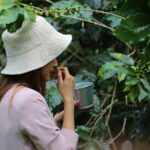
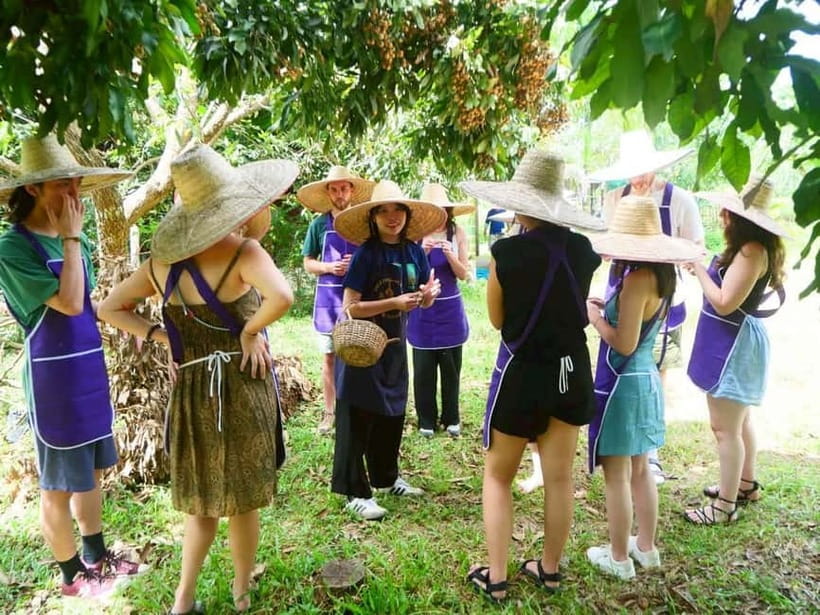
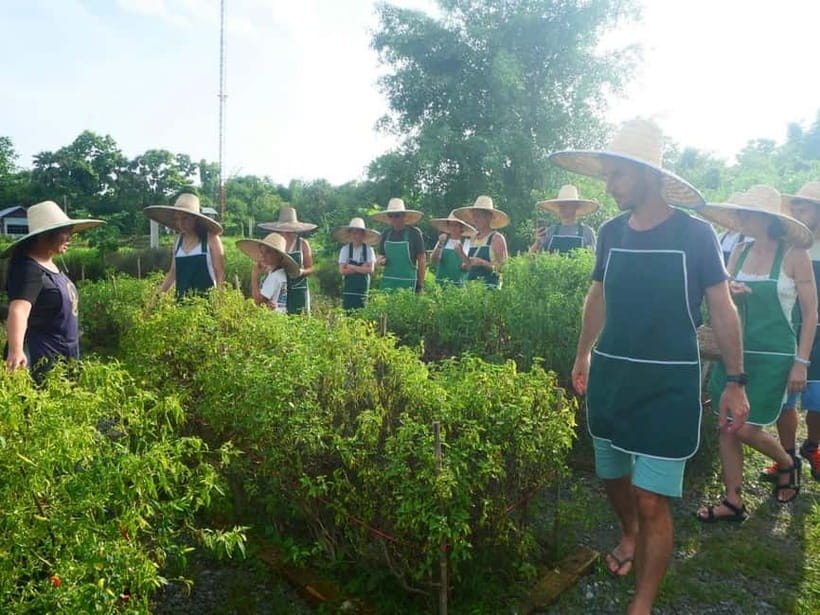
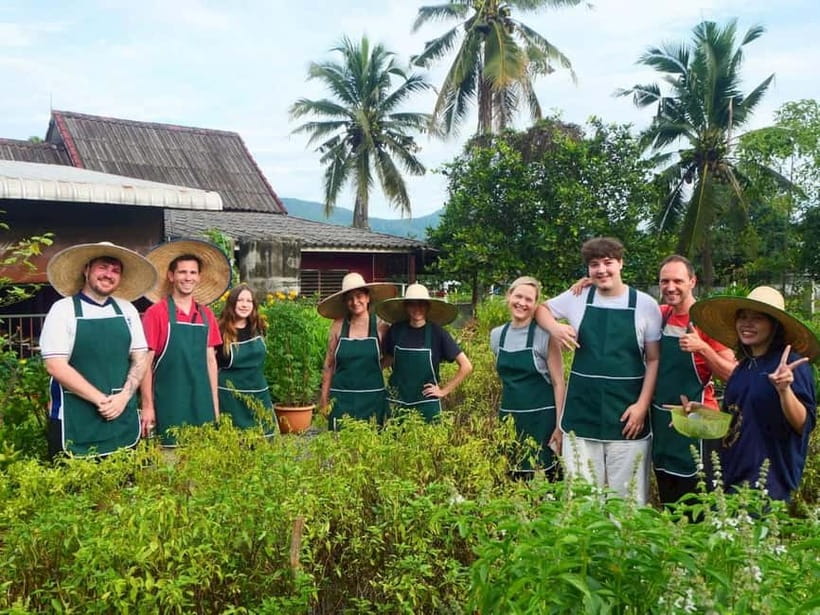
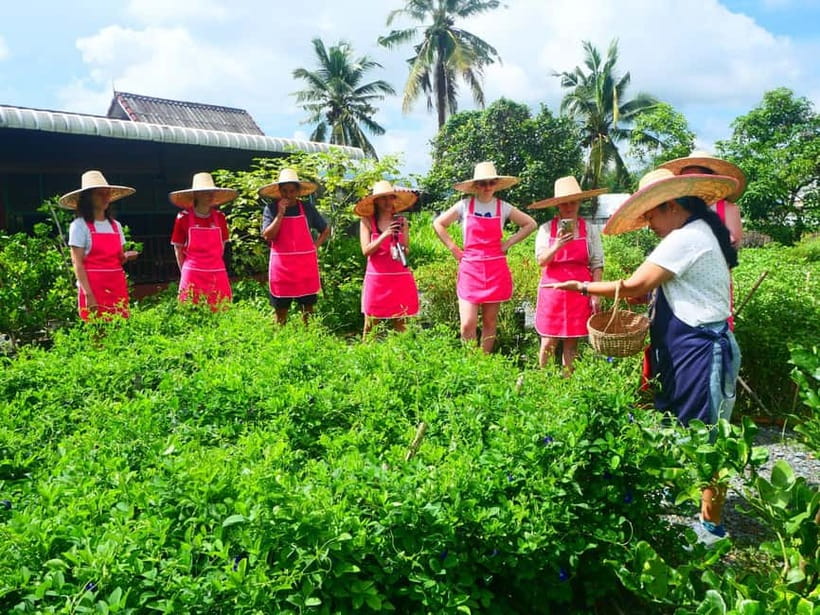
After the market, you head to the farm. This is where the experience becomes more grounded than a typical cooking class. You’ll stroll through an herb garden and learn about the local herbs and ingredients used in the class.
This part helps because it connects “what’s in the dish” with “where it comes from.” When you understand what grows in the farm’s environment, you’re more likely to understand why herbs taste the way they do and how to handle them in cooking. You’ll also get a feel for the pace of farm life outside the city, which makes the whole cooking session feel calmer and more focused.
If you like nature breaks between activities, this is a good fit. You get a walk, you learn something practical, and then you move into cooking without feeling like you’re stuck in a room all day.


Step 3: hands-on Thai cooking session in the farm kitchen
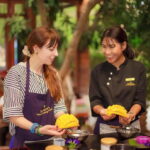
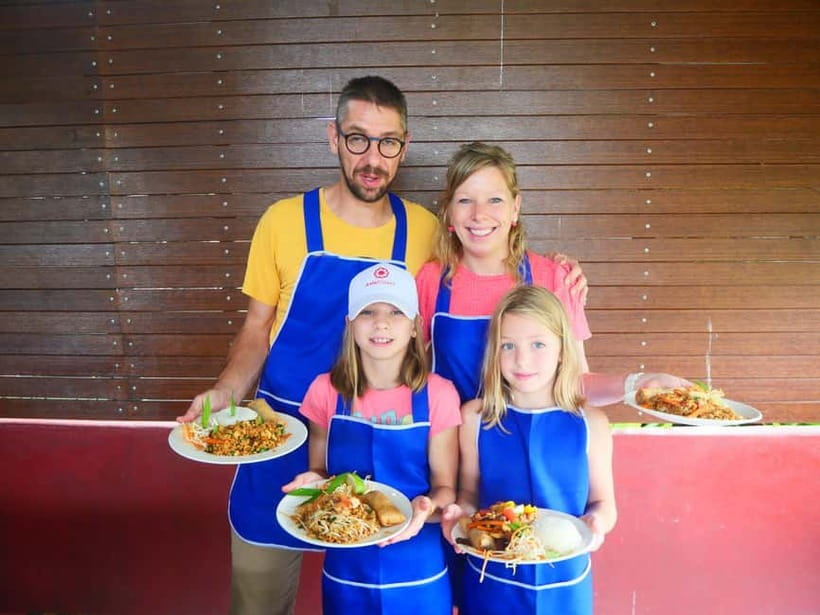
This is the core of the experience. You don’t just watch. You cook. The instructor leads you step by step, and you get to make multiple classic dishes from scratch.
Based on what’s included, expect work across categories like:
- Curry paste and curry
- Stir-fry style cooking
- Soup (including classic Thai options)
- Spring rolls
Two named favorites you’ll learn include:
- Pad Thai
- Tom Yum Goong (spicy prawn soup)
Here’s why I think this matters. Thai food is not only about one sauce or one spice mix. It’s about balance: sour, sweet, salty, spicy, and aromatic herbs. When you make the curry paste and then follow that through to curry and soup, the flavors start to make sense. You’ll leave with more than a recipe—you’ll have a framework for how Thai dishes are built.
Also, you’re using the ingredients from the market and the herb garden. That “farm-to-kitchen” connection is what makes the cooking feel less like a scripted class and more like learning a real skill.
One consideration: if you don’t eat seafood, speak up early. Since Tom Yum Goong is a prawn soup, it’s worth letting your instructor know what you can and can’t handle.
Step 4: fruit picking season off the trees
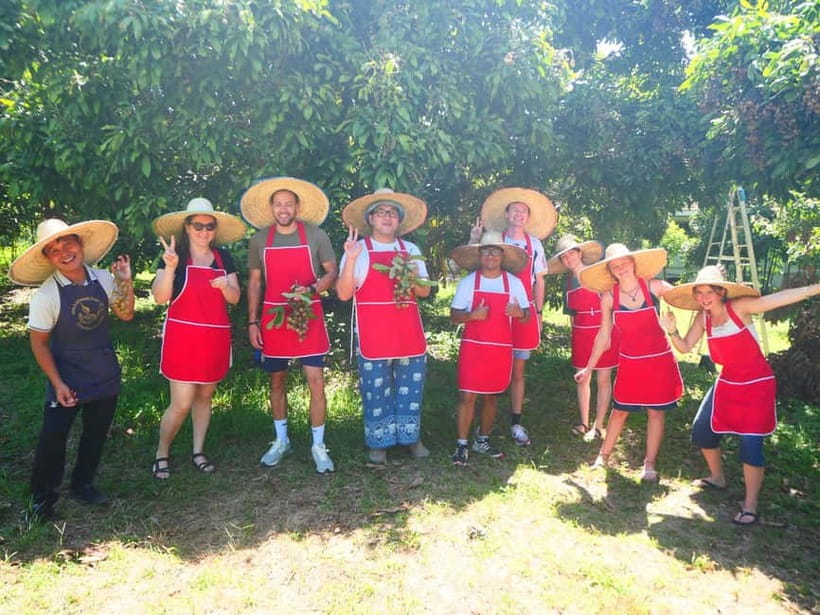
One of the most fun, and honestly most memorable, parts is fruit picking. You get to pick seasonal fruits directly from the trees.
Depending on the time of year, you may be picking:
- Longans (July–August)
- Mangoes (March–May)
Why this is more than a gimmick: it reinforces the idea of cooking with what’s available locally. Thai cuisine leans hard on fresh ingredients, and getting fruit straight from the tree helps you taste sweetness and texture more clearly than pre-cut fruit in a shop.
If you’re traveling outside those months, you may not see the same tree fruit. Still, the farm portion and cooking remain the point.
Chill time by the pool: what to do after you cook
Once you finish cooking, you can relax in a chill-out area by the swimming pool, and you can even take a refreshing dip if you’d like. This is the kind of detail that makes a half-day experience feel like a real break rather than a nonstop activity schedule.
I recommend using this downtime intentionally. Sit, hydrate, and let your brain stop switching between chopping and stirring. If you want to snack later, this is a good time to do it before you head back to the city.
Transportation and comfort: small details that help
The class includes pickup and transport by an air-conditioned vehicle. In Chiang Mai, that simple comfort matters—heat and sun can sneak up fast, especially if your market time runs longer than expected.
It’s also a good sign that the transport performance is rated highly, with 92% of reviewers giving it a perfect score. That suggests your day won’t turn into a waiting game, and you can count on getting back and forth in an organized way.
Bring: a light layer for the car if you tend to feel chilly with strong AC.
What’s included beyond the cooking itself
This experience is set up to help you take something home, not just memories.
Included items:
- All ingredients for the cooking class
- An e-book with the recipes
- A photo album on the provider’s Facebook page
That e-book is useful because Thai recipes often rely on technique and ratios, not just ingredient lists. Having a reference after the day makes it easier to re-create dishes when you’re shopping in your home kitchen.
Who this cooking class is best for (and who might skip it)
This is a great pick if you:
- Want a hands-on Thai cooking experience, not a lecture
- Like farm life, herb gardens, and fresh ingredients
- Enjoy market time where you learn what to choose
- Want to combine cooking with a calm downtime space (pool area)
You might think twice if you:
- Can’t eat seafood, since Tom Yum Goong includes prawns
- Prefer very short activities (this runs about 6 hours, even if it’s sold as a half-day-style outing)
- Travel during months when your favorite fruit isn’t the seasonal pick (fruit depends on timing)
How to get the most out of it
A few practical moves make a big difference in your results:
- Ask questions while you’re cooking, especially about curry paste and balancing flavors.
- Pay attention during the herb garden walk. Even if you can’t recreate the farm exactly, you can still learn how to use the herbs properly.
- If you have dietary needs (especially seafood), tell your instructor early.
- Wear shoes you can walk in comfortably during the market and farm parts.
And when you’re done, actually use that e-book. Pick one dish—maybe Pad Thai or curry paste—and test it at home within a week while the steps still feel fresh.
Should you book Smile Organic Farm Cooking School?
If your goal is to understand Thai food through real ingredients—market first, herbs on a farm, then cooking from scratch—I’d book this. The value is strong for the price, and the experience has enough variety to keep it interesting: market learning, organic farm atmosphere, hands-on cooking, fruit picking in season, and pool downtime afterward.
The only real reason to skip is if you need strict dietary control around seafood or you’re looking for a shorter, lighter activity. If you fit the first group, this is the kind of day that makes Chiang Mai feel personal—because you don’t just taste Thailand, you learn how to make it.
FAQ
What is the duration of the cooking class?
The experience runs for 6 hours.
How much does it cost?
It costs $28 per person.
What are the pickup times and areas like?
Pickup is included. Morning pickup is between 8:00-8:30am, and afternoon pickup is between 3:00-3:30pm. They pick you up from your hotel or accommodation within 3 kilometers of Chiang Mai Old City.
What language is the instructor?
The instructor is English.
What’s included in the price?
You get an air-conditioned vehicle, all ingredients for the cooking class, an e-book with the recipes, and a photo album shared on Facebook.
Do I get to pick fruit?
Yes, you can pick seasonal fruits from the trees, including longans (July–August) and mangoes (March–May).