REVIEW · GUAYAQUIL
Cacao Farm Excursion Day Trip from Guayaquil
Book on Viator →Operated by BM TOURS SA · Bookable on Viator
Chocolate starts with a pod. That’s the big thrill of this Guayaquil excursion: you get hands-on steps in the cacao-to-chocolate process, plus a real look at how local farms work. I love that the tour is built around a family-run cacao operation and ends with hotel pickup and drop-off for an easy day.
Two moments I really like: first, seeing cacao from seed care to harvest, then actually toasting and grinding the seeds into a thick chocolate base. Second, the organic lunch made with ingredients grown on the farm, not a generic restaurant meal.
One thing to consider: the day is outside and close to farm nature, so come prepared for mosquitos and sun, and remember drinks aren’t included.
In This Review
- Key highlights you’ll feel right away
- How the 4-hour cacao day trip actually plays out
- The drive to Naranjal: where the day starts feeling rural
- Inside the cacao farm: from seeds to harvest
- Turning cacao pods into chocolate paste
- Making chocolate (and tasting it in real farm style)
- The organic lunch: what you’re actually eating
- Who runs the day: guides, farm families, and the personal touch
- Timing and logistics: why the 10:00 am start works
- Price and value: is $205.72 per person worth it?
- What to bring (so the farm day stays pleasant)
- Should you book this cacao farm excursion from Guayaquil?
- FAQ
- What time does the cacao farm excursion start?
- How long is the tour?
- Where does the hotel pickup happen?
- How far is the farm from Guayaquil?
- What do I do on the farm?
- Is lunch included?
- Are drinks included?
- Is this tour family-friendly?
- Do I need bug repellent?
- Can I cancel for a full refund?
Key highlights you’ll feel right away
- Hands-on cacao processing: help toast seeds, remove husks, and grind beans into chocolate paste
- Farm-grown lunch: typically uses ingredients from the property, often including rice and tropical fruit
- A real family operation: you meet the people running the place, not just a scripted stop
- Private group day trip: your group only, with pickup and drop-off in Guayaquil
- Churute region setting: farm life near hills and the Churute River area
How the 4-hour cacao day trip actually plays out
This is a compact day trip designed for people who want Ecuador flavor without losing half a day to logistics. You meet your guide at your Guayaquil hotel for a 10:00 am departure and you’re back at your hotel by around four hours later.
The drive takes you out toward Naranjal, about 32 miles from Guayaquil. That distance matters because it gives you that shift from city pace to farm time—while still fitting into a morning-or-early-afternoon window.
This tour is also set up as private, so you’re not sharing the experience with other random groups. And while the farm is active, the tour is described as suitable for most people, including families.
You can also read our reviews of more tours and experiences in Guayaquil.
The drive to Naranjal: where the day starts feeling rural
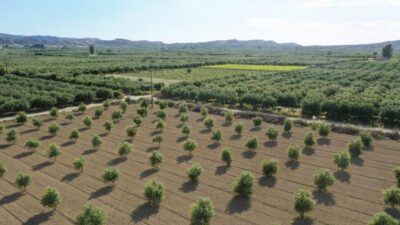
Your first stop is simply getting moving: hotel pickup, then heading out toward the farm area. Once you leave Guayaquil, the scenery becomes a working mix of countryside and cultivated areas—cacao fields, fruit trees, and other crops.
The farm sits in the Churute ecological reserve hills and the Churute River area, and you’ll feel that shift in the air and light. It can be hot, and you may also deal with insects. Based on what you’re told to bring and what people report from the day, bug repellent is not optional if you’re even mildly insect-prone.
Also, keep an eye on comfort: you’re on a short day trip, so there’s less time to deal with unexpected discomfort. Wear shoes you’re happy to walk in, and don’t count on exact weather control once you’re outside.
Inside the cacao farm: from seeds to harvest
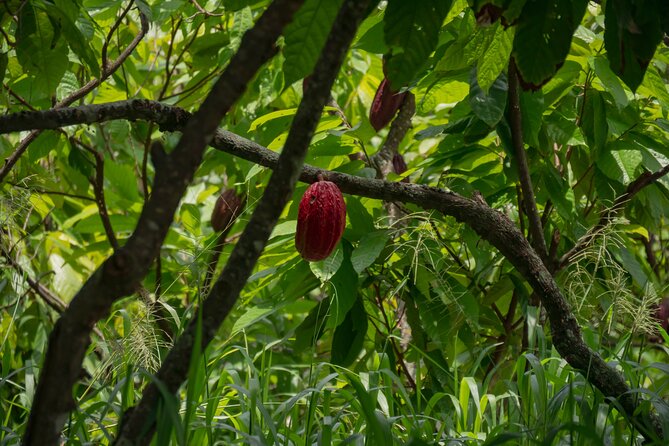
What makes this tour genuinely different from a chocolate shop visit is that it teaches the whole chain. You don’t just taste chocolate—you watch how cacao plants are grown and how farmers care for the trees before any beans become chocolate.
On arrival, you learn about the farm’s 30-acre (about 12-hectare) property and its mix of crops. You’ll see cacao trees along with other tropical fruits and agricultural areas like rice.
Then comes the cacao education in plain steps:
- how seeds start cacao plants
- how farmers care for the trees
- how pods get harvested from the cacao fruit
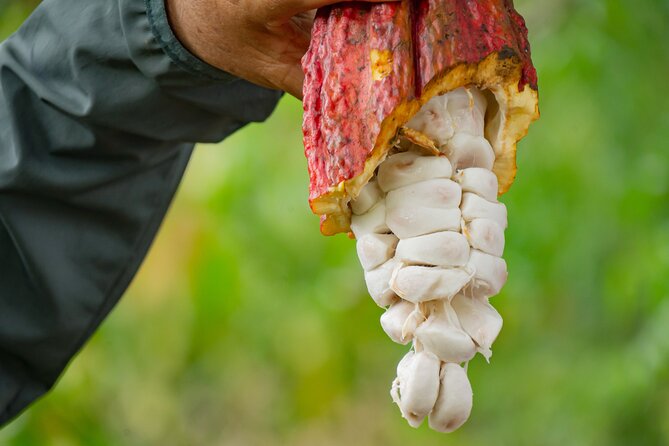
One of the best parts is seeing cacao as a living plant, not a product in a wrapper. The pods have a very specific look, and once you connect the pod to what ends up in chocolate, the whole story stops being abstract.
Turning cacao pods into chocolate paste
Here’s where your senses get involved. After you tour the growing and harvesting portion, you move into the transformation steps.
You’ll get to see and help with the bean process, including:
- toasting the cacao seeds
- removing the husks
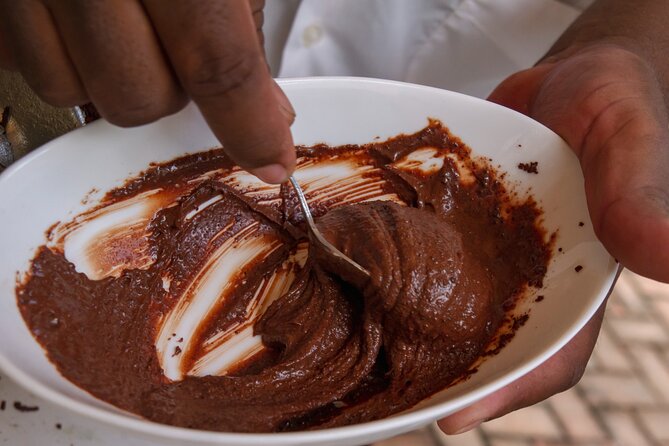
- grinding the seeds into a thick paste
Multiple descriptions of the day highlight that you follow the fruit through the steps of production, so you’re not only watching from a distance. You’re participating in tasks that help explain texture and flavor—especially once the beans shift from raw to toasted and then into paste.
In addition, some descriptions of the farm process include fermentation as part of turning harvested beans into chocolate-ready ingredients. Even if the exact order gets explained differently depending on the group, you’ll still understand that chocolate is built through stages, not a single magic switch.
And yes, you get to taste along the way. This is one of those activities where your brain learns first, and your mouth confirms it after.
Making chocolate (and tasting it in real farm style)
The tour is not just a lecture with a final sample. You get involved enough that you can connect actions to results.
You may get chances to:
- try cacao and related preparations during the farm portion
- make chocolate yourself from the ingredients you worked with
- enjoy drinks like a chocolate cup during the day
That chocolate cup detail is worth noting because it anchors the day early. You’re not waiting until the very end to get a chocolate moment—you get a taste while the day is still building.
If you like food experiences where you can take the story home, this is a strong fit. The most memorable tours are the ones where you leave with something more than flavor—like the mental model of how cacao becomes chocolate.
The organic lunch: what you’re actually eating
Lunch is a major reason people rate this tour so highly. You’re not just handed a sandwich. You’re brought to a typical farm lunch situation where the food is made with organic ingredients grown on-site.
The farm grows a wide range of crops, including (and this matters for lunch): rice, cacao, and many tropical fruits and vegetables such as mango, papaya, dragon fruit, avocado, bread fruit, tomatoes, green pepper, lemon grass, and more. Not everything will show up on your plate, but the point is that the menu isn’t random.
In practice, the lunch tends to be a traditional Ecuadorian meal and can vary day to day. Some people describe a multi-course homemade lunch and even specific items like fish with rice and empanadas, plus a chocolate-based dessert. So treat lunch as a warm, local highlight rather than a guaranteed menu.
Two practical notes:
- Drinks aren’t included, so plan on paying separately if you want bottled water, juice, or soda.
- Because it’s farm food, expect fresh ingredients, not restaurant precision.
Who runs the day: guides, farm families, and the personal touch
A big part of the experience is the human side—this is a family-owned farm and it shows in the way the day is taught. You meet farmers and learn their story, not just the chemistry of chocolate.
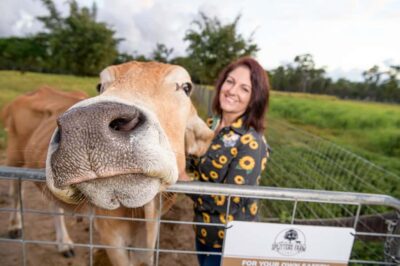
Your Guayaquil pickup could be handled by guides such as Jaime or Adrian (and sometimes a driver like Eddie). Once you reach the farm, you might be welcomed by the family and taught by people like Jamil or Simon, and you might even hear from the owner (one person specifically mentions an owner named Shirley).
The vibe you’re aiming for is simple: friendly, hospitable, and practical. It’s the kind of setting where people ask questions and get real answers, because the farm’s livelihood depends on sharing what they do.
Timing and logistics: why the 10:00 am start works
This tour starts at 10:00 am, and that timing has a real purpose. You get the cacao processing portion and the lunch window without turning the day into a marathon.
Duration is listed as about 4 hours, so it’s compact. That’s great if you’re doing other Guayaquil sights the same day or if you’re only in town for a short visit.
The flip side: it’s fast. There’s no long, slow wandering time. If you want hours and hours of deep technical detail on chocolate production, you may wish for a longer stay. But if your goal is seeing the full chain quickly and having hands-on moments, the time structure fits.
Price and value: is $205.72 per person worth it?
At $205.72 per person, this isn’t the cheapest food tour option in Ecuador. But it’s also not priced like a quick tasting stop either.
Here’s what you get for that price, based on what’s included:
- hotel pickup and drop-off in Guayaquil
- lunch
- food tasting
- taxes and related fees
- the guided cacao farm experience (private group)
For many people, the value comes down to combining three costs in one: transportation out to Naranjal, a real meal, and a hands-on guide-led activity. You’re also paying for access to a working farm process, not a staged museum display.
If you’re traveling with a group or a family and you’ll actually use the private setup and the included lunch, it starts to feel much more reasonable. If you’re a lone spender looking only for a quick chocolate sample, it might feel pricey. But if you want a full food story for the day, the price is easier to swallow.
What to bring (so the farm day stays pleasant)
At minimum, plan for outdoor farm conditions. The tour recommends bug repellent, and I’d treat that as the main item, especially in warmer months or near water.
Also consider:
- sun protection (farm days can get bright and hot)
- long pants or light long sleeves if you’re insect-sensitive
- comfortable closed-toe shoes for uneven farm paths
And since drinks aren’t included, decide whether you want to buy water on your own or carry a plan. You’ll have enough to focus on during the cacao steps without worrying about hydration at the last minute.
Should you book this cacao farm excursion from Guayaquil?
Book it if you want an Ecuador food experience that’s practical and hands-on. This is one of the better “do the thing” tours from Guayaquil: you see cacao as a crop, you help with processing steps like toasting and grinding, and you get an organic farm lunch that feels like part of the story, not an afterthought.
Skip or choose something else if you hate outdoor conditions and insects, or if you’re hoping for a low-effort chocolate-only stop. This is farm time with real agriculture involved, not a smooth indoor tasting room.
If you do book, go with a curious mindset and expect to learn how cacao works from fruit to chocolate paste—then taste the proof over lunch.
FAQ
What time does the cacao farm excursion start?
The tour starts at 10:00 am with hotel pickup in Guayaquil.
How long is the tour?
The duration is about 4 hours.
Where does the hotel pickup happen?
You meet your guide at your centrally-located hotel in Guayaquil, then you’re picked up for departure.
How far is the farm from Guayaquil?
The farm area is about 32 miles from Guayaquil.
What do I do on the farm?
You learn how farmers grow cacao and follow the production process, including steps like toasting seeds, removing husks, and grinding the seeds into a thick paste. You also get tastings during the day.
Is lunch included?
Yes. Lunch is included and is described as made with organic ingredients grown onsite.
Are drinks included?
No. Drinks aren’t included.
Is this tour family-friendly?
It’s described as family friendly, and children must be accompanied by an adult. Child pricing applies only when sharing with two paying adults.
Do I need bug repellent?
Yes, it’s recommended to bring bug repellent.
Can I cancel for a full refund?
Yes. You can cancel for a full refund if you cancel at least 24 hours before the experience’s start time.