REVIEW · BUNDABERG
Bundaberg: Splitters Farm Guided Tour
Book on GetYourGuide →Operated by Splitters Farm · Bookable on GetYourGuide
A farm tour where you get hands-on with rescued animals is hard to beat. At Splitters Farm in Bundaberg, this 1-day guided visit mixes close animal time with real working-farm know-how and product tastings.
I especially like the private, owner-led feel, where your guide’s stories turn the paddocks into something you actually understand. You also get tactile farm moments like feeding animals and tasting honey and macadamias.
One consideration: there’s no sit-down meal included, so plan on drinks from the on-site barista van and eat elsewhere if you need a full lunch.
In This Review
- Key takeaways before you go
- Bundaberg Animal Time That Feels Like a Real Farm, Not a Show
- Arriving and Getting Set Up: Wrist Band to Paddock
- Honey and Macadamias: A Bundaberg Welcome You Can Actually Taste
- The Working-Farm Stories: Why the Tour Feels Worth It
- Feeding Over 400 Rescued Animals Up Close
- Egg Collecting and Farm Product Moments
- Photo-Friendly Paddocks and Natural Surrounds
- What a $38 Price Buys You (and What It Doesn’t)
- Timing, Weather, and How to Plan Your Day
- So Who Is This Tour For?
- Should You Book Splitters Farm’s Guided Tour?
- FAQ
- How much does the Splitters Farm Guided Tour cost?
- How long is the tour?
- Where do I check in?
- Is any food included during the tour?
- What should I bring?
- Does the tour run in bad weather?
Key takeaways before you go
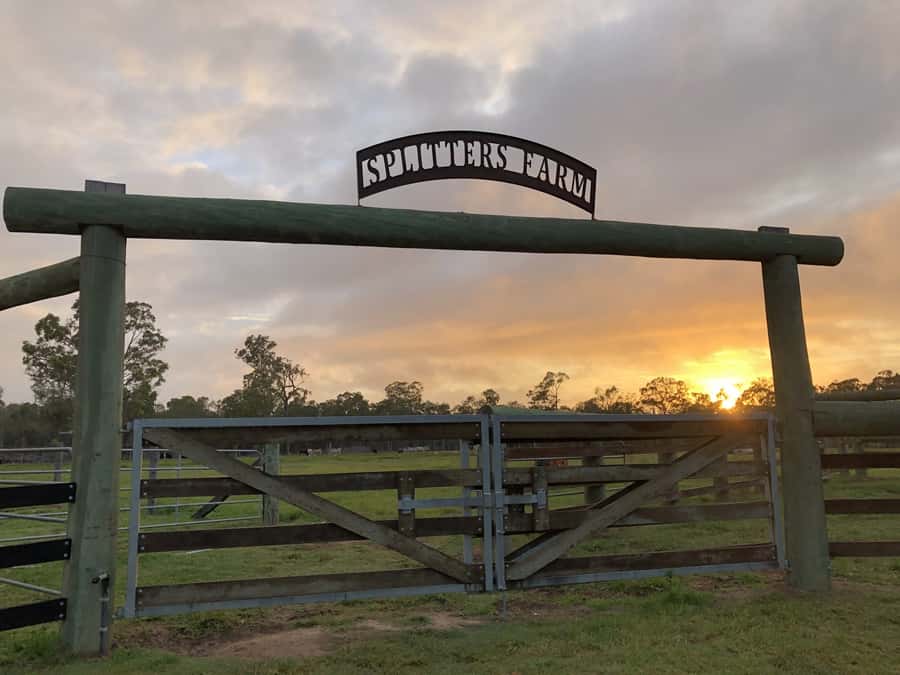
- Owner-led guiding: you’ll hear the farm story from people running it
- 400+ rescued animals to feed: a lot of time for hands-on animal contact
- Bundaberg farm tastings: honey and macadamias straight from the property
- Rain-or-shine operation: wear gear that works in wet weather too
- Photo-friendly paddocks: there’s built-in time for cameras and close-up moments
Bundaberg Animal Time That Feels Like a Real Farm, Not a Show
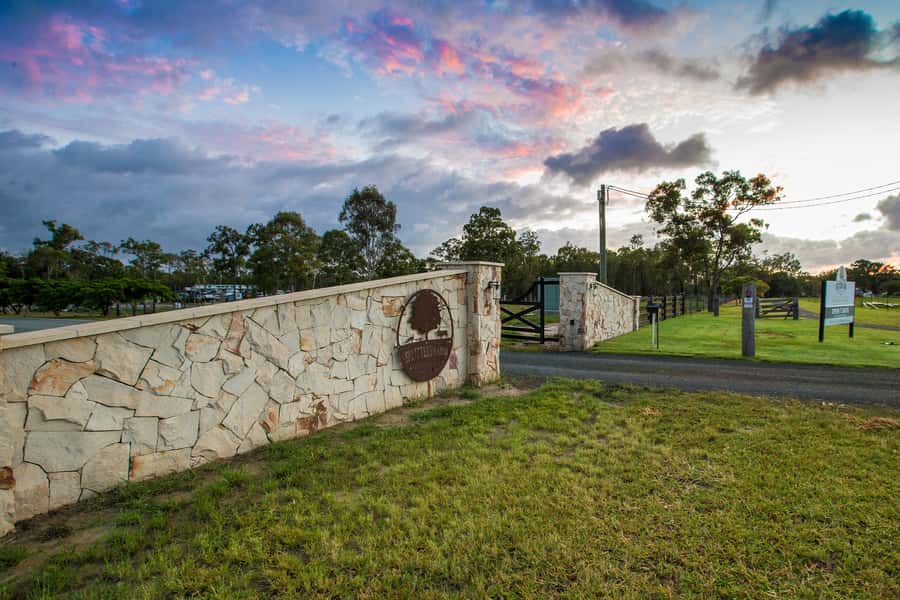
Splitters Farm is the kind of place you go to for animals, but you leave understanding farming. This isn’t just a loop through pens. It’s a paddock-to-paddock guided tour that explains how a family-owned cattle farm works, what challenges show up in agriculture, and how sustainability can fit alongside day-to-day needs.
The day starts with check-in at the main office, where you pick up your wrist band(s). That wrist band is your cue that you’re in the right flow for a guided visit, and it keeps the whole thing feeling organized rather than chaotic. From there, you’ll be welcomed and brought into the farm rhythm—tasting local produce early, then moving out into the paddocks for the main event.
If you’re the type who loves learning while you’re doing, this tour hits a sweet spot. If you’re mostly hoping to just passively watch animals, you’ll still get a good experience, but the tour’s power comes from participation—feeding, handling small moments like egg collection, and listening to the stories behind each animal.
You can also read our reviews of more tours and experiences in Bundaberg.
Arriving and Getting Set Up: Wrist Band to Paddock
Check-in is straightforward: collect your wrist band at the main site office. After that, you’re guided by your tour host as you transition from the office area into farm activities. This matters more than it sounds. When people show up without a plan, animal time can feel rushed. Here, the wrist band system supports a smooth start and a clearer schedule.
Once you’re checked in, expect to begin with tastings before you head out. That early stop also works as a mental warm-up. You’re not trying to switch from travel-mode to farm-mode in one step. You ease in first, then you move into feeding and the longer guided sections.
Practical tip: comfortable shoes matter here. You’re moving through paddocks and natural surrounds, so you want footwear that can handle uneven ground and possible mud after rain. Bring your hat and keep your camera ready, because the tour is built around close encounters and photo opportunities.
Honey and Macadamias: A Bundaberg Welcome You Can Actually Taste
I like that the experience starts with simple, local food from the farm: honey and macadamias. It’s not just a token tasting either. You’ll taste these straight from the farm during your welcome, and that early taste helps anchor the day in Queensland agriculture rather than making it only about animals.
Honey is the kind of product that feels very “place-specific,” and macadamias connect the farm to a broader Bundaberg region identity. The tastings give you a quick sense of how the farm thinks about production—where supply comes from, why timing matters, and how farming can be both practical and personal.
There’s also a good chance you’ll enjoy the pacing. Food at the start gives you something pleasant to focus on while you settle in, and it keeps the morning from feeling like pure waiting. If you’re sensitive to hunger later in the tour, note that there is no food served on the tour itself, but the barista van at the main office sells cold drinks. Coffee stops can be your friend.
The Working-Farm Stories: Why the Tour Feels Worth It
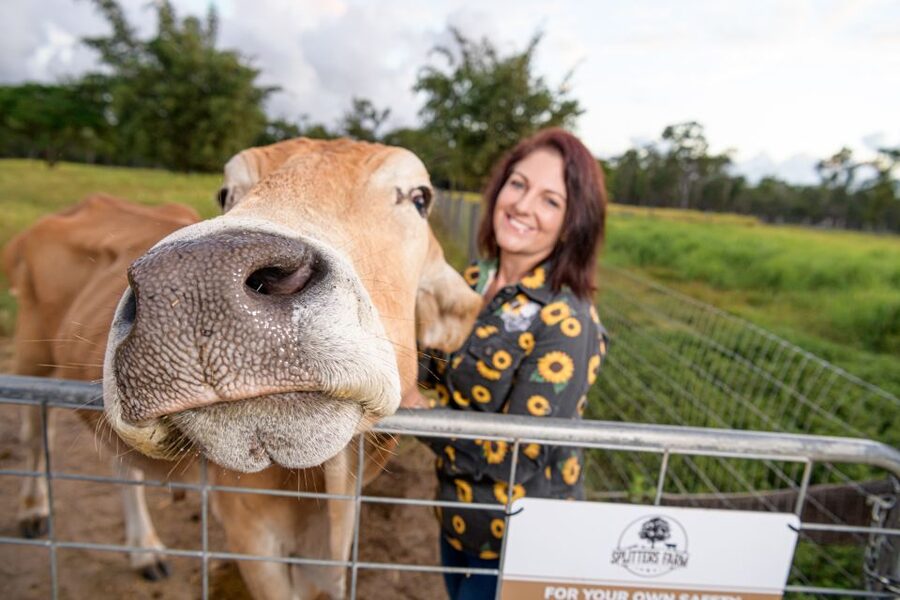
The guide doesn’t just point things out. You’ll hear about the rich farming history of the Bundaberg Region and the background behind this family-owned cattle farm. You’ll also get behind-the-scenes explanations about how a working farm operates, including supply and demand challenges and the resilience of Australian farmers and the agriculture industry.
This is one of the tour’s biggest values, because it turns your visit into context. When you understand why farmers make certain choices, you stop seeing animals and paddocks as a static scene. You start seeing them as part of an ongoing system—weather, feed needs, market pressures, and long-term care.
You’ll also learn about sustainable farming working in harmony with Australian bushland and creek surrounds. That’s a helpful framing if you care about the environment. It doesn’t get preachy in the info you’re given—it’s more like a practical explanation of what a sustainable approach looks like on the ground.
And yes, there’s a strong animal-care component too. The stories include how the rescued animals arrived and their background. That’s important because it makes feeding time feel like care, not just interaction.
Feeding Over 400 Rescued Animals Up Close
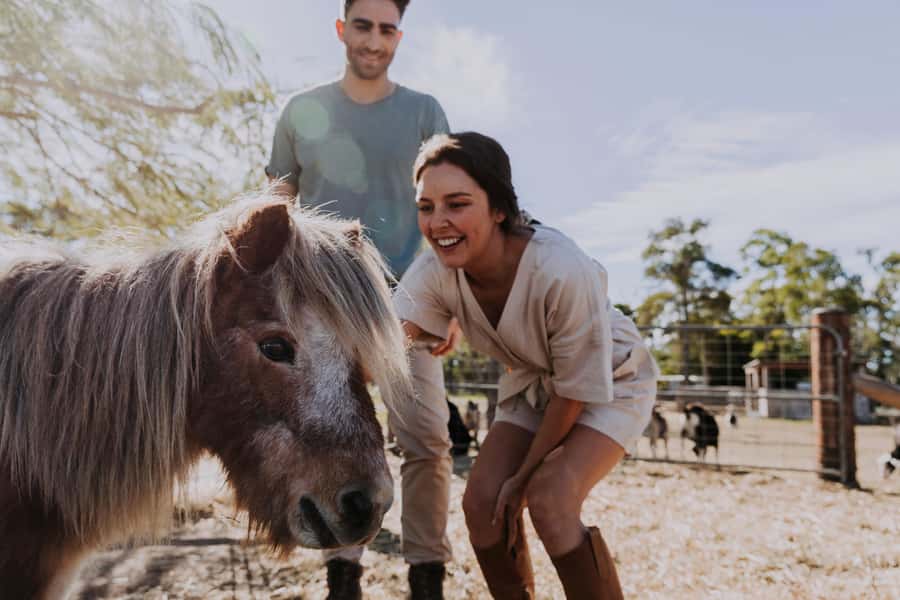
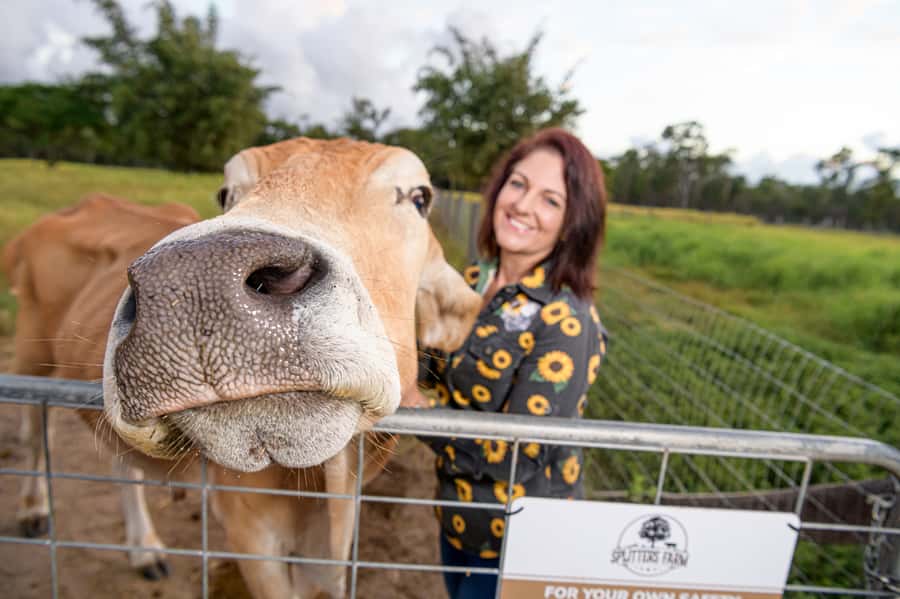
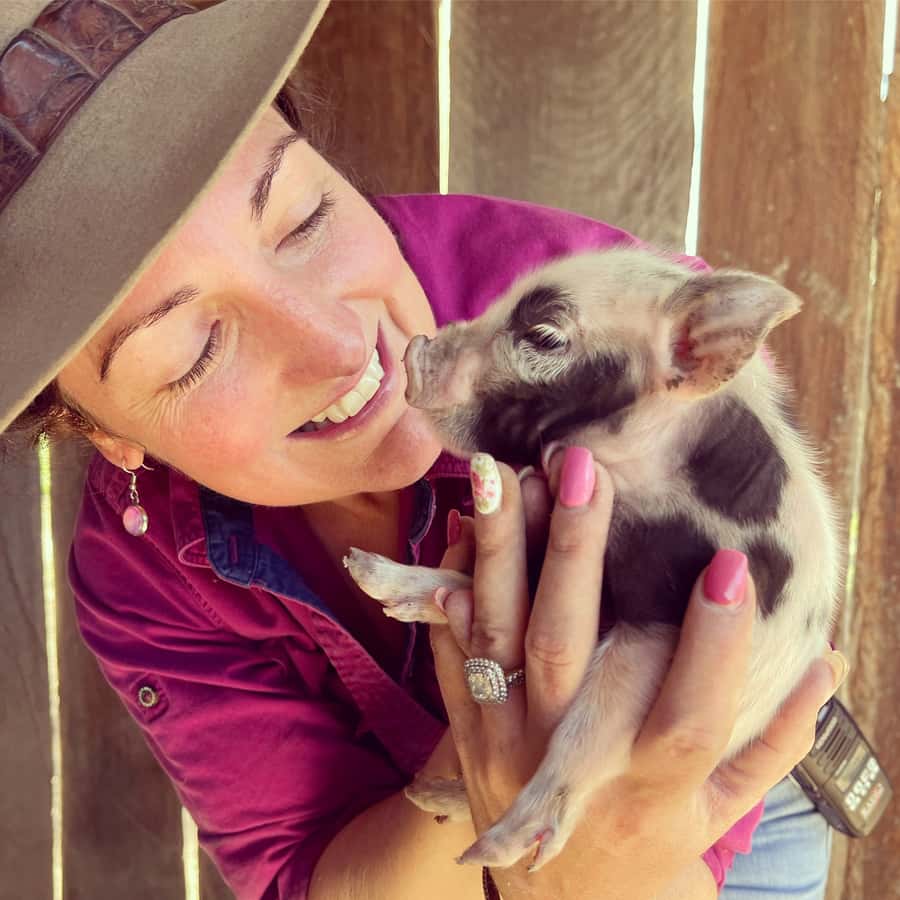
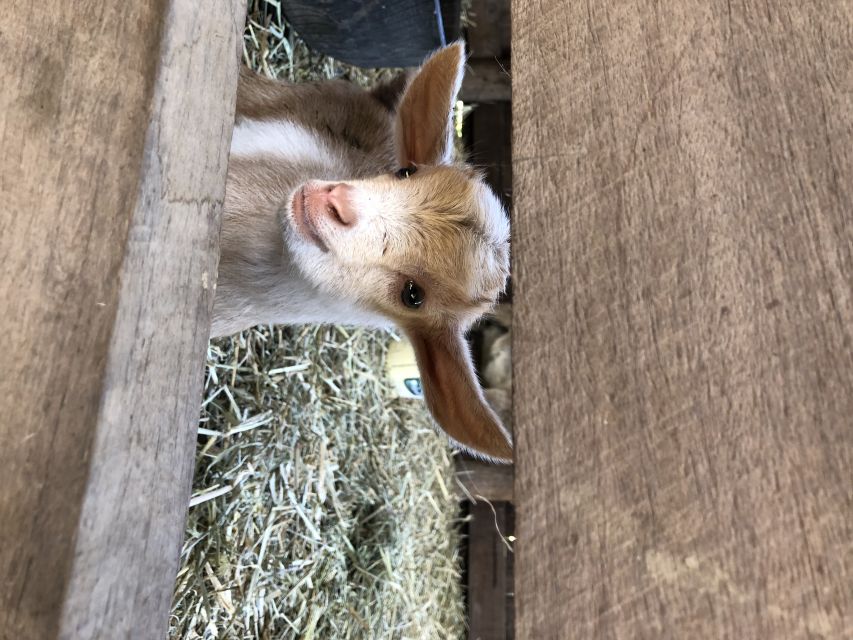
Feeding is the heart of the day. The tour includes food for the rescue animals, and you’ll feed over 400 rescued farm animals while the guide shares valuable insight into each animal’s story—how they ended up at their forever home.
That number alone tells you this isn’t a short “one pen, one snack” experience. You’ll spend real time in the paddocks and you’ll likely feel how much effort animal care takes. Every animal is part of a broader rescue network, and feeding them is one of the direct ways your ticket supports day-to-day needs.
A big plus from the feedback you’re working from is the emphasis on how well cared for the animals are. One reviewer highlighted that the animals are lovely and tame and that the owners are passionate about their health. Another specifically praised the guided stories, naming Karla as an excellent guide. Those details matter because close-up feeding can be hit-or-miss at animal experiences. Here, the tone is set around animal wellbeing and knowledgeable handling.
How to get the most out of feeding time:
- Listen first, then feed. Your guide’s instructions help you understand what’s expected in each paddock.
- Keep your camera ready, but don’t let it steal the moment. The feeding part is the reason this tour exists.
- Wear gear you can move in comfortably. You’ll be in and around paddock spaces, not just standing at a single viewing spot.
Egg Collecting and Farm Product Moments
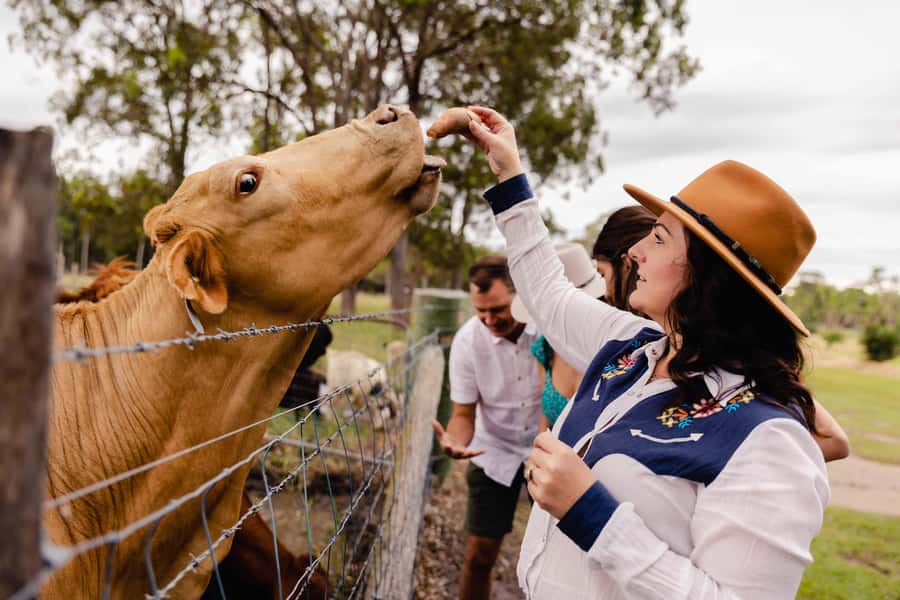
Beyond animal feeding, you’ll get those extra farm activities that make the day feel hands-on. The highlights specifically call out collecting eggs and tasting honey and macadamias. Even if you’re not a “farm activity” person, egg collecting gives you a different way to connect with the working side of the property.
These moments also help break up the day. Animal feeding is engaging, but it can also be emotionally intense if you think too hard about rescue situations. Egg collecting and tasting activities give you a lighter rhythm—still grounded in farm life, but less heavy than learning each individual backstory.
If you bring a camera, this is the time to use it. Eggs and produce make for easy, natural photo opportunities. Plus, farm activities help you get beyond generic animal shots. You’re capturing context: the farm as a place where people grow, care, and manage daily tasks.
Photo-Friendly Paddocks and Natural Surrounds
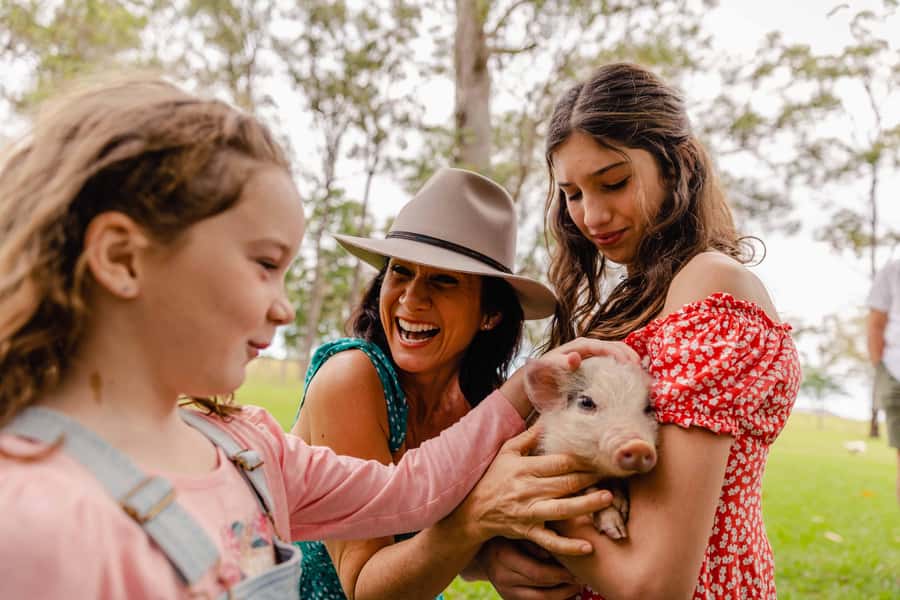
This is a photographers dream. The experience is designed around exploring paddocks and natural surrounds, and photo opportunities aren’t treated like an afterthought.
The practical side: you’ll want to bring your camera (specified) and be ready for changing light. Outdoor farms can shift quickly from sun to clouds, especially near creek areas. If it rains, you’ll still be out there. So plan for wet conditions—grab a hat for shade and rain control, and wear shoes you don’t mind getting a little muddy.
Even if you’re not chasing perfect photos, you’ll want visuals for yourself. Moments like feeding rescued animals up close and tasting produce straight from the farm are the kind of memories that fade unless you have at least a few photos to anchor them.
What a $38 Price Buys You (and What It Doesn’t)
At $38 per person for a 1-day guided tour, the best way to judge value is by what’s included. You’re not paying for a generic entry ticket. Your money supports a guided, private visit by a farm owner, plus photo time, plus farm brochure and map, plus food for the animals.
That “food for the rescue animals” detail is key. It turns the tour into something you can feel good about while you’re there. One of the positive notes in the feedback is that the entry fee goes toward feeding the animals, which makes the experience feel more connected than a passive attraction.
The tour does not include food served to you. There is a barista van on-site and cold drinks available for sale at the main office, so plan your day like a visitor who might need a snack or drink during the long outdoor portion.
Also, keep expectations aligned with the duration. It’s 1 day. So you’ll get a lot of highlights and guided meaning, but not a long stay on-site. If you’re craving a multi-day farm vibe, you might look at your broader Bundaberg plans and decide if you want to add more time nearby for a slower pace.
Timing, Weather, and How to Plan Your Day
The tour runs for 1 day, and you can check starting times for availability. Since it takes place rain or shine, your best planning move is to dress for the outdoors first.
Think of it this way: the animals don’t pause because it rains, and the farm doesn’t stop because clouds roll in. So wear comfortable shoes, bring your hat, and be ready for a guided outdoor walk through paddock spaces and creek-adjacent natural surrounds.
If you’re the kind of person who needs a lot of downtime after travel, you may want to schedule this earlier in the day or make sure you have a calm evening afterward. Animal-focused experiences can be energizing and emotional at the same time, and a relaxed buffer helps you absorb it.
So Who Is This Tour For?
This fits well if you want a mix of animal interaction and real farm context. You’ll likely enjoy it if you’re traveling in a pair or small group and you like guides who can explain how farming works, not just point at animals.
It also suits photography-minded visitors because there are photo opportunities in paddocks and natural surrounds, plus close-up feeding moments that are naturally photogenic.
Families can work too, especially if kids enjoy animals and don’t mind walking outdoors in changing weather. Just remember that the “working farm” aspect means it’s not a polished, carpeted space. It’s a farm environment.
Wheelchair accessibility is listed, so this is worth considering if you need that support. I’d still recommend bringing the same common sense you use anywhere outdoors: wear safe footwear and expect ground conditions to vary.
Should You Book Splitters Farm’s Guided Tour?
Book it if you want hands-on rescue animal feeding paired with genuine working-farm stories. The owner-led nature, the chance to feed over 400 rescued animals, and the included tastings of honey and macadamias make it feel like more than a quick stop.
Skip it only if you’re mainly after a relaxed, low-participation sightseeing experience, or if you strongly prefer tours that include a full meal. Here, you’re out in the paddocks, you’ll be moving around, and your “included value” is more about the guide, the animals, and your farm tastings than about sit-down comfort.
If you’re planning a Bundaberg day and want something that feels personal, practical, and grounded in real animal care, this one is an easy yes.
FAQ
How much does the Splitters Farm Guided Tour cost?
It’s listed at $38 per person.
How long is the tour?
The duration is 1 day.
Where do I check in?
Collect your wrist band at the main site office.
Is any food included during the tour?
No food is served on the tour. There is a barista van on-site and cold drinks available for sale at the main office.
What should I bring?
Bring comfortable shoes, a hat, and your camera.
Does the tour run in bad weather?
Yes. The tour takes place rain or shine.