REVIEW · MARBELLA
Chefcooking Paella from our Andalusian Grandmother at a Family Farm
Book on Viator →Operated by Farm Las Marías · Bookable on Viator
Paella gets serious when it comes from a real farm. This 4-hour Paella de la Abuela Andaluza cooking experience in the Estepona area mixes hands-on cooking with a scenic stroll framed by the Mediterranean Sea and the Sierra Bermeja. What I love most is the home-kitchen feel, led by María José and Rafael (and often Sebastian and Anita in the mix), and the way you eat as you cook, with sangria, starters, and dessert built into the flow.
You also get more than just a recipe. You learn the story behind the Andalusian “grandmother” approach—step by step, with local ingredients pulled from sea, mountains, and garden—then you leave with a recipe book you can actually use later. One thing to consider: like many small-house experiences, food and drinks can feel tight if the group is larger than expected, so it’s smart to confirm what’s included for your paella style (seafood, meat, or vegetarian) when you book.
In This Review
- Key Highlights to Know Before You Go
- A 1:00 pm Farm Welcome With Sangria and Big Views
- The Starter Table: Mussels, Cheeses, Olives, Ham, and More
- Paella de la Abuela: Where the Andalusian Technique Shows Up
- Lunch Pace: Eating While You Learn, Then Switching to Dessert
- Price and Value: Is $138.17 Worth It?
- Getting the Most From a Small-Group Home Kitchen
- Who Should Book This Paella Class (and Who Might Want a Different Style)
- Should You Book Chef Cooking Paella at a Family Farm?
- FAQ
- How long is the paella experience?
- What time does the experience start?
- Where does the experience meet?
- Is a paella lesson included or is it mostly a meal?
- Do they offer seafood, meat, and vegetarian paella?
- What’s included in the meal?
- Are alcoholic drinks included?
- Can they accommodate dietary restrictions and allergies?
- What’s the group size?
- What happens if the weather is bad?
Key Highlights to Know Before You Go
- Orchard sangria welcome made with local wine, fruits, and citrus
- Sea-and-mountain farm views with the Mediterranean and Sierra Bermeja in the background
- Hands-on paella cooking using fresh sea, mountain, and garden ingredients
- Starter table that keeps pace while the recipe gets explained step by step
- Deep-well bottled water noted for its magnesium and mineral content
- Recipe book included, plus Colombian coffee and traditional cake to finish
A 1:00 pm Farm Welcome With Sangria and Big Views
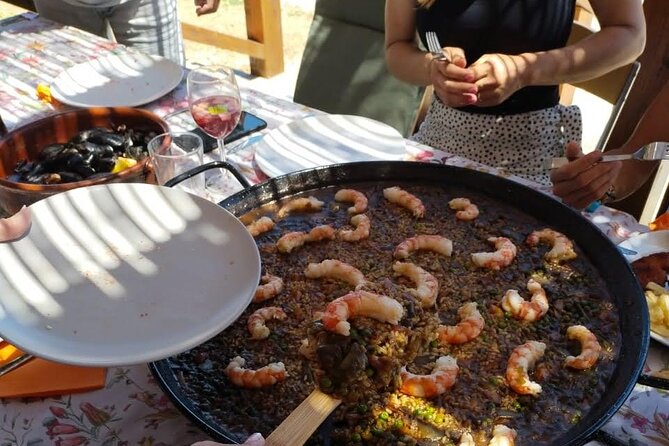
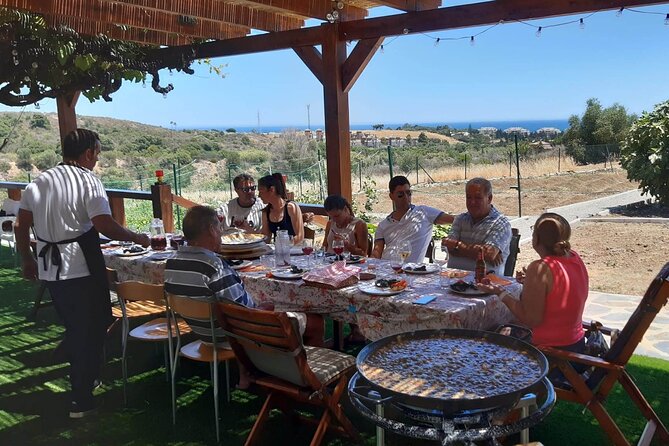
The day starts at Las Marías, near Estepona (Cam. Nicola, km 1, Estepona). You meet there at 1:00 pm, and you’ll feel the setting right away: a family farm space with the Mediterranean Sea and the Sierra Bermeja acting like a natural backdrop. It’s not just a pretty place for photos. The scenery helps you understand the ingredients—salt air, mountain influence, and garden produce all show up in how the meal is built.
Before the cooking gets going, you’re welcomed with sangria made using local wine, fruits, and citrus from the orchard. You’ll also have non-alcoholic soda/pop options on hand, plus bottled water drawn from a deep well, described as high in magnesium and minerals. That small detail matters more than you’d think: when you’re eating and learning, hydration helps you stay sharp through the cooking steps.
Then comes the farm story. You’ll tour the grounds with the sea and mountains in view, and you’ll hear about how farmers in the area live and work. If you like understanding food through people—who grew it, who caught it, and how it became a tradition—this part is a big reason the experience feels personal.
The Starter Table: Mussels, Cheeses, Olives, Ham, and More
One of the best-designed parts of this class is the pacing. While the hosts explain the paella process, you’re not stuck waiting with nothing to do. You can eat starters and sip drinks as the story and technique unfold.
Expect a starter spread that includes typical local-production items such as:
- Steamed mussels
- Fresh and cured cheeses
- Olives
- Iberian ham and Iberian sausages
- Artisan breads
In practice, this makes the experience feel like an Andalusian lunch shared around a table, not a strict “watch first, eat later” format. It also gives you a chance to taste the flavors of the region before paella takes center stage.
Two practical notes for your planning:
- Vegetarian options exist, and the paella can be made vegetarian. If you’re vegetarian (or cooking around dietary limits), let them know clearly in advance so you get the right menu flow.
- If you’re sensitive to allergies, the hosts say they adapt based on what you tell them ahead of time. Don’t be shy about details like shellfish, dairy, gluten, or alcohol preferences.
Some diners have noted that starter portions and dessert choices can feel limited if the group grows or the house flow gets crowded. That’s not unique to this tour type; it’s the reality of home-kitchen dining. Still, it’s worth messaging ahead if you care a lot about getting a full spread rather than a small sample.
Paella de la Abuela: Where the Andalusian Technique Shows Up
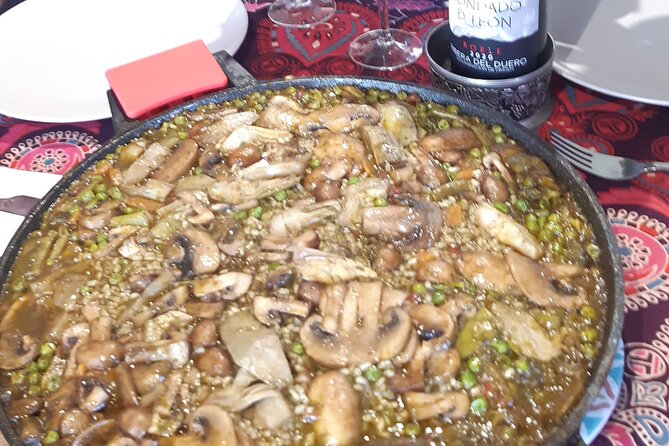
This is the heart of the experience: participating in the preparation of Paella de la Abuela Andaluza. The tour’s whole promise is learning a traditional “grandmother” style, and you’ll feel that in the way the hosts teach it—step by step, with attention to technique and tradition rather than just throwing ingredients into a pan.
What makes this class feel grounded is the ingredient sourcing. You’ll use fresh products from:
- the sea (from the local fish market),
- the mountains,
- and the farm’s own garden.
You can choose the paella style—seafood, meat, or vegetarian—so you’re not stuck with one version. Once the paella is cooking, you also get to taste what you helped make. That tasting piece is key. Paella is technical. You don’t just learn the steps; you get to connect the steps to flavor and texture.
From the way the hosts talk about paella, it’s clear they focus on more than guesswork. One diner described the recipe as technical, with hosts explaining carefully and thoughtfully. That’s what you want from a paella class: enough clarity that you can repeat the method later, not just recreate the ingredient list.
Also, plan to work at an accessible pace. This isn’t a professional line-kitchen training. It’s hands-on learning in a family setting. You’ll likely spend time at the station where the cooking happens, but you won’t expect a wide-open demo stage.
Finally, you’ll receive a recipe book of their preparations. That’s a practical bonus, especially if you want to recreate Andalusian paella at home with similar ingredients and logic.
Lunch Pace: Eating While You Learn, Then Switching to Dessert
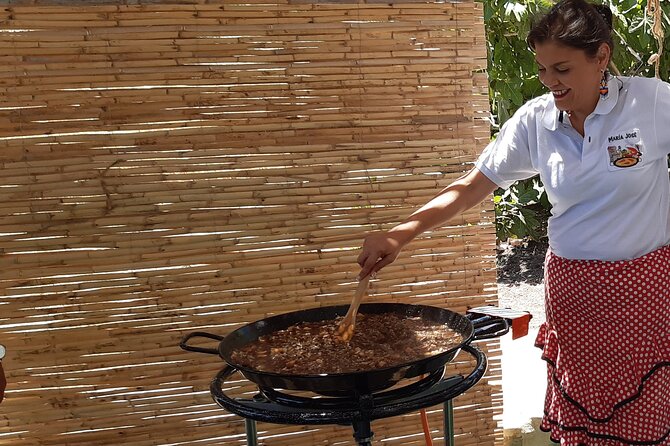
As the paella comes together, the meal keeps moving like a real lunch. You’re already in starter mode with mussels, cheeses, olives, bread, and cured meats. Drinks flow too, including the orchard sangria and other beverages available during the cooking explanation.
Once the main course phase is done, you move into dessert. The experience includes traditional Estepona desserts—locally produced artisan pastries. That matters for two reasons. First, it ties the sweet finish to the region you’re actually visiting. Second, it makes the overall 4-hour experience feel complete, not chopped into separate “activities.”
Then you get the finish that many people remember: Colombian coffee accompanied by traditional cake. Coffee like this isn’t an afterthought. It’s part of the home-lunch rhythm, and it’s a nice way to slow down after the busy cooking time.
One small consideration: a few diners have mentioned dessert portions felt small and choice could be limited on the day they went. In a home environment, desserts can be more “whatever’s ready” than a full buffet. If dessert variety is your top priority, it’s worth setting expectations going in.
Price and Value: Is $138.17 Worth It?
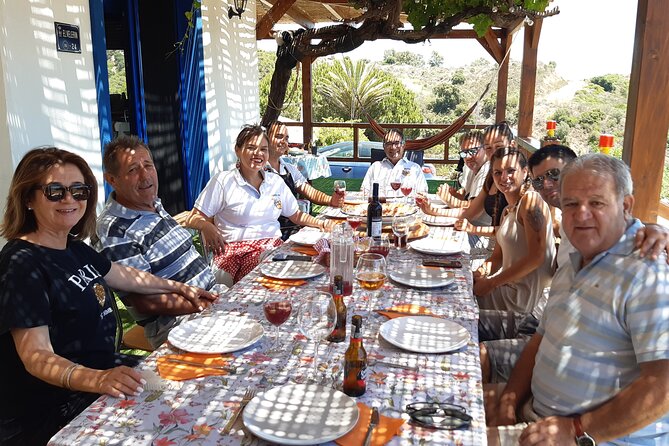
At $138.17 per person, you’re paying for more than a cooking lesson. You’re paying for a full, seated-feeling meal experience that includes:
- lunch paella (with fresh seafood for the seafood style, and also meat or vegetarian versions),
- appetizers and dessert,
- soda/pop non-alcoholic drinks,
- bottled water,
- alcoholic beverages (sangria, plus wines, beer, and author’s cocktail shots),
- and Colombian coffee/tea/infusions.
On paper, that can look expensive compared to a casual lunch. But the value math shifts fast when you factor in drinks, dessert, and the fact that you’re learning in a small family setting rather than a large group demo. Also, you get the recipe book, which is the difference between watching a meal and leaving with a tool.
Two practical value checks for you:
- Private transportation isn’t included. If you’re staying away from Estepona/Marbella area, plan for getting to Las Marías by taxi or your own vehicle. The best deal in the world loses value if you burn a lot of time getting there.
- Alcohol is for people over 18. If you’re traveling with teens or you’re not drinking, you’ll still have non-alcoholic options and can focus on the food.
Also, this experience runs at a maximum of 4 travelers, which is usually a strong value signal. Smaller groups mean more attention and more chance to ask questions while cooking. If your goal is a personal, taught experience, that cap helps a lot.
Getting the Most From a Small-Group Home Kitchen
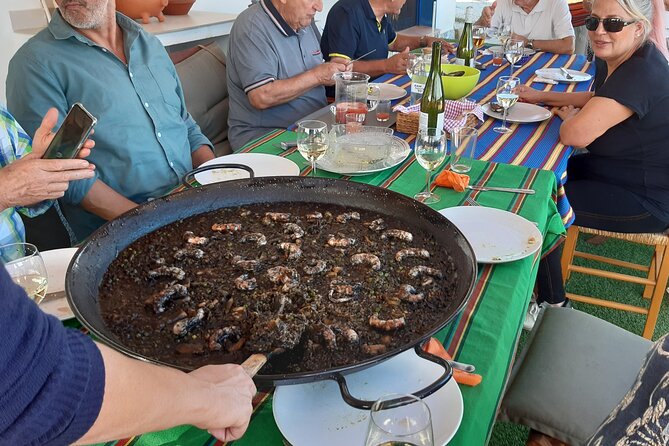
This is billed as a small group, max 4 travelers, and that’s where the best part of the experience comes from: you can talk, you can ask about technique, and you can feel like you’re at someone’s table. Reviews also highlight hosts like María José and Rafael as generous with time, plus Sebastian and Anita as part of the welcoming team.
Still, I’d keep one thought in mind. One review described a day where extra adults joined and the group felt cramped, with smaller portions and fewer dessert options than expected. The listing says max 4, but life happens. If you want the full spread exactly as described, don’t wait until the day of—message before you go and ask what you should expect for your exact paella style (seafood/meat/vegetarian).
What I recommend you do once you arrive:
- Ask early how the seafood, meat, or vegetarian paella version differs.
- Confirm the starter list and dessert options for your menu type.
- Let them know any dietary restrictions again when you’re seated, not just at booking.
That’s how you protect your time and keep the day from turning into stress.
Who Should Book This Paella Class (and Who Might Want a Different Style)
This experience fits best if you want:
- A hands-on paella lesson rooted in Andalusian tradition
- A meal that feels like lunch with family friends, not a lecture
- Scenic farm context: sea views plus Sierra Bermeja framing
- Vegetarian-friendly options and adaptability for dietary needs
- A small-group setting where you can actually talk while cooking
It might be less ideal if:
- You want a big, open restaurant kitchen where you can watch every moment from a distance.
- You’re very price-sensitive and expect restaurant-level portions every course.
- You’re traveling during weather that can affect outdoor parts of a farm visit. The experience requires good weather, and the experience notes that you’ll be offered a different date or a full refund if it’s canceled due to poor weather.
That’s not a dealbreaker. It’s just reality for an outdoor-leaning farm day. The upside is that when the weather cooperates, the whole setting clicks.
Should You Book Chef Cooking Paella at a Family Farm?
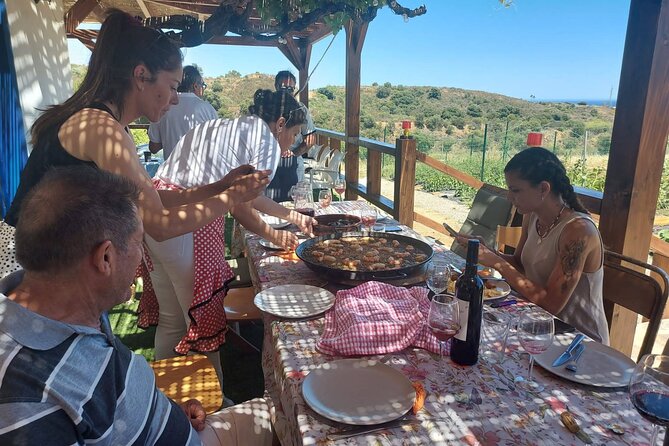
Yes, I’d book it if your idea of a great day is food + place + people, all tied together. The best part is the combination: Abuela-style paella technique, farm storytelling, and a full lunch with sangria, starters, dessert, and coffee.
Before you click confirm, do two quick things:
- Pick the paella style you want (seafood, meat, or vegetarian) and make sure dietary needs are clearly noted.
- Plan transportation to Las Marías yourself, since private transport isn’t included.
If you care about small-group attention, this tour’s format and maximum group size give you a real shot at feeling like you’re part of the day, not just another reservation.
FAQ
How long is the paella experience?
It runs for about 4 hours.
What time does the experience start?
The start time is 1:00 pm.
Where does the experience meet?
The meeting point is Las Marías, Cam. Nicola, km 1, 29689 Estepona, Málaga, Spain.
Is a paella lesson included or is it mostly a meal?
You participate in preparing the traditional paella and you also taste it as part of the lunch.
Do they offer seafood, meat, and vegetarian paella?
Yes. The paella is available as seafood, meat, or vegetarian.
What’s included in the meal?
You get appetizers and dessert, plus lunch paella. Drinks include sangria and other options, along with bottled water, and you finish with Colombian coffee (or tea/infusions).
Are alcoholic drinks included?
Alcoholic beverages are included, but only for people over 18. Non-alcoholic drinks are also available.
Can they accommodate dietary restrictions and allergies?
Yes. They adapt to any dietary restriction or allergy you inform them about.
What’s the group size?
This activity has a maximum of 4 travelers.
What happens if the weather is bad?
The experience requires good weather. If it’s canceled due to poor weather, you’ll be offered a different date or a full refund.