REVIEW · LUXOR
Luxor: Farm Tour 30 Hectares(Breakfast With Arabian Horses)
Book on GetYourGuide →Operated by Sunrise ballooning luxor · Bookable on GetYourGuide
Mango shade beats museum walls. This farm visit pairs a slow, traditional breakfast with up-close time with pure-breed Arabian horses and a spread of Egyptian farm flavors under a canopy. You’re not just looking at animals from a distance; you walk the grounds on a working farm and get a feel for daily life on the West Bank.
The main thing to watch is timing. The experience is set for about 2 hours, so it’s not a full-day farm escape, and you’ll be outdoors part of the time in Luxor’s sun.
In This Review
- Key Highlights You’ll Actually Care About
- A Real Farm on Luxor’s West Bank: Why This Feels Different
- The 2-Hour Rhythm: Pickup, the River Crossing, and Arrival
- Breakfast Under a Kiosk: What the Oriental Egyptian Spread Feels Like
- Walking the Farm: Mango Trees, Alfalfa Fields, and Fruit You Can See
- Arabian Horses Up Close: What Makes the Animal Time Special
- The Whole Animal Lineup: Cows, Sheep, Goats, Poultry, Bees, and Camel
- Transportation, Timing, and What to Plan For
- Guides and the Human Side: Getting the Explanations Without Feeling Lectured
- Value for $30: Is It Worth the Price?
- Who This Tour Fits Best (and Who Might Skip It)
- Should You Book Al-Habib Farm Breakfast With Arabian Horses?
- FAQ
- How long is the Luxor Farm Tour 30 Hectares?
- Is hotel pickup and drop-off included?
- How do we cross the Nile to reach the farm?
- What kind of breakfast is included?
- Are water and drinks included?
- What animals will I see?
- Are there Arabian horses on the tour?
- Is there an option to ride a horse?
- What languages is the guide available in?
- Is the tour wheelchair accessible?
- What is the cancellation policy?
- Can I reserve and pay later?
Key Highlights You’ll Actually Care About
- Pickup plus West Bank logistics: door-to-door van service and a river crossing by boat or bridge
- Breakfast under shade: traditional Egyptian dishes served beneath a kiosk/tree canopy with mint tea on the menu
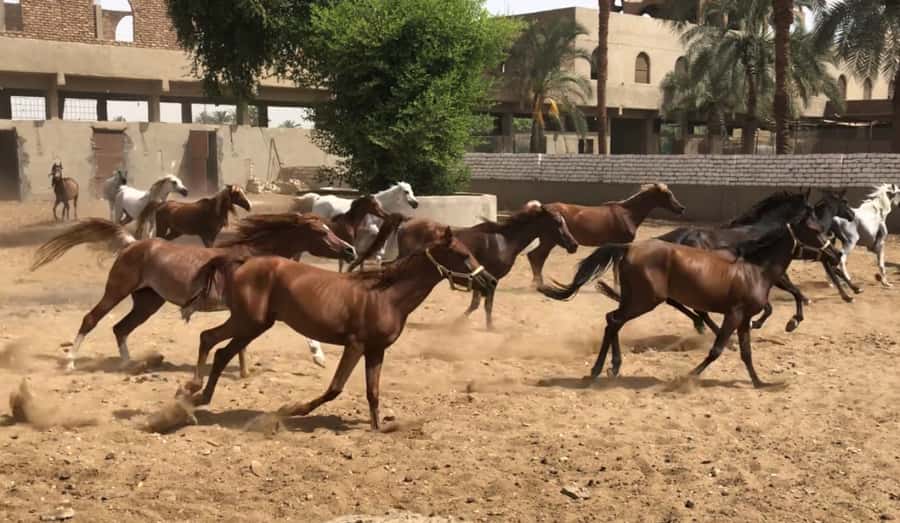
- Dozens of pure-breed Arabian horses: from babies to stallions, plus a chance to interact closely
- More than horses: cows, sheep, goats, chickens, ducks, bees, and even a camel
- Mango orchard walking: multiple varieties of mango trees planted across the farm
- Arabic/English live guide: so you’ll understand what you’re seeing as you walk
A Real Farm on Luxor’s West Bank: Why This Feels Different
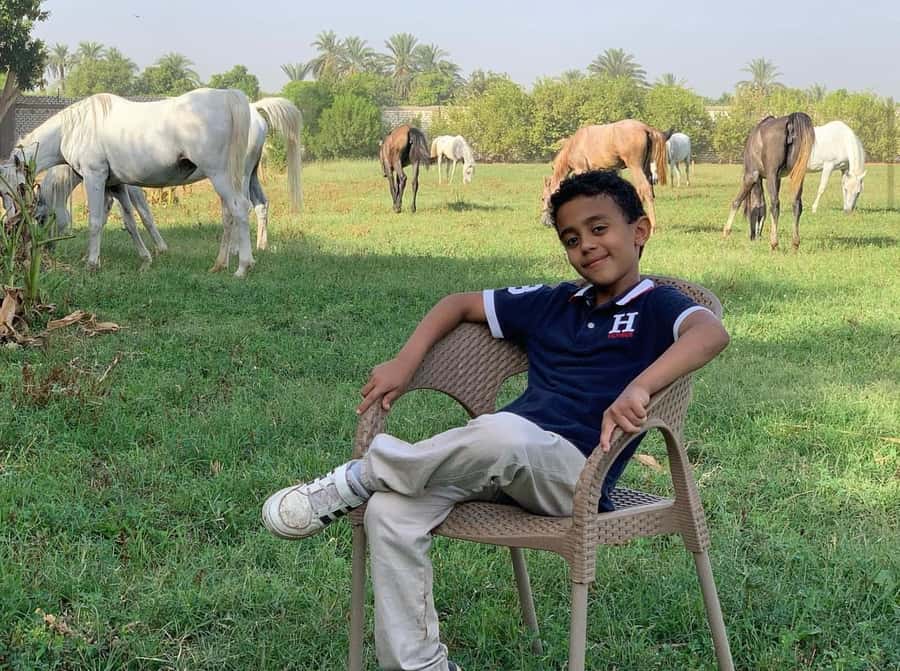
Luxor’s West Bank can be busy with temples and tombs. This is a different kind of stop. Al-Habib Farm is a working organic-style farm on the West Bank, spread across over 50 hectares, with a mango orchard planted across about 30 hectares. That size matters. You get room to walk, cool down in shade, and actually see how the animals and crops fit together.
What I like most is the pace. This isn’t a checklist. It’s guided enough that you don’t feel lost, but flexible enough that you can take your time looking around. The farm’s layout—mango trees, alfalfa fields, and fruit plantings—helps you move naturally from shade to open areas to animal zones without feeling rushed.
The other reason this works is the farm focus. You’re there for breakfast, then you meet the animals, then you walk through orchards and crops. If you like experiences that feel tied to everyday life (not just a photo stop), you’ll probably enjoy this more than a quick roadside encounter.
You can also read our reviews of more tours and experiences in Luxor.
The 2-Hour Rhythm: Pickup, the River Crossing, and Arrival
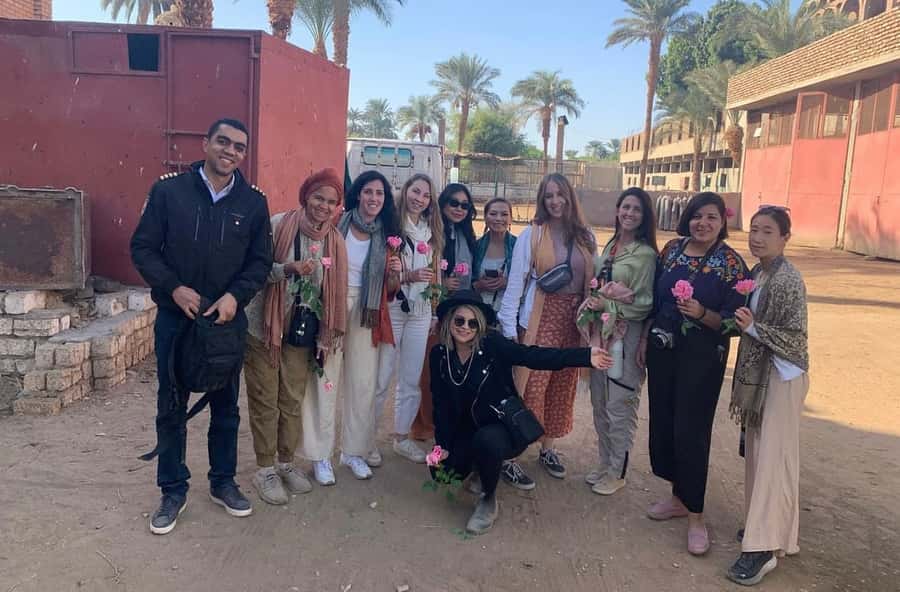
Your day starts with pickup and drop-off in Luxor. A van picks you up, then you ride for about 20 minutes before you reach the staging point for the river crossing. From there, you’ll cross the Nile either by boat or by the bridge, depending on what’s being used that day.
That crossing isn’t just a transfer. It’s part of the West Bank feeling. If you’re staying on the East Bank, the boat/bridge step gives you a quick “you’re really changing sides” moment before you slow down into farm time.
Once you arrive at the farm, you settle into a guided tour and farm walk that totals around 2 hours. Plan for a straightforward flow: eat first, then meet animals, then wander the orchards/crops at a comfortable pace.
A small practical note: because this is an outdoor farm visit, your comfort depends on the sun. Bring a hat and plan to use the shade you’ll be given in the breakfast area and under mango trees as you walk.
Breakfast Under a Kiosk: What the Oriental Egyptian Spread Feels Like
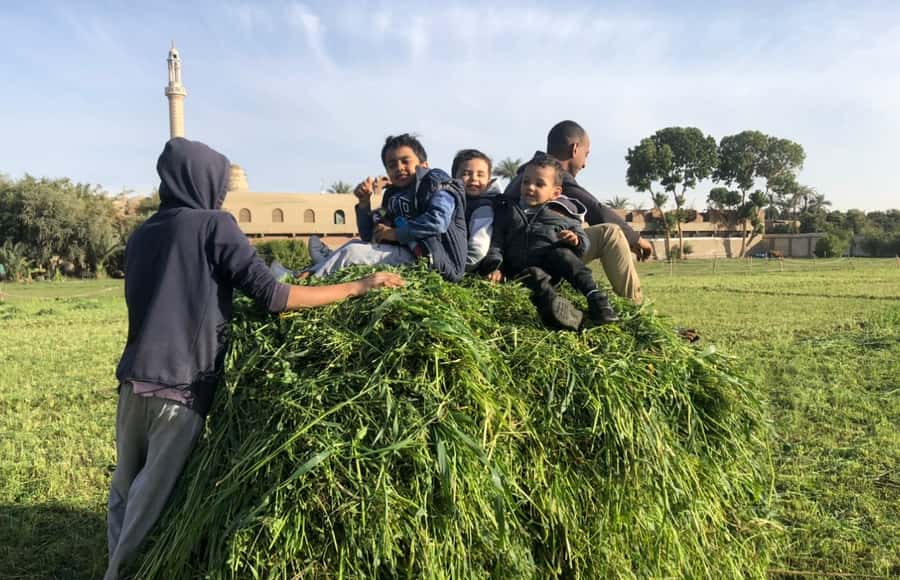
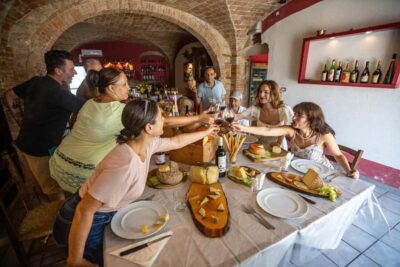
Breakfast is one of the best parts because it sets the tone. You sit in a protected area—think kiosk cover and tree canopy—overlooking mango orchard and alfalfa fields. It’s relaxing, and it also helps you cool down before you move into the rest of the farm.
You’ll get traditional Egyptian dishes served as an orientally styled breakfast. Depending on the morning, you might notice a few standout farm-made details such as:
- honey sourced from the farm’s beehives
- seasonal homegrown fruit such as mangoes and other crops depending on what’s ripe
- mint tea made with their own mint
- farm items like fig preserves and items like Black Honey, described as a sugarcane molasses style ingredient
Some mornings also include fresh warm bread prepared in a style that’s smoother and flaky rather than the usual dry, coarse feel people associate with basic bread. In other words: even if you’ve had Egyptian breakfast before, the farm setting makes it taste more “made today” than “served for tourists.”
If you’re sensitive to timing, eat slowly. You’ll want energy for the walking after breakfast, especially if your visit hits warmer hours.
Walking the Farm: Mango Trees, Alfalfa Fields, and Fruit You Can See
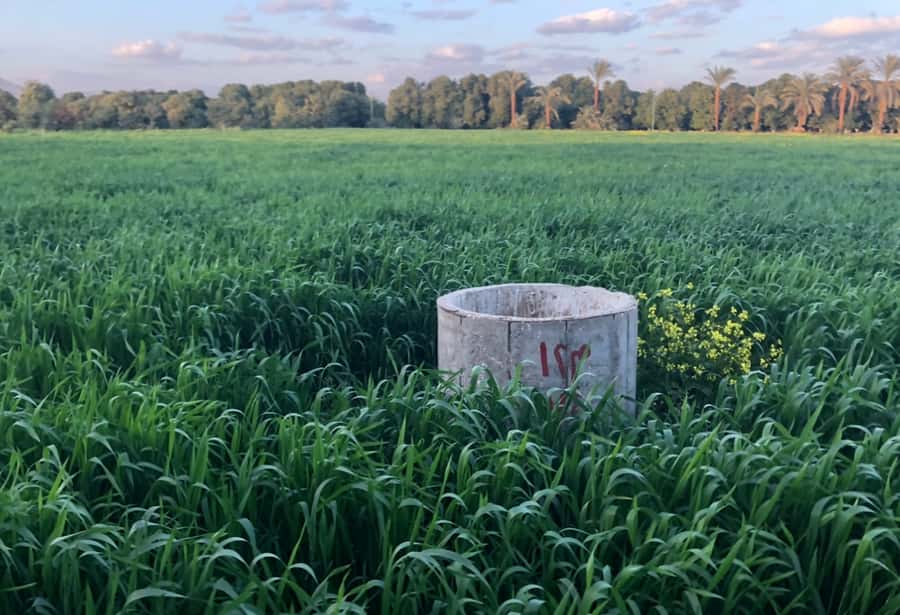
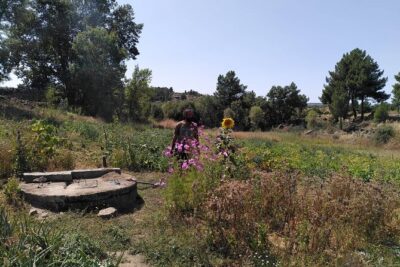
After breakfast, you’re ready to wander. The farm is planted and productive, so the walk is more than “look at animals.” You’ll see cultivated areas with real structure: mango trees (25 different varieties), alfalfa fields, and other fruit/crop plantings that include meyer lemons, figs, olives, and dates.
This is a good moment to slow down and ask yourself what you want from the experience:
- If you want photos, this is your calm zone—shade under branches and repeating rows of trees give you good views without harsh glare.
- If you want understanding, the orchards help explain why the farm can support animals too; you’re seeing crop systems, not just livestock pens.
One practical tip: wear closed-toe shoes. Farm paths can be uneven, and you’ll likely walk on natural ground around the animals and trees.
Arabian Horses Up Close: What Makes the Animal Time Special
The headline attraction here is the horses. The farm has dozens of pure-breed Arabian horses, ranging from babies to stallions. That age spread is important. You’re not only seeing mature horses; you may also see younger animals that make the whole place feel more alive and less staged.
Arabic horse culture is big in Egypt, and seeing these horses in a farm environment adds context. Instead of horses only existing for entertainment, they look like part of the daily rhythm—fed, cared for, and housed as working animals.
If you’re hoping for interaction, this is one of the more hands-on setups on the West Bank. You may have the chance to get closer and—on some days—there can be an option to ride for a short round. I wouldn’t treat horse riding as guaranteed in every session, but you should ask when you arrive what’s possible that day.
Also, expect that close contact comes with rules from the staff. If you get around the horses, follow their cues. Keep movements calm and listen to how the guide explains safe behavior.
The Whole Animal Lineup: Cows, Sheep, Goats, Poultry, Bees, and Camel
Even if the horses are the main reason you come, the farm doesn’t stop there. You’ll have time to meet:
- cows
- sheep
- goats
- chickens and ducks
- bees
- and a camel
This mix is a big part of why the visit feels “farm real.” It’s not just one enclosure with a single species. You’re seeing how different animals occupy different spaces and how the farm supports them.
Bees, in particular, add a nice sensory layer. You’re not just looking; you’re learning about honey as part of the farm output. And if you taste honey at breakfast, it connects directly to the beehives you’ll see later.
For families, animal lovers, and anyone who likes hands-on encounters (rather than formal museum explanations), the breadth of animals is a strong selling point. For visitors who want a quieter experience, focus on the orchards and the breakfast area for calmer moments.
Transportation, Timing, and What to Plan For
This is a simple half-day style outing, but you still need to plan it like a real trip across the Nile.
Here’s the practical picture:
- You get hotel pickup and drop-off
- There’s van time (about 20 minutes at each ride segment)
- Then you cross the Nile by boat or bridge
- You spend around 2 hours on the farm for breakfast, guided walk, and animal time
So, don’t schedule a heavy activity back-to-back immediately after. Give yourself a buffer. Heat can also slow you down if you’re moving slowly through shade and then back into sunny paths.
Bring:
- sunscreen and a hat
- water for comfort (even though water and drinks are included, you’ll still feel better with your own habits)
- comfortable shoes for walking
If you travel with accessibility needs, this tour is wheelchair accessible, which is helpful to know up front. Still, ask about the exact walking surfaces when you book, because farms involve outdoor terrain.
Guides and the Human Side: Getting the Explanations Without Feeling Lectured
A farm tour is only as good as the explanation. Here, you get a live guide in Arabic and English, and that matters because you’ll move through animals, crops, and farm routines with context.
Two guide names that often come up are Abdo and Rajiv. They’re described as friendly and patient, and they’re also connected to hot-air balloon flying. That balloon background may explain their style: calm pacing, clear noticing, and a focus on helping you see what’s in front of you rather than just collecting facts.
Even with a guide, the experience doesn’t feel like a classroom. You can wander around on your own after the initial guided parts, which makes the tour feel less rigid and more like a real visit.
Value for $30: Is It Worth the Price?
At $30 per person, this is priced like a budget-friendly outing, but it doesn’t feel cheap. What you’re paying for is a cluster of value points that usually cost extra when separated:
- round-trip pickup and drop-off in Luxor
- a guided farm visit with live interpretation
- breakfast with traditional Egyptian dishes
- water and drinks
- close time with many animals, including pure-breed Arabian horses
- access to the orchard/crop setting across a large farm area
If you’re already spending a day on the West Bank, the opportunity cost is usually time plus transportation hassle. This tour reduces that. It also gives you something different from the temple/tomb circuit, which is often the real reason to pay.
One caution on value: because the time is limited to about 2 hours, you should go with the right expectation. This isn’t a “stay all day and help on the farm” experience. It’s a tight, well-focused farm introduction.
Who This Tour Fits Best (and Who Might Skip It)
This fits best if you:
- want a break from monuments and want something more everyday
- love animals, especially horses
- enjoy food that comes with a place story (breakfast tied to the farm)
- like walking under shade and seeing orchards up close
It might be less ideal if you:
- need a long, slow experience with deep explanation time
- hate being outdoors in bright sun for parts of the visit
- only want views from a distance rather than close animal encounters
If you’re traveling with kids, this kind of farm visit often lands well because it’s visual, interactive, and not only about sitting in cars.
Should You Book Al-Habib Farm Breakfast With Arabian Horses?
Yes, if you want an authentic West Bank contrast. This is a practical, enjoyable way to spend a short window in Luxor: good breakfast, friendly guidance, real animal contact, and time to walk among mango trees and farm crops.
Before you book, do two quick checks:
- Are you happy with about 2 hours on the farm, plus travel time?
- Are you comfortable with a sun-and-shade walking format?
If those answers are yes, you’ll likely leave feeling like you saw Luxor from a different angle—through food, farm work, and animals, not just stone monuments.
FAQ
How long is the Luxor Farm Tour 30 Hectares?
The duration is about 2 hours, with hotel pickup and drop-off included.
Is hotel pickup and drop-off included?
Yes. The tour includes pickup and drop-off in Luxor.
How do we cross the Nile to reach the farm?
You’ll cross the river either by boat or by the bridge, then continue to the farm.
What kind of breakfast is included?
You’ll enjoy an Oriental Egyptian breakfast with traditional Egyptian dishes served under a kiosk/tree canopy.
Are water and drinks included?
Yes. Water and drinks are included.
What animals will I see?
You can meet cows, sheep, goats, chickens, ducks, bees, and a camel, in addition to the horses.
Are there Arabian horses on the tour?
Yes. The farm has dozens of pure-breed Arabian horses, from babies to stallions.
Is there an option to ride a horse?
The experience can include horse riding for short rounds, depending on what’s offered during your visit.
What languages is the guide available in?
The live guide is available in Arabic and English.
Is the tour wheelchair accessible?
Yes. The tour is wheelchair accessible.
What is the cancellation policy?
Free cancellation is available up to 24 hours in advance for a full refund.
Can I reserve and pay later?
Yes. Reserve now & pay later is offered so you can book without paying today.