REVIEW · BUNDABERG
Bundaberg: Monsoon Aquatics Coral Farm Guided Tour
Book on GetYourGuide →Operated by Monsoon Aquatics Coral Farm Tours · Bookable on GetYourGuide
A working coral farm feels like science class with eye candy. This one-hour guided tour at Monsoon Aquatics in Bundaberg lets you see how coral is grown at scale, plus how the team supports reef restoration. It’s not a quick peek through glass.
What I really like is the behind-the-scenes access to a real cultivation setup, with coral grown in a system designed for care and reproduction. Second, the tour is led in a way that clicks with both adults and kids, with guides who can explain the process and answer questions. One possible downside: the format is very tank-and-rack focused, so if you expect a big, traditional aquarium-style display, you might find it less flashy and more educational than you hoped.
In This Review
- Key Things You’ll Notice on This Coral Farm Tour
- Why This Coral Farm Tour Beats a Standard Reef Visit
- Getting There: Port of Bundaberg, the Veranda Start, and Onsite Parking
- The First Look Inside: Coral Growing Setups You Can Actually Understand
- Coral Feeding Demonstration: Where the Tour Turns From Pretty to Practical
- Reef Restoration Research: Why This Farm Isn’t Just Selling a Ticket
- Clownfish at the End: The Fun Finale That Keeps Kids Engaged
- Price and Value: Is $22 Worth It for an Hour?
- What to Bring (and What Not To): Shoes and Water Rules That Matter
- Group Size and the Guide Experience: Ask Questions Without the Rush
- Who This Tour Is For (and Who Might Want Something Else)
- Quick Decision Guide: Should You Book It?
- FAQ
- How long is the Monsoon Aquatics coral farm guided tour?
- What is the price per person?
- Where do I meet the guide?
- Is the tour guided, and is it in English?
- Can I bring food or drinks with me?
- What shoes should I wear?
- Is the tour wheelchair accessible?
- Do tours run year-round?
- Is parking available?
- Can I cancel or pay later?
Key Things You’ll Notice on This Coral Farm Tour
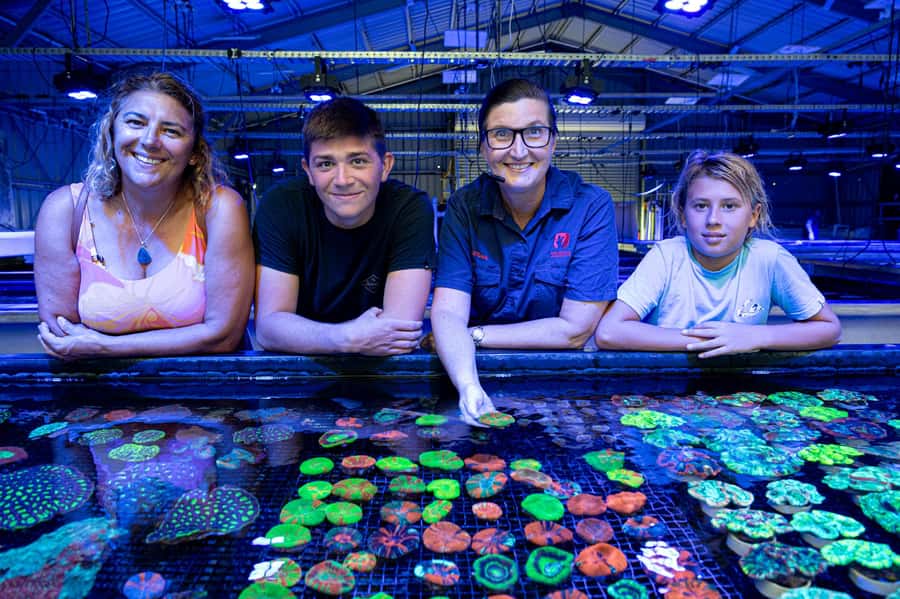
- A working coral farm, not a museum setup, with you walking the cultivation areas
- A guide who tailors explanations for kids, while still covering the science for adults
- Coral feeding demonstrations that show the care side of reef life
- Research and reef restoration context, so the farm feels connected to the real ocean
- A clownfish finale, which makes the tour feel fun even when it’s technical
- Small, intimate groups, which helps you ask questions without feeling rushed
Why This Coral Farm Tour Beats a Standard Reef Visit
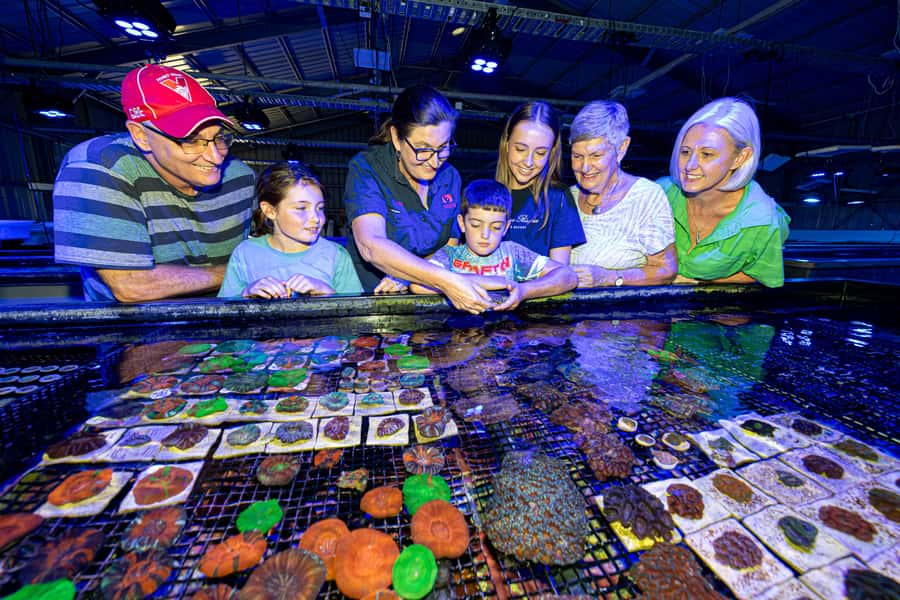
If you’ve ever stood in front of an aquarium and thought, okay, but how does this actually get made, this tour answers that. At Monsoon Aquatics, you’re not just seeing coral as decoration. You’re seeing coral as living livestock—grown, managed, and monitored.
The farm focuses on coral reproduction and nurturing, and that gives the tour a purpose beyond sightseeing. You leave with the sense that reef restoration is not just a hopeful slogan. It’s practical work happening on land.
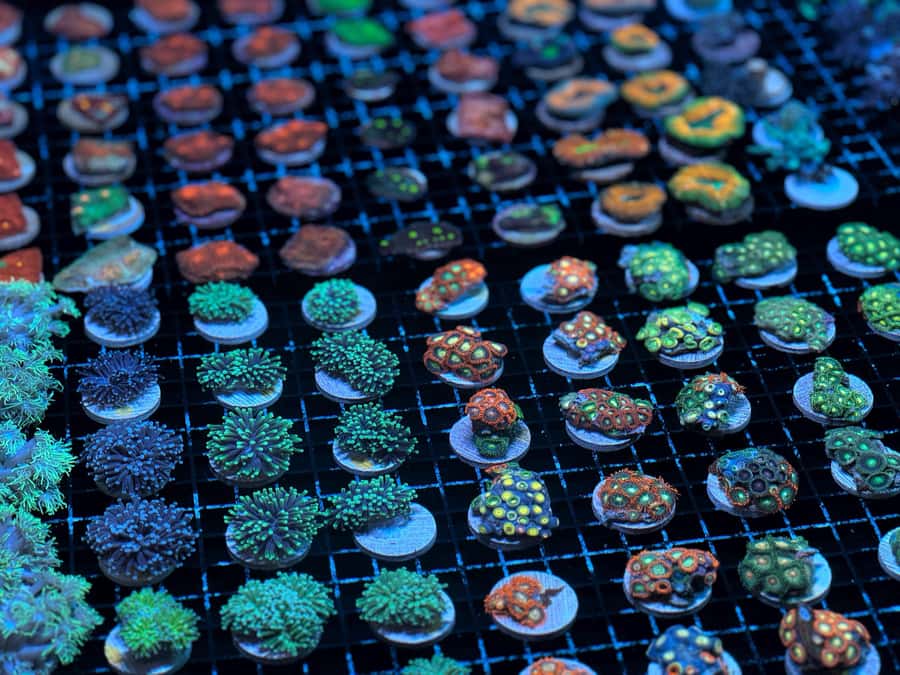
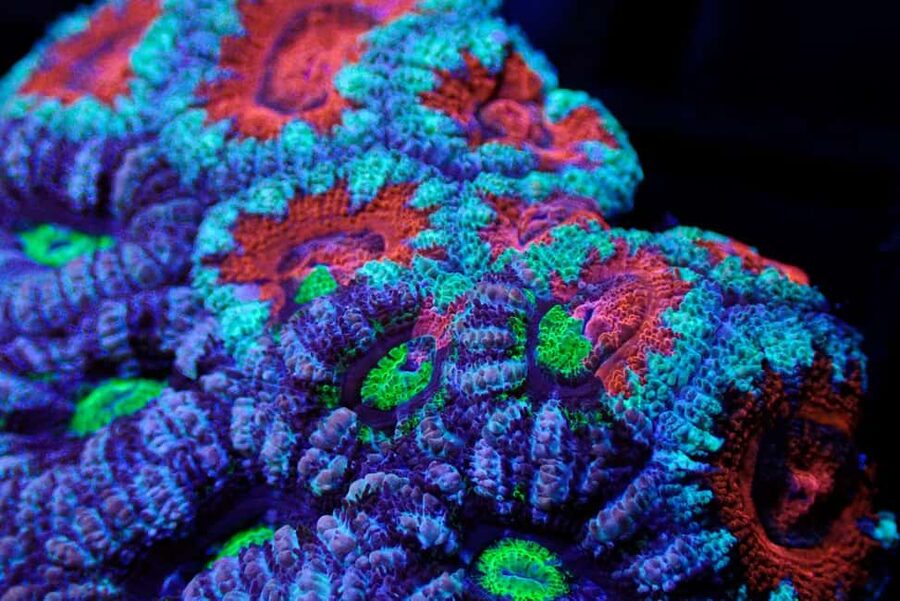
And yes, the colors still land hard. With over 70,000 corals and around 200 marine species (sourced from across Australia’s coastline), the place has that “how is this real?” effect. But the best part is what you learn as you look.
You can also read our reviews of more tours and experiences in Bundaberg.

Getting There: Port of Bundaberg, the Veranda Start, and Onsite Parking
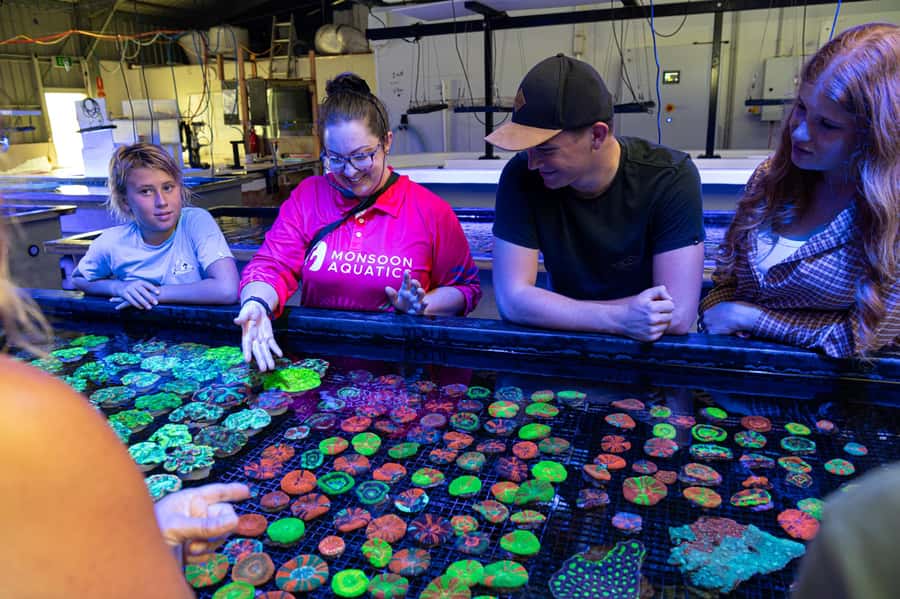
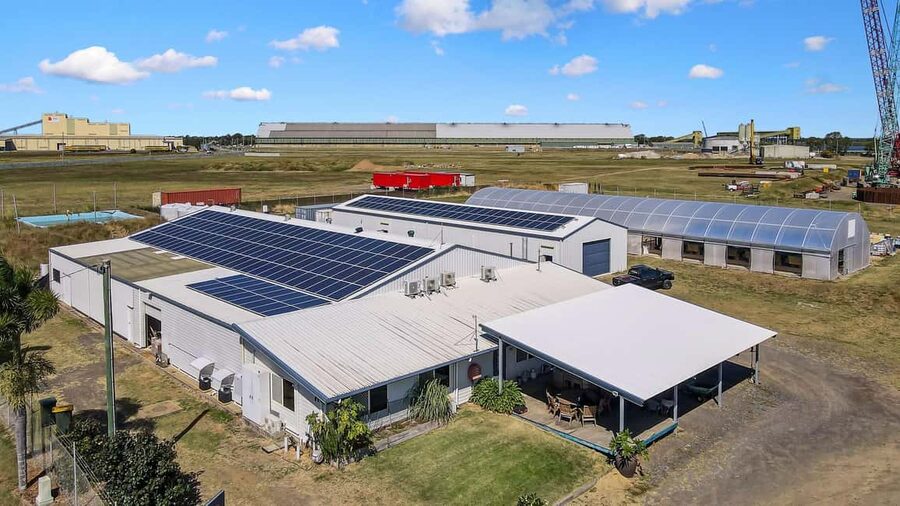
The coral farm is about 20 minutes from central Bundaberg, near the Port of Bundaberg on the Burnett River. You’ll meet your guide on the Veranda at Monsoon Aquatics Coral Farm.
Practical note: use Apple or Google Maps for directions. Older GPS units can point you to the wrong place. It’s one of those small things that saves time and stress.
Parking is available onsite for cars and RVs, and caravan parking is outside the gate. If you’re rolling in with a bigger vehicle, arrive early so you can park calmly and be ready when the group starts.
The First Look Inside: Coral Growing Setups You Can Actually Understand
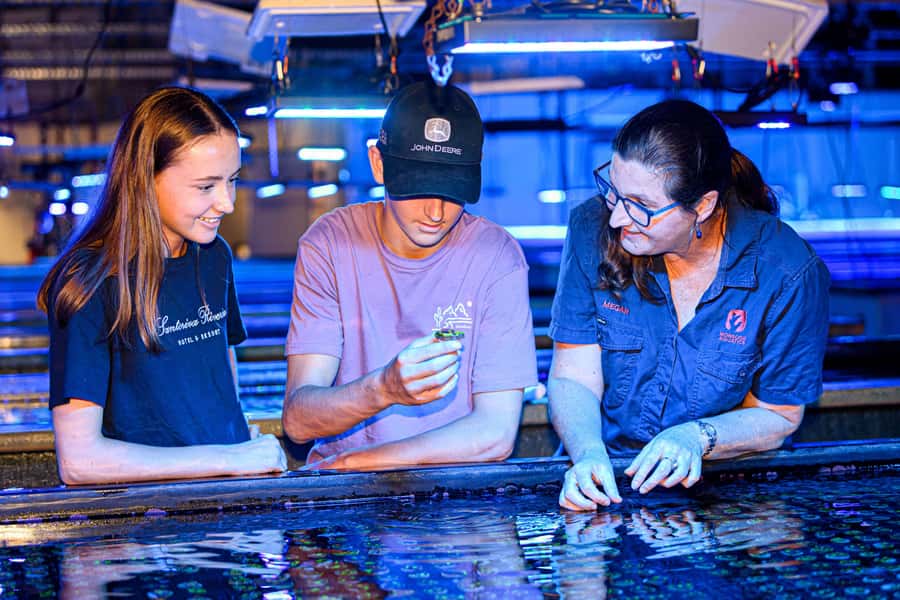
Once you’re in, the tour unfolds through the farm’s living systems. You’ll move with the guide and see coral cultivated across working areas, with coral mounted and managed in a way that’s designed for growth and care.
This is where the tour really earns its keep. Many “reef” experiences teach you to look at the ocean from the outside. Here, you learn what it takes to keep coral alive while it grows.
You’ll also hear about the scale. The farm isn’t a single tank and a few specimens. It’s a large operation, and the guide explains how they grow and maintain coral and marine life in that environment. It helps you connect coral beauty to the reality that it’s fragile and requires consistent attention.
Coral Feeding Demonstration: Where the Tour Turns From Pretty to Practical
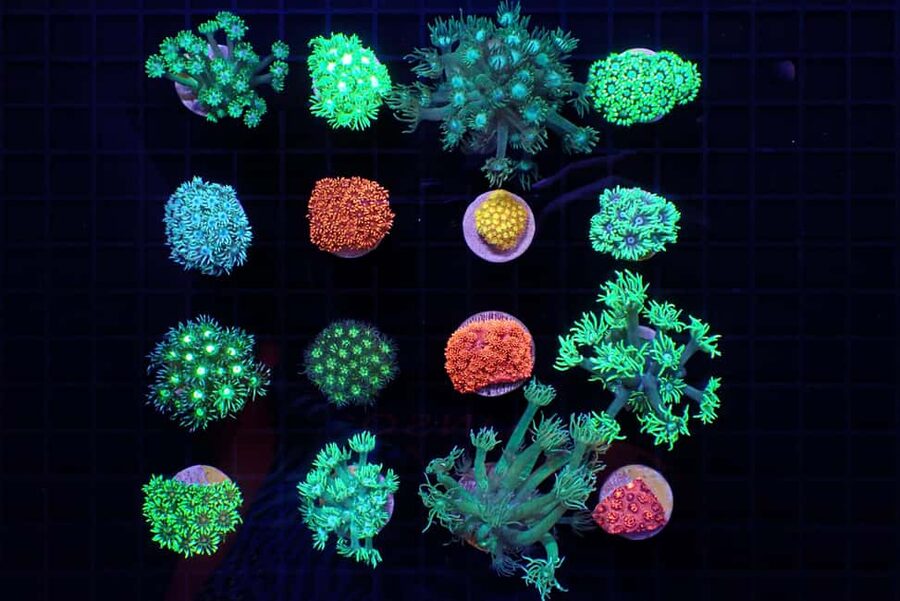
A big moment in the tour is watching live demonstrations of coral feeding. This isn’t just a show-and-tell. It’s a way to understand how coral nutrition and care fits into the farm’s daily routine.
The benefit for you is clarity. You’ll stop thinking of coral as just a pretty reef surface and start seeing it as a living organism with needs, routines, and responses. That shift makes later ocean views feel more informed.
It also makes the tour feel active even when you’re mostly standing near tanks and growing systems. If you like learning by watching something happen in real time, this part delivers.
Reef Restoration Research: Why This Farm Isn’t Just Selling a Ticket
The Monsoon Aquatics tour doesn’t treat coral farming like a hobby. You’ll get a glimpse into their research supporting reef restoration, and you’ll learn how their work ties to the reef’s future.
That matters because it turns your visit into more than a souvenir photo session. You’re supporting coral reproduction and helping keep restoration conversations grounded in real effort.
You don’t need to be a marine science nerd to get it. The guide’s job is to translate the science into human language, and from what I’ve seen in similar educational tours, this one aims for understanding rather than lectures.
Clownfish at the End: The Fun Finale That Keeps Kids Engaged
Every farm has a way to end strong, and here it’s the clownfish collection. It’s a smart wrap-up because clownfish are instantly recognizable, and they add a cheerful payoff after the more technical parts of the tour.
For families, this ending is a big deal. Kids may not care about the farm’s reproduction strategy until the tour has already given them context. Then you get a moment that feels magical again, without losing the educational thread.
For adults, it’s also a nice reset. It turns the experience from “how it works” back into “look how life survives and adapts,” which is what reef lovers really want.
Price and Value: Is $22 Worth It for an Hour?
At $22 per person for a one-hour guided experience, this is priced like an educational attraction rather than a long-form day tour. So the value depends on your expectations.
If you want a short, guided hour that gives you an inside look at coral cultivation and reef restoration work, this price makes a lot of sense. You’re paying for:
- a real guide explaining coral growth and marine life care
- access to a large, working coral farm area
- hands-on-style learning moments like coral feeding demonstrations
- a closing feature like the clownfish collection
If you’re hoping for a long walk with lots of dramatic viewing angles or a huge traditional aquarium vibe, you might wish the experience lasted longer. But for a focused hour with expert-led context, it’s a solid deal.
What to Bring (and What Not To): Shoes and Water Rules That Matter
This tour is straightforward, but the clothing rules are not optional.
Bring:
- Closed-toe shoes
Don’t bring:
- Food and drinks (and no open-toed shoes or bare feet)
You may bring:
- Water only
Also plan on non-slip shoes, because the floors can be slippery. That’s a practical detail that affects comfort and safety, especially if you’re traveling with kids.
On a working coral farm, those rules exist for a reason: protecting both the animals and the environment. Follow them and the whole visit runs smoother.
Group Size and the Guide Experience: Ask Questions Without the Rush
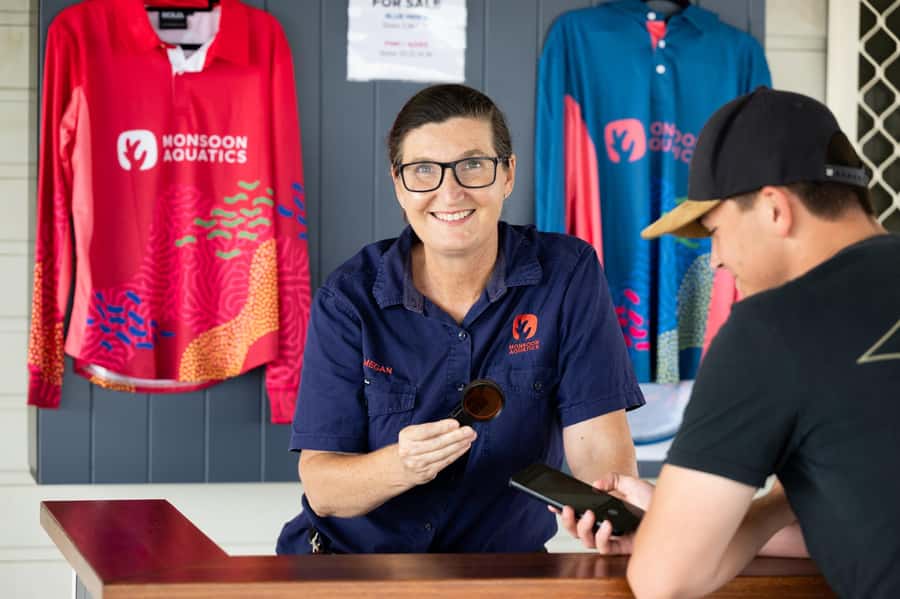
One of the best parts of this tour is the small, intimate group feel. That matters more than people think. When groups are big, guides speed up and you get fewer opportunities to ask the question you actually came with.
Here, the format is designed so you can interact. The guide is also set up to engage different ages—using words that work for kids while still giving real substance for adults.
In particular, several visitors highlight how the guide was attentive, engaging, and happy to answer questions. There’s even the kind of extra touch that helps families feel cared for—like offering to take family photos—so the tour doesn’t feel purely instructional.
If you like conversation, this style fits your travel personality.
Who This Tour Is For (and Who Might Want Something Else)
This is a strong choice if you’re:
- a reef lover who wants the “how,” not just the “wow”
- traveling with kids who enjoy animals and can handle a guided talk
- curious about conservation work that happens on land
- the type who likes structured learning without being trapped in a classroom
It may feel less ideal if you want a pure aquarium spectacle. One visitor specifically noted it’s educational and coral-farm focused, not built around large open tanks with lots of fish in a classic display. That’s not a flaw. It’s just a mismatch of expectations.
Quick Decision Guide: Should You Book It?
Book the Monsoon Aquatics Coral Farm Guided Tour if you want a one-hour, guided, educational experience that shows coral growing close-up and connects the work to reef restoration. At $22, it’s a practical add-on in Bundaberg, especially if you’re the kind of person who likes to understand what you’re seeing.
Skip it (or consider another option) if your main goal is a long, visually dramatic aquarium-style walk-through. This tour is built for learning coral farming, not for maximum spectacle.
If you’re on the fence, here’s the simplest test: do you enjoy asking questions and learning how something works? If yes, this tour is likely your kind of unforgettable.
FAQ
How long is the Monsoon Aquatics coral farm guided tour?
The tour lasts 1 hour.
What is the price per person?
The price is $22 per person.
Where do I meet the guide?
Please meet your guide on the Veranda at Monsoon Aquatics Coral Farm.
Is the tour guided, and is it in English?
Yes. It’s a live guided tour with an English speaking guide.
Can I bring food or drinks with me?
No. Food and drinks are not allowed, but you may bring water on the tour.
What shoes should I wear?
Wear closed-toe shoes with non-slip soles, since the floors may be slippery. Open-toed shoes and bare feet are not allowed.
Is the tour wheelchair accessible?
Yes, the tour is wheelchair accessible.
Do tours run year-round?
Yes. Tours operate year-round, rain or shine.
Is parking available?
Yes. There is onsite parking for cars and RVs, and caravan parking outside the gate.
Can I cancel or pay later?
You can cancel up to 24 hours in advance for a full refund. You can also reserve now & pay later.