Chocolate starts with a pod, not a bar. This cocoa farm tour from Guayaquil is the kind of day trip that slows everything down: you get round-trip private transportation, a small group, and a farm-to-chocolate experience built around real work in the cocoa groves.
I especially love the private, personalized feel. Even with a small max group size, the tour flows at a human pace, with guides who explain what you’re seeing and include you step by step.
The other big win for me: you make chocolate from scratch using cocoa beans grown right there. You’ll harvest a cocoa pod, learn how cacao turns into chocolate, and then you’ll sit down to a meal prepared on the premises. One thing to consider: you start at 10:00am and you’ll be walking around a farm, which means sensible shoes and a willingness to get a little cocoa on your hands.
In This Review
- Cocoa Farm and Chocolate Making Key Points
- Why This Cocoa Farm Tour Is Such a Smart Break From Guayaquil
- The 10:00am Schedule: What a 4–5 Hour Day Really Means
- Step Into the Cocoa Groves: Learning While You Walk
- From Pod to Chocolate: The Hands-On Part That Makes It Click
- The Big Meal Moment: Lunch on the Premises With the Farm Family
- The Guides and Their Stories: What You’re Really Paying For
- Price and Value: Is $155 Fair for Ecuador Chocolate Making?
- Who Should Book This, and Who Might Want to Skip It
- Should You Book This Cocoa Farm and Chocolate Making Tour?
- FAQ
- What time does the cocoa farm tour start?
- How long does the experience last?
- How much does it cost?
- Is this a private experience?
- What do we do on the farm?
- Do we get food during the tour?
- Is there a child rate?
- Is free cancellation available?
Cocoa Farm and Chocolate Making Key Points
- Harvest a cocoa pod and see what cacao looks like at the source
- Make your own chocolate from local beans, not just taste samples
- Private-tour comfort with round-trip private transportation
- Small group size (maximum of 15) so you actually get attention
- Farm-family lunch served on the premises after the chocolate work
Why This Cocoa Farm Tour Is Such a Smart Break From Guayaquil
Guayaquil can be loud, hot, and fast. This tour gives you an easy reset. You leave town in private transportation, then spend your morning among cacao trees and working farms, with a guide who brings context to what you’re doing.
The best part is that it’s not a drive-by photo stop. You walk the groves, pick a cocoa pod, and go through the chocolate-making steps yourself. That alone turns the whole thing from a fun excursion into an education you can taste.
And because the group stays small, the day feels more like a visit than a production. In the stories from guides like Mario, Tony/Antonio, Alison, and farm leaders such as Rody and Niffa, you keep hearing the same theme: cacao farming is labor, patience, and craft, passed through families.
You can also read our reviews of more tours and experiences in Guayaquil.
The 10:00am Schedule: What a 4–5 Hour Day Really Means
This experience starts at 10:00am, and the full outing runs about 4 to 5 hours. That timing matters because it’s long enough to actually do the chocolate process, but short enough that you’re back to enjoy the rest of your day in Guayaquil.
You’re also not just sitting on a vehicle. The cocoa farm portion is roughly 3 hours, which is where the walking, harvesting, and chocolate work happen. The remaining time is the drive and any wrap-up activities.
If you’re thinking about the day logistics, plan for a farm setting: you’ll be on your feet, you’ll be close to plants and hands-on tools, and you might get a little messy. One review even mentioned it can be extra fun in rainy season—so consider bringing something light for wet weather and wear footwear that won’t suffer.
Step Into the Cocoa Groves: Learning While You Walk
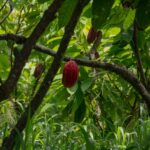
The heart of the tour happens on the farm. You’ll walk through the cocoa trees to understand what the plants need and how harvesting works. Then you actually harvest a cocoa pod—not just watch someone else do it.
What makes this part especially valuable is that you’re not learning cacao as an abstract concept. You’re learning it through the physical reality of the tree: where pods grow, what the pod means for the next stages, and why cacao isn’t a one-step miracle crop.
One of the most interesting explanations you may hear on this tour is how cacao flavor can be influenced by more than just genetics. In small-group farm talks, guides have shared how different cacao species can produce different flavor outcomes, and how nearby plants and pollination can play a role in what you eventually taste. Even if you don’t catch every detail, the takeaway is clear: there’s a reason chocolate tastes like chocolate, and it doesn’t happen by accident.
Also, this isn’t only cacao. On the farm, you may get a chance to taste or try things beyond cocoa—some guides have talked about fruit like guava and citrus grown on the same property. That matters because it helps you understand the farm as an ecosystem, not a single-crop factory.
From Pod to Chocolate: The Hands-On Part That Makes It Click
If you’ve ever wondered why people wax poetic about chocolate, this is where it becomes obvious. The tour’s main promise is simple: you’ll make chocolate from the scratch using local cacao beans.
You’ll go through the full chain that turns cacao into chocolate, and you’ll do it with your own hands as you move from stage to stage. That’s what makes this more memorable than a tasting-only stop. When you handle the ingredients, you naturally pay attention to timing and technique. You start respecting the work behind that final chocolate bar.
And it’s not just a behind-the-scenes explanation. On this tour, you get to participate in the process enough that your chocolate feels earned. Multiple guide-led experiences highlight that everyone gets involved in making chocolate, and the result is something you can actually eat at the end.
One practical note: since you’re doing real prep work, the tour is best for people who don’t mind getting a little sticky. If you hate mess, this might not be the day trip for you. If you want a souvenir that’s not just a photo, it’s perfect.
The Big Meal Moment: Lunch on the Premises With the Farm Family
After the chocolate work, you’ll eat lunch on the premises. This is one of the most consistently praised parts of the day.
In several experiences, the meal is described as home-cooked and served in an outdoor setting on the farm. Some meals were described as a multi-course experience, and the setting included the feel of the property—near cacao trees and even close to a small river in some cases.
Why does this matter for your travel day? Because it turns the tour from activity into connection. You’re not just leaving with chocolate—you’re leaving with a sense of how the farming family lives. That’s also where guides like Alison and Mario have been praised for making you feel welcome and included, not rushed, and not treated like a passing group number.
The Guides and Their Stories: What You’re Really Paying For
The tour experience really depends on the guide. Luckily, the names you’ll hear most in these kinds of cacao-farm days include people like Mario, Tony/Antonio, Alberto, Alison, and Niffa. Add in farm family helpers like Rody and Jamil, and you can see how personal this becomes.
Here’s what I like about this style of guiding: it’s not only about the steps. You also get the human side—family involvement, farming routines, and how Ecuadorians think about crops and daily life. Several guides have shared stories about their family and the culture around them, including what life is like in and around farming communities.
Some tours also allow the guide to tailor a couple of extra stops based on your interests—like a local fruit market or another nearby cultural spot. That’s not guaranteed in every situation, but the best part is that the guiding isn’t robotic. If you’re curious, you’re likely to be encouraged to ask.
Price and Value: Is $155 Fair for Ecuador Chocolate Making?
At $155 per person, you’re paying for more than a cocoa tasting. In this tour format, your money goes toward a few key things:
- Private round-trip transportation from Guayaquil
- Admission tied to the farm visit (described as free)
- A hands-on cacao experience: harvest a pod and make chocolate
- A farm lunch prepared on the premises
- A small group cap that keeps the day from turning into a conveyor belt
When you put it all together, the value makes sense for people who want an experience with real participation. If all you wanted was samples, you’d spend less. But if you want to actually understand cacao and leave with chocolate you made, this price sits in the range of a day trip that includes meaningful labor, local expertise, and food.
And the private format matters. A smaller group means you get answers, not just instructions, and you can move at the pace of your questions.
Who Should Book This, and Who Might Want to Skip It
This is a strong match for:
- Families: the experience is described as working well for multiple ages, and children must be accompanied by an adult
- Couples who want a different kind of day than city sightseeing
- Food-minded travelers who care about where ingredients come from
It’s also a good fit if you like getting out of the city heat and seeing how local agriculture really works. The farm setting on cacao trees makes it feel like a true escape.
Who might want to think twice? If you hate walking around a working farm or you don’t want to handle messy, hands-on food prep, then you may find it less comfortable than a quiet museum visit. Also, because it starts at 10:00am, it’s not ideal for travelers who want a late morning start.
On the plus side, the tour is described as suitable for most travelers, and service animals are allowed.
Should You Book This Cocoa Farm and Chocolate Making Tour?
I’d book it if you want a day trip where you don’t just watch food culture—you participate in it. The combination of harvesting a cocoa pod, making chocolate from scratch, and then eating a farm-family lunch is the kind of travel day that sticks in your memory because you experienced it with your hands.
Book it soon if you like good planning. This experience is commonly reserved about 21 days in advance on average, and the tour runs with a maximum of 15 travelers, so later dates can be harder to secure.
If you’re looking for a low-effort experience, or you want only tasting and photos, you might consider alternatives. But if your idea of a great Ecuador day includes cacao trees, real technique, and a meal on the premises—this is one of the best ways to do it from Guayaquil.
FAQ
What time does the cocoa farm tour start?
The tour starts at 10:00am.
How long does the experience last?
It lasts about 4 to 5 hours total (with the cocoa farm portion around 3 hours).
How much does it cost?
The price is $155.00 per person.
Is this a private experience?
It’s described as a private tour experience with round-trip private transportation, and the group has a maximum of 15 travelers.
What do we do on the farm?
You’ll walk through the cocoa farm to learn about the trees, harvest a cocoa pod, and make chocolate from scratch.
Do we get food during the tour?
Yes. The experience includes a lunch prepared on the farm premises.
Is there a child rate?
A child rate applies only when sharing with 2 paying adults, and children must be accompanied by an adult.
Is free cancellation available?
Yes. You can cancel up to 24 hours in advance for a full refund.
If you tell me your travel dates and whether it’s just adults or a mixed group, I can help you decide if the 10:00am start fits your itinerary.