REVIEW · HERAKLION
Road-trip to Lasithi, Zeus Cave, Vidiani, Krasi & Olive Mill Farm
Book on Viator →Operated by Cretan Odyssey · Bookable on Viator
Zeus Cave starts with a monastery. This is a full-day drive from Heraklion that links myth to Cretan daily life, with stops across the Lasithi Plateau area. You get a guided history thread, comfortable transport, and a real sense of scale as you move from village calm to a high-stairs cave experience.
I especially like the air-conditioned vehicle and the guide-led storytelling, because it keeps a long day from feeling like a bus ride with homework. I also like that the itinerary mixes viewpoints and culture: Vidiani Monastery is a quiet reset, then Psychro Cave of Zeus gives you the big-ticket moment. That balance is good value at this price point.
One drawback to plan around: the day is long and time feels tight at the main sights, and cave access means physical effort. If you are counting minutes, the pick-up and drop-off logistics can also stretch what feels like a 10 to 11 hour adventure.
In This Review
- Key highlights worth knowing
- Getting to the Lasithi Plateau: Heraklion pickup and long-drive rhythm
- Vidiani Monastery: a calm Orthodox start before the Zeus stairs
- Cave of Zeus (Psychro): the descent, the crowds, and how to time your walking
- Krasi village: freshwater springs and a famous plane tree stop
- Lyrakis Family olive mill farm: what you get, what you pay for, and why it matters
- Price and logistics: what your $48.06 covers (and what it doesn’t)
- Physical reality check: who should book, and who should adjust expectations
- How the day flows: why timing feels different at each stop
- The guide and driver factor: Tanya, Helena, and a steady hand on steep roads
- Should you book this Lasithi Plateau road trip?
- FAQ
- Is pickup included, and where does the tour collect people?
- How long is the tour?
- Do I need to pay for the Cave of Zeus?
- Is lunch included at the olive mill farm?
- What language is the tour in, and do I get a ticket on my phone?
- How physically demanding is the Cave of Zeus stop?
Key highlights worth knowing
- Lasithi Plateau road trip feel: you cover a lot of ground in an air-conditioned bus
- Vidiani Monastery first: an early stop with frescoes and a peaceful courtyard
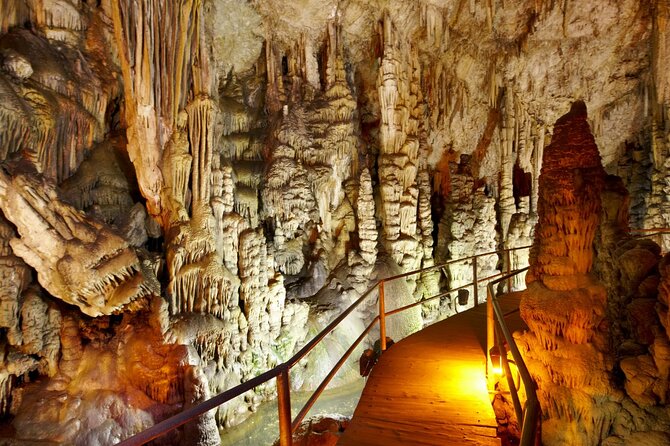
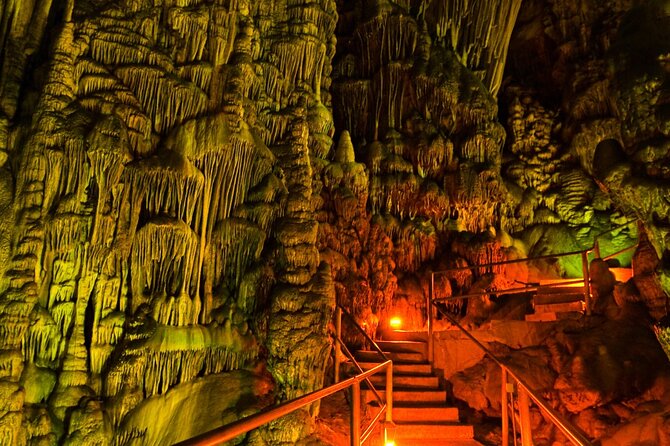
- Cave of Zeus payoff: illuminated chambers, stalactites and stalagmites, and a famous myth setting
- Krasi village break: freshwater springs and a stop at a famous plane tree area
- Olive mill farm with tastings: a production walkthrough plus local products and optional lunch
- Strong guide reputation: names like Tanya and Helena come up for making the day click
Getting to the Lasithi Plateau: Heraklion pickup and long-drive rhythm
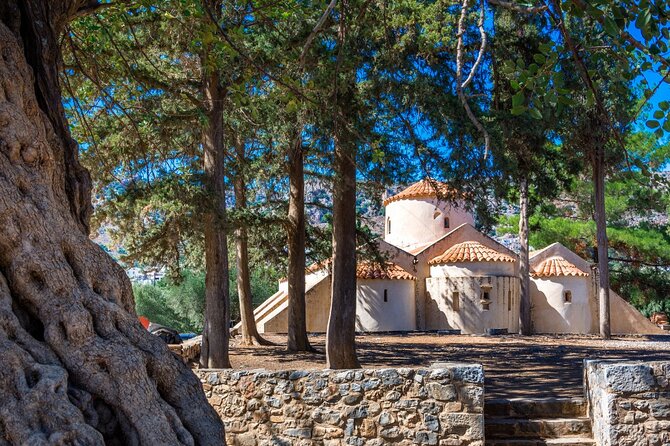
This tour runs as a classic Crete pickup-and-go day. You start in Heraklion, then the bus collects people across nearby towns like Sisi, Malia, Stalis, Hersonissos, Gouves, and more. If you’re farther from the center, plan for more time on the road before the first stop. Even the last pickup is estimated at about 50 minutes from the previous stop, so timing can vary depending on where you start.
What I like about this setup is simple: you don’t have to drive unfamiliar roads or manage parking once you get going. The downside is also simple: a road trip with multiple pickups and drop-offs can make the day feel longer than the clock says. For a cave-focused trip, you’ll want to accept that some of your total time is spent moving, not staring at rocks.
If you’re someone who hates losing time to transfers, this is the part to be mentally ready for. Bring patience, not just sunglasses.
You can also read our reviews of more tours and experiences in Heraklion.
Vidiani Monastery: a calm Orthodox start before the Zeus stairs
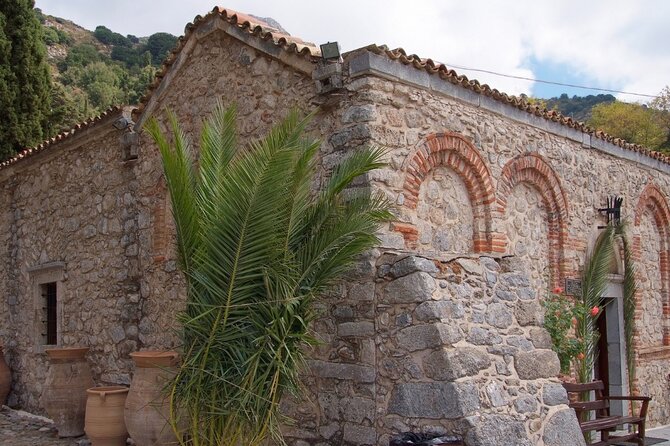
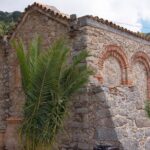
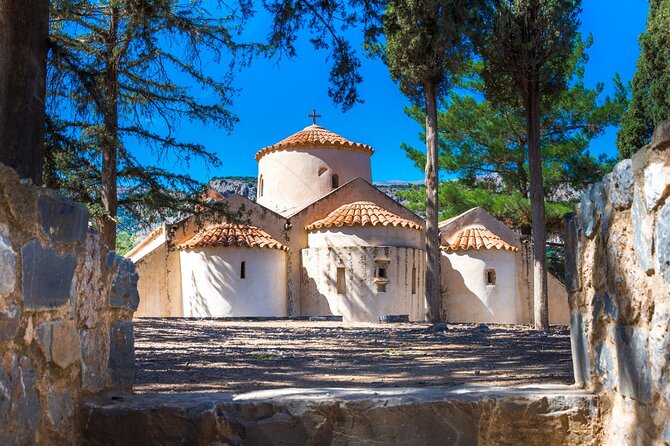
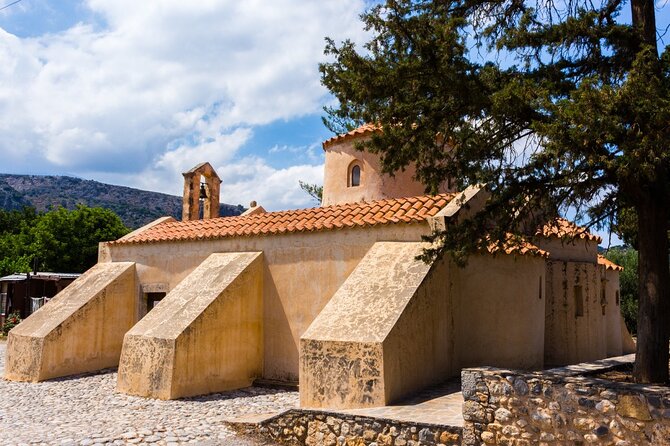
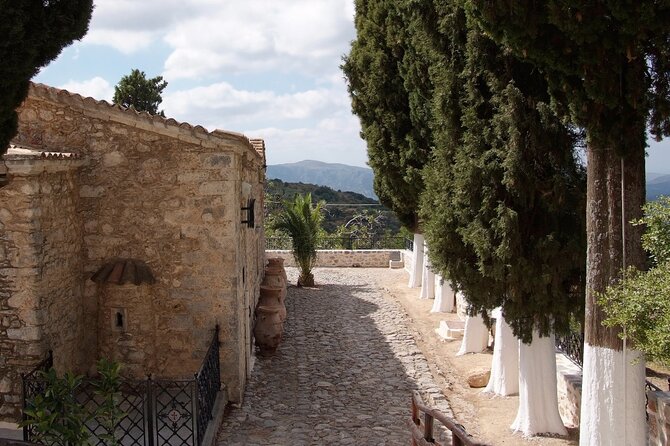
Your first real stop is Vidiani Monastery, dedicated to the Virgin Mary and set at the base of Mount Louloudaki. Expect a small Eastern Orthodox monastery with a peaceful courtyard and frescoes. It’s a good early pause because it resets your brain before the more intense Psychro Cave section.
The schedule here is short—about 25 minutes at the monastery after a short drive. That’s not enough time to treat it like a museum, but it’s enough to notice the details: the feel of the courtyard, the religious art, and the way the mountains frame the scene. It also helps that this stop is marked as ticket-free in the tour info, so you can move through without budgeting for another entrance fee.
If you love religious art and want context for what you’re seeing later in the day, this monastery stop gives you that “why this place matters” background. If you only care about the cave, you may treat this as a nice warm-up rather than a must-see. Either way, it gives the day structure.
Cave of Zeus (Psychro): the descent, the crowds, and how to time your walking
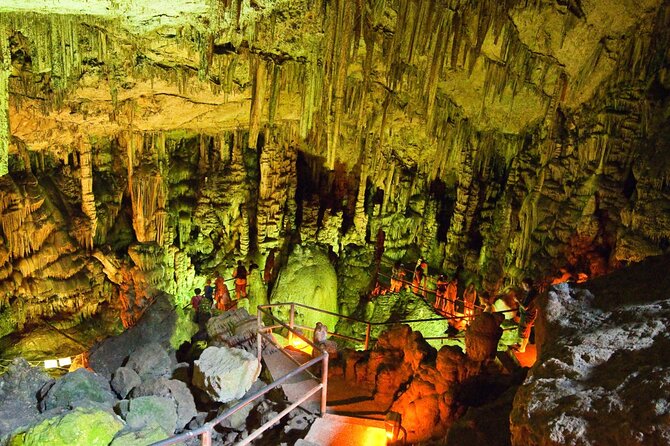
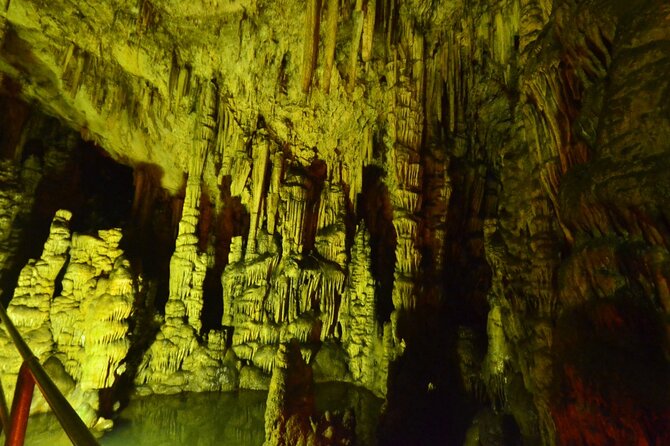
This is the headline: Psychro Cave, also called the Cave of Zeus. You’re guided into an illuminated cavern system with dramatic chambers and long-formed limestone features—stalactites and stalagmites built over thousands of years. The atmosphere is part myth, part physical reality: cool air, uneven surfaces, and a kind of reverent hush even when it’s busy.
Two practical notes make this stop work (or not) for you:
1) The entrance fee is not included and is listed at €15 per person.
2) The experience is physical. You’ll be walking, and the time you spend depends on pace and any waiting. Some people find the climb down and back up challenging.
From the structure of the day, you’re given a window that’s long enough to see the key areas but not long enough to wander with zero pressure. One useful tip from feedback: there can be an option to use a ramp rather than the stairs for the ascent. If you’re trying to conserve energy, ask what’s available when you arrive and choose the easier route for your situation.
Also, lighting inside caves can be tricky for photos and footing. Stay mindful of where your feet land, and don’t rush for the perfect shot. If you’re tempted to sprint to the front of the line, remember: it can shrink your view time when you’re forced to navigate around people bottlenecking.
One more thing: there’s mention of a green museum alternative at this spot. I don’t want to promise that you’ll have time for it on every day, but it’s a good concept if you need a break from walking. If mobility or exhaustion becomes an issue, you might find it helpful as a backup activity.
Krasi village: freshwater springs and a famous plane tree stop
After the cave, the day shifts gears. You head to the traditional village of Krasi for a short visit. This stop is built for a breather: known for natural freshwater springs and for having the oldest—and largest—plane tree in Crete.
The time is limited (about 20 minutes plus drive time), so think of Krasi as a photo-and-walk moment rather than a long village hang. Still, it’s a great change from the cave’s intensity. The greenery and village setting make it feel like you’re moving through real Crete, not just hopping from one attraction to the next.
If you like villages where you can sit for a minute and look around, you’ll enjoy this. If you’re strictly chasing ticking off sights quickly, Krasi won’t feel like the main event—but it helps you get your legs back under you.
Lyrakis Family olive mill farm: what you get, what you pay for, and why it matters
Next up is the Olive Mill Farm run by the Lyrakis family, located with mountain and Aegean views. This is one of the most “Cretan” parts of the day because it connects the scenery to the food you’ll later see on menus.
Here’s what the tour experience includes in the farm section:
- A guided look at how local olive oil is produced
- Information about honey and handmade olive-based products
- Tasting opportunities as part of the experience
In other words, you’re not just watching a sales pitch. The production walkthrough helps you understand why the products taste the way they do. And the views from the farm add a calm contrast to the cave walking.
Lunch is where expectations need attention. The olive mill meal is listed as at your own expense, and some feedback points out that lunch costs extra (with a buffet-style setup) and that it may not match what some people thought would be included. So if you’re budgeting, treat lunch as a separate cost rather than part of the base price.
If you like food experiences that are practical—how it’s made, what’s local, what to buy—this stop is worth your time. If you prefer to skip structured meal situations, you can focus on the production and tastings and keep your spending under control.


Price and logistics: what your $48.06 covers (and what it doesn’t)
At $48.06 per person, this tour is priced for a busy day with transport plus a guide. You also get an air-conditioned vehicle, a tour guide/leader, and a professional driver—plus liability coverage.
What makes the value feel uneven is the extras:
- The Cave of Zeus entrance fee (€15) is not included.
- Lunch at the olive mill farm is not included.
So your real cost depends on whether you go for that lunch option. If your goal is mostly the cave and you’re careful with meals, you’ll still have the extra ticket to pay, but the day doesn’t balloon too much.
Where the money feels best is the combined routing: monastery + Zeus Cave + village + olive production, all handled by one vehicle and one guide. That’s harder to replicate cheaply on your own, especially when you factor in time and driving stress.
Physical reality check: who should book, and who should adjust expectations
The tour is marked for travelers with moderate physical fitness. That’s honest, because the Zeus Cave segment includes steep walking, stairs, and a climb back up. People also note the cave walk can be challenging for anyone with mobility limitations.
So who fits well:
- You can walk uphill and down uneven steps without drama
- You’re comfortable doing cave stairs and moving through crowds
- You want myth + culture, not just one highlight
Who might rethink:
- Anyone who struggles with stairs or longer climbs
- Anyone who expects a mostly flat, low-effort outing
- Anyone who gets stressed by queues and limited time at the cave
If you fall into the middle zone, the best strategy is to prepare for pacing. Wear solid shoes, keep a steady rhythm, and don’t try to “win” the line. The cave experience is short enough that you’ll feel it if you spend too much time waiting or too much energy rushing.
How the day flows: why timing feels different at each stop
This kind of itinerary works best when you accept that each stop has a different personality.
- Vidiani Monastery is short, quiet, and culture-heavy without being exhausting.
- Zeus Cave is the main physical and time-pressure moment, with entrance fee and walking being the big variables.
- Krasi is quick and scenic—great for resetting after the cave.
- Olive mill farm stretches into a longer block, giving you time for production plus tastings, while lunch remains optional and paid.
Total duration is listed at 10 to 11 hours. Pick-up times vary by location, and drop-off depends on traffic and where you started from. That’s why even people who love the sites can still feel like the cave time disappears faster than expected once walking and queues start shaping your schedule.
My practical advice: treat the cave as your priority, and don’t spend your emotional energy trying to force extra time from a day that’s designed for group pacing.
The guide and driver factor: Tanya, Helena, and a steady hand on steep roads
What really improves this trip isn’t just the sights—it’s how the day is managed between them. Feedback highlights guides like Tanya and Helena for making the myth stories land and for keeping the explanation clear while you’re moving.
A professional driver matters too. Crete’s roads can be steep and winding, and when you’re tired after a long day, safe driving makes the whole trip feel smoother. One detail that comes up often in feedback is the professionalism needed for steep and snaky roads—exactly the kind of thing you notice when it’s done right.
If you enjoy listening to stories as you travel, you’ll probably feel more satisfied at the cave because the background threads are already in place.
Should you book this Lasithi Plateau road trip?
Book it if you want a single-day plan that hits Zeus Cave (Psychro) plus cultural stops without requiring you to drive. The air-conditioned transport, guided context, and the mix of monastery + village + olive production make it a solid cultural road trip for the price, even with cave ticket and lunch as add-ons.
Skip it—or at least adjust expectations—if you can’t handle steep cave walking or if you’re the type who needs lots of free time at one attraction. Cave time can feel tight once you factor in entry logistics and the climb.
If you go in prepared, this is one of those days where the drive itself becomes part of the experience: you trade hassle for structure, and you end up seeing multiple sides of Crete in one long but well-rounded outing.
FAQ
Is pickup included, and where does the tour collect people?
Yes. Pickup is offered in and around Heraklion, including areas such as Sisi, Malia, Stalis, Hersonissos, Anissaras, Agkisaras, Gouves, Gournes, Kokkini Hani, Karteros, Amoudara, Agia Pelagia, plus two centrally located points in Heraklion town.
How long is the tour?
It runs about 10 to 11 hours, depending on where you’re picked up and dropped off, plus traffic.
Do I need to pay for the Cave of Zeus?
Yes. The entrance fee for the Cave of Zeus is €15 per person and is not included in the tour price.
Is lunch included at the olive mill farm?
No. A lunch meal at the olive mill farm is available for purchase at your own expense.
What language is the tour in, and do I get a ticket on my phone?
The tour is offered in English, and you receive a mobile ticket.
How physically demanding is the Cave of Zeus stop?
You should have moderate physical fitness. The cave visit involves walking and stairs, and the climb down and back up can be challenging for people with mobility concerns.