REVIEW · HO CHI MINH CITY
Farm-To-Table Healthy Cooking Class in Ho Chi Minh City
Book on Viator →Operated by Western Asian Travel Service · Bookable on Viator
One trip, and suddenly you can cook. This farm-to-table healthy cooking class in Ho Chi Minh City blends an organic farm visit with hands-on lessons from a master chef, so you pick ingredients first and then turn them into four dishes. Afterward, you eat what you make and leave with recipes to copy at home.
What I like most is the mix of “see it, then cook it.” You tour the farm to spot cows, buffalo, chickens, ducks, and a wide range of herbs and vegetables, and you also learn about practical uses for some ingredients. The other big win is the four-dish structure, cooked one at a time with guidance and tasting in between, which makes the techniques stick. One thing to consider: you’ll spend a lot of time outdoors in an open-air setting, so plan for heat and sun.
In This Review
- Key things to know before you go
- A farm-to-table start outside Ho Chi Minh City
- Meet the animals and see the herbs you’ll cook with
- The open-air kitchen lesson: four dishes, one technique at a time
- What you actually eat and why lunch feels like part of the class
- Pickup, timing, and how long 6.5 hours really is
- Who this class is perfect for
- Price and value: what $67 includes
- The small details that can make or break your day
- Should you book the farm-to-table class in Ho Chi Minh City?
- FAQ
- How long is the farm-to-table cooking class in Ho Chi Minh City?
- What time does the class start?
- Is hotel pickup included?
- What is included in the price?
- Are alcoholic drinks included?
- How many people are in the group?
- What is the cancellation policy?
Key things to know before you go
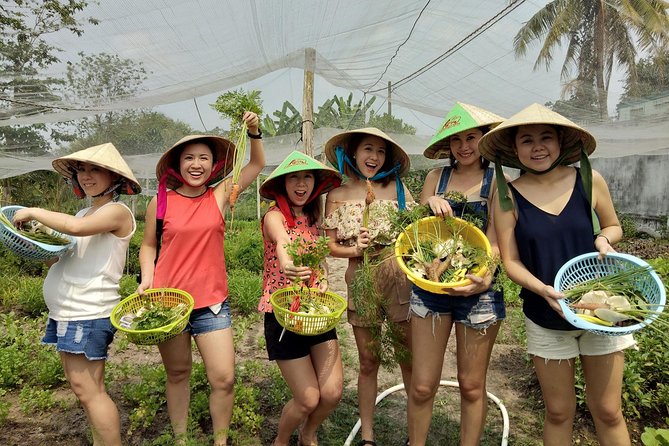
- Organic farm first, cooking second: you pick produce with a basket and scissors before you cook.
- One master chef, step-by-step teaching: you prepare four dishes with advice and tasting along the way.
- Small groups: capped at 15 people, so your questions have room to land.
- Lunch is included: you eat the results of your cooking.
- English support is common: instructors mentioned include Alice, Aura, Daisy, and Linh, plus the host signs off as Chef Tan.
A farm-to-table start outside Ho Chi Minh City
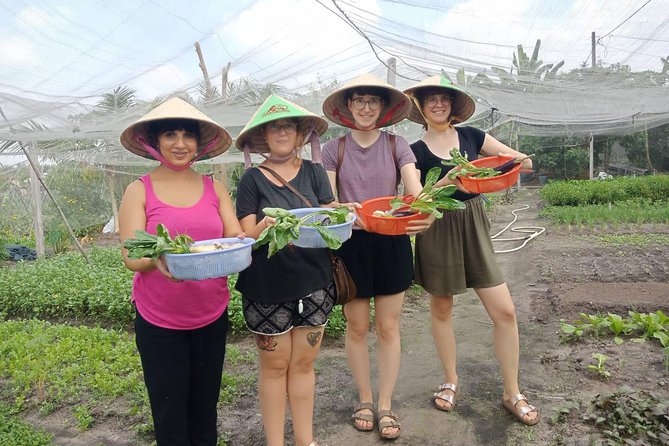
This class doesn’t start in a kitchen classroom. It starts on a working agricultural site where you see the food system in motion, and that changes how you cook once you get your hands on ingredients.
From the city, you’ll go by air-conditioned van with hotel pickup offered from selected hotels. You’ll arrive at the farm area and cooking school, where the day has a friendly rhythm: tour, pick, rest a moment, then cook.
If you enjoy learning by doing, this format is a great match. You’re not just watching someone cook, and you’re not forced to memorize a bunch of steps without context. The farm visit gives your ingredient list a story, and that makes it easier to remember what to buy later.
You can also read our reviews of more tours and experiences in Ho Chi Minh City.
Meet the animals and see the herbs you’ll cook with
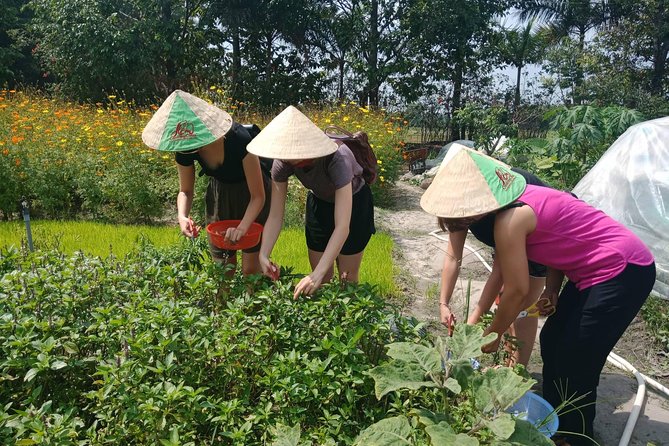
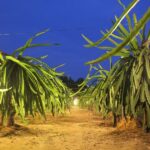
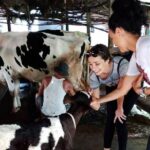
The farm portion is where the class earns its farm-to-table label. You’ll walk around with a master chef who points out livestock such as cows and buffalo, plus chickens and ducks. Then you shift from animals to plants: vegetables, herbs, spices, and also seafood like fish and prawns.
Even if you’re not a plant expert, you’ll get the idea quickly. The chef helps you connect ingredients to flavor and technique, not just to color. One review specifically highlighted learning about medicinal uses of herbs and vegetables, which hints at why Vietnamese cooking leans so hard on fresh aromatics rather than heavy sauces.
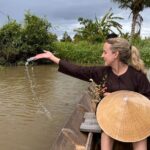
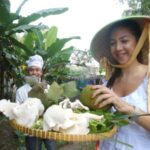
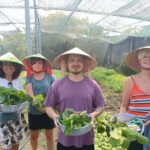
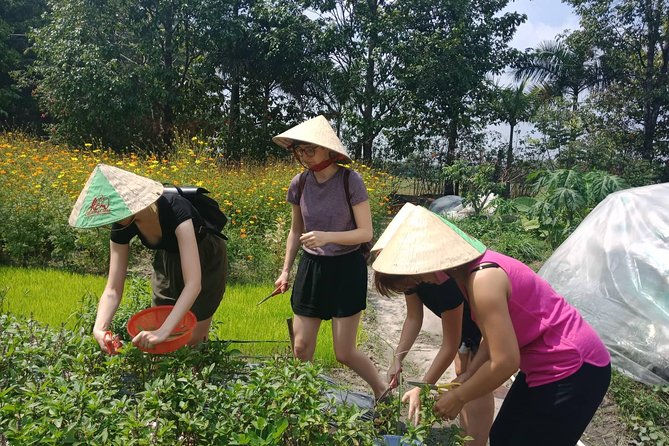
You also get a hands-on role: you receive a basket and scissors and collect vegetables to use later in the cooking session. That means the “grocery store” version of cooking becomes “farm version,” where you understand what’s in season and how herbs grow into the flavors you’re tasting.
Practical note: bring water and wear something that you don’t mind getting a little farm-dust on. This is a countryside learning day, not a museum visit.
The open-air kitchen lesson: four dishes, one technique at a time
After the farm tour and picking, you’ll settle in with fruit and downtime. There’s even a hammock moment, which sounds like a joke until you remember you’ve already been outside for a while and you’ll be cooking again soon.
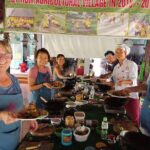
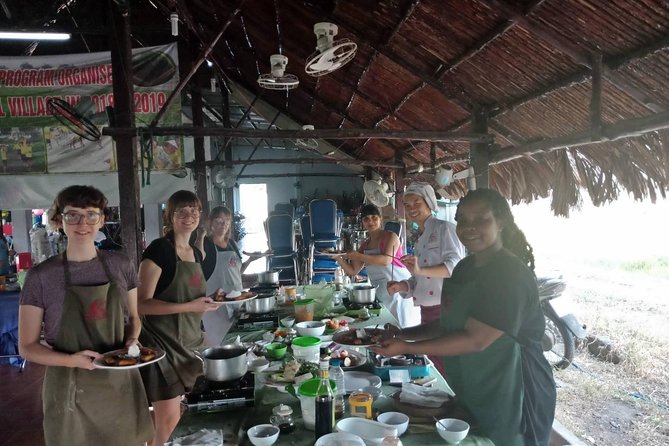
Then comes the main event: you’ll prepare four dishes during the class. The teaching style is important here. The chef guides you through one dish at a time in an open-air environment, and each dish is followed by tasting before you move on.
Why that structure helps you: it reduces the guesswork. If you only cook one dish all day, you might still feel uncertain about the technique. If you cook four dishes, you get repeated chances to practice, and the tasting acts like a quality check. You can adjust as you go rather than hoping your final result comes out right.
You’ll also learn the healthy-cooking angle that ties the whole experience together. The class focuses on simple, healthy cooking techniques, and the farm visit supports that by giving you fresh herbs and vegetables to work with. The result is food that tastes like it’s built from ingredients, not from shortcuts.
What you actually eat and why lunch feels like part of the class
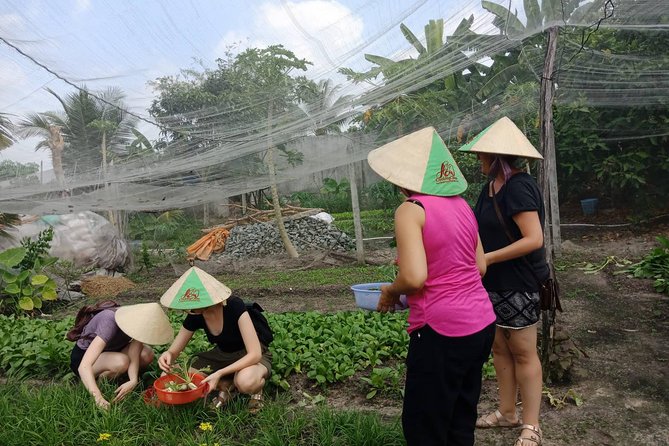
This experience includes lunch, and it’s not just a separate meal you eat after class. You’ll typically eat what you prepare as the day progresses, culminating in a full meal at the end.
That matters for value because you’re paying for ingredient use and time, not only a demonstration. You also get to compare what you thought you were making with what the dish should taste like once the chef’s guidance kicks in.
Alcohol is not included, though it’s available for purchase. So if you want a low-key meal, you can keep things simple and stick to water or soft drinks while you cook.
Also, the day includes light refreshments. That’s useful because you’re outside and moving, and cooking classes can sometimes feel like an endurance test in disguise. The breaks keep your energy up so you can focus on the actual techniques.
Pickup, timing, and how long 6.5 hours really is
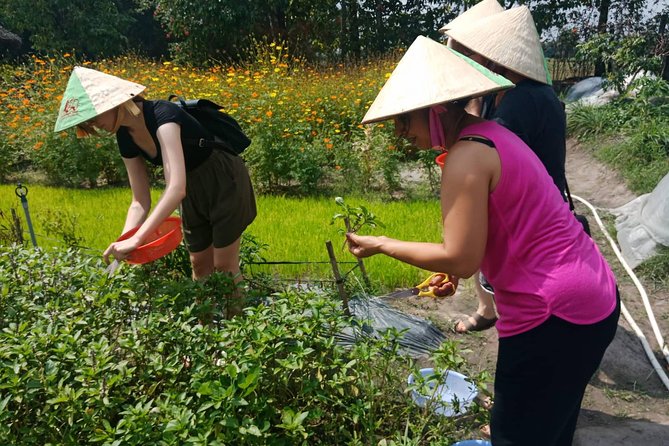
The duration is listed at about 6 hours 30 minutes. In practice, that time feels longer because it’s a full day loop: city pickup, farm tour, picking and resting, then hands-on cooking and eating, and finally drop-off.
Start time is listed as 7:30am. You may be able to choose a morning, afternoon, or evening class slot, but the only hard time provided is that 7:30am start. Plan for early if you book the morning option, especially in hot months.
Hotel pickup and drop-off are included for selected hotels. If you’re not in an included pickup zone, you’ll want to check how the tour handles meeting points. A good rule: confirm pickup details right after you receive your booking confirmation, especially if you’re staying in a hotel that’s a bit off the main routes.
Group size is capped at 15 people. That’s a sweet spot for a class: big enough to meet people, small enough to get real help.
Who this class is perfect for
This is the kind of cooking class that suits more than one type of foodie.
If you’re new to Vietnamese cooking, you’ll like the step-by-step approach and the farm context. You start with ingredients and end with dishes you can recreate using the recipes you receive.
If you already cook at home, you’ll appreciate the technique focus and the “why this ingredient” explanations. Reviews also point to instructors who answer questions and spend time explaining, including about herbs and their uses.
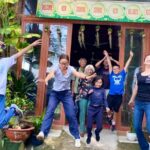
And if you’re traveling with someone who wants a calm, hands-on day outside the city rhythm, this fits well. One review even called it a favorite activity for a multi-generational trip, which makes sense: you’re learning together at a comfortable pace, and you get a meal you can savor immediately.
Price and value: what $67 includes
The price is $67 per person, booked on average 13 days in advance. For this cost, you’re getting a lot bundled together:
- hotel pickup and drop-off (from selected hotels)
- professional and local guides
- lunch plus light refreshments
- equipment and ingredients for cooking four dishes
- a farm tour with picking time
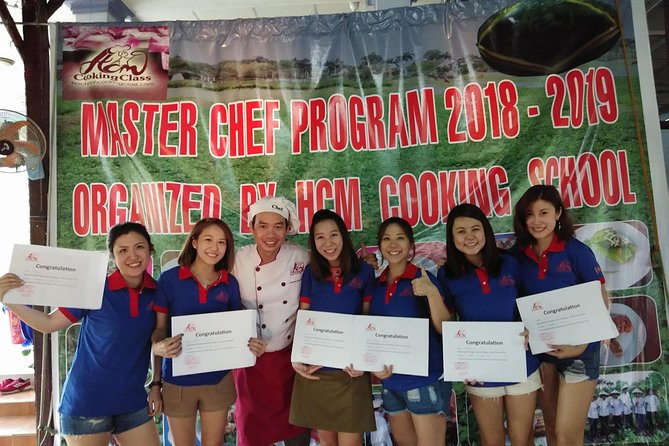
- a certificate and recipe handouts to take home
That’s why the price feels reasonable rather than “paying for a kitchen demo.” You’re paying for time in the countryside, a teaching chef, and the full farm-to-plate process, not just a seat at a cooking station.
You’ll also likely spend money elsewhere in the city on food and tours. Here, the day’s cost includes your meal and learning materials, so it can slot neatly into a food-and-culture plan without constant extra add-ons.
The small details that can make or break your day
These lessons tend to go smoothly, but your comfort still matters.
Since you’ll be outside for farm walking and cooking in an open-air environment, dress for heat and sun. Light layers help, and a hat goes a long way. If you’re prone to getting sunburned, sunscreen is not optional.
You’ll also be using scissors for picking vegetables. Wear shoes you can walk in comfortably, because farm grounds are rarely like indoor floors.
Bring a curious mindset. The chefs and guides are there to explain not only what you’re doing, but what’s behind Vietnamese cooking choices—especially around herbs and how they’re used.
Lastly, if English is important to you, take heart: multiple instructors are mentioned by name in feedback, including Alice, Aura, Daisy, and Linh, and the host is signed as Chef Tan. That’s a strong sign the experience works for English-speaking visitors.
Should you book the farm-to-table class in Ho Chi Minh City?
Book it if you want a hands-on food day with real context. I’d especially recommend it if you like learning techniques, not just collecting photos. The farm tour plus ingredient picking makes the cooking more meaningful, and the four-dish format keeps you active and progressing instead of watching from the sidelines.
Skip it only if you strongly dislike outdoor time. You’ll spend part of your day in the open air, and the class is built around that farm setting. If you need very controlled, indoor-only activities, this one may feel too rustic.
FAQ
How long is the farm-to-table cooking class in Ho Chi Minh City?
The class lasts about 6 hours 30 minutes.
What time does the class start?
The listed start time is 7:30am. The experience also offers morning, afternoon, or evening class options.
Is hotel pickup included?
Yes, hotel pickup and drop-off are included for selected hotels.
What is included in the price?
You’ll get hotel pickup and drop-off (selected hotels), a professional guide, a local guide, lunch, light refreshments, and all necessary equipment for the cooking class.
Are alcoholic drinks included?
No. Alcoholic drinks are not included, though they are available to purchase.
How many people are in the group?
The class has a maximum group size of 15 travelers.
What is the cancellation policy?
Free cancellation is available. You can cancel up to 24 hours in advance for a full refund. If you cancel less than 24 hours before the start time, the amount paid is not refunded.
If you want, tell me what month you’re going and what hotel area you’re staying in, and I’ll help you pick the best time slot and pack what you’ll actually use.