REVIEW · KULA HAWAII
Maui: Alpaca Farm Visit with Hands-On Activities
Book on GetYourGuide →Operated by Maui Alpaca LLC · Bookable on GetYourGuide
Alpacas make the whole day feel simpler. On this eight-acre farm on the slopes of Haleakalā National Park, I love how much time you get up close, especially with alpaca feeding and photo moments. The farm also turns a hands-on fiber lesson into something you can actually understand.
You’ll follow that with a spinning wheel demonstration and then a stop at the Angora Bunny Village where you can meet soft, fluffy rabbits. One consideration: the tour is only 1 hour, so it’s more of a great sampler than a long, slow farm hangout.
In This Review
- Key highlights I’d plan around
- An Upcountry Alpaca Stop on Haleakalā’s Slopes
- Meeting Alpacas: Feeding, Petting, and Getting Great Shots
- Alpaca Fiber 101: From Animal to Yarn
- The Spinning Wheel Demo: Traditional Craft, Live and Watchable
- Angora Bunny Village: Soft Interaction and Animal Care
- How the 1-Hour Format Works (and Why It’s Not “Too Short”)
- Who This Tour Fits Best on Maui
- Guide Quality: Friendly, Fast, and Especially Good with Kids
- Price and Value: What $79 Buys You
- Getting There and Planning Without Stress
- Should You Book This Maui Alpaca Farm Visit?
- FAQ
- How long is the Maui alpaca farm visit?
- How much does it cost?
- What’s included in the tour?
- Is transportation to the farm included?
- Are food and drinks included?
- How big is the group?
- Can I cancel if my plans change?
- What language is the tour guide?
Key highlights I’d plan around
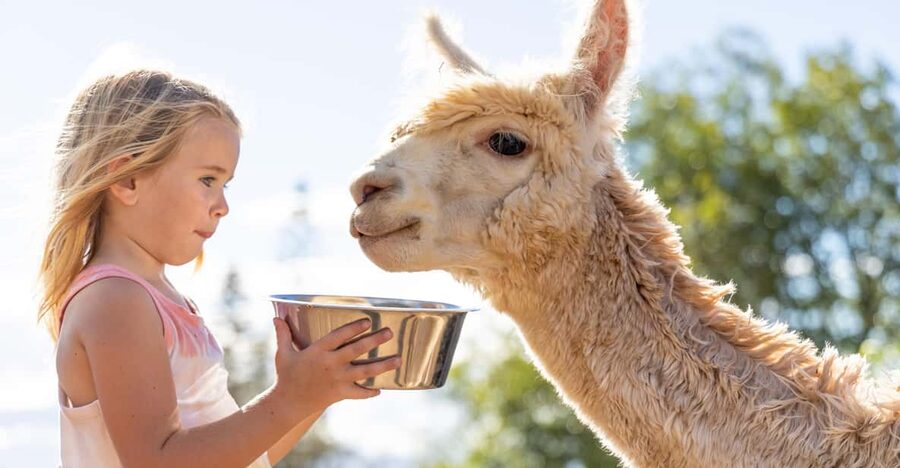
- Alpaca feeding plus photo time in a calm pasture setting
- Fiber education you can see, followed by a spinning wheel demo
- Small-group feel with limited spots (better focus, less rushing)
- Angora Bunny Village for extra cuddly interaction
- Guide energy that works especially well with kids and families
An Upcountry Alpaca Stop on Haleakalā’s Slopes
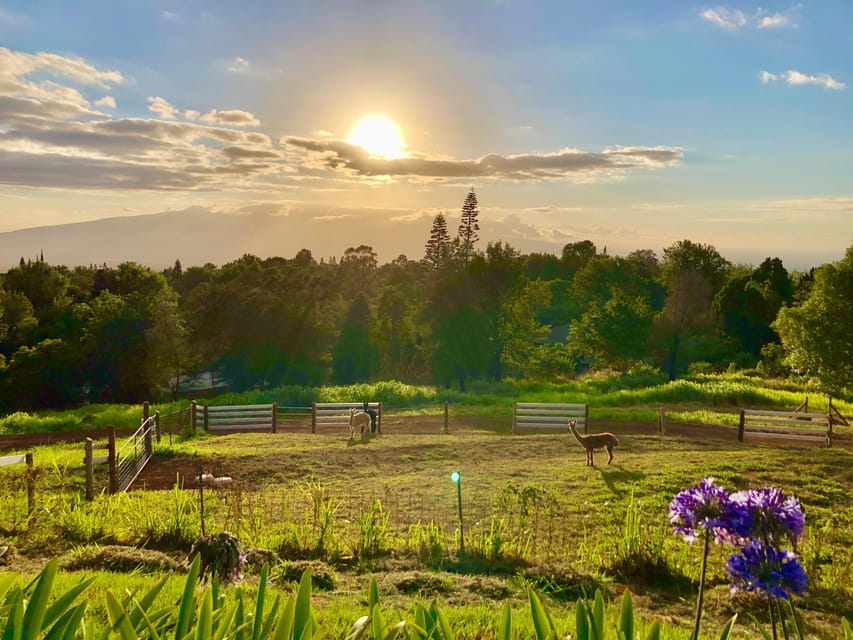
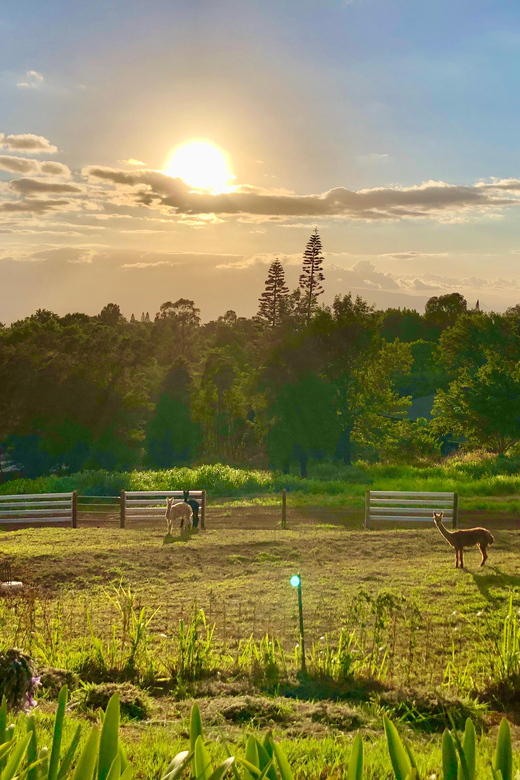
This is one of those Maui experiences that feels like a mini escape from the beach routine. The setting matters: you’re on an eight-acre farm estate on the slopes of Haleakalā National Park, so the vibe is quieter and more “country day” than “safari bus.” The whole visit is built around gentle animal time and simple education, not a lecture hall.
The time structure is tight in a good way. You get a complete arc—alpacas first, then fiber and spinning, then Angora bunnies—so you don’t have to decide which part to skip. And because the group is capped at 10 participants, the guide can actually talk to people instead of trying to herd a crowd.
If you’re traveling with kids, this kind of direct animal interaction can be a relief. It’s not just looking. It’s doing: feeding, learning, and meeting the bunnies. Couples often like that balance too, since it’s relaxing without feeling lazy.
Meeting Alpacas: Feeding, Petting, and Getting Great Shots
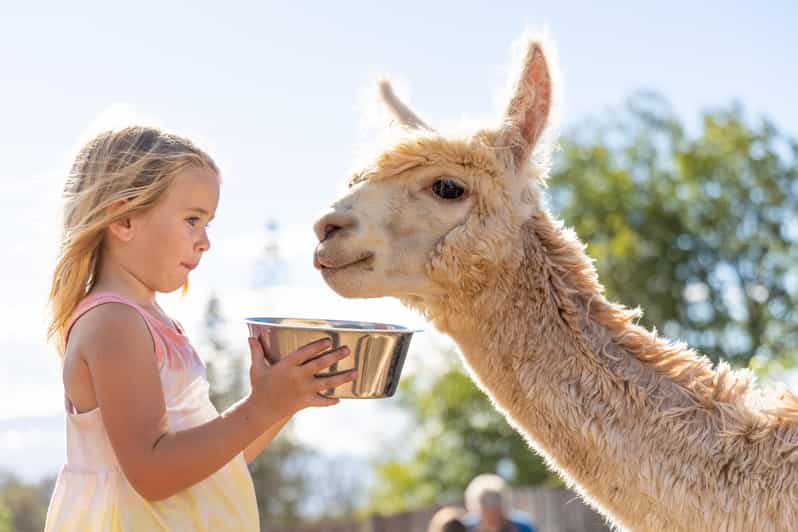
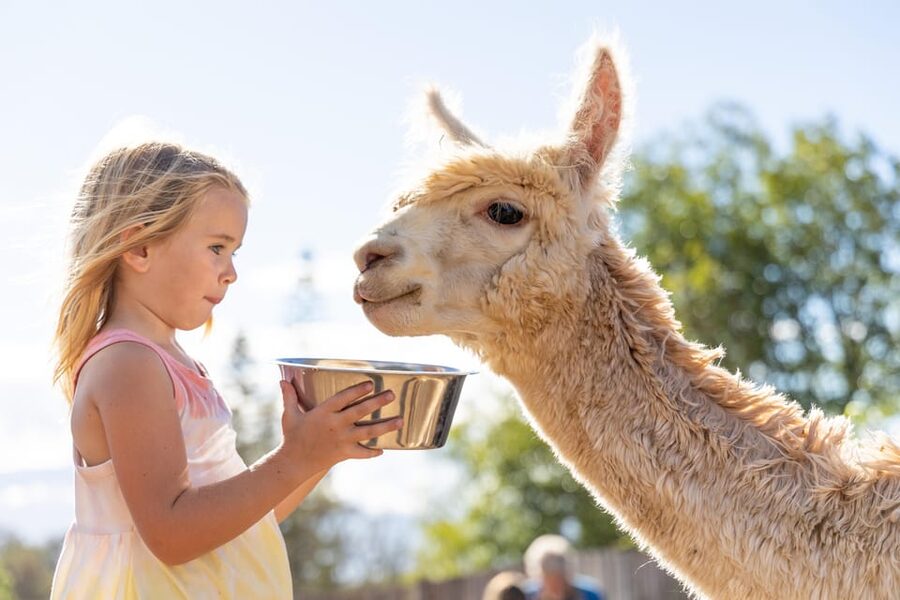
Your tour starts in the alpacas’ pasture, where you’ll meet the animals and have time to feed them. This is the part most people remember, because alpacas have that slow, curious way of coming to you. It’s also naturally photogenic—think close portraits, funny faces, and that moment when the animal turns from “minding its business” to “wait, food?”
What I like here is that the feeding isn’t treated like a gimmick. It’s used to set the tone for the rest of the tour. You’re not just passing through; you’re learning to read what’s happening in the animal area so you can enjoy it without stressing anyone out.
One detail that really elevates the experience: some families have described time to feed, pet, and even hold the animals as part of the visit. That can make the whole thing feel more memorable for little kids who get bored watching adults read signs.
Practical tip: wear shoes you don’t mind getting a little dusty. Farm ground + animal time usually means you’ll be standing and shifting your stance more than you expect. If you’re bringing a phone, plan to clean the lens beforehand; close-up shots are harder when the camera has smudges.
Alpaca Fiber 101: From Animal to Yarn
After the pasture time, the tour shifts from “fun with animals” to “why alpacas matter.” You’ll get fiber education focused on the different types of alpaca fiber and how they’re used. Even if you’re not a craft person, this is a helpful kind of knowledge because it gives you a real-world reason behind the words you might see in shops.
Here’s what makes this segment valuable for your trip: it connects the farm visit to something tangible you can take home. You’ll leave with a clearer idea of why alpaca products feel different, why processing matters, and how the fiber becomes wearable items. It turns the souvenir question from random to informed.
If you’ve ever wondered why some fibers look better for certain projects than others, this is the kind of basic explanation you can actually remember later. You’re not expected to be a textile expert. The aim is simple: make you understand the journey from fiber to yarn and clothing.
The Spinning Wheel Demo: Traditional Craft, Live and Watchable
Right after the fiber lesson, you’ll watch a spinning wheel demonstration. This is one of those activities that’s both educational and satisfying to watch because you can see the work happening in real time. A good demo does two things: it gives you a visual of the process, and it helps you understand how long and hands-on textile work really is.
Even better, it reinforces the sustainability angle of fiber production—how animals provide the raw material, and how traditional tools and methods help transform it into something useful. You get to see the turning-to-yarn step without needing to know every term.
From a value standpoint, this demo adds depth for a relatively short visit. Without it, fiber education could feel abstract. With it, you connect the facts to a moving machine and the outcome you can picture in your head.
If you’re traveling with teens, this part often lands well because it’s visual and not baby-talk. If you’re traveling with little kids, it’s still interesting because it’s a live “watch and point” moment.
Angora Bunny Village: Soft Interaction and Animal Care
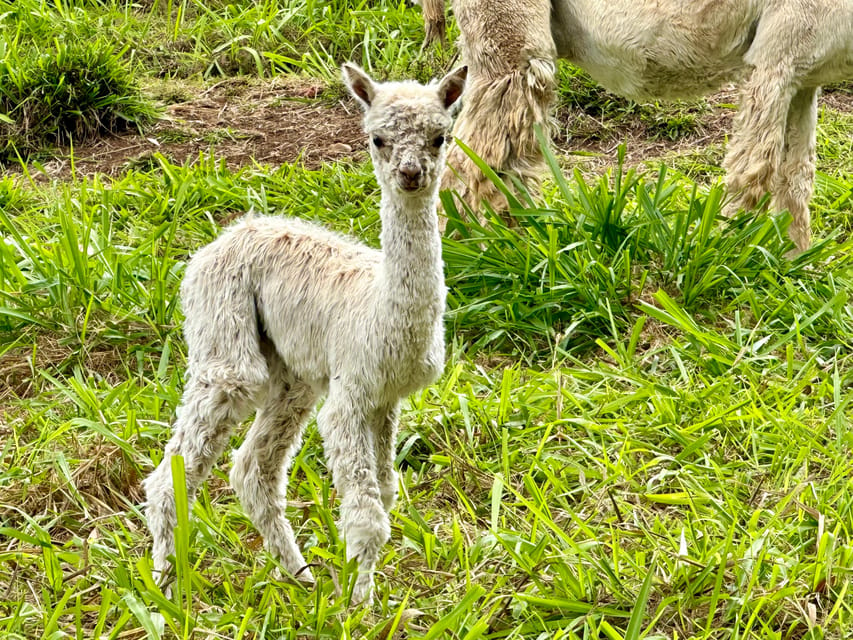
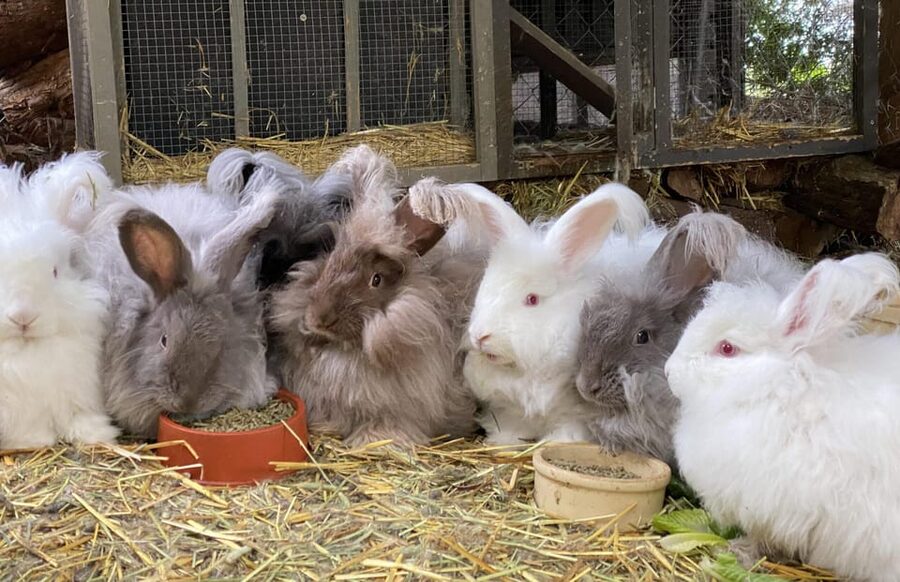
Then comes the Angora Bunny Village, a stop that tends to earn extra smiles. The bunnies are described as soft and fluffy, and you’ll interact with them in a village setting rather than just observing from afar. This makes it a strong finale for families and anyone who loves animals.
What I appreciate about this section is that it shifts the “learning” from fiber to care. You’ll learn about the bunnies’ fiber qualities and how they’re cared for. That’s useful because Angora isn’t just a cute word on a label. It has a specific meaning tied to the animal and the way its fiber is handled.
For kids, the bunny area can be the emotional highlight. For adults, it’s a nice change of pace after the alpacas. Two animal experiences in one hour keeps attention from lagging.
Practical note: bunny time can get surprisingly hands-on. Keep your hands gentle, move slowly, and follow your guide’s instructions. The guide is the key here, because they’ll pace interactions so everyone stays calm.
How the 1-Hour Format Works (and Why It’s Not “Too Short”)
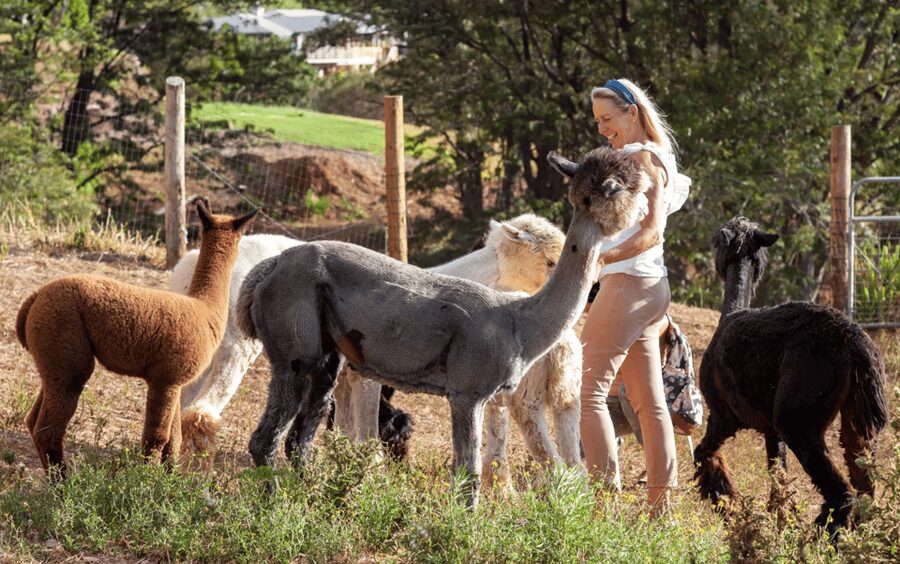
At 1 hour, this tour is designed as a tight, complete experience. It won’t replace a full day on Maui, but it can absolutely fit into your schedule on a travel day or between bigger activities. The pacing also tends to work for families because it gives kids a “finish line” instead of dragging.
Here’s how the timing usually feels, step by step:
- Start with alpacas: meet, feed, and capture photos.
- Shift to fiber education: learn the basics of fiber types and use.
- Watch the spinning wheel: see transformation in action.
- Finish with Angora bunnies: soft interaction and care/fiber info.
The advantage is focus. You’re not overwhelmed with stops. The slight drawback is that you’ll have limited time for lingering questions or repeat animal time. If you’re hoping for a slow, long cuddle session, you might prefer a longer farm visit elsewhere. If you want a well-rounded sampler that teaches something and still feels fun, this format is a winner.
Group size helps here. With only up to 10 participants, you’re less likely to feel like you’re getting dragged along in a line.
Who This Tour Fits Best on Maui
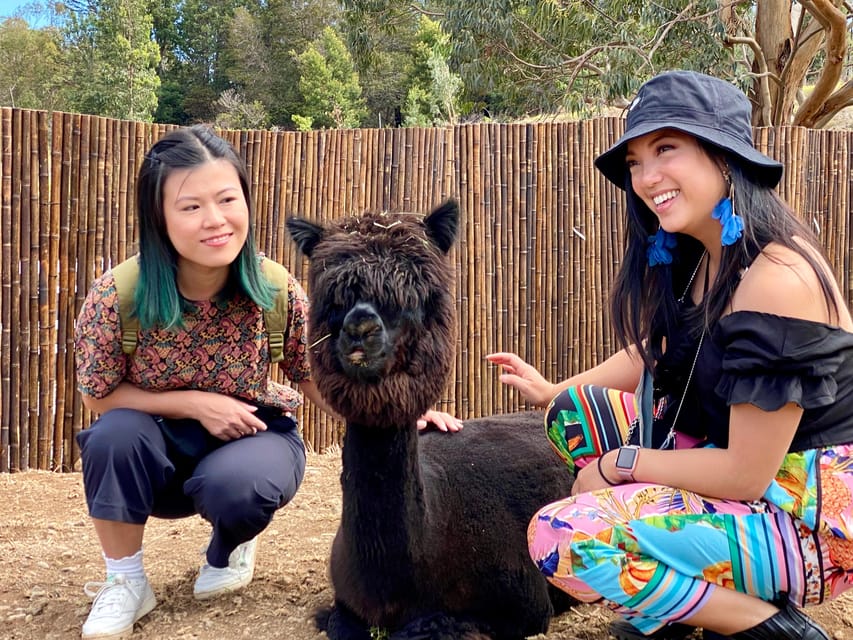
This is the kind of activity that works for a surprisingly wide range of travelers, as long as your expectations match the hour.
- Families with younger kids often love it because it combines feeding, petting, and holding time with short educational segments. The tour’s structure keeps attention from drifting.
- Couples who want something calmer than a beach or a long drive may enjoy the animal-and-craft pairing. It’s relaxing, not hectic, and it gives you a story beyond snorkeling.
- Craft-minded visitors will appreciate the spinning wheel and fiber lesson because it’s not just a product pitch. You learn the process with visuals.
If you’re a hardcore wildlife photographer who wants long waiting time for the perfect shot, you might find the visit short. But if you want close encounters and a good educational stop, it’s a strong match.
Guide Quality: Friendly, Fast, and Especially Good with Kids
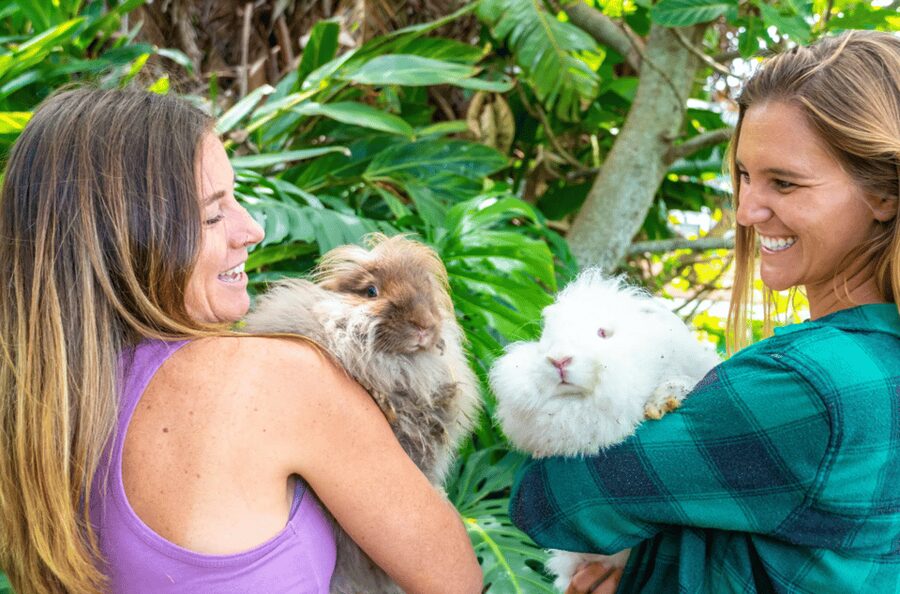
A big part of why this tour gets consistently high marks is the guide experience. One guide named Erin has been described as fun and engaging, especially for younger kids. That matters more than you’d think. When the guide knows how to translate animal and fiber info into simple, upbeat moments, the whole visit feels smoother and more enjoyable.
Other guides are described as passionate and knowledgeable, with a friendly, approachable energy. That combination is exactly what you want in a short tour: you don’t have time for awkward transitions or slow explanations.
If you’ve ever been on an activity where the guide seems rushed or detached, you’ll notice the difference here. The guide presence makes the animal interactions safer and calmer, and it keeps the educational parts from turning into a lecture.
Price and Value: What $79 Buys You
At $79 per person for 1 hour, this isn’t a bargain like a free roadside attraction. But it’s also not priced like a once-in-a-lifetime luxury experience. It lands in a middle zone: you’re paying for a guided, small-group, hands-on animal and craft education visit.
Here’s what makes that price feel more reasonable:
- You get multiple real experiences, not just one: alpaca feeding, fiber education, spinning wheel demo, and Angora Bunny Village.
- The group is limited to 10, which usually means more personal attention.
- It’s guided in English, with a live person handling timing and interactions.
- You’re paying for access to an operational farm setting, not just viewing animals from a distance.
What you’re not paying for is also clear: transportation isn’t included, and food and drinks aren’t included. If you’re already driving or staying nearby, the value improves. If you have to arrange complicated travel to reach the farm, the cost can creep upward in your overall trip budget.
My practical advice: treat the $79 as a “paid hour of farm access plus education.” If that fits what you want from Maui, it’s a solid use of time.
Getting There and Planning Without Stress
Transportation to the farm isn’t included, so plan to handle the drive yourself or arrange your own ride. The good news is that directions are generally described as easy to follow, which can take pressure off when you’re juggling other Maui plans.
Because you’re on the slopes, allow a little extra time for parking and settling in. Even if the farm directions are clear, Maui roads can slow you down. Add buffer time so you’re not arriving rushed.
What to bring:
- Comfortable shoes for farm paths
- A phone camera (or charger) for close alpaca shots
- Light layers, since you can feel cooler upslope even on sunny days
If you need to eat before or after, plan your meal timing too. Food and drinks aren’t part of this experience, so you’ll want a nearby plan rather than hoping.
And if you enjoy souvenirs, there’s a small gift shop on-site. It’s described as cute, with options for kids and adults, which can make the visit feel like a full experience instead of a quick drop-by.
Should You Book This Maui Alpaca Farm Visit?
Book it if you want a short, hands-on Maui experience that mixes animals with real learning. This works especially well if you’re traveling with kids, love cute farm moments, or want to understand where alpaca fiber products come from. The small group size and guide energy are big wins.
Skip it (or think twice) if you prefer long, slow farm visits where you can linger for hours, or if you need a food-and-transport package to keep your day simple. At one hour, you’ll get a great sampler, not a full-day deep relationship with the place.
FAQ
How long is the Maui alpaca farm visit?
The experience lasts 1 hour.
How much does it cost?
The price is $79 per person.
What’s included in the tour?
You’ll get alpaca feeding, fiber education, a spinning wheel demonstration, and a visit to the Angora Bunny Village.
Is transportation to the farm included?
No, transportation to the farm is not included.
Are food and drinks included?
No, food and drinks are not included.
How big is the group?
It’s a small group, limited to 10 participants.
Can I cancel if my plans change?
Yes, you can cancel up to 24 hours in advance for a full refund.
What language is the tour guide?
The live tour guide speaks English.