REVIEW · CHIANG MAI
Aroidee’s Farm-Fresh Thai Cooking Experience
Book on Viator →Operated by A ROI DEE Cooking school Chiangmai · Bookable on Viator
Farm-fresh Thai cooking starts with mud and herbs. You’ll pick ingredients from an organic garden at A Roi Dee Organic Farm, then move into an outdoor kitchen to cook classic Thai dishes like Pad Thai and Tom Yum Kung. The result is food that tastes like you actually earned it, plus a relaxing half-day that feels more hands-on than a typical tour.
My two favorite parts are the herb-and-ingredient walkthrough (you learn what you’re grabbing and why) and the practical cooking you can repeat later. One thing to plan around: this experience depends on good weather, so if conditions are rough, the schedule can shift.
In This Review
- Key highlights at a glance
- Farm-to-wok value in Chiang Mai: what you’re really buying
- From Wat Suan Dok to the organic farm: the morning flow
- Harvesting herbs, collecting eggs, and feeding the farm animals
- The outdoor kitchen classroom: Pad Thai, Tom Yum Kung, curry paste, and soup
- Choosing vegan, vegetarian, or allergy-friendly cooking
- Price and logistics: why $41.95 can feel fair in Chiang Mai
- Who should book A Roi Dee: families, couples, and solo cooks
- Practical tips so you leave with skills, not just photos
- Should you book this Chiang Mai farm cooking class?
- FAQ
- What time does the A Roi Dee cooking experience start?
- Where does the experience meet, and where does it end?
- Is pickup available?
- How many people are in the group?
- Do they offer vegan or vegetarian menus?
- Can they adjust ingredients for allergies?
- What happens if weather is bad?
Key highlights at a glance
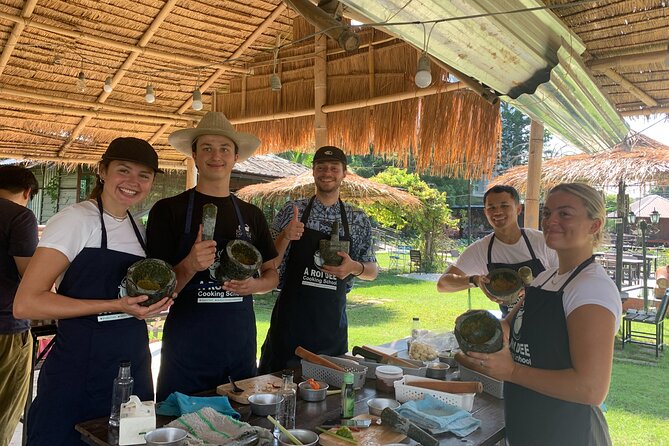
- Organic garden harvesting: pick the herbs and vegetables you’ll cook with
- Animal visits: collect eggs and visit buffalo, chickens, geese, and goats
- Outdoor kitchen lessons: cook classic Thai favorites with guided steps
- Curry paste practice: make curry paste for a Thai spicy soup
- Finish with mango sticky rice: a sweet, satisfying end to the meal
Farm-to-wok value in Chiang Mai: what you’re really buying
For $41.95, you’re not just paying for a recipe download. You’re paying for a whole arc: farm time first, then real cooking instruction, then eating what you made. In a city full of cooking classes, that farm-to-wok rhythm is the difference. It turns the experience into something you can talk about all day, not just a meal you ate and forgot.
I also like the size. The class caps at 15 travelers, which usually means you get help when your paste is too thick or your noodles are taking their time. It’s not a big show. It feels like a working kitchen with students who get checked on.
Finally, you’ll likely remember the sensory details: the smell of herbs in the garden and the steam rising when you start building flavor with curry paste. That matters because Thai cooking is all about timing and balance, and you’ll see those ideas in motion.
You can also read our reviews of more tours and experiences in Chiang Mai.
From Wat Suan Dok to the organic farm: the morning flow
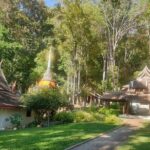
The experience starts at 8:00 am at Wat Suan Dok (139 Suthep Rd, Tambon Su Thep, Amphoe Mueang Chiang Mai). The activity ends back at the meeting point, which makes your day easy to plan afterward.
If you opt for pickup, it simplifies things further. That’s helpful when you’re trying to fit a class into a Chiang Mai itinerary without renting a car or playing taxi roulette. Also, the tour uses a mobile ticket, so you’re not hunting for paper confirmations.
Timing-wise, expect about 4 hours from start to finish. That’s long enough to do meaningful farm activities and cook multiple dishes, but short enough that you can still keep the rest of your day open for temples, night markets, or a slow Thai massage if that’s your style.
One more practical note: you’ll be doing some outdoor parts in the morning. Wear clothes you don’t mind getting a little farm-dust on them.
Harvesting herbs, collecting eggs, and feeding the farm animals
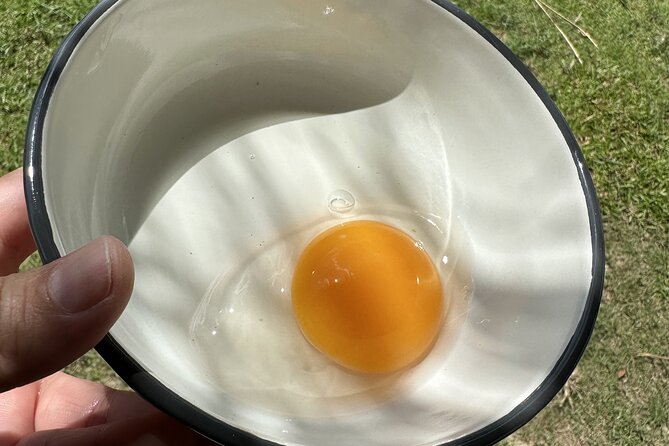
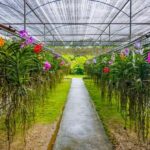
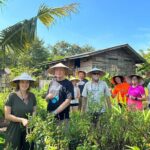
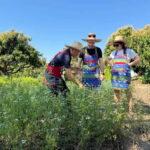
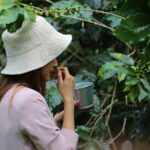
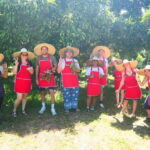
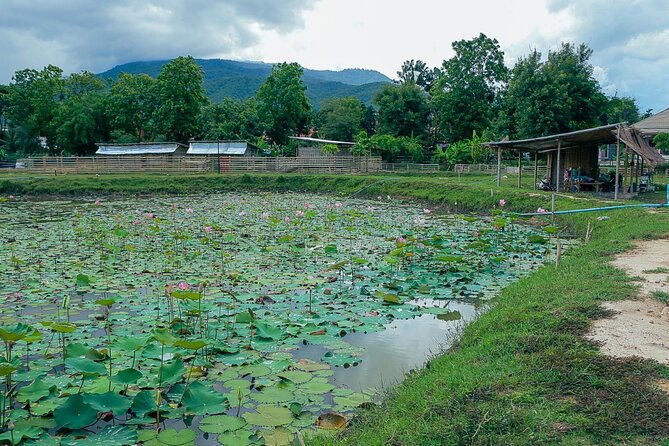
This class begins with the organic garden. You’ll harvest fresh ingredients for the cooking lesson, and you’ll learn about organic farming practices as you go. It’s not just a walk where you take a few photos. You’re gathering what will end up in your dishes.
A big part of the appeal is that the garden lesson slows you down. You’ll get time to understand herbs and vegetables in the plots, and that helps you cook with confidence later. When you know what you picked and how it behaves, you don’t just follow instructions blindly.
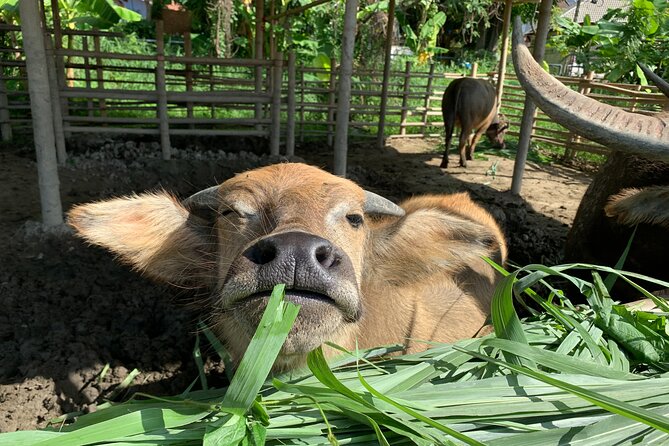
Then comes the farm interactions. You can collect eggs, and you’ll visit animals including buffalo, chickens, geese, and goats. This is the part that tends to make the experience feel warmer and more personal than a standard kitchen class. Kids usually love it, but adults often do too. There’s something grounding about animal time before you start cooking.
And yes, there’s a learning angle here. Seeing farming practices in action makes sustainability feel real, not abstract. You’re watching how food connects to soil, plants, and daily care.
The outdoor kitchen classroom: Pad Thai, Tom Yum Kung, curry paste, and soup
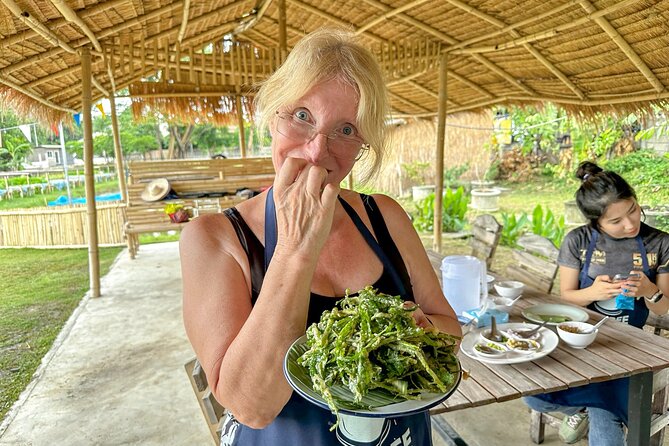
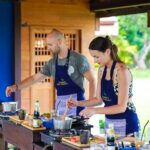
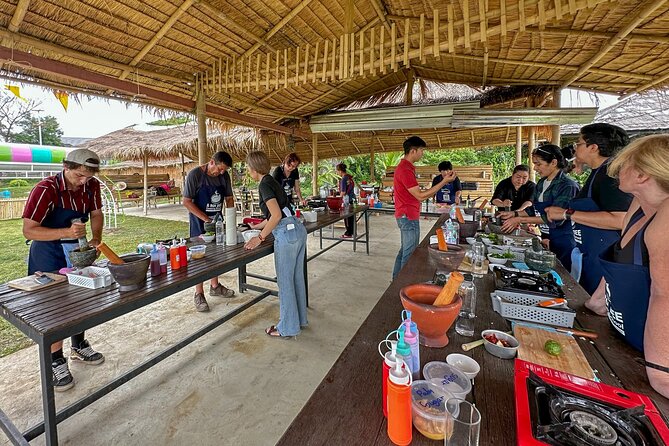
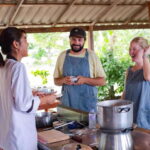
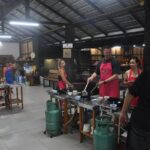
After the farm time, you shift to the outdoor kitchen classroom. This is where the class earns its keep: you’ll cook multiple Thai dishes with guidance, including Pad Thai and Tom Yum Kung.
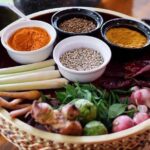
The instruction includes how to make curry paste. That paste isn’t a side project. You’ll use it to create a flavorful Thai spicy soup, which is a smart way to connect technique to payoff. Curry paste is one of those Thai cooking skills that sounds complicated until you’re actually making it step by step.
You’ll also make mango sticky rice to wrap up the meal. It’s a sweet finishing touch that feels very Thailand, but it’s also a good way to understand dessert textures and balance in Thai cuisine.
What I appreciate most about this kitchen setup is the pacing. It’s not frantic. It’s structured enough that you’re not lost, but flexible enough to ask questions when you need clarity. The staff are there for you, and communication is described as excellent.
One named staff member comes up in the feedback: guide Aom. The vibe around Aom is friendly and easygoing, which matters a lot in a class environment. When you feel comfortable asking small questions, your results improve.
Choosing vegan, vegetarian, or allergy-friendly cooking
If you follow a vegan or vegetarian diet, there’s a menu option. Ingredients can also be adjusted for allergies. That’s important because Thai cooking can include ingredients that don’t work for everyone, and you don’t want to be stuck doing the menu math while everyone else cooks.
In practice, allergy adjustments are best handled early so the kitchen can plan. Since the class confirms at booking and you have the ability to adjust ingredients, it’s worth stating your needs clearly during the reservation process.
The big win here is that you still get the farm-to-table experience. You’re not just watching other people cook your food-less version of the meal. You’re part of the same class rhythm.


Price and logistics: why $41.95 can feel fair in Chiang Mai
Let’s talk value. At $41.95 per person for about 4 hours, you’re getting more than a cooking demo. You get:
- farm ingredient harvesting
- egg collection and animal visits
- multiple guided cooking components (including curry paste)
- a plated end result that includes mango sticky rice
Many cooking classes in Chiang Mai focus almost entirely on the kitchen. Here, a meaningful chunk happens on the farm first, and that time isn’t filler. It sets up why your food tastes the way it does.
The small group size (up to 15 travelers) also supports the value. When a class keeps numbers down, you’re more likely to get hands-on help instead of standing in line for attention.
If you’re traveling on a budget, this is a smart pick because it combines activities you’d otherwise pay for separately: a farm visit plus a cooking class plus a meal.
Who should book A Roi Dee: families, couples, and solo cooks
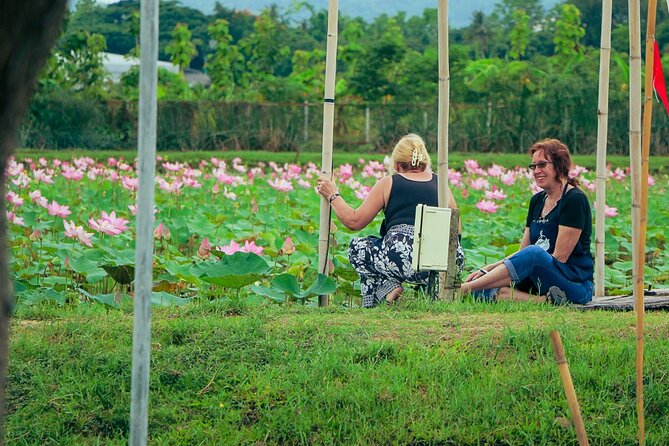
This is the kind of experience that works for different travel styles.
- Families often like it because it’s structured but playful. Animal time and garden harvesting help keep kids engaged without making it feel like a school field trip.
- Couples can enjoy it because you’re doing something shared and active. Then you get to eat what you made while it’s still fresh.
- Solo travelers benefit from the small group format. You’ll still get personal guidance without needing to find your own social energy.
One review mentions a family visit with children aged 8–14, calling the half-day priced fairly and worth it. That lines up with the farm nature of the class and the friendly staff approach.
For couples or friends, it’s also a good rainy-day backup in Chiang Mai terms—except this experience does require good weather, so you’re not guaranteed a go. Still, it’s a far more interesting plan than just grabbing another street-food meal when you want something hands-on.
Practical tips so you leave with skills, not just photos

Here are the things I’d do if you want the most from the day.
Wear farm-friendly clothes. You’ll likely be walking around and handling fresh herbs and garden items. Closed-toe shoes are a safe call.
Arrive a bit early. The meeting point is fixed at Wat Suan Dok, and you’ll start at 8:00 am. Getting there without stress means you can actually enjoy the first garden steps.
Pay attention to herbs and vegetables. One review specifically called out appreciating the time spent explaining what they were using. That’s not just nice teaching. It makes your cooking smarter later.
Ask questions while making curry paste. Curry paste is technique-heavy. If you’re unsure about consistency, flavors, or timing, ask. The goal is to understand what you’re doing, not just what the finished dish should taste like.
Plan your afternoon. Since it’s about 4 hours and ends back at the meeting point, you’ll be free to continue exploring Chiang Mai afterward.
Should you book this Chiang Mai farm cooking class?
If you want a Thai cooking class with more than just a kitchen counter, I think you’ll enjoy A Roi Dee. The combination of organic garden harvesting, animal time, and structured cooking lessons makes it feel like an experience, not a transaction.
Book it if you care about classic dishes like Pad Thai and Tom Yum Kung and you’d like to learn curry paste technique plus mango sticky rice. It’s also a strong choice for families and mixed groups because the pace is friendly and the setting is active.
Skip it only if you’re dealing with strict mobility limits or if you can’t handle outdoor activity in the morning. And remember: good weather is required, so check conditions close to your start time.
If your ideal travel day is part learning, part eating, and part outdoorsy time, this is a very solid way to spend half a day in Chiang Mai.
FAQ
What time does the A Roi Dee cooking experience start?
It starts at 8:00 am and runs for about 4 hours.
Where does the experience meet, and where does it end?
It meets at Wat Suan Dok on Suthep Rd in Chiang Mai, and it ends back at the same meeting point.
Is pickup available?
Pickup is offered, and you can use that option if you prefer not to arrange your own transport.
How many people are in the group?
The class has a maximum of 15 travelers.
Do they offer vegan or vegetarian menus?
Yes, vegan and vegetarian menu options are available.
Can they adjust ingredients for allergies?
Yes. Ingredients can be adjusted to match allergy needs.
What happens if weather is bad?
This experience requires good weather. If it’s canceled due to poor weather, you’ll be offered a different date or a full refund.