REVIEW · CHIANG MAI
Chiang Mai: 2-Day Jungle Trek with Elephant Farm & Raft Ride
Book on GetYourGuide →Operated by Chiang Mai Footsteps Travel · Bookable on GetYourGuide
Two days in Chiang Mai’s jungle feel wild, with bamboo rafting on the calm Mae Wang River and an overnight with the Karen Hill tribe. I like how the hike strings together rice fields, bamboo forest, and jungle water, then finishes with hands-on time at a rescued-elephant sanctuary. The tradeoff: it’s an active trek with uphill sections, so you’ll want decent stamina and grippy shoes.
What makes it especially memorable is how small the group feels (up to 12) and how much the day is guided end to end, not just “walk and hope.” Still, plan ahead: drinking water isn’t included, and nights can get cool enough that you’ll want the right layers.
In This Review
- Key Things That Make This 2-Day Chiang Mai Jungle Adventure Worth It
- What You’re Really Getting for About $97 Per Person
- Getting Out of Chiang Mai Old Town and Into Mae Wang’s Jungle
- Day One: Market Time, Mae Wang Bamboo Rafting, and a Jungle Waterfall Picnic
- Day One Overnight: Karen Hill Tribe Village Dinner, Campfire, and What to Expect at Night
- Day Two: Breakfast in the Village, Trek to the Sanctuary, and Elephant Time
- Elephant Sanctuary Reality Check: What You Can Do (and What You Can’t)
- How Hard Is the Trek, Really?
- Packing Smart: Your “Don’t Regret It” List for Waterfalls and Elephants
- Guide Impact: Why Names Like Witoon, Moon, Toon, and Sammy Matter
- Price and Value: When This Tour Feels Like a Bargain
- Should You Book This Chiang Mai Jungle Trek?
- FAQ
- What is included in the price?
- Where do I meet, and is pickup available?
- How long is the bamboo rafting, and which river is it on?
- What kind of accommodation do you provide for the night?
- Can I feed or bathe the elephants?
- Is elephant riding allowed?
- What should I bring for the waterfall and water activities?
- Is drinking water included?
- What is the cancellation policy?
Key Things That Make This 2-Day Chiang Mai Jungle Adventure Worth It
- Bamboo rafting on the Mae Wang River: quiet float time that balances the hiking
- Overnight with the Karen Hill tribe: real village meals and community-style evening time
- Waterfall swim stop: a cool-down break with a picnic lunch in the jungle
- Rescued elephants in a sanctuary setting: you feed and bathe with respectful, hands-on interaction
- Guides who genuinely shape the mood: people rave about guides like Witoon, Moon, Toon, Sammy, and others for care and clear explanations
What You’re Really Getting for About $97 Per Person
At this price, you’re not just buying one activity. You’re buying a full two-day “eco-adventure package” that stacks a market visit, a guided jungle trek, an overnight with meals, bamboo rafting, and a sanctuary elephant visit—plus pickup and drop-off. If your goal is an honest slice of Northern Thailand beyond temples and night markets, this is one of the most practical ways to do it.
I also like that the tour is built around a mix of settings. Day one moves from everyday local life (the market) into water (rafting and a waterfall swim) and then into forest trails. Day two shifts back into community and animal time. That variety matters because it keeps the trip from feeling like one long grind.
One more practical note: the tour is specifically designed for an active, outdoorsy pace. The same thing that makes it fun—walking, humidity, insects, and uneven ground—is the same reason it’s not a fit for everyone, especially if you have mobility limits, vertigo, heart or respiratory issues, or low fitness.
You can also read our reviews of more tours and experiences in Chiang Mai.


Getting Out of Chiang Mai Old Town and Into Mae Wang’s Jungle
You start in the old town area. Meeting is at Baan Meesuk, and pickup is optional, typically running between 9:00 AM and 9:30 AM. From there, you transfer by van or songthaew, and you’ll have transportation both ways.
This matters more than it sounds. Chiang Mai jungle treks can easily become exhausting logistics if you’re doing it solo. Here, you’re spared the coordination headache. You also get a guide who can keep the group together—useful on trails where the path isn’t obvious, and the pace has to be managed for everyone’s safety.
The group size stays small (up to 12), which tends to make a big difference on treks. You’re not trying to keep up with a crowd while stepping over roots and rocks.
Day One: Market Time, Mae Wang Bamboo Rafting, and a Jungle Waterfall Picnic
Day one starts with a local market visit. You’ll browse stalls with fresh produce and regional snacks, and your guide is there to steer you through what you’re seeing. This is one of the best “warm-up” parts of the day because it’s short, social, and sets the context for what comes next.
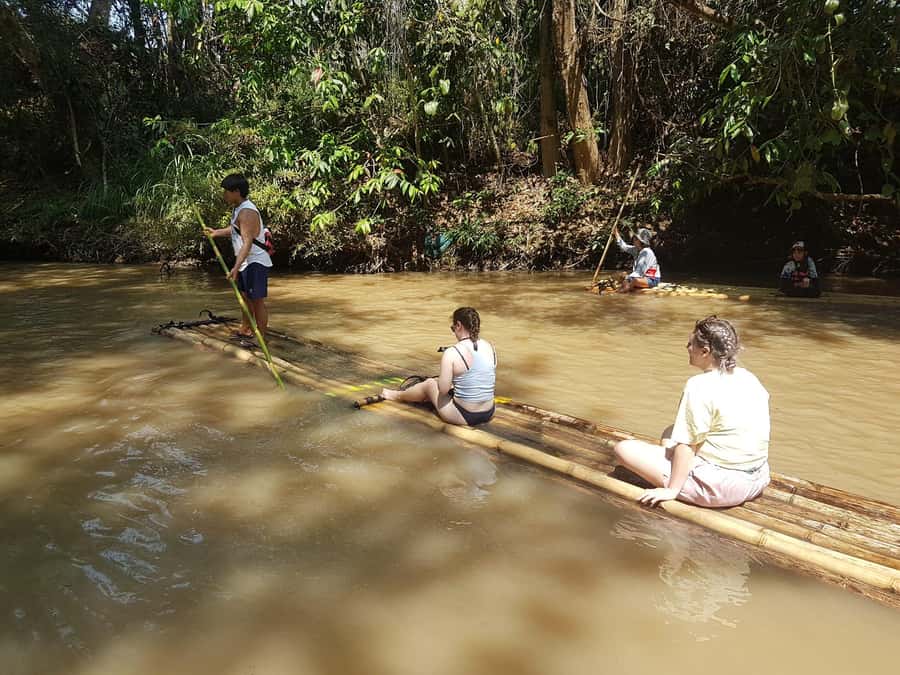
After that, the tour goes straight into river calm with bamboo rafting on the Mae Wang River. The rafting portion is about 40 minutes. This is the moment I’d call the breathing space: you’re moving, but you’re not climbing.
Practical tip: plan to protect your skin. The tour recommends long sleeves and long pants for sun and mosquitoes. You’ll also want to have a towel and change of clothes ready if you’re planning to swim later, because the day includes both sun exposure and water time.
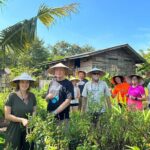
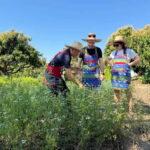
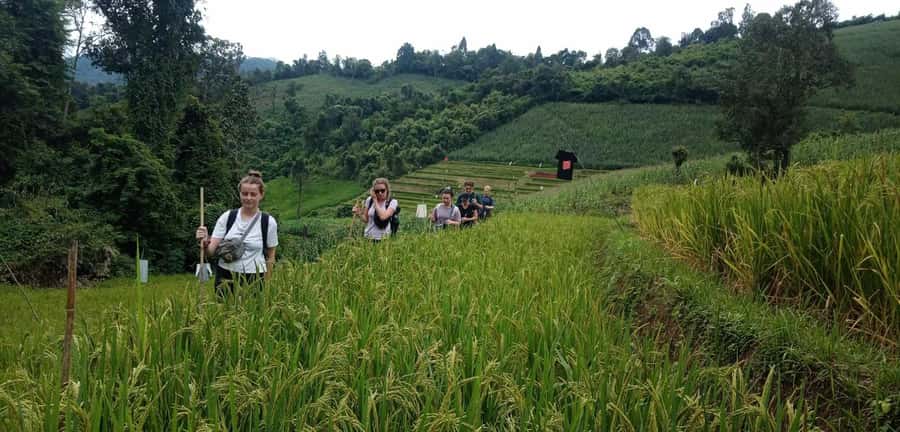
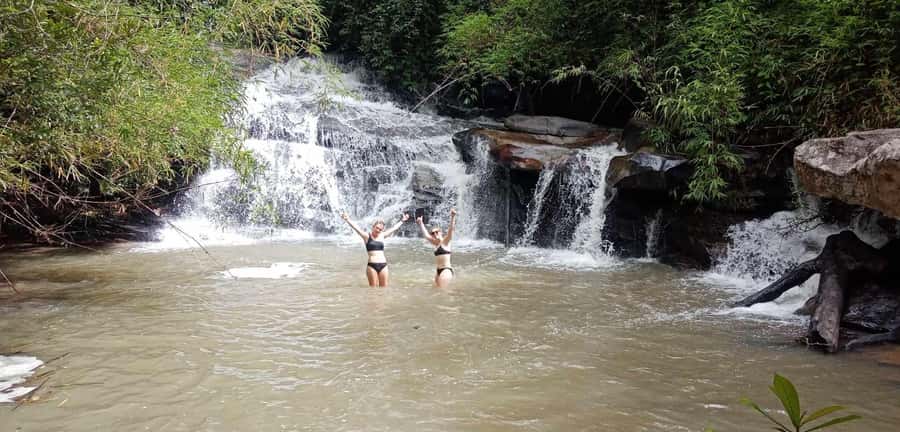
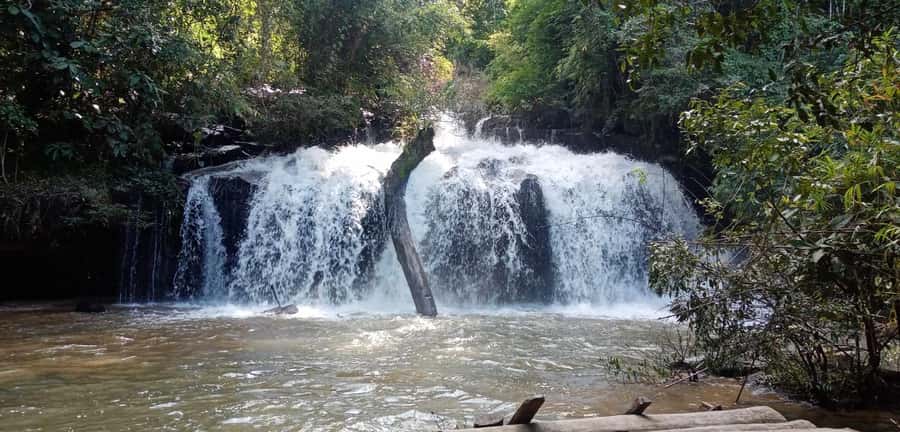
Next comes the trek portion. You hike through a mix of forests and paddy fields toward a jungle waterfall for a picnic lunch. Then you get time to cool off in the water. This is where you start to feel the “real outdoors” side: slippery rocks, humidity, and the need to pace yourself.
This part of the day is also a good reminder about shoes. People consistently emphasize proper hiking footwear. If you show up in flimsy sandals, the waterfall stop can become less fun and more annoying.
Day One Overnight: Karen Hill Tribe Village Dinner, Campfire, and What to Expect at Night
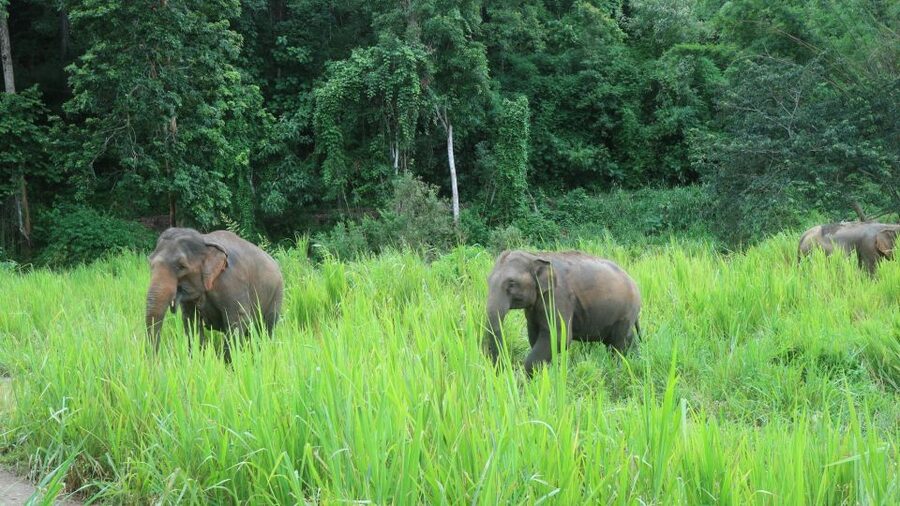
The climb continues after lunch, uphill through bamboo and evergreen forest for roughly two hours, before you arrive at the Karen Hill tribe village for dinner and an overnight stay.
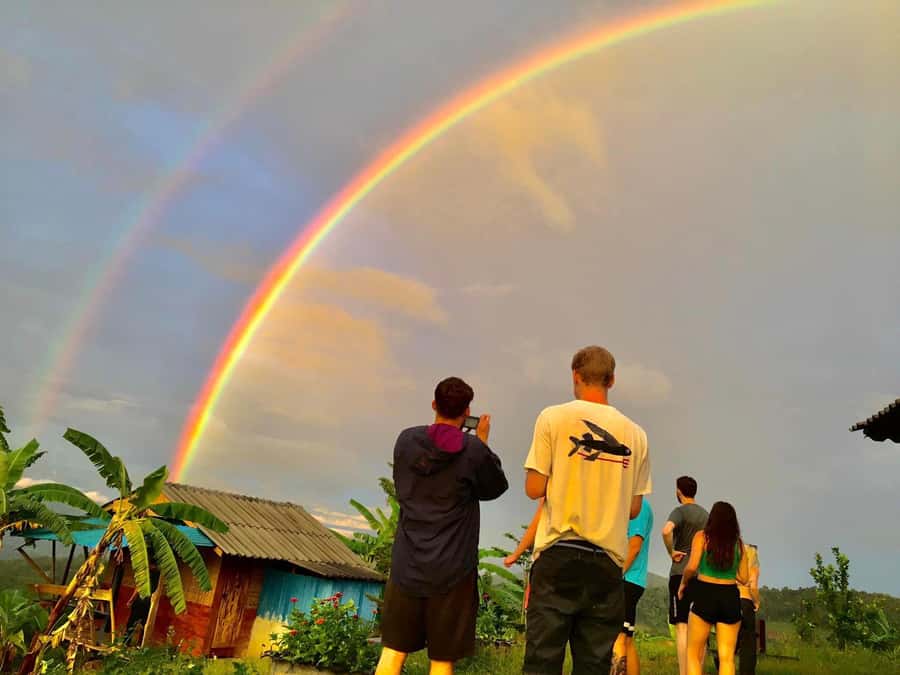
For me, the value of this overnight is that it’s not a quick photo stop. You get time with the community, and dinner is cooked by villagers. Even the evening format—campfire or small party under the stars—turns into part of the memory, not just a place to sleep.
Food is another strong point. Lots of people mention meals that feel homemade and substantial, and you’ll typically get breakfast and two lunches plus dinner across the two days. If you’re a picky eater, it still helps to bring a few simple snacks just in case.
Accommodation is basic, as you’d expect on a village stay, but reviews often describe beds as comfortable and note mosquito nets. One caution: nights can get cold in the mountains. Pack a layer you’ll actually wear after dark, not just a light top you’ll regret.
And if you like the human side of travel, this is where the trip usually clicks. People talk about being welcomed and fed, and you’re not treated like a drive-by tourist.
Day Two: Breakfast in the Village, Trek to the Sanctuary, and Elephant Time
Day two starts with breakfast at the village. It’s a nice reset after the night air, and it gives you fuel for the next hike.
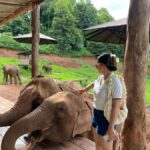
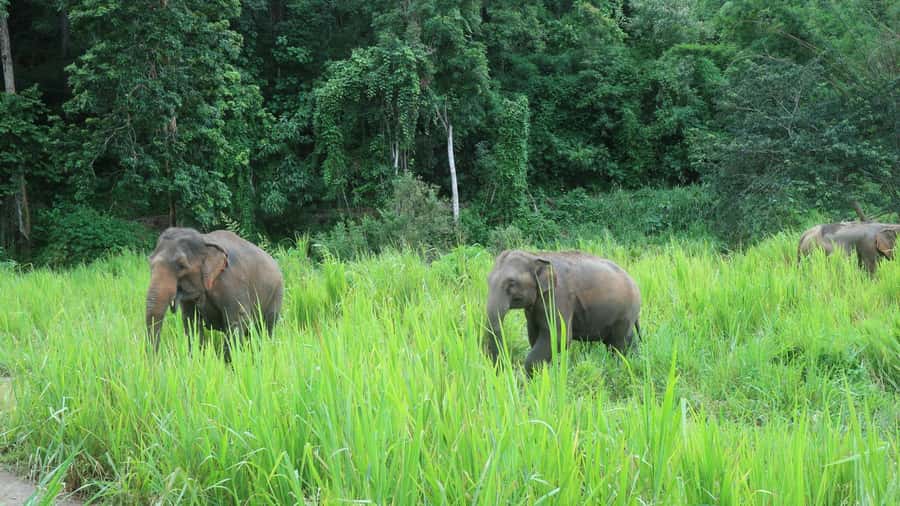
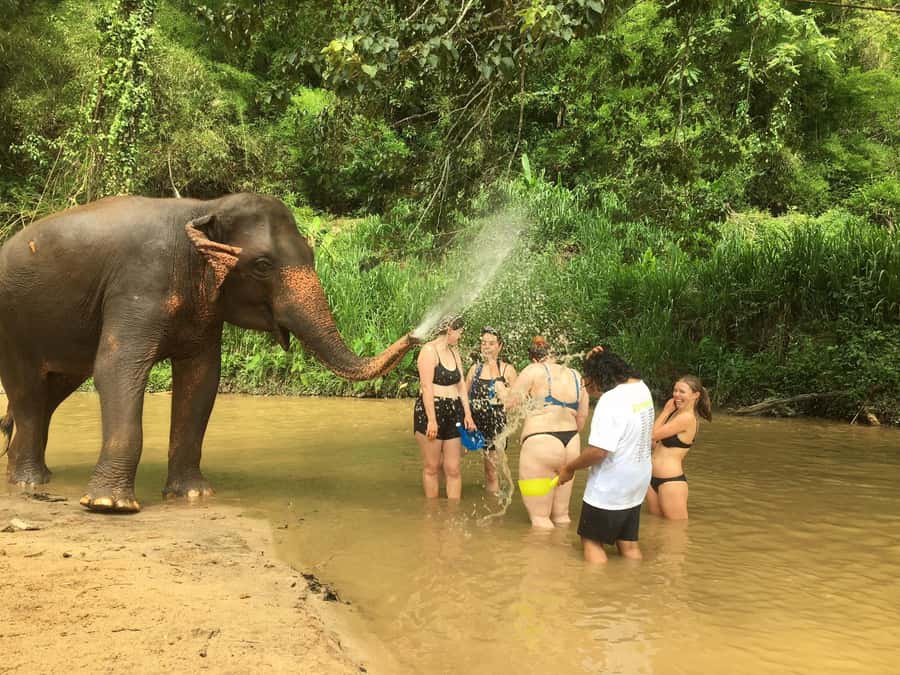
Then you trek toward the elephant sanctuary. The sanctuary visit is a major highlight, and it’s built around rescued elephants. You’ll have time to feed and bathe the elephants and learn in a respectful, safe setting.
Two important ethics-related points, both practical:
- Elephant riding isn’t allowed.
- The experience is framed around interaction (feeding and bathing) rather than turning elephants into entertainment.
Different guides can shape the tone of the day. You’ll meet guides with names like Witoon, Moon, Toon, Sammy, and others, and people consistently mention guides who explain what you’re seeing and take care of the group. That guidance matters here because sanctuary rules and safety boundaries are real, and you don’t want guesswork.
Once you’ve done elephant time, you’ll head back to Chiang Mai. The drive is about an hour, and you typically arrive back around 4:30 PM.

Elephant Sanctuary Reality Check: What You Can Do (and What You Can’t)
The sanctuary portion is where you’ll want to go in with the right expectations.
What you can do:
- Feed the rescued elephants
- Bathe them in the river setting
- Learn about the elephants during the visit
What you can’t do:
- Ride the elephants
- Treat elephants as attractions
This makes the experience more grounded than the flashier animal stops you might see elsewhere. It’s hands-on, but it’s not about performing for a show. Also, the bathing component means you should seriously plan your clothes. Bring something you don’t mind getting wet and dirty, and pack dry socks if you have them.
If you’re worried about ethics, it helps to focus on behavior: pay attention to how the staff directs you, whether safety comes first, and whether the elephants seem cared for. This tour’s format is designed around respectful interaction, not riding or fireworks.
How Hard Is the Trek, Really?
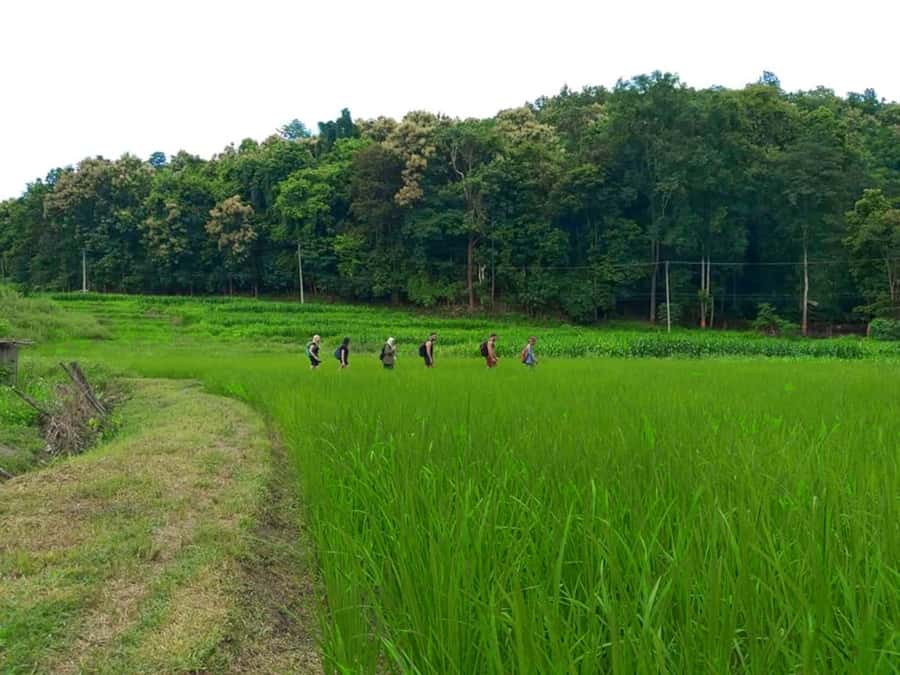
This is an active two-day trek. Some days feel manageable; other stretches feel like you’re working for the scenery.
You should expect uphill effort on day one (the village hike includes steep sections), and a second day that still involves walking—often with a downhill feel, but you’ll still be on uneven ground. Reviews mention uphill intensity around 8 km for some groups and significant elevation gain for certain days, depending on weather and route conditions.
Heat can also change everything. On warm days, people call out challenging uphill sections that are manageable with a slow pace. On rainy days, the experience can shift (like changes to rafting), but the trek still demands attention.
What helps:
- Hiking shoes with grip
- Walking at a steady pace instead of racing
- Water and sun protection (the tour doesn’t include drinking water)
- Long pants and insect repellent
This isn’t suitable if you have limited mobility or conditions affected by exertion. If you have vertigo, heart or respiratory problems, epilepsy, or you struggle with stairs and slopes, you should skip it.
Packing Smart: Your “Don’t Regret It” List for Waterfalls and Elephants
The tour gives a packing list, and I’d treat it as minimum viable gear. Don’t plan to improvise.
Bring:
- Hiking shoes (not optional if you want a smooth experience)
- Swimwear, plus a towel
- Change of clothes for after rafting/bathing
- Long pants and long sleeves for sun and mosquitoes
- Insect repellent
- Sunscreen and sunglasses
- Hat and a daypack
- Rain gear and a jacket
- Flip-flops (useful for downtime after wet activities)
- Toiletries and clothes that can get dirty
In practice, one of the most common “hidden problems” is not the walking—it’s the water + sun combo. If you show up without something to dry off with, you’ll feel tired faster than you expect.
Guide Impact: Why Names Like Witoon, Moon, Toon, and Sammy Matter
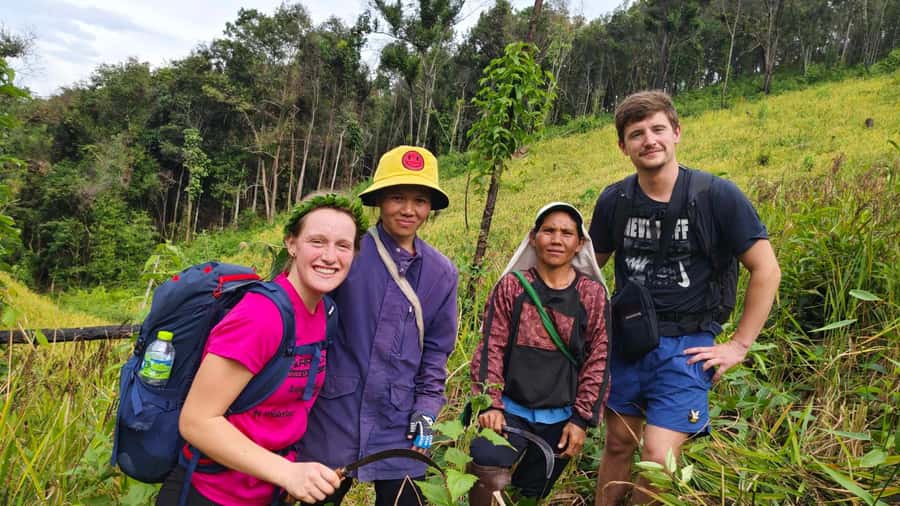
In a trek like this, the guide isn’t a bonus. The guide is part of the safety system and part of the story.
People repeatedly mention guides such as Witoon, Moon, Toon, Sammy, and others for:
- keeping the group together
- explaining culture and nature in a way that feels useful, not like a lecture
- helping if someone gets injured
- sharing photos after the tour (WhatsApp is mentioned)
- spotting interesting things in the forest (one guide even pointed out a tarantula in its nest, and another mentioned tarantula BBQ)
That last bit might sound like a joke, but it’s actually a real lesson: guides who know the area help you notice what you’d otherwise miss—plants, animals, and small signs of jungle life.
If you care about learning while walking, this tour is stronger than the ones that feel like a checklist.
Price and Value: When This Tour Feels Like a Bargain
For about $97 per person, the tour bundles:
- pickup and drop-off
- a guide for the full two days
- market visit
- rafting on Mae Wang River
- jungle trek including a waterfall swim stop
- Karen village overnight with meals
- sanctuary elephant visit with feeding and bathing
- all meals listed across the two days (two lunches, one dinner, one breakfast)
Value comes down to your travel style. If you want a relaxed “see the highlights” itinerary, you might feel the pace. If you want a hands-on, outdoors-forward trip with people-based experiences, this is hard to beat at the price.
The biggest “cost” is effort, not money. The second biggest cost is what you might spend on extras like bottled water (not included) and any personal items you didn’t pack.
Should You Book This Chiang Mai Jungle Trek?
Book it if you want:
- an active two-day trek with real nature time
- an overnight village experience (Karen Hill tribe dinner and shared evening time)
- elephant sanctuary interaction that focuses on feeding and bathing
- bamboo rafting for a calmer rhythm on day one
- a small group guided experience out of the city
Skip it if:
- slopes and long walks are a struggle for you
- you need wheelchair access or have mobility limitations
- you have health issues listed as not suitable (pregnancy, heart problems, respiratory issues, epilepsy, vertigo)
- you don’t want to handle heat, insects, and a basic overnight setup
If you’re choosing between “another Chiang Mai tour” and an outdoor adventure that actually changes your day-to-day pace, this one makes the decision easy. The mix of river time, waterfall water, village life, and elephant sanctuary moments is the kind of combo you remember long after you’re back in the city.
FAQ
What is included in the price?
Your tour includes hotel pickup and drop-off, round-trip transportation (songthaew or van), a guide, a market visit, the jungle trek, all meals (two lunches, one dinner, and one breakfast), basic one-night accommodation, an elephant sanctuary visit, and bamboo rafting.
Where do I meet, and is pickup available?
The meeting point is Baan Meesuk in Chiang Mai’s old town. Pickup is optional, and it runs between 9:00 AM and 9:30 AM if you choose it.
How long is the bamboo rafting, and which river is it on?
Bamboo rafting is about 40 minutes, on the Mae Wang River.
What kind of accommodation do you provide for the night?
You get basic one-night accommodation at the Karen Hill tribe village area. Meals are included for the overnight experience, including dinner and breakfast the next day.
Can I feed or bathe the elephants?
Yes. At the ethical elephant sanctuary, you can feed and bathe the rescued elephants, and you’ll learn about them in a safe, respectful environment.
Is elephant riding allowed?
No. Riding the animals is not allowed on this tour.
What should I bring for the waterfall and water activities?
Bring swimwear, a towel, change of clothes, hiking shoes, long pants, and long sleeves. It’s also smart to pack rain gear and insect repellent.
Is drinking water included?
No. Drinking water is not included.
What is the cancellation policy?
You can cancel up to 24 hours in advance for a full refund.