REVIEW · ZANZIBAR
Private Tour Zanzibar Unique Stone Town with spice Farm Plantations
Book on Viator →Operated by My Unique Zanzibar · Bookable on Viator
Stone Town plus spices makes one great afternoon. This private outing pairs an on-foot UNESCO Stone Town walk with a hands-on spice tasting session at a local plantation, so you understand how Zanzibar grew rich from trade and grew famous for flavor. With guides like Masoud (and also Hanoud in some groups), the day feels friendly and well paced, with stops that include the Slave Market Exhibition Museum, the Portuguese fortress, and the House of Wonder.
One thing to plan for: no hotel pickup is included, and the tour ends back at the meeting point. If you’re staying far from Mkunazini Street, factor in transport time, and keep your day flexible because the experience requires good weather.
In This Review
- Key highlights to look for
- Stone Town and spice farm in one 5-hour rhythm
- Finding the guide: meeting at Slave Market Exhibition Museum
- Mji Mkongwe on foot: narrow lanes, slave trade site, and landmark buildings
- Coffee, ginger tea, and shopping stops that feel local
- Spice farm plantation: cardamom, cinnamon, cloves, vanilla, and real plant scents
- Coconut tree climber show plus the spice table gift stop
- What the guides bring: friendly, calm, and flexible hosting
- Is $61 good value? What’s included (and what you pay for)
- Who this private tour fits best
- Should you book this tour or choose something else?
- FAQ
- How long is the tour?
- Is this tour private?
- What’s included in the price?
- What isn’t included?
- Where do we meet?
- Is there an option to buy something at the end?
- What will we see at Stone Town?
- What spices will we experience at the farm?
- What happens if weather is bad?
Key highlights to look for
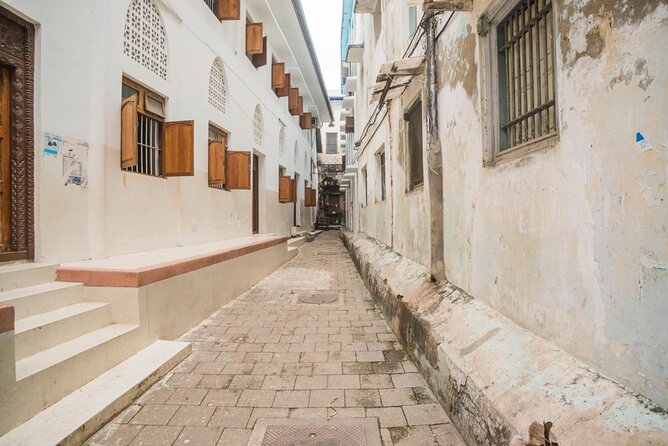
- UNESCO Stone Town on foot through Mji Mkongwe’s narrow lanes and old trading-era corners
- Slave Market Exhibition Museum visit tied to the main slave trade of East Africa
- Spice farm plantation walk and tasting with cardamom, cinnamon, cloves, vanilla, nutmeg, ginger, turmeric, coffee, and more
- Coconut tree climber show where performers sing local songs while picking coconuts high up
- Spice table shopping stop for processed spices and take-home gifts
Stone Town and spice farm in one 5-hour rhythm
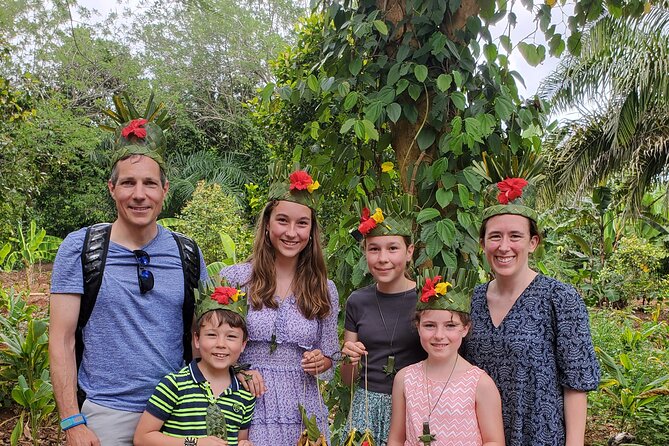
This tour works because it does two Zanzibar stories in one go. First you walk Stone Town, where Swahili and Islamic influence shaped the architecture, alley life, and trading culture. Then you shift to the spice farm, where plants like cinnamon, cloves, nutmeg, ginger, turmeric, and vanilla connect directly to Zanzibar’s trade role.
The pacing is smart for a short visit. You’ll spend about 2–3 hours in Stone Town, then around 2 hours at the plantation, plus the coconut show and the final spice table stop. For many people, that’s enough time to feel like you got the core ideas without turning the day into a sprint.
I also like that it’s private. Your group stays together, you can ask questions, and you can move at the guide’s pace through tight streets where group tours can feel rushed.
You can also read our reviews of more tours and experiences in Zanzibar.
Finding the guide: meeting at Slave Market Exhibition Museum
You meet at the Slave Market Exhibition Museum on Mkunazini Street, Zanzibar. The start point is tied to Gos tour in #zanzibar, so look for the guide at the museum meeting area rather than wandering around trying to spot them from far away.
The tour is near public transportation, so if you’re not using a taxi, you still have workable options to get there. And because pickup and drop-off from your hotel are not included, it helps to already know how you’ll reach the meeting point and how you’ll get back after the tour ends.
Also note the practical side: since the walking portion is real (narrow streets and sights in a compact area), comfy shoes matter. If you’re sensitive to heat, plan water and slow down when you need to.
Mji Mkongwe on foot: narrow lanes, slave trade site, and landmark buildings
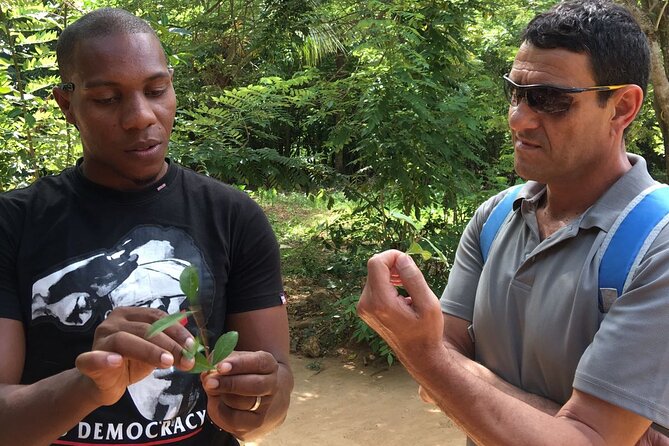
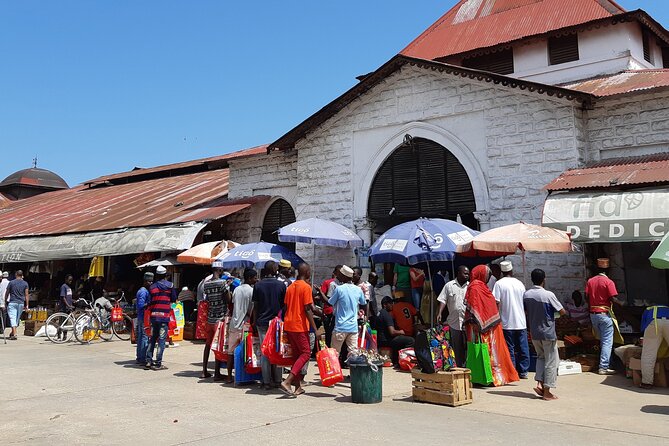
Your Stone Town segment is a guided walk through Mji Mkongwe, which means Ancient Town, and it carries UNESCO World Heritage status. This isn’t a checklist tour that rushes past doors and corners. It’s built around interpretation: why things look the way they do, how trade shaped daily life, and what power and cruelty looked like in the port city.
Expect stops that include:
- the main slave market of East Africa, visited through the Slave Market Exhibition Museum
- a Portuguese fortress view
- the House of Wonder landmark
- historic buildings and local museums along the way
- narrow streets lined with antique shops and distinctive handmade Arabic and Indian style doors
- a local bazaar area where everyday life is easier to notice
What makes these stops valuable is the way they tie together. You don’t just see a landmark; you see how Stone Town functioned as a trade hub, and how that history still shapes what you notice on the street today. The door styles alone are worth the time, because they show craft and cultural mixing in a way that’s hard to catch from a quick taxi ride.
If you like street-level travel, this is a good choice. You’ll spend time moving through the tight lanes rather than circling big monuments only.
Coffee, ginger tea, and shopping stops that feel local
Stone Town isn’t only architecture and museum stops. This day includes time for a local break—either local coffee or ginger tea—so you can reset during the walk. It’s a small detail, but it helps you enjoy the sights instead of just powering through them.
You’ll also get time for shopping. That can mean browsing antique-style shops, checking out what’s on offer at the local bazaar areas, and taking your time with souvenirs that feel connected to the place rather than mass-produced.
A practical tip: shopping in Stone Town can be best when you slow down. Ask what something is made from and what it’s used for. If you plan to buy spice-related gifts later, keep an eye on labels so you don’t end up with duplicates.
Spice farm plantation: cardamom, cinnamon, cloves, vanilla, and real plant scents
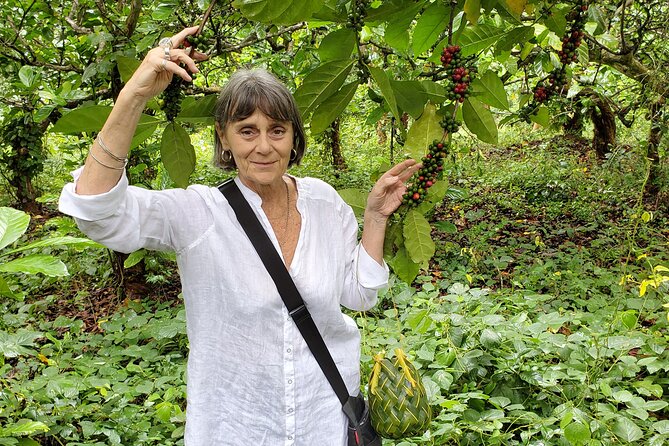
After Stone Town, you head to a local spice farm for about 2 hours. This is the hands-on part of the day, where the tour shifts from looking at history to smelling and understanding the raw ingredients behind Zanzibar’s famous reputation.
On the farm, you’ll encounter spices and plants such as:
- cardamom
- cinnamon
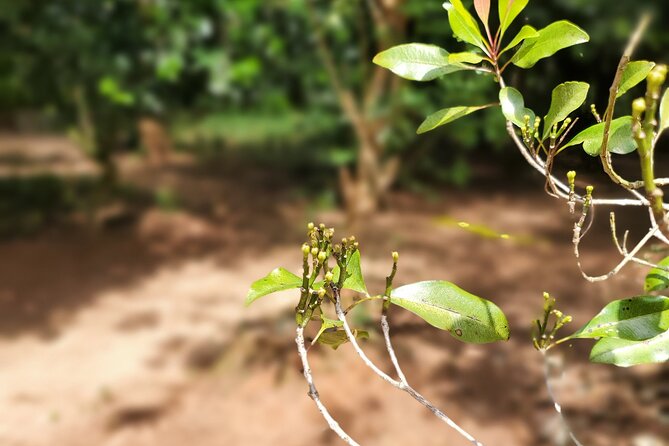
- cloves
- vanilla
- nutmeg
- ginger
- turmeric
- coffee
- and more
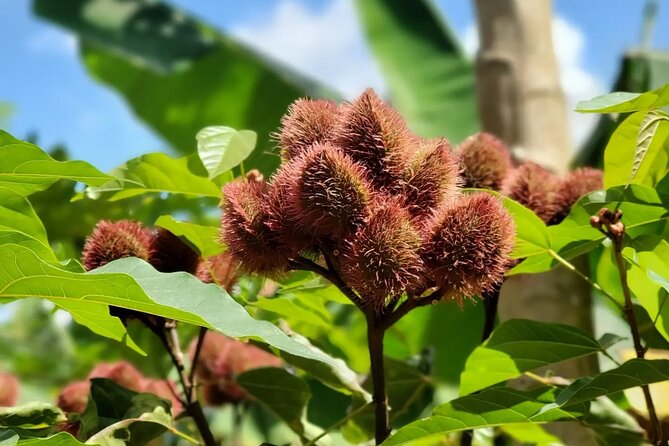
What you should expect is not just a list of names. The value here is in training your senses. You get to see the plants, learn how they’re used, and sample what you’re being shown. If you’ve ever found spice tours confusing, this one tends to feel clearer because the guide can point to the plant in front of you and connect it to what ends up in your cup or on your kitchen shelf.
This is also where the guide’s communication style matters. Many past guests highlighted friendly, relaxed hosting and a calm feel that made questions easy to ask—especially helpful if you’re traveling as a couple, with older family members, or just want a low-stress day.

Coconut tree climber show plus the spice table gift stop
The tour ends with show and shopping elements that keep the day from feeling like only walking and listening.
First comes the coconut tree climber show. A performer climbs high in the coconut tree and sings local songs while picking coconuts. It’s dramatic, and it’s also a reminder that Zanzibar’s spice story isn’t only about packaged bottles—it’s about how people harvest what grows here.
Then you finish at a spice table where you can see processed spices and buy gifts. This is a practical final stop because it’s built for take-home items. If you want peppery blends, powdered spices, or gift-sized packs, this is the moment to look closely and choose what you’ll actually use.
What the guides bring: friendly, calm, and flexible hosting
A big reason this tour earns strong marks is the guide style. Guides such as Masoud are repeatedly described as friendly, humorous, and very good at explaining both Stone Town and spice farming in a way that feels easy to follow.
From the way the guides are described, you can expect:
- strong English for clear explanations
- a relaxed pace that keeps the day fun
- extra care for older travelers when needed
- comfort and safety during the walk through busier areas
Also, guides here seem comfortable adjusting to the day. If your group wants extra time for photos, shopping, or a slower pace through the streets, that flexibility can be the difference between a tour that feels like a rush and one that feels like you’re traveling with a knowledgeable friend.
Is $61 good value? What’s included (and what you pay for)
At $61 per person for a roughly 5-hour private tour, the value depends on what you compare it to. The strongest part of the price is what’s bundled in.
Your fee includes:
- an experienced professional tour guide
- bottled water during the tour
- all entrance fees
- all taxes and service fees
- tips and gratitude
That matters because Stone Town sights can add up quickly once you factor in museum entries and guided access. By including those items, the day stays predictable.
What’s not included is equally important:
- pickup and drop-off from your hotel
- medical insurance (if you need it)
- personal expenses of a personal nature
So the real cost equation is simple: transportation to and from the meeting point plus any personal spending. If you’re already comfortable meeting at the museum and arranging your own return, $61 is a fair deal for a private, guided, entry-fee-included day.
One more practical note: the experience requires good weather. If weather turns, the operator will offer a different date or a full refund, so keep your travel schedule flexible if possible.
Who this private tour fits best
This tour is a strong match if you want a clear introduction to Zanzibar without hopping between too many separate activities.
You’ll especially like it if:
- you’re short on time but want both Stone Town and the spice story
- you enjoy walking through old streets and noticing architecture details like handmade doors
- you want a guided explanation of major historical sites rather than only photos
- you prefer private hosting with room to ask questions and move at your pace
It may be less ideal if you hate walking, don’t want to travel to the meeting point without pickup, or you’re traveling during unstable weather windows. Also, because the day ends back at the start location, you’ll need an easy plan for getting home.
Should you book this tour or choose something else?
I’d book it if you want one of the cleanest “best of Zanzibar” combinations: UNESCO-listed Stone Town sights plus a spice farm that actually teaches your senses. The private guide factor and the built-in entrance fees make it feel like you’re buying a full experience, not patching together attractions one by one.
Skip or consider alternatives if your biggest priority is beach time, if you need hotel pickup for mobility reasons, or if you’re planning to arrive late and can’t reach the museum meeting point comfortably. In those cases, you’ll spend more energy on logistics than on the real payoff.
If you’re even halfway curious about how Zanzibar’s trading past connects to its spices today, this one-day mix is a smart way to start.
FAQ
How long is the tour?
The tour lasts about 5 hours.
Is this tour private?
Yes. It’s a private tour, so only your group participates.
What’s included in the price?
It includes an experienced professional tour guide, bottled water, all entrance fees, all taxes, service fees, and tips/gratitude.
What isn’t included?
Pickup and drop-off from your hotel is not included, and medical insurance and personal expenses are also not included.
Where do we meet?
You meet at the Slave Market Exhibition Museum on Mkunazini Street, Zanzibar. The start ties in with Gos tour in #zanzibar, so meet at the museum area with the guide.
Is there an option to buy something at the end?
Yes. There’s a final stop at a spice table where you can see processed spices and buy gifts.
What will we see at Stone Town?
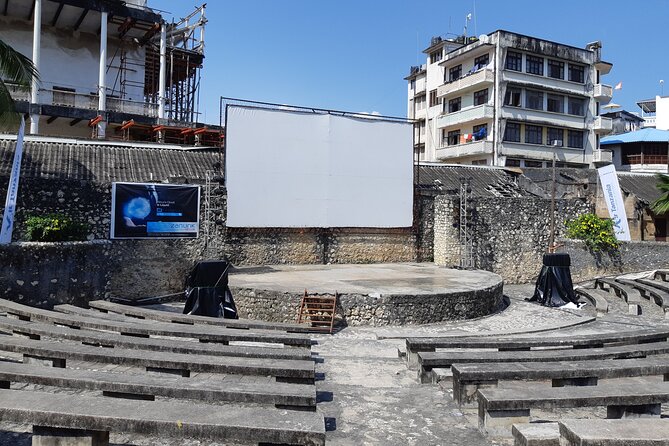
You’ll walk through Mji Mkongwe and see landmarks and sites that include the Slave Market Exhibition Museum, a Portuguese fortress, the House of Wonder, plus historic buildings, museums, antique shops, and a local bazaar.
What spices will we experience at the farm?
You’ll experience spices and plants such as cardamom, cinnamon, cloves, vanilla, nutmeg, ginger, turmeric, coffee, and more.
What happens if weather is bad?
The experience requires good weather. If it’s canceled due to poor weather, you’ll be offered a different date or a full refund.