REVIEW · ZANZIBAR
Zanzibar: Walking Spice Farm with Local Cooking Class
Book on GetYourGuide →Operated by Riser Tours and Safaris Zanzibar limited · Bookable on GetYourGuide
Spices have a way of stealing the show. This Zanzibar spice farm walk and local cooking lesson pairs a guided shamba stroll with hands-on food learning, built around real ingredients like clove, nutmeg, cinnamon, and turmeric. I love the chance to smell and taste spices and tropical fruits, and I also love how the cooking focuses on Swahili flavors, not tourist shortcuts. One drawback to plan for: it can feel more like a demonstration than a strict, everyone-cooks-everything class, and the meal setup may be closer to buffet-style than a formal 4-course service.
What makes it extra easy to enjoy is the full loop: pickup, the Tangawizi farm visit, then the cooking session back at the hut, finished with a spice stall stop. I like that the guide runs a live tour in English, German, and French, and that the route can be adjusted when walking is tricky. Still, it’s a walking spice tour for about 5–6 hours, so you’ll want comfy shoes and a realistic pace.
In This Review
- Key things to know before you go
- Tangawizi Spice Farm Walk: the day starts with smell, not speeches
- The spice tasting is the main event (clove, cinnamon, nutmeg, and more)
- The cooking session: demonstration style, but the food is the payoff
- Walking through the plants: learning that sticks
- Timing and logistics: 6 hours that actually fill up
- Price details: tips and what you might need cash for
- Who should book this spice farm + cooking tour?
- Should you book this tour?
- FAQ
- How long is the Zanzibar walking spice farm and local cooking class?
- Where are the pickup and drop-off locations?
- What is included in the price?
- What languages does the live guide speak?
- Is there cancellation with a refund?
- Do I need cash during the tour?
Key things to know before you go
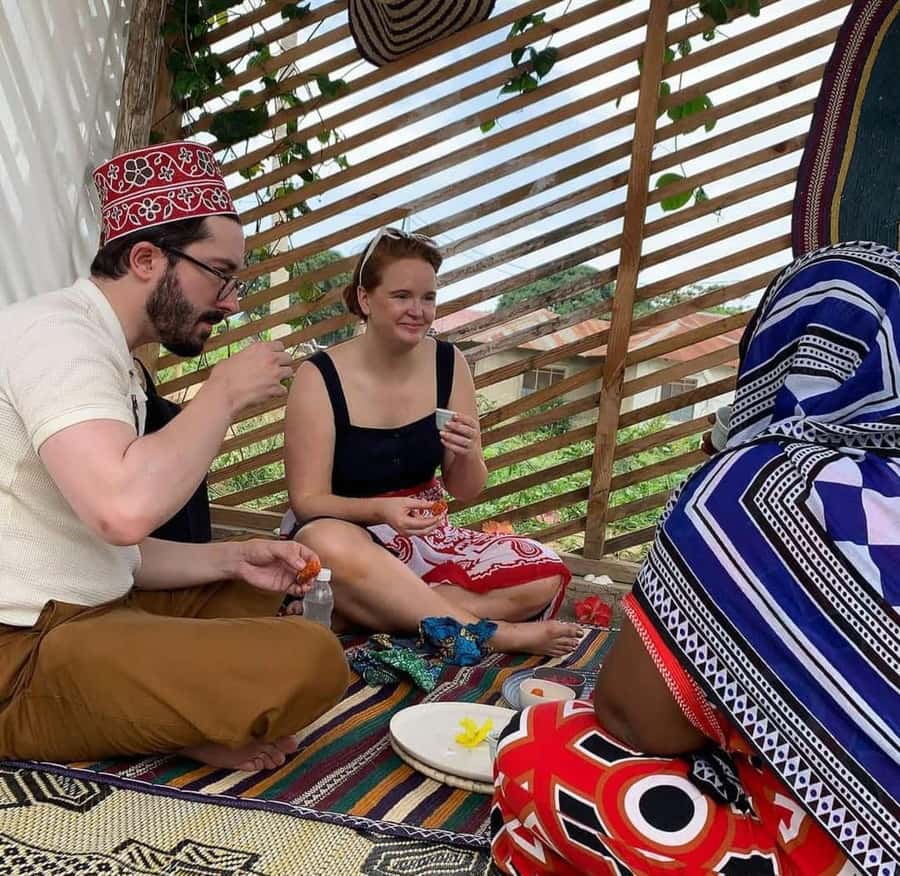
- Tangawizi Spice Farm walk (shamba style): you see plants as they grow and get guided tasting of herbs, spices, and fruit.
- Smell-and-taste lessons: you’ll go through favorites like clove, lemongrass, nutmeg, cinnamon, turmeric, vanilla, chili, and black pepper.
- Open-air cooking hut setup: cooking happens at a simple fire setup with a practical, no-frills kitchen feel.
- Meal expectations: you’ll end up eating multiple dishes plus fruit dessert-style, even if it’s not run like a strict class.
- Spice stall at the end: packaged spice sales are cash-only.
- Pickup + lunch included: your day is built as a full 6-hour experience with food waiting at the finish.
Tangawizi Spice Farm Walk: the day starts with smell, not speeches
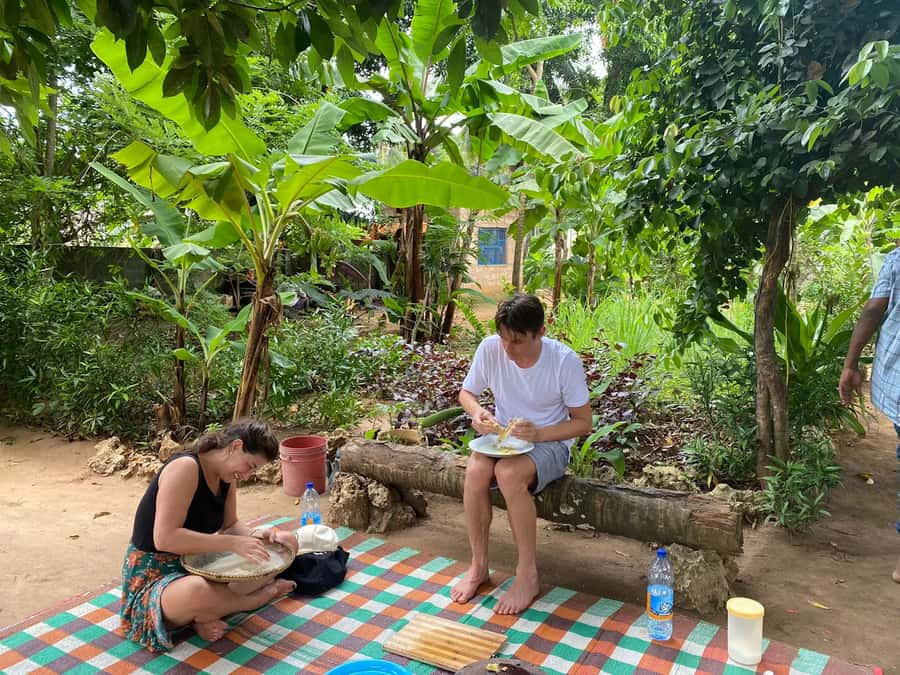
This is one of those Zanzibar tours where the first wow moment is sensory. You’re not just looking at plants behind a fence. You’re walking through a real spice setting and learning what you actually smell—then tasting what you hear about. That makes it feel useful right away, especially if you cook at home and want spices that taste like the real thing.
The tour is built around Tangawizi Spice Farm, and the whole experience runs about 6 hours (often described as 5–6 hours). You get pickup from multiple areas—Stone Town, Zanzibar (Unguja), and Unguja North Region—and the schedule is designed so you’re not timing buses or hunting taxis between stops. Since the price includes hotels pickup and drop-off and lunch, you can keep your day simple.
One practical point: even if the pace is guided, it is still a walking shamba experience. Zanzibar sun can be strong, and spice farms aren’t flat, paved sidewalks. Plan for some time on uneven ground and bring water and sunscreen.
You can also read our reviews of more tours and experiences in Zanzibar.

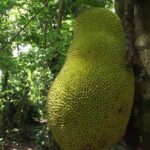

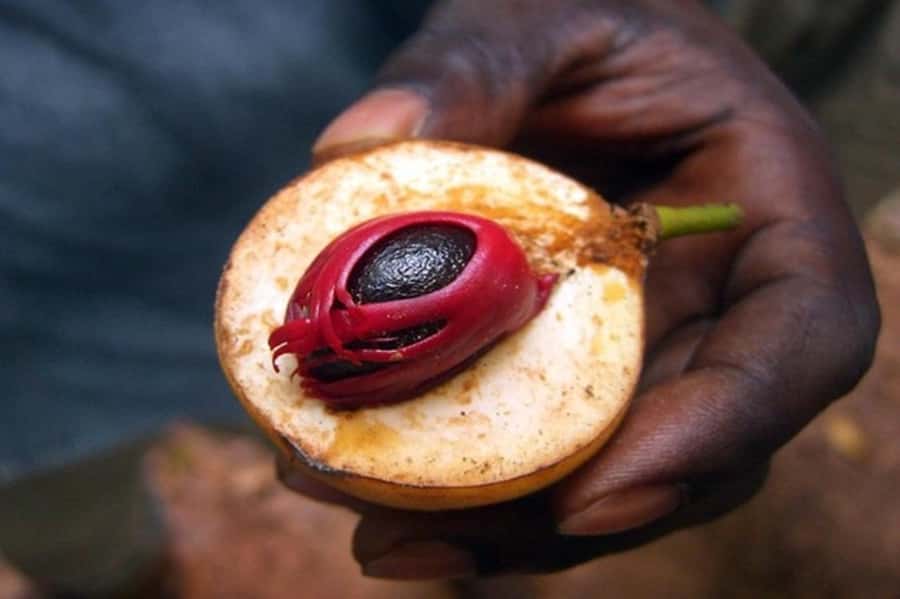
The spice tasting is the main event (clove, cinnamon, nutmeg, and more)
If you’re curious why Zanzibar got famous for spices, this tour hands you the answer in your own hands and nose. You’ll be smelling and tasting a wide set of plants and flavor building blocks, including clove, lemongrass, nutmeg, cinnamon, turmeric, vanilla, coconut, papaya, chili, black pepper, jackfruit, cardamom, cassava, and oranges.
Here’s why that matters for you: spices can be hard to imagine from a label. On the farm, you see the plant where it grows and you compare smells in context. That helps you tell the difference between, say, cinnamon bark and other warm spices, or clove’s sharp, familiar punch. You also learn the way tropical ingredients show up in cooking, not as decorations but as flavor.
You’ll also get guided fruit tasting—tropical fruit isn’t just a snack here. It’s part of the ingredient story, tied to how Swahili food uses what grows locally.
Guides often test knowledge through smell. One nice detail from real participant feedback: the guide used a call-and-response style approach, checking what people could identify from scent. That keeps it from turning into a lecture, and it gives you a quick confidence boost if you’re the type who forgets facts as soon as you sit down.
The cooking session: demonstration style, but the food is the payoff
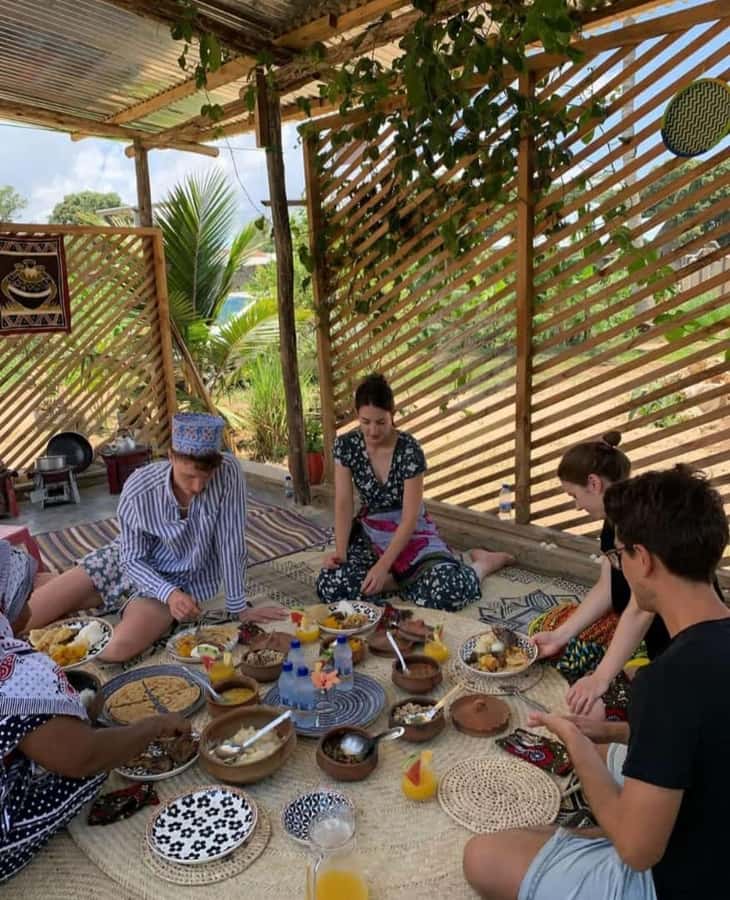
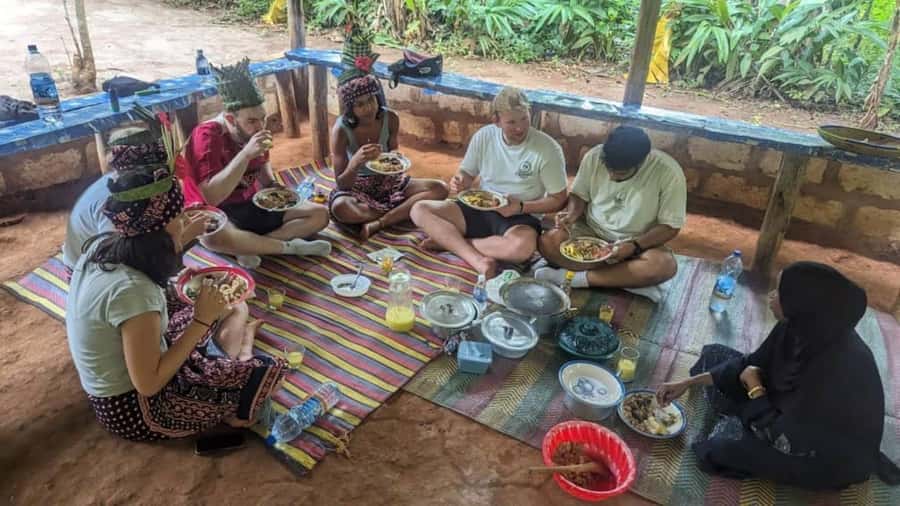
Expect a cooking experience in a small, practical setup. The cooking area is open-air and simple—think corrugated metal on several sides, open above, roofed with coconut frond material. There’s typically one wood fire plus charcoal burners, and the whole operation runs with efficient teamwork.
Now, about the cooking itself: descriptions and actual experiences can differ. Some people found it more like a demonstration than a full interactive class where everyone is cooking hands-on all the time. Others still felt it was engaging and hands-on in the sense that you learn processes and see steps closely, and you might cook in a more limited way depending on group size and the day’s flow.
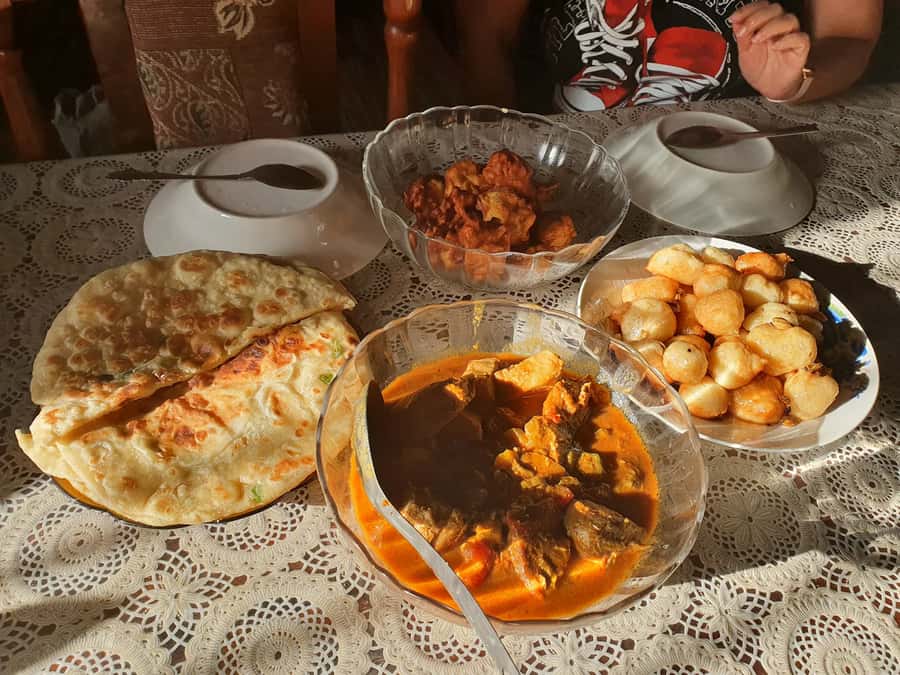
Either way, you do end up eating. Real meals described include:
- Pilau rice seasoned with multiple spices
- A sauce built from tomato, onion, and other ingredients (with spinach mentioned)
- Fish marinated in lime and salt, then fried
- Plantain used alongside the meal
What I like about this structure is that it teaches flavor logic. Even if you don’t take over the cooking station, you’re not stuck watching from the back row. You see how coconut milk gets prepared (the coconut meat gets scraped and then squeezed for milk used in dishes), and you understand why Swahili cooking tastes layered instead of heavy or bland.
And then there’s the dessert-style ending. Some descriptions frame it as a dessert course after the four-course meal expectation, while other experiences describe buffet plus fruit later. Either way, you’re leaving with your stomach full and a clearer sense of what the spices actually do in food.
Walking through the plants: learning that sticks
The farm walk part isn’t random strolling. You’re there with a guide who points out plants and explains how they’re cultivated and used. The best learning happens when you connect three things:
1) what the plant looks like,
2) what it smells like,
3) how it shows up in the food you just watched (or helped prepare).
One standout detail from participant feedback: you can see how people work with plants and tools that are basic but effective. That makes the experience feel grounded. It’s not a fancy cooking show; it’s farm-to-kitchen knowledge in a low-cost, practical format.
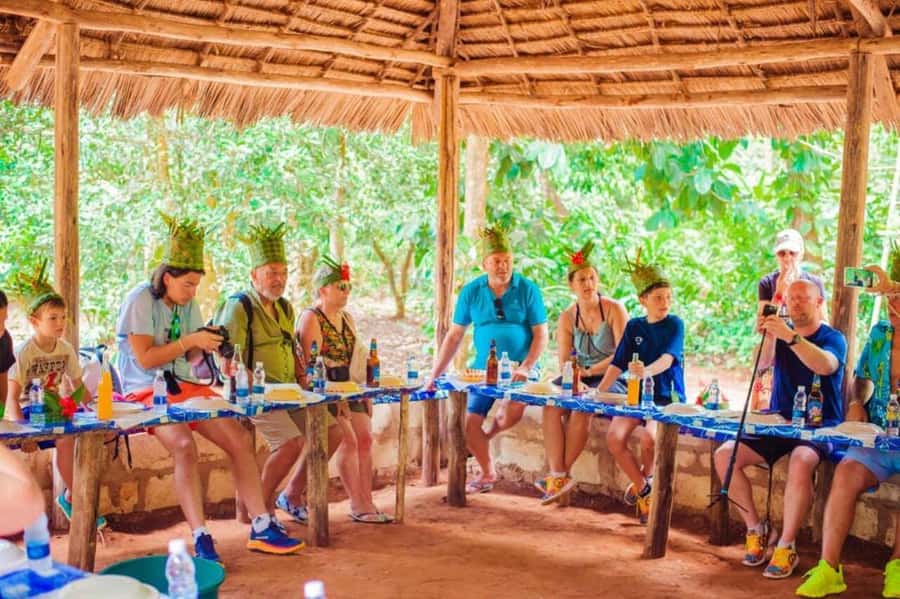
You might also see extra moments that aren’t strictly “spice education,” like storytelling and craft. For example, one person noted a man climbing a coconut tree while singing, and another person saw craft items like crowns and ties made by someone walking with the group. Those moments add character and remind you this is a community activity, not a sealed-off attraction.
If you’re worried about walking fatigue, it’s worth noting that at least one participant with a disability reported the guide was mindful and chose safer walking paths. That’s a good sign, but it still remains a walking tour on uneven ground, so don’t treat it like a fully seated activity.
Timing and logistics: 6 hours that actually fill up
The tour is priced at $50 per person and runs about 6 hours. For Zanzibar, that’s fairly reasonable for a day that includes both the shamba visit and a meal. Where the value comes from is the combination: you’re getting ingredient education plus cooking plus lunch, not just one of the three.
It also helps that the provider handles pickup and drop-off from key areas, including Stone Town. That removes the biggest Zanzibar stress factor: time lost negotiating rides between multiple stops.
A small operational detail that you’ll care about on the day: you’re asked to wait in the hotel reception about 10 minutes before pickup. That’s not complicated, but it means you should plan to be ready on time and not wander off to the beach.
Language support is also a plus. The live guide can work in English, German, and French. If you don’t speak Swahili, this matters because it keeps the flavor education clear and specific rather than vague.

Price details: tips and what you might need cash for
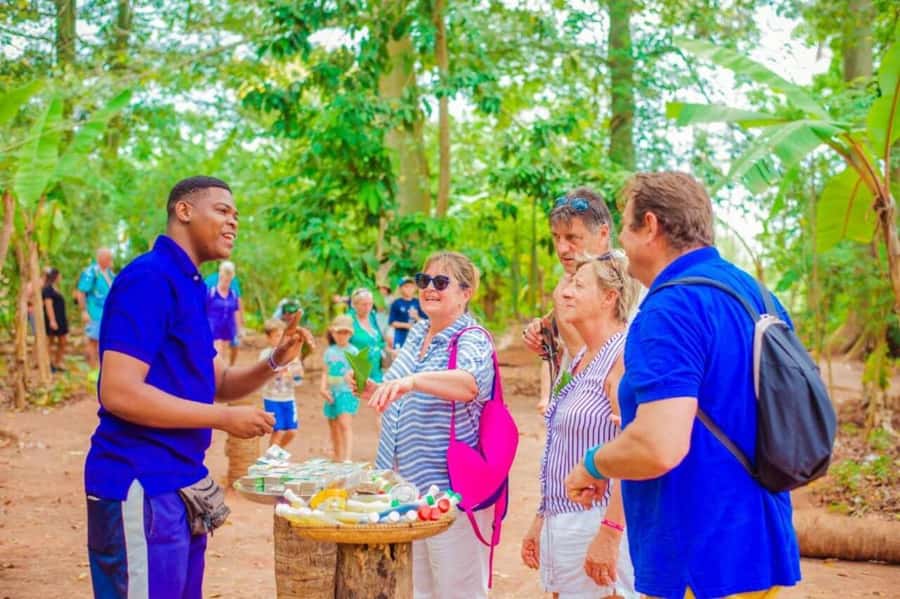
The price includes hotels pickup and drop-off and lunch, which is a straightforward value bundle. It also includes tips for farm workers, so you don’t need to guess how much to pay for basic help during the farm portion.
That said, the tour finishes with a spice stall selling fresh packaged spices, and purchases there are cash-only. So if you want souvenirs you can bring home, plan to have cash on hand for that last stop.
One more practical tip from real feedback: people suggest bringing small bills for tips. Even if farm-worker tips are handled, you may want flexibility for your guide or other moments of assistance. Small bills are simply easier in day-to-day interactions.
Who should book this spice farm + cooking tour?
This is a great match for you if:
- you want a hands-on flavor experience with smell-and-taste learning,
- you’re interested in Swahili food and spices like clove, cinnamon, and turmeric,
- you prefer guided structure to self-exploring a farm on your own,
- you want a full-day loop from pickup to lunch without extra planning.
It might be less ideal if:
- you want a strict cooking class where you fully control every dish from start to finish (some experiences describe it as more demonstration than class),
- you can’t manage walking through uneven farm areas for several hours,
- you’re allergic or sensitive to strong spice scents (the tour includes tasting and smelling many aromatic plants).
If you’re traveling with kids, older adults, or mixed groups, the format can work well because it combines education with eating and short tasting moments. One review notes people of all ages are welcome, which fits the idea that the pace and activities can be family-friendly.
Should you book this tour?
Book it if you want a flavorful Zanzibar day that turns spices into something you can actually recognize and use. The biggest reasons to go are the farm walk plus the structured tasting of real ingredients, followed by the meal that shows how those ingredients become Swahili comfort food.
Skip it or rethink your choice if you’re expecting a totally hands-on cooking workshop where you command the pots and pans for every step. Set expectations toward learning and participation with a demonstration style focus, and you’ll enjoy it more.
If you do book, bring comfortable shoes, a bottle of water, and cash for the spice stall at the end. That last stop is often where people grab the spices they smelled earlier, so being ready helps you leave with something useful—not just photos.
FAQ
How long is the Zanzibar walking spice farm and local cooking class?
The tour runs for 6 hours.
Where are the pickup and drop-off locations?
Pickup options include Stone Town and Unguja North Region, and drop-off can also be at Unguja North Region and Stone Town (plus Zanzibar).
What is included in the price?
The tour includes hotels pickup and drop-off and lunch.
What languages does the live guide speak?
The live tour guide speaks English, German, and French.
Is there cancellation with a refund?
Yes. You can cancel up to 24 hours in advance for a full refund.
Do I need cash during the tour?
The tour includes a stop at a spice stall where fresh packaged spices are sold, and purchases are cash only.