REVIEW · KAUAI
Farm and Food Experience in Kilauea
Book on Viator →Operated by Common Ground Kauai · Bookable on Viator
Regenerative farming tastes better than it sounds. At Common Ground Kauai in Kilauea, you get a guided stroll through their regenerative food forest and end with island-grown food you can actually eat. I especially like how the tour is practical, not just scenic, and how you leave with a clearer idea of what regenerative methods mean on the ground.
One possible drawback: the whole experience is short, and the farm walking part can feel lighter than you’d expect if you’re craving a long, in-depth farm hike.
In This Review
- Common Ground at a Glance: What Makes This Tour Work
- Key Points to Know Before You Go
- A 2-Hour Farm Tour With Dinner at Common Ground Kauai
- Walking the Regenerative Food Forest With John Parziale
- What to watch for on the walking portion
- What You Actually Taste: Fruit and Farm-Grown Ingredients
- Family-Style Pupus: Dinner Style and Alcohol Reality
- About beer and wine: plan like it might be for purchase
- How Much You’ll See: The Short Tour Advantage (and Its Catch)
- The advantage
- The catch
- Who This Tour Is For (and Who Might Prefer Something Else)
- Price and Value: Is $39 a Good Deal?
- Practical Tips: What to Bring and What to Ask
- Should You Book Common Ground Kauai Farm and Food?
- FAQ
- How long is the Common Ground Kauai Farm and Food experience?
- How much does it cost?
- What’s included in the ticket?
- Are alcoholic beverages included?
- What crops and foods will I learn about?
- Where does the tour start?
- How big are the groups?
- What’s the cancellation policy?
Common Ground at a Glance: What Makes This Tour Work
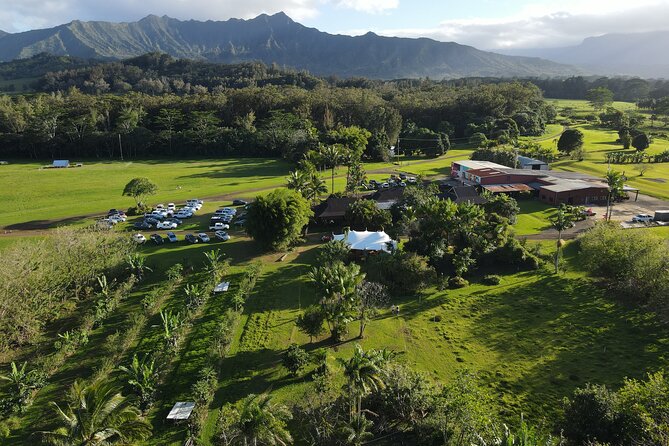
This is a small-group, 2-hour farm-and-food visit anchored in Common Ground Kauai’s regenerative system. You’ll walk the grounds, hear how the interconnected planting design works, then get a family-style meal featuring plants grown on-site and around the island.
Based on the guide setup, you should also plan that alcohol details are a bit confusing. The highlights mention beer and wine, but the materials list dinner as included and mark alcoholic beverages as not included, with wine/beer listed as available for purchase—so bring a “maybe I’ll buy it” mindset.
Key Points to Know Before You Go
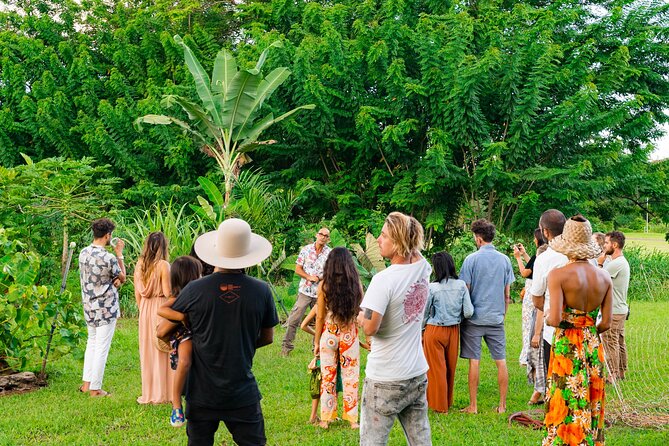
- Regenerative food forest tour guided on the campus where systems are meant to work together
- John Parziale’s agroecology angle gives you real explanations, not vague slogans
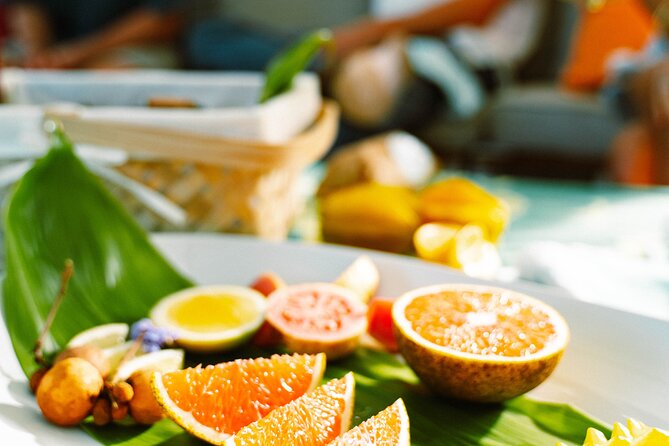
- Fruit tasting with fresh local and traditional varieties
- Family-style pupus and dinner built mainly from ingredients grown on Kauai
- Small group size (max 25) keeps the pacing from getting too crowded
You can also read our reviews of more tours and experiences in Kauai.
A 2-Hour Farm Tour With Dinner at Common Ground Kauai
If you’re trying to get beyond beach talk and souvenir shopping, this is an easy way to connect to Kauai’s farm culture in a short window. The tour runs about 2 hours and uses a mobile ticket, so you don’t burn time on paper or extra stops. You’ll start at 4900 Kuawa Rd, Kilauea, and the experience returns you to the same meeting point.
What makes the timing work is that the schedule is built around flow: walk first, taste next, then settle in to eat. You’re not stuck on a bus, and you’re not spending half the day just getting from one viewpoint to another. It’s the kind of experience that fits well right after a drive day, or as a low-effort “main event” when you still want something hands-on.
The price is $39, which is a big part of the equation. If you treat it like a quick, guided farm education plus a solid meal, it can feel like good value. If you treat it like a long, deep farm excursion with multiple courses and lots of extra activities, you might feel shortchanged.
Walking the Regenerative Food Forest With John Parziale
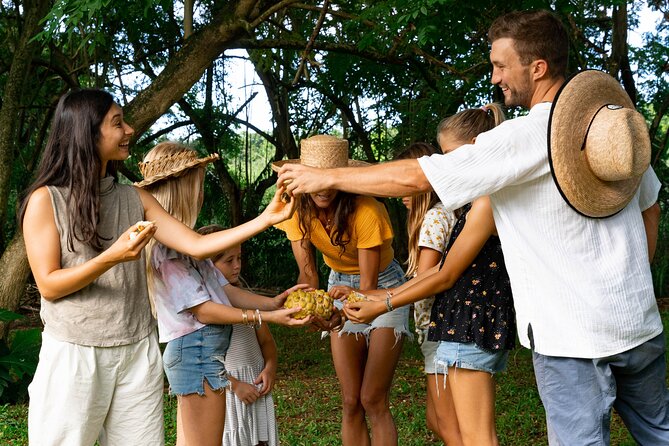
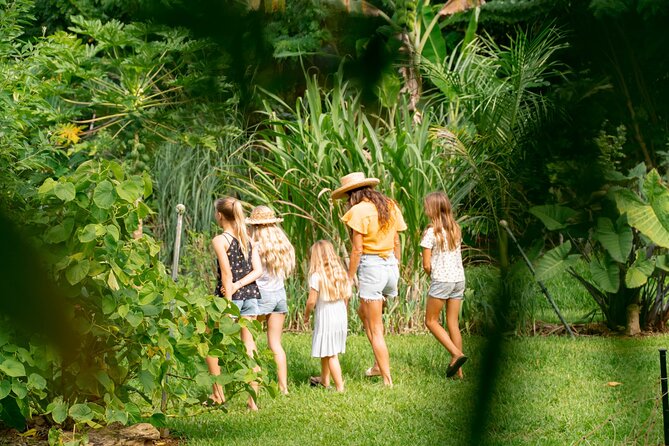
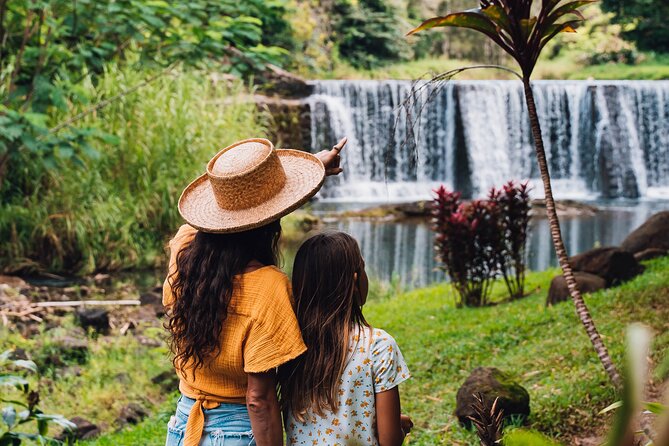
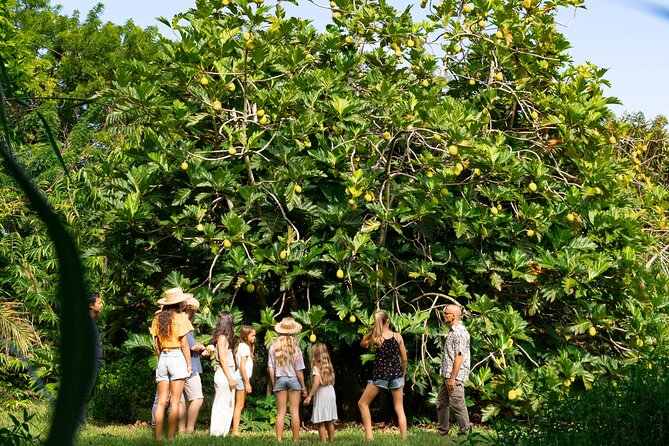
The core of the experience is the walking tour across Common Ground Kauai’s campus. Expect a guided route through their regenerative food forest, which they describe as an interconnected system rather than separate rows of crops. This is where the tour earns its keep: you don’t just look at plants; you learn why the planting design is set up the way it is.
You’ll hear from the team behind the project, including John Parziale, listed as the Director of Agroecology. That matters because it signals you’ll get explanations grounded in how the farm thinks about soil, plants, and long-term recovery—not just the marketing side of “sustainability.”
The farm’s focus also comes through in the kinds of crops they grow and talk about. You’ll be introduced to a wide range of island crops such as coffee, pineapple, tree tomato, kava, mamak’i, heart of palm, papaya, and bananas. The tour framing includes the idea that these foods are grown without pesticides, using regenerative approaches instead.
What to watch for on the walking portion
- It’s a meandering walk, so it’s not a strenuous hike.
- The pacing is guided, which is great for learning, but it also means you may not cover the kind of “check every section” distance you’d get on a longer tour.
- If you’re the type who wants to ask lots of questions, this format can be satisfying—small-group size helps you actually get time with the guide.
What You Actually Taste: Fruit and Farm-Grown Ingredients
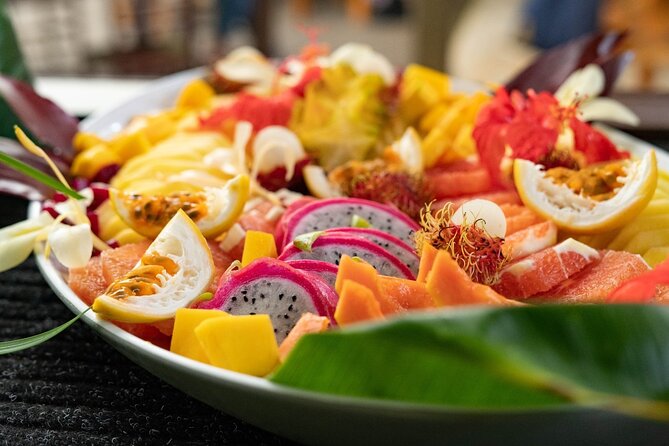
One of the smartest parts of this experience is the fruit tasting. Instead of only hearing about regenerative farming, you get a chance to taste fresh, local, and traditional varieties. That’s not a throwaway perk; it changes the whole feel of the tour.
Tasting also helps you spot the farm’s point of view. Regenerative growing isn’t only about avoiding chemicals. It’s about building an environment where diverse plants can thrive, which in turn changes what’s available seasonally and what flavors you end up noticing.
This is where I think the experience gives you the best return on your time: you learn about the system, then you immediately connect it to flavor and freshness. Even if you don’t go home and recreate the farm’s methods, you’re still leaving with a more grounded understanding of what “eat locally” really means on Kauai.
Family-Style Pupus: Dinner Style and Alcohol Reality
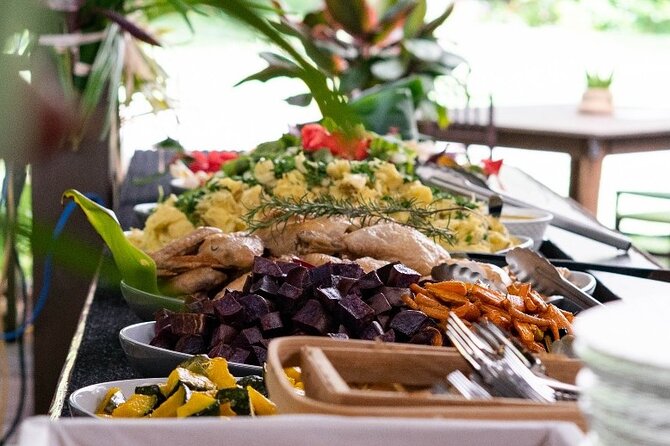
After the tasting and tour talk, the experience shifts to food in a more relaxed setting at the Common Ground lounge. You’ll finish with pupus made primarily with ingredients grown on Kauai. Then you sit down for the included dinner, which keeps the experience from becoming “education theater.”
In practice, this is the meal portion where you’re likely to feel the most difference between expectations and reality. A few things matter:
- Family-style means you’re sharing dishes rather than ordering a personal plate. That can be fun and communal.
- The meal is built from what they grow and what’s available, so the menu can feel unfamiliar if you’re used to more standard island plates.
- If you’re picky about proteins or specific dietary needs, you’ll want to check what the meal typically includes before you go. The data here confirms a plant-forward, island-grown approach, but it does not spell out detailed substitutions.
About beer and wine: plan like it might be for purchase
This is the one area where you should keep your expectations grounded. The highlights mention beer and wine, but the “not included” section lists alcoholic beverages as not included. Also, the itinerary notes wine, beer, and farm-crafted cocktails available for purchase.
So how should you play it? Assume dinner is included, and if you want alcohol, you may need to pay extra.
How Much You’ll See: The Short Tour Advantage (and Its Catch)
With a total length of about 2 hours, this tour works best as a focused “taste of the farm,” not as a full-day deep dive. That’s also why the format can land differently for different people.
The advantage
You get:
- a guided walk through the food forest,
- a tasting component,
- and a sit-down dinner with island-grown food.
It’s all done without draining your day.
The catch
If you’re hoping for a long, sprawling farm walkthrough with lots of separate stops and extended hands-on activities, the short duration may leave you wanting more. You may also find that the emphasis is more educational—learning how the system works—than purely observational or activity-based.
To make the most of it, I’d go with the mindset: you’re here for regenerative farming basics plus a meal you can taste through.
Who This Tour Is For (and Who Might Prefer Something Else)
This experience is a strong match for you if you like farm-to-table trips that give context. I think it’s especially worth it if:
- you’re interested in how food systems regenerate instead of just how they taste,
- you enjoy learning from someone who works the subject (and you’ll have named expertise like John Parziale),
- you want a family-friendly activity that still feels meaningful.
It may be less ideal if:
- you want a long, adventurous farm walk with lots of extra features,
- you’re sensitive to food that’s heavily island-ingredient based and might not fit your comfort zone,
- you expect alcohol to be included in the final price (it may not be).
If you’re a gardener or you garden at home, the approach is likely to click. One of the nice parts of regenerative farming tours is that they’re full of ideas you can translate into your own yard—without promising your backyard can copy a whole food forest.
Price and Value: Is $39 a Good Deal?
Let’s talk straight about value. $39 for about 2 hours plus dinner is not a “cheap snack tour,” but it also isn’t priced like a full-day excursion. You’re paying for access to a working farm campus, a guided educational walk, and an actual meal.
When this feels like a strong value:
- the food hits well because it’s island-grown and integrated into the meal,
- the guide explanations help you understand what you’re seeing,
- and you don’t require a lot of extra add-ons.
When the price can feel tougher:
- if you want more time on the grounds,
- or if you’re expecting a bigger menu of experiences beyond tour + tasting + dinner.
My advice: treat it as a well-paced morning or afternoon “farm education plus lunch/dinner.” If you’re building your Kauai itinerary, this is a good way to fit something real and different without sacrificing your whole day.
Practical Tips: What to Bring and What to Ask
Because the schedule centers on a walking tour and a lounge meal, pack for comfort. Wear shoes you don’t mind getting a bit warm on. Bring sunscreen and water, since Kauai sun doesn’t care about your itinerary.
During the walk, I’d ask questions that connect the system to food you’ll recognize. For example:
- Which plants are showing best right now and why?
- How does the farm think about building soil over time?
- What would a first-time home gardener copy in a small space?
Also, since you might be eating a meal that’s based on what the farm grows, it’s smart to confirm dietary needs ahead of time if you have restrictions. The information you have here confirms the island-grown focus, but it doesn’t spell out guaranteed substitutions.
One more practical note: the start point is specific—4900 Kuawa Rd—so plan your ride accordingly. If you’re using rideshare, make sure the driver can find the address easily.
Should You Book Common Ground Kauai Farm and Food?
Book it if you want:
- a short, guided regenerative farm experience in Kilauea,
- a tasting moment that connects lesson to flavor,
- and a farm-based family-style meal that uses local ingredients.
Skip it (or compare) if:
- you want a longer tour with more walking distance and extra activities,
- you’re expecting alcohol included in your ticket price,
- or you need very specific food options and don’t want to risk a menu that’s centered on farm-grown island ingredients.
If your goal is to spend a couple hours learning how a working farm thinks—and then eat like it—this is a solid choice.
FAQ
How long is the Common Ground Kauai Farm and Food experience?
It runs about 2 hours (approx.) and ends back at the meeting point.
How much does it cost?
The price is $39.
What’s included in the ticket?
The experience includes dinner.
Are alcoholic beverages included?
Alcoholic beverages are listed as not included, even though beer and wine are mentioned in the experience overview and wine/beer/cocktails are noted as available for purchase.
What crops and foods will I learn about?
You’ll learn about and see references to crops such as coffee, pineapple, tree tomato, kava, mamak’i, heart of palm, papaya, and bananas, plus you’ll have a fruit tasting.
Where does the tour start?
The meeting point is 4900 Kuawa Rd, Kilauea, HI 96754, USA.
How big are the groups?
The tour has a maximum of 25 travelers.
What’s the cancellation policy?
You can cancel for a full refund up to 24 hours before the experience starts. If you cancel within 24 hours, the amount paid is not refunded.