REVIEW · KAUAI
Kauai Private Baby Farm Animal Experience & Micro Dairy Immersion
Book on Viator →Operated by Wai & Aina · Bookable on Viator
Goats, lambs, and mini calves up close.
This volunteer-run Kauai farm pairs baby animal time with micro dairy moments like milking and raw milk tasting. I like that it’s a real working setup, not a made-for-TV stop, and that you can learn the farm vision while you’re elbow-deep in daily tasks. The one thing to consider: since it’s a developing farm, you should expect a little mud and a more behind-the-scenes pace than a polished attraction.
In past sessions, guides like Jody, Mercedes, and Taryn/Taren have led groups through the animals and the conservation story. A practical heads-up: plan for “farm clothes” vibes—closed-toe shoes matter, and you may get dirty.
In This Review
- Key takeaways before you go
- The Real Point: Baby Animals + Micro Dairy, Not a Petting Zoo
- Meeting at 5431 Hauaala Rd: Timing and Getting There
- How the Private Farm Tour Runs in Real Life (and Why That Matters)
- The Baby Animal Time: Goats, Lambs, Mini Calves, and More
- Milking, Raw Milk, and the A-1 vs A-2 Moment
- Farm Chores You Might Get to Try (Shearing, Hoof Trimming, Compost, Planting)
- The Sustainability Story: Fruit Forests, Riparian Buffers, Water Catchment
- The $125 Price: What You’re Really Paying For
- What to Wear and Bring So You Don’t Regret It
- Who Should Book This (and Who Might Prefer Something Else)
- Should You Book? My Practical Call
- FAQ
- How long is the Kauai baby farm and micro dairy experience?
- Is this a private tour or a group experience?
- What animal interactions are included?
- Is milking and raw milk tasting part of the tour?
- Where does the tour start, and is public transport workable?
- What should I wear since it’s a working farm?
Key takeaways before you go
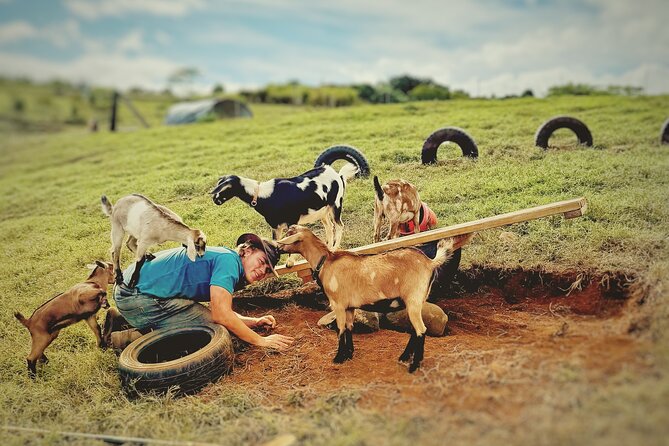
- Guaranteed baby animal feeding and play time during your private session
- Milking and raw milk sampling may be part of your schedule
- You can customize the tour around what you care about most
- Sustainability lessons include fruit forests, riparian buffers, water catchment, and regenerative grazing
- Closed-toe shoes help because this is real farm ground, not showroom flooring
The Real Point: Baby Animals + Micro Dairy, Not a Petting Zoo
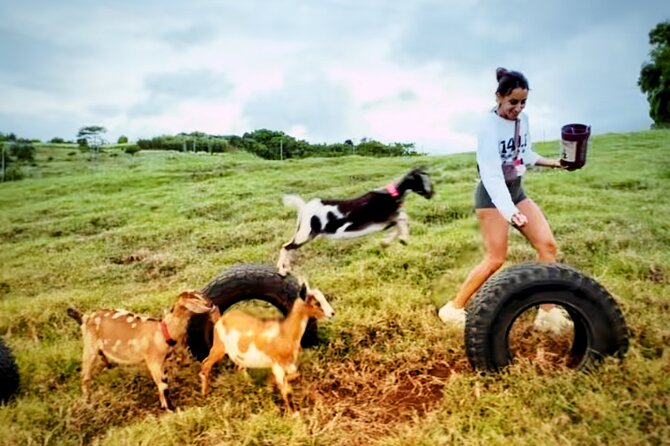
If your Kauai plans include a beach day and a quick roadside stop, this is the swap that feels way more local. Here, the focus is on baby goats, lambs, and mini calves, with hands-on time that goes beyond just standing near a pen. You’re also learning how a tiny farm system is built—plants, water, grazing, animal care—so the cuteness comes with context.
I especially like the way the experience blends affection with responsibility. You get to cuddle and bottle-feed when animals are receptive, but you also get pulled into how a small farm actually runs. That balance shows up in the day’s flow, and it’s why so many people rate this so highly.
One more good reason to book: this is a private tour. That means fewer crowds, more flexibility, and a better chance to ask practical questions about the animals, the dairy, or the farm’s future plans.
You can also read our reviews of more tours and experiences in Kauai.

Meeting at 5431 Hauaala Rd: Timing and Getting There
Your start point is 5431 Hauaala Rd, Kapaʻa, HI 96746. The whole tour runs about 50 minutes. That short length is a plus if you want animal time without losing half a day to driving and lines.
If you’re relying on public transport, this tour is near it—but you still need a 25–30 minute walk from Kealia Stop. If you have a car, you’ll likely find it easier to get in and out without adding stress to your day.
Also note this is scheduled as two time windows that change what you might overlap with:
- 8:00 AM is more likely to coincide with milking
- 9:00 AM is more likely to coincide with mini cow haltering
So, even though the tour is private and tailored, the start time can influence the exact “best moments” you catch.
How the Private Farm Tour Runs in Real Life (and Why That Matters)
This isn’t a scripted show with a strict script you have to follow. It’s described as volunteer-run and developing, which changes the feel in a good way. You’re on a working farm that’s still building systems and growing its capacity.
Expect your guide to set the tone fast—then shift attention based on what’s happening with the animals that day. Some days include more farm tasks (like compost turning or shearing). Other days lean heavier into animal bonding. The key detail is that baby animal interaction is guaranteed, so you’re not paying just to hope you’ll find the “right” moment.
And because it’s private, your guide can steer the experience toward your interests. If you want dairy specifics, you’ll get more focus there. If you’re in it for the baby animals and gentle petting, that’s the center of gravity.
The Baby Animal Time: Goats, Lambs, Mini Calves, and More
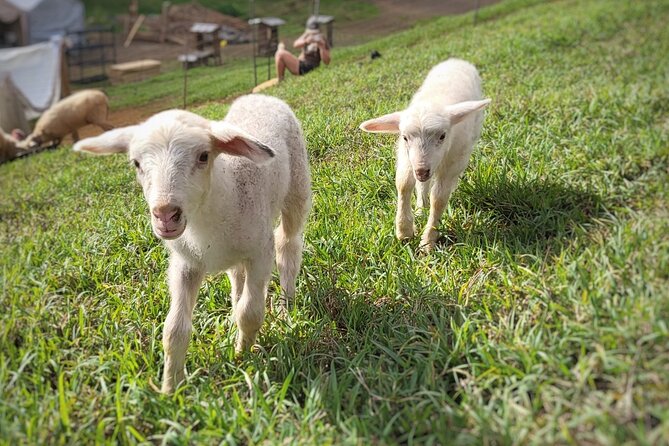
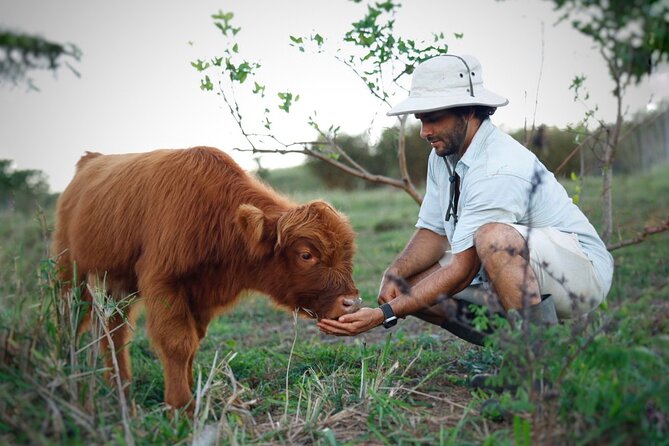
This is the heart of the experience. You’ll spend time cuddling and playing with baby animals, and you’ll likely meet a mix that includes:
- Mini goats (including baby goats)
- Lambs / sheep
- Mini calves
- Other farm animals like turkeys, rabbits, and silkies (and more depending on what’s around)
Bottle-feeding may be part of your visit if the babies are willing. That word matters. Farm animals aren’t trained mascots. If they’re curious, you’ll have a great time. If they’re in “nap and chaos” mode, you’ll still get bonding time—just in a different rhythm.
One practical note: this can be a hands-on, down-to-earth experience. So yes, you may get muddy. If you’re the type who hates dirty shoes or hates getting a tiny bit uncomfortable, plan to prepare your gear.
Milking, Raw Milk, and the A-1 vs A-2 Moment
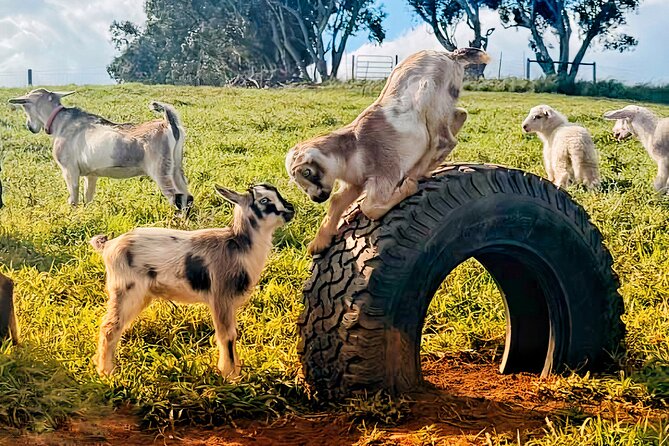
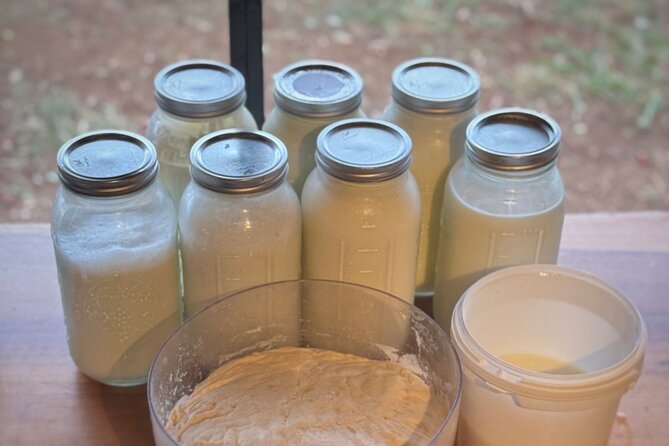
One of the most talked-about highlights is the chance to observe and try milking a goat or sheep and then sample raw milk. That goes beyond “farm tour storytelling.” You get to see the process and taste the result right where it comes from.
In one of the experiences people mention, there’s also discussion of the difference between A-1 and A-2 milk, followed by tasting. Even if you’re not a dairy nerd, it’s a fascinating way to understand that “milk” isn’t just milk. It’s part of a system, with animal choices and care decisions behind it.
A quick reality check: not every tour time may line up perfectly with milking. That’s why the 8:00 AM window is more likely to overlap with milking activities. If dairy is your main reason for booking, it’s worth choosing the earlier slot when you can.
Farm Chores You Might Get to Try (Shearing, Hoof Trimming, Compost, Planting)
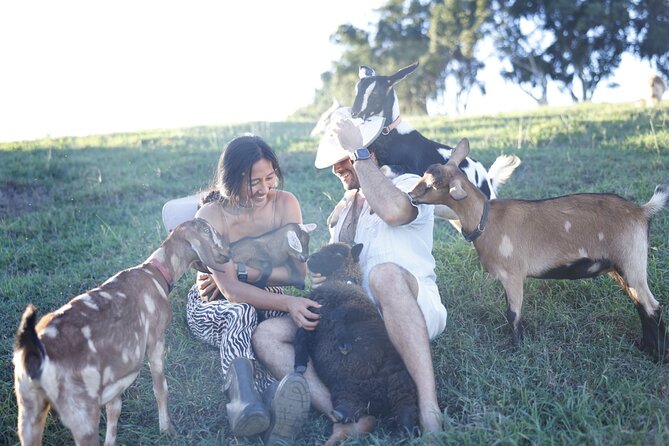
A working farm is full of small jobs that add up fast. During your session, your guide may bring you into tasks like:
- Shearing
- Hoof trimming
- Compost turning
- Planting
- Other day-to-day farm work, depending on what’s scheduled
This is where the “behind-the-scenes” feeling really lands. It’s not just watching; it’s learning how farmers think about daily chores and animal wellbeing. The upside is you get practical insight into what it means to build a farm from scratch.
The potential drawback is that you might not do every task you imagined. Since the farm is developing, the day’s work depends on animal needs and what volunteers are handling. That’s not a bait-and-switch. It’s real farm life.
The Sustainability Story: Fruit Forests, Riparian Buffers, Water Catchment
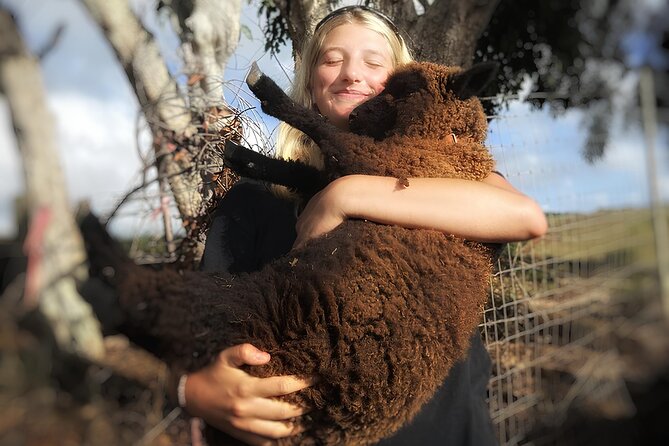
This is a farm with a plan. Even with the focus on baby animals, you’ll also hear how the farm is approaching sustainability. The big pieces mentioned include:
- Fruit forests
- Riparian buffers
- Water catchment
- Regenerative grazing
These aren’t just buzzwords. They explain why the farm is building systems for the long term. For you, that turns animal time into something more meaningful: you’re not only petting babies—you’re seeing how humans can work with land instead of just using it.
If you love learning how ecosystems fit together, this part is a bonus. If you don’t, you’ll still benefit from it because it makes the farm feel coherent, not chaotic.
The $125 Price: What You’re Really Paying For
At $125 per person for about 50 minutes, this isn’t a bargain-basement activity. But the value comes from a few key factors:
- Private, tailored time with a guide who can adjust the focus to you
- Guaranteed baby animal feeding and play time
- Real farm activities like milking observation/participation and hands-on tasks that depend on the day
- Raw milk sampling and farm-created food samples when available
- A farm mission centered on sustainability and education, not just entertainment
If you compare it to bigger-group tours, the private angle is the biggest driver of value. You’re paying for time with the people doing the work, not just time near animals.
Also, it’s described as something that’s often booked around 24 days in advance on average. If you want a specific start time (8:00 AM for milking overlap, 9:00 AM for mini cow haltering overlap), booking earlier helps.
What to Wear and Bring So You Don’t Regret It
This is a farm. That means the ground can be wet or muddy, and you should dress for it. A strong practical tip from experiences: wear closed-toe shoes.
I’d also plan on:
- Clothes that can handle getting dusty or a bit dirty
- Layers, since Kauai weather can shift quickly
- A water bottle, since you’ll be walking and moving around
If you hate even minor mess, you can still enjoy it—but you’ll enjoy it more if you show up ready for farm reality.
Who Should Book This (and Who Might Prefer Something Else)
This tour is ideal if you fit one of these profiles:
- You want baby animal time but also like learning about farming practices
- You’re curious about micro dairy and want to see milking and taste raw milk
- You like hands-on moments, even small ones, instead of passive sightseeing
- You’re traveling with kids who love animals and can handle a short, structured experience
It might not be your best match if:
- You want a totally polished, indoor-style attraction
- You dislike muddy outdoor environments
- You want a long, itinerary-heavy tour (this is short by design)
Because the farm is developing, the experience can feel more like a real work session than a staged event. For many people, that’s the charm.
Should You Book? My Practical Call
Book it if you want something genuinely different from the usual Kauai checklist. The combination of baby animal interaction, micro dairy moments, and sustainability education makes it more than a quick cute stop. And since it’s private, it feels personal without feeling awkward.
Skip it or rethink if you’re very sensitive to dirt, or if you need a very predictable, fully timed schedule with no variations. This farm runs on what’s happening that day.
If you go, pick your start time based on your priorities. Want the best chance at milking? Choose 8:00 AM. Want mini cow haltering focus? Choose 9:00 AM. Either way, you’ll get the baby animal connection.
FAQ
How long is the Kauai baby farm and micro dairy experience?
Plan for about 50 minutes (around 45 minutes to 1 hour).
Is this a private tour or a group experience?
This is a private experience, meaning only your group participates.
What animal interactions are included?
You’ll have guaranteed feeding and play time with baby animals and you may also get to cuddle and bond with mini goats, lambs, mini calves, and more depending on what’s available that day.
Is milking and raw milk tasting part of the tour?
Yes. The experience can include observing and trying milking a goat or sheep and then sampling raw milk.
Where does the tour start, and is public transport workable?
The meeting point is 5431 Hauaala Rd, Kapaʻa, HI 96746. It’s near public transportation, but you should expect a 25–30 minute walk from Kealia Stop.
What should I wear since it’s a working farm?
Wear closed-toe shoes and dress for possible mud. This is a real farm setting, so clothes can get dirty.