REVIEW · ZANZIBAR CITY
Zanzibar: Stone Town City Tour and Spice Farm with Lunch
Book on GetYourGuide →Operated by AClass Travel · Bookable on GetYourGuide
Stone Town has a smell you can’t forget. This private tour pairs iconic old-city stops with an organic spice farm where you actually touch, smell, and taste the harvest. You’ll also get time in the market scene, then finish with a real lunch in spice-country style.
I love how the Stone Town route hits the landmarks most people miss, from the Old Fort to the Palace Museum and the House of Wonders (Bait-al-ajab). I also really like the hands-on spice farm time—including fresh coconuts picked for you, plus fruit tastings like jackfruit.
One key drawback to plan for: there are extra cash-only entrance fees on the spot and the day’s timing can run long, so build in a buffer if you’re staying on a tight schedule.
In This Review
- Key Highlights Worth Your Time
- Stone Town, UNESCO-Listed, With the Key Stops You Actually Need
- Palace Museum and the House of Wonders (Bait-al-ajab): The Main Architecture Hits
- The Old Fort, Tippu Tip’s House, and Freddie Mercury’s House
- Peace Memorial and the Natural History Museum: Slower Stops With Context
- Market Time and the Fish Auctions: Real Zanzibar, Not Just Sets
- Organic Spice Farm: Touch, Smell, Taste
- Fresh Coconuts, Jackfruit, and the Taste Test Logic
- Lunch at the Spice Farm: Simple, After-the-Work Flavor
- Price and Logistics: $32 Is the Hook, Cash Is the Reality
- Guides, Language, and the Money Pressure Question
- What to Bring (and What to Skip)
- Who This Tour Suits Best (and Who Should Rethink It)
- Value Check: What You’re Really Paying For
- Should You Book This Stone Town and Spice Farm Tour?
- FAQ
- Is this a private tour in Stone Town and the spice farm?
- What’s included in the $32 per person price?
- Are there extra entrance fees?
- Do I need cash for buying spices?
- What should I wear for the day?
- Do I need to provide my hotel details?
- What languages are available for the tour?
- If I’m staying outside Stone Town, will pickup still be included?
- Does the tour include lunch?
Key Highlights Worth Your Time
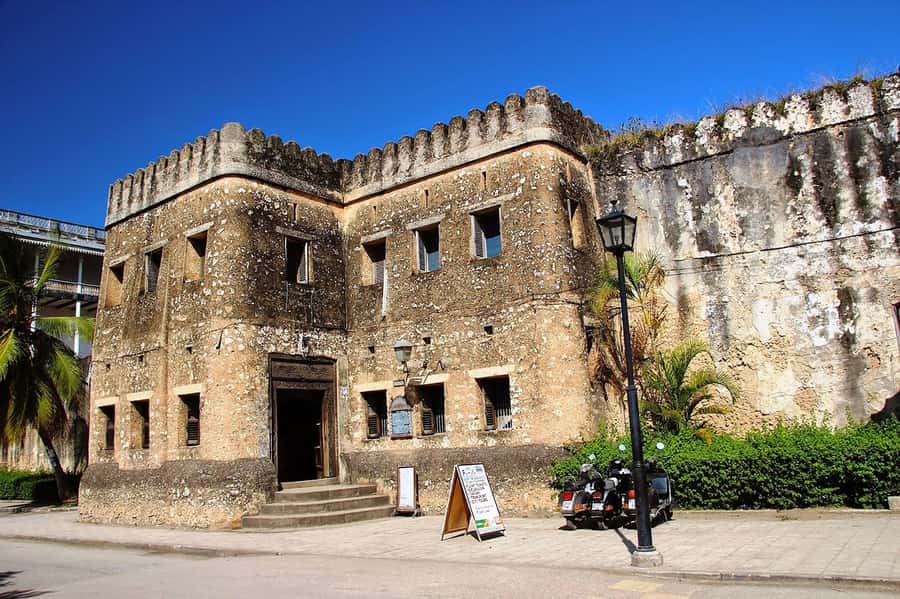
- Stone Town landmarks in a smart sequence: Old Fort, Palace Museum, House of Wonders (Bait-al-ajab), and more
- City Market + fish auctions: Watch locals buy and sell while you see Zanzibar life up close
- Organic spice farm tastings: Touch, smell, and taste spices directly from the plants
- Fresh coconuts and fruit samples: Young coconuts picked for you, plus jackfruit
- Hands-on farm activities: Cassava leaf harvest and making coconut milk
- Lunch included after the farm visit: A local meal that fits the day’s theme
Stone Town, UNESCO-Listed, With the Key Stops You Actually Need
Stone Town isn’t just pretty streets. It’s a layered East African trading city where Swahili culture blends Arab, Persian, Indian, and European influences, and it shows in the architecture. In 2000, Stone Town was named a UNESCO World Heritage Site for exactly this mix of design, culture, and history.
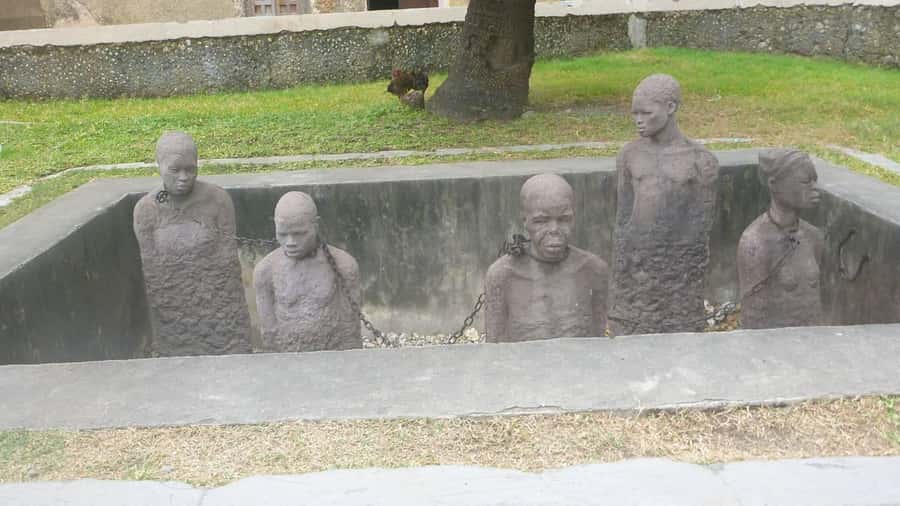
You’ll start with the Old Slave Market site and the nearby Anglican Church. It’s not a cheerful start, but it sets context fast, and it’s the kind of place where a guide can help you read what you’re looking at instead of just walking by it.
From there, you’ll move into the narrow lanes toward the City Market. This is one of the most useful parts of the day because you get to see everyday Zanzibar—not just monuments. You’ll also catch the fish auction energy here, where the pace and noise are part of the story.
You can also read our reviews of more tours and experiences in Zanzibar City.



Palace Museum and the House of Wonders (Bait-al-ajab): The Main Architecture Hits
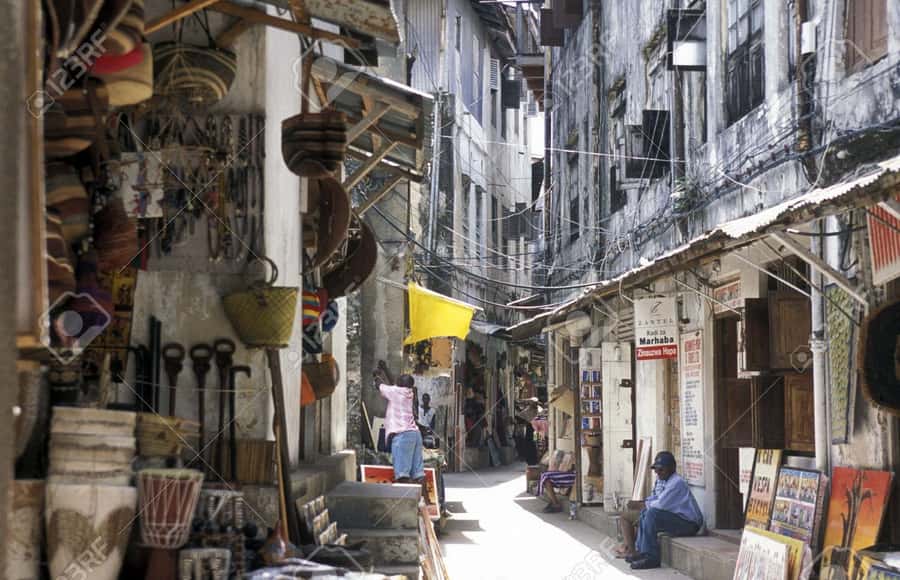
The core sightseeing block focuses on the big names in Stone Town. You’ll visit the Palace Museum and also the House of Wonders (Bait-al-ajab), described as the largest and tallest building in town. Those details matter because they explain why certain structures became symbols of power during the era of trade and rule.
You’ll also get more stops beyond the “top two,” including the Old Fort and additional historic houses tied to Zanzibar’s trading past. The fort and museum-type places are great when you want your photos to match the bigger picture—how the city grew and why it looks the way it does.
A practical tip: Stone Town streets can be tight. If you’re the type who likes to linger at every door or detail, the day may feel a bit packed. The upside is you’ll see a lot without having to plan a self-guided route.
The Old Fort, Tippu Tip’s House, and Freddie Mercury’s House
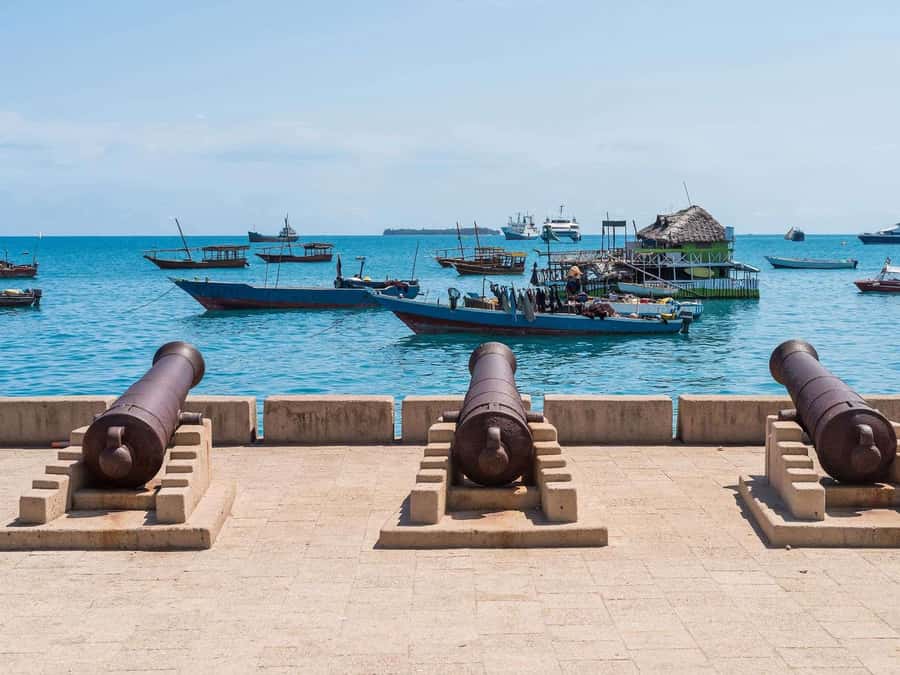
This tour doesn’t ignore pop culture, and honestly, that’s useful. You’ll visit Tippu Tip’s House and the famous Freddie Mercury’s House, which can be a fun way to get people who don’t usually care about history to still pay attention.
Why do these stops work? Because they connect Zanzibar to a broader world. Even if your main interest is architecture, the Mercury connection gives you a memorable anchor. And your guide can place these sites in the flow of the city instead of treating them like random photo spots.
If you’re hoping for long interior time at every building, keep your expectations flexible. The day is built like a loop: you’re moving, seeing, then moving again—more “see the highlights” than “slow museum day.”
Peace Memorial and the Natural History Museum: Slower Stops With Context
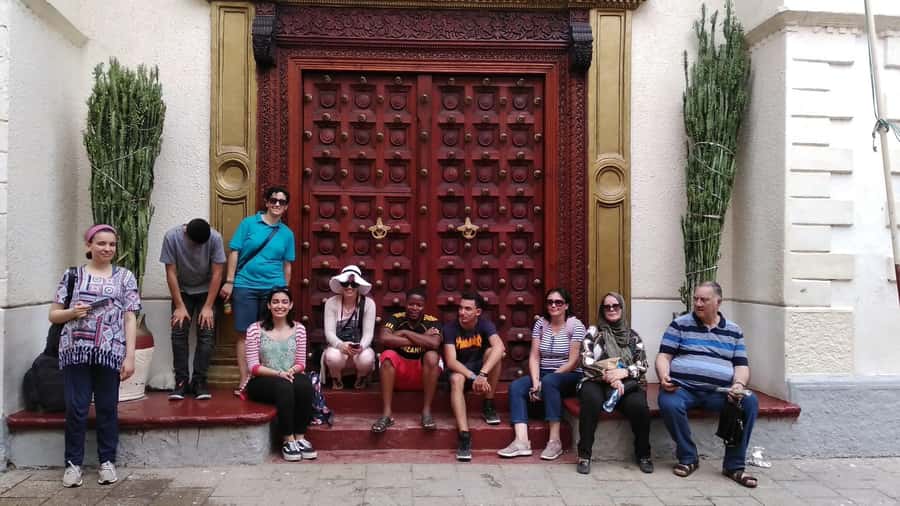
The itinerary also includes the Peace Memorial and the Natural History Museum, plus other attractions as the day goes. This matters because it balances the emotional weight of the older sites with a more reflective stop and then something more observational.
The Peace Memorial is the kind of place where you’ll get more from a guide’s commentary than from just reading a sign. The Natural History Museum, meanwhile, is a nice change of pace if you’ve already spent time in Stone Town streets and trading history.
One caution: since you’re covering a lot, you might feel rushed through these. If you want to spend extra time here, ask your guide politely if you can pause a little longer at the stop that interests you most.
Market Time and the Fish Auctions: Real Zanzibar, Not Just Sets

The City Market stop is where you get the “day in the life” feeling. You’ll see fresh produce, and you’ll watch the lively fish auctions as locals handle sales and bargaining.
This kind of stop is valuable because it shows how trade still shapes the city. It’s not history in a glass case. It’s commerce, movement, and routine—just in a living setting.
And it helps your spice-farm visit later, too. When you see what locals buy and cook, the spices don’t feel like “tour props.” They feel like ingredients with jobs to do.




Organic Spice Farm: Touch, Smell, Taste
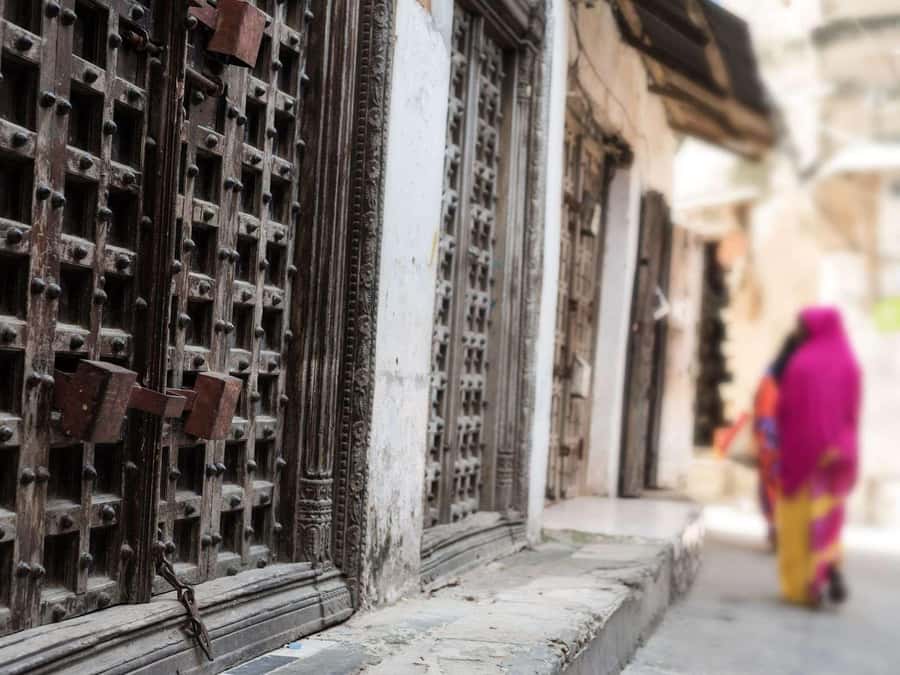
After Stone Town, the day switches gears into Zanzibar’s signature industry. You’ll learn how the islands produce cloves, nutmeg, cinnamon, and black pepper, and you’ll also hear about the nickname Spice Islands for the Zanzibar Archipelago and Tanzania’s Mafia Island.
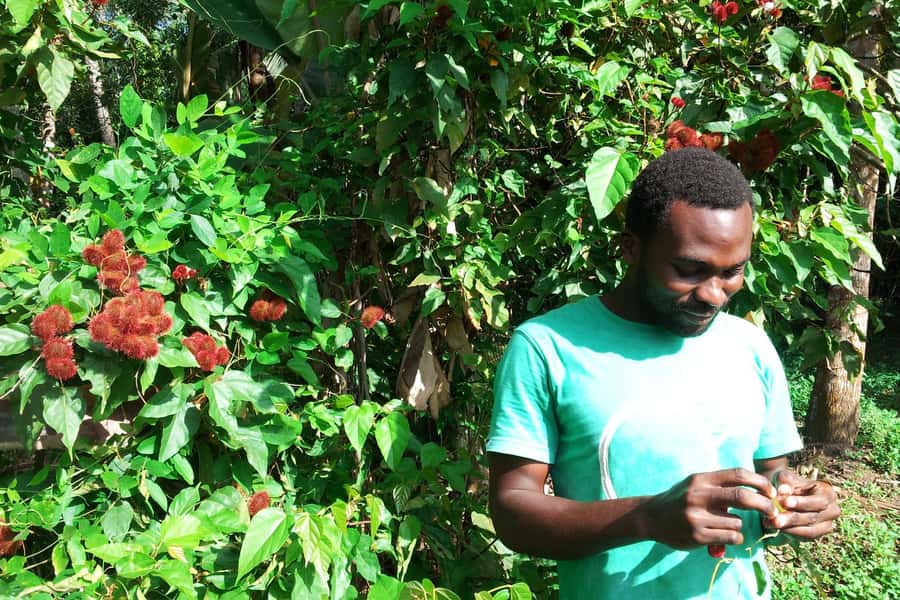
Then you’ll go to an organic spice farm, where your guide explains how spices are grown and used in cooking and medicine. This is where this tour earns its value. You’re not just shown a display. You can touch, smell, and taste spices directly from the plants.
You’ll also take part in practical activities. Expect a cassava leaf harvest, making coconut milk, and some basic cooking techniques. These are the moments that turn the day from sightseeing into something you’ll remember long after the photos fade.
Don’t miss the fruit and coconut part. Fresh young coconuts are picked for you by a coconut tree climber, and you’ll also get to sample jackfruit, noted as the largest fruit in the world. Those tastings make the spice experience feel physical, not theoretical.
Fresh Coconuts, Jackfruit, and the Taste Test Logic
The coconut and jackfruit tastings aren’t just fun extras. They create an edible timeline that connects Zanzibar’s climate to its food.
Coconuts are everywhere around the coast, and once you’ve tasted a young coconut picked straight from the tree, you’ll understand why coconut milk and coconut-based dishes feel so central here. Then jackfruit helps you see how locals work with what grows well nearby, not just what’s imported.
This is also a good time to ask your guide practical questions about how spices get used at home. For example: which spice goes with which dish, and how strong a spice should be before it tastes right. A good guide will turn your curiosity into something you can use later.
Lunch at the Spice Farm: Simple, After-the-Work Flavor
Lunch comes after the farm activities, served at a local restaurant linked to the farm experience. After harvesting and tasting, a meal feels earned.
You’ll likely sit down with the smell of spices still in your hair. That’s the whole point. You’re not just eating; you’re connecting flavors to the plants you handled.
If you’re sensitive to strong flavors, tell your guide before you eat. Spices like cloves and pepper can be powerful, and this tour focuses on direct tasting.
Price and Logistics: $32 Is the Hook, Cash Is the Reality
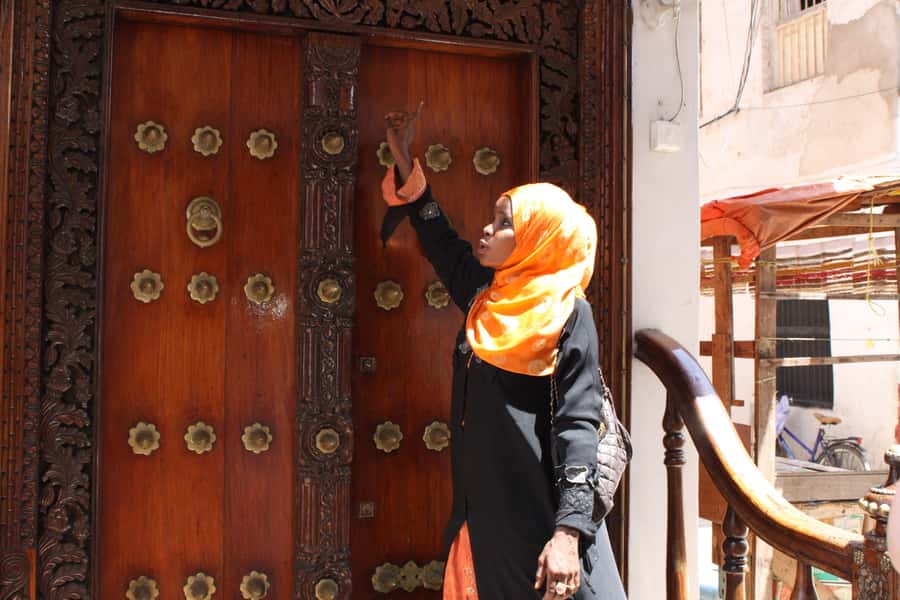
The advertised price is $32 per person, which is a fair deal on paper because you’re getting a private-style city circuit plus a spice farm day, with a guide, water, and lunch.
But the real value check is: what’s extra, and how predictable is the schedule?
There is a $10 per person cash entrance fee on the spot for the slave market and spice farm. Also, the Spice Farm shop is cash only for purchases, so if you want to bring home spices, plan to carry cash.
Timing is another consideration. One experience described a pickup that ran well past the expected start time, followed by a later start to the tour. That doesn’t mean it will happen to you, but it does mean you should build a buffer—especially if you’re catching another ride later that day.
Finally, if you’re requesting pickup beyond the usual Stone Town area, transfers from outside Stone Town will cost extra.
Guides, Language, and the Money Pressure Question
A big part of whether this tour feels great comes down to the guide. The tour includes a professional guide, and guides can be genuinely excellent at explaining what you’re seeing.
One highlight from experience: a guide named Capuchino was praised for being patient, kind, and answering questions throughout the day. That kind of guide makes a difference, especially in Stone Town where the details matter.
At the same time, there’s a downside you should watch for: some people felt the day leaned too hard on tipping and buying. You might be encouraged to support people or purchase souvenirs. If money pressure is a deal-breaker for you, go in with a plan: decide in advance what you’ll tip (if anything) and what you’ll buy (if anything), and stick to it.
There’s also the simple practical issue of communication. If you booked a specific language, confirm it before you’re picked up, and make sure you know who you’re meeting.
What to Bring (and What to Skip)
Pack for walking in hot streets and handling plants. Comfortable clothes are a must.
Since you may need cash, bring enough to cover:
- the $10 per person entrance fee paid cash on the spot
- any spice purchases at the shop, which is cash only
If you’re staying outside Stone Town, double-check your pickup plan so you don’t get surprised by extra transfer charges.
Who This Tour Suits Best (and Who Should Rethink It)
This tour fits best if you want a one-day plan that combines culture and food. You’ll enjoy it most if you like:
- history sites but don’t want to build your own route
- markets and real street energy
- hands-on spice learning, tastings, and cooking steps
It may be less ideal if you strongly dislike cash add-ons, very tight schedules, or shopping-focused moments. The day can feel commercial if you’re expecting something purely cultural and quiet.
If you’re traveling in a group and want a private arrangement with a guide, this approach can work well. Just be clear about language, pickup details, and cash before you leave.
Value Check: What You’re Really Paying For
At $32, you’re paying for a guided “bundle”:
- Stone Town main landmarks and market time
- a spice farm visit with tastings
- activities like cassava leaf harvesting and coconut milk making
- water and lunch
Then add the likely extra: $10 per person paid cash for entrances, plus possible extra transfer charges depending on where you’re staying.
So is it worth it? For many people, yes, because you get both halves of Zanzibar in one day—old city sights plus the spice work that explains the island’s identity. The value drops if the day runs late or if your guide’s style doesn’t match your expectations, especially around tipping and buying.
Given the mixed overall rating around 3.7 out of 5 (based on 33 entries), I’d recommend treating this as a good option with a few real-world risk points—timing and cash handling being the big two.
Should You Book This Stone Town and Spice Farm Tour?
If you’re excited by Stone Town architecture and you genuinely want to taste spices fresh, this is a solid choice. You’ll get a lot of major sights in a single day and a farm experience that goes beyond looking.
But book it only if you’re okay with:
- cash planning for entrance fees and spice purchases
- the possibility of late timing or schedule compression
- a guide who may encourage tipping and buying
If you prefer a super-polished, no-surprises operation, you might consider a more expensive tour option with stricter timing promises. For the price, though, this one can be a memorable mix—especially if you end up with a patient, curious guide like Capuchino.
FAQ
Is this a private tour in Stone Town and the spice farm?
Yes. The experience is described as a private tour covering Stone Town and an authentic spice farm with lunch.
What’s included in the $32 per person price?
The tour includes hotel pickup and drop-off if the option is selected, visits to Stone Town and the spice farm, a professional guide, water, and lunch at a local restaurant.
Are there extra entrance fees?
Yes. There is a $10 per person cash entrance fee on the spot for the slave market and the spice farm entrance.
Do I need cash for buying spices?
Yes. The shop at the end of the spice farm experience is cash only, so bring cash if you want to purchase spices.
What should I wear for the day?
Wear comfortable clothes. You’ll be walking around Stone Town streets and spending time at the spice farm.
Do I need to provide my hotel details?
Yes. You should provide your hotel name and room number so the operator can send the pickup time.
What languages are available for the tour?
The tour languages are listed as English, French, German, and Italian.
If I’m staying outside Stone Town, will pickup still be included?
Pickup and drop-off are included if the hotel pickup option is selected. If you’re outside Stone Town city, transfers will be extra charged.
Does the tour include lunch?
Yes. Lunch is included and is served at a local restaurant.