REVIEW · ZANZIBAR CITY
Zanzibar: Jozani Chwaka Bay National Park and Spice Farm …
Book on GetYourGuide →Operated by Zanziphoria | Zanzibar Tours · Bookable on GetYourGuide
Zanzibar can feel like two different worlds in one day. Here you get a close-up forest walk for the rare red colobus, then a hands-on spice farm lesson with tastings. I love that the tour is built around things you can actually see and smell, not just a drive-by photo stop. One thing to keep in mind: monkey sightings aren’t guaranteed, so come for the whole experience, not a checklist win.
Expect moderate walking in hot, humid conditions. You’ll move through Jozani Chwaka Bay National Park with a guide who points out animals up in the treetops, then cool down with a farm tour where you’ll learn how common spices like vanilla and nutmeg are grown. The reward is real Zanzibar flavor—both in the air and on your tongue.
In This Review
- Key highlights at a glance
- Jozani Chwaka Bay: the red colobus hunt starts early
- The forest walk: what you’ll notice beyond monkeys
- Your spice farm visit: smelling vanilla and learning the process
- Fruit tastings: what you might try (and what it means)
- Transportation and the half-day reality check
- Price and value: is $109 per person worth it?
- What to bring so the day feels easy, not annoying
- Who should book this tour, and who should skip it
- Should you book the Jozani park and spice farm day trip?
- FAQ
- How long is the Zanzibar day trip?
- What wildlife can I expect to see at Jozani Chwaka Bay?
- Does the tour include a spice farm visit and tastings?
- Are meals included?
- How is transportation handled?
- What fruit will I taste on the tour?
- What should I bring?
- Is touching animals allowed?
- Is the tour suitable for everyone?
- Experience check: what to do before you go
Key highlights at a glance
- Red colobus monkey search in Jozani Chwaka Bay, with guidance on where to look
- Forest wildlife chances beyond monkeys, including bushbabies, duikers, butterflies, and birds
- Spice farm cultivation talk covering vanilla, nutmeg, cardamom, and other classic crops
- Tasting your way through Zanzibar fruit, from madafu (green coconut) to shoki-shoki (rambutun)
- Guided tastings and explanations that connect what you see to what you eat
Jozani Chwaka Bay: the red colobus hunt starts early
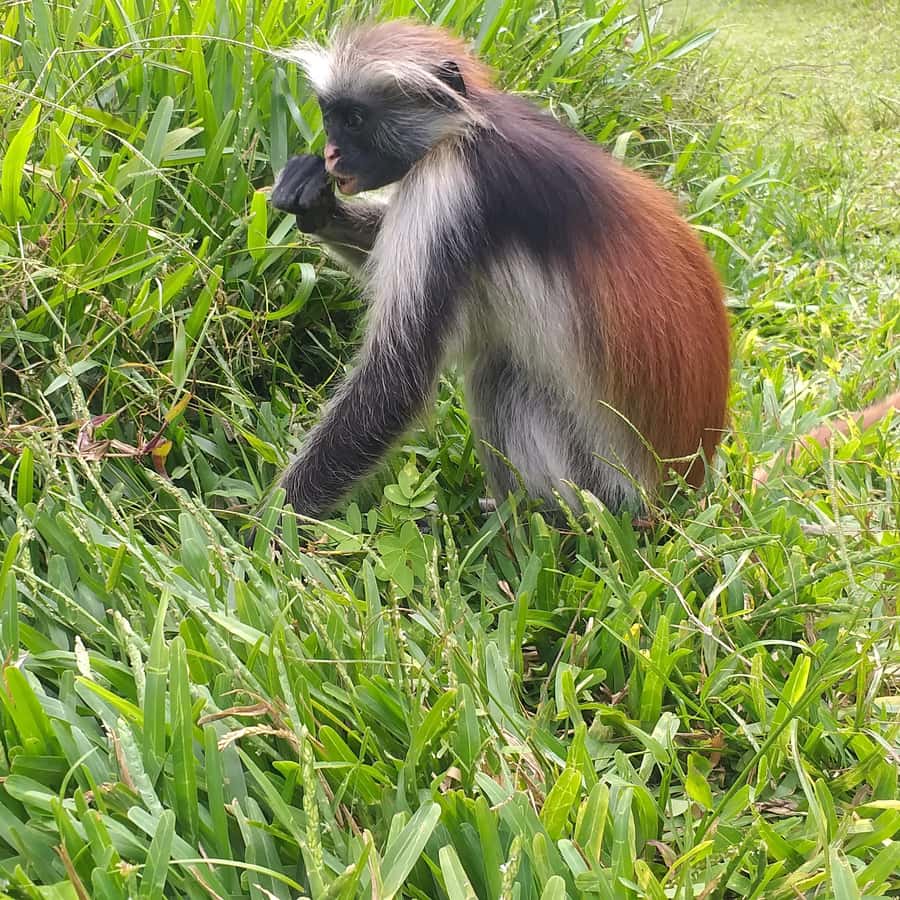
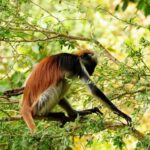
Most people picture Zanzibar as beaches and swaying palms. This day trip flips that script. You start with a half-day in Jozani Chwaka Bay National Park, where the goal is simple: find wildlife in the coastal forest, especially the rare red colobus monkey.
The tour is designed for morning or afternoon departures, depending on what you choose. Either way, plan for a morning-style pace if you go early. The animals tend to feel more active when the day is still warming up, and it’s easier to focus on treetops when you’re not overheating.
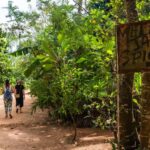
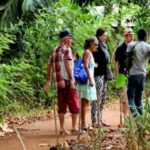
Right away, you’ll get the rhythm of the park walk. You’re not speed-walking. You’re pausing. You’re scanning. You’re listening for movement in branches that look still until your guide points out the telltale motion. It’s a good way to experience Zanzibar’s “green” side without it turning into a long slog.
You can also read our reviews of more tours and experiences in Zanzibar City.

The forest walk: what you’ll notice beyond monkeys
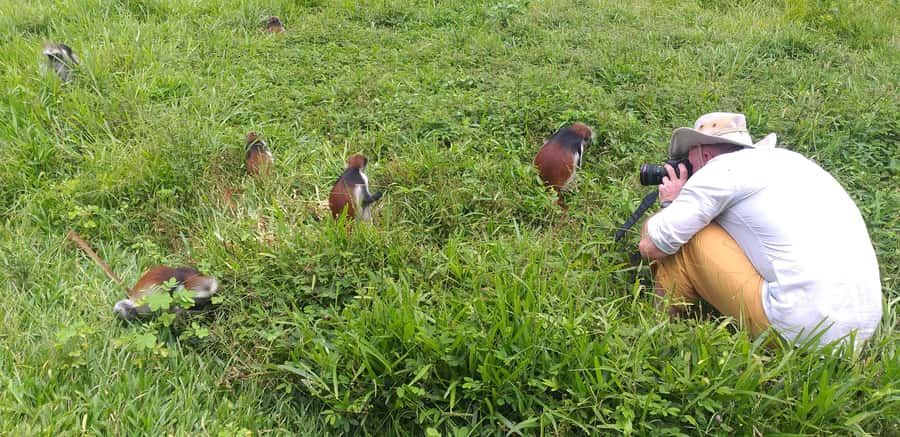
Yes, the red colobus is the headline. But the forest becomes interesting the moment you start noticing everything else.
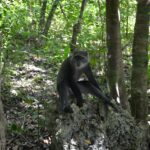
Your guide will help you watch for bushbabies (those small nighttime-style primates that can be surprisingly hard to spot), plus duikers—small forest antelope that tend to stay out of view. On top of that, you’ll likely see butterflies and birds, which can pop into sight when you’re tracking higher animals.
Here’s the practical mindset to have: treat this as a guided nature search, not a guaranteed wildlife safari. Even if the monkeys aren’t out in force, the walk still works because you’re learning how to read the habitat. You’ll learn where the animals tend to move, and what “good looking time” looks like—slow scanning and patience instead of chasing.
One of the best takeaways from the experience is how much context you pick up while walking. People often expect a simple sightseeing stroll. Instead, you leave with a better sense of why this forest matters and how the area supports multiple species at once.
Your spice farm visit: smelling vanilla and learning the process
After the park, the day shifts from rainforest cues to farm cues. The temperature may feel similar, but your brain changes gears fast—because the spice farm is all about scent, soil, and cultivation.
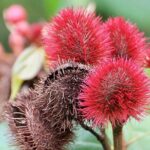
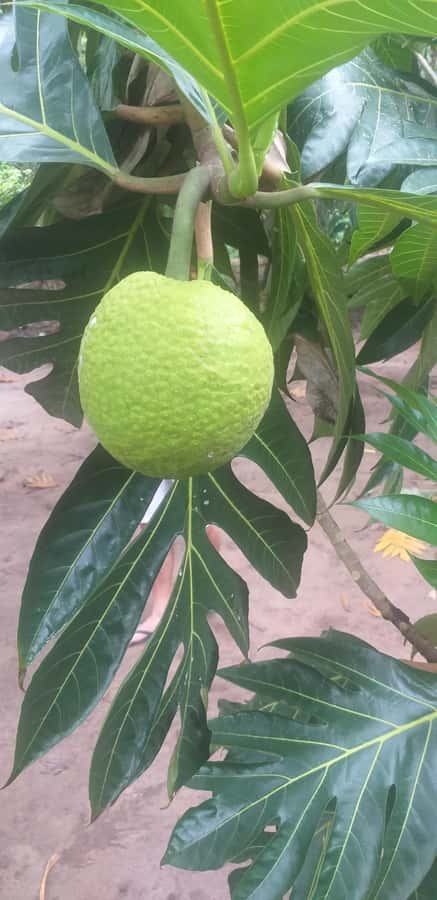
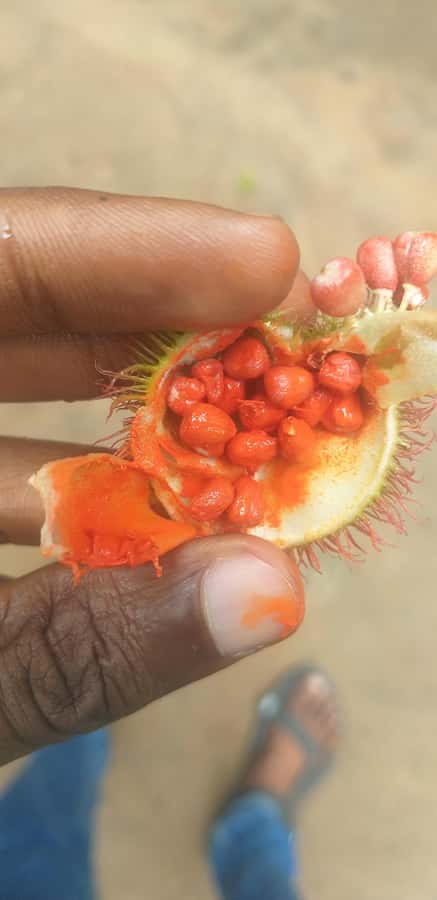
During the spice farm tour, you’ll see how several spices are grown, including pepper, cloves, nutmeg, vanilla, and cinnamon. The tour also highlights spices like cardamom, so you’re not just hearing trivia. You’re connecting the plant name to the real growing setup you can see.
This is the kind of stop that makes your kitchen habits feel more specific. Vanilla becomes more than a flavor packet. Nutmeg and cloves stop being “jar items.” You start to understand why different spices come from different plant parts and how cultivation fits into Zanzibar’s growing conditions.
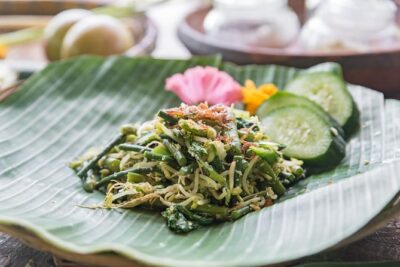
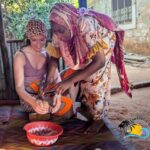
You’ll also get tastings along the way. In other words, it’s not a museum tour. You taste tropical fruit and spice-related samples, then you match what you tasted to what you saw growing. If you enjoy sensory travel—food, smell, and small details—this part is the payoff.
Fruit tastings: what you might try (and what it means)
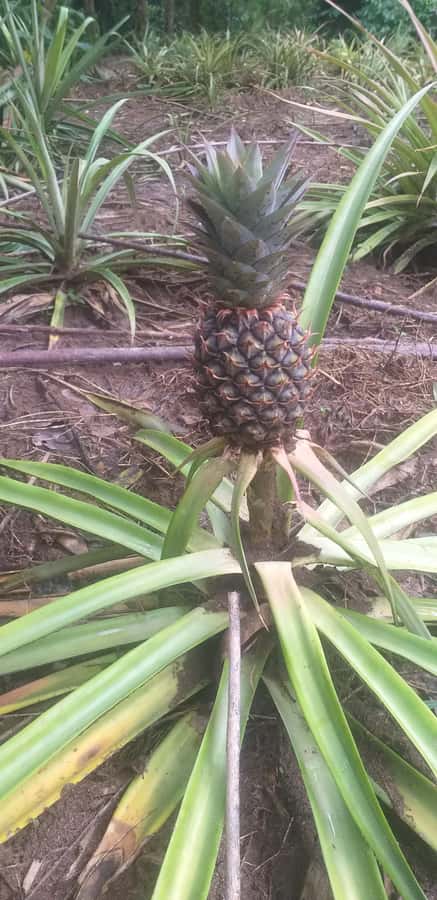
Spice tours can sometimes feel repetitive: a few plants, a few samples, done. This one leans into fruit tastings in a way that actually helps you understand the island’s food culture.
You can expect seasonal fruit options like jackfruit and pineapple, along with bananas. But the standout is the Zanzibar-specific names that come with the flavors: green coconut known as madafu, durian, and love apple (matufaa). You may also try rambutan, called shoki-shoki, soursop (mabungo), and starfruit (carambola).
I like this approach because it trains your palate and your vocabulary at the same time. If you’ve ever wondered why menus on Zanzibar feel full of unfamiliar names, tastings like this make it easier to recognize what you’re seeing later.
One practical tip: go into the fruit stop hungry, but not reckless. Fruit is usually fine for most stomachs, but you’ll be walking in heat earlier, so drink water steadily and pace yourself with tastings.
Transportation and the half-day reality check
The tour includes round-trip transport from your accommodation in Zanzibar. You’ll ride in air-conditioned vehicles, which matters more than people think. After time in the park’s heat and humidity, that ride feels like a relief, not a chore.
Since this is typically a half-day, the day is tightly planned. You’re trading long free time for two focused experiences: park nature time and farm learning time. For many people, that’s exactly right. You get meaningful experiences without turning the day into a full production.
The tradeoff is simple: you’ll need to accept a schedule. You don’t get to linger as long as you might in your favorite spot. It’s the kind of tour where being attentive and ready to move on time actually helps you see more.

Price and value: is $109 per person worth it?
At about $109 per person, this day trip sits in the mid-range for Zanzibar tours. The value comes from what’s included rather than just the headline price.
You get:
- a guided visit in Jozani Chwaka Bay National Park
- an opportunity to see the red colobus and other wildlife
- a spice farm tour with tastings
- time to explore tropical seasonal fruit
Meals aren’t included, so plan on grabbing something easy afterward. But the core content is covered. For me, the value equation is strong if you want guided wildlife viewing plus hands-on food education in one trip.
If you already have a car and you’re the type who likes independent wandering, you could technically replicate parts of this. But most people don’t get the same guidance benefits: the “where to look” for wildlife and the “what you’re actually seeing” for spices and fruit.
What to bring so the day feels easy, not annoying
This tour is pretty straightforward. The friction comes from weather and small discomforts, not complicated logistics.
Bring:
- comfortable shoes (there’s moderate walking in the park)
- a camera for monkeys, forest scenes, and farm moments
- sunscreen and light clothing for heat and sun
- water to stay hydrated
- insect repellent for outdoor time
If you sweat easily, add a hat. If you wear glasses, consider keeping them secure. Nothing ruins a nature walk faster than fussing with gear while you’re trying to watch treetops.
Also, follow the animal rules. You shouldn’t touch animals, and the tour requires respect in both the park and on the farm.
Who should book this tour, and who should skip it
This is a great choice if you:
- want one day that covers wildlife + food instead of only one theme
- enjoy guided explanations and tastings
- like the idea of searching for a specific animal, the red colobus, while also seeing other life in the forest
It may not be the best fit if you:
- are pregnant (it’s listed as not suitable)
- have back problems or mobility limitations (it’s listed as not suitable for those situations)
- expect minimal walking or fully flat terrain
If you’re sensitive to heat, go in prepared. The tour is run in Zanzibar conditions—hot, humid days—so sunscreen, water, and light clothing are not optional “nice-to-haves.” They’re part of how you keep the day enjoyable.
Should you book the Jozani park and spice farm day trip?
I’d book this tour if you want a high-sense Zanzibar day: forest time with a real wildlife focus, plus a spice farm where you learn and taste instead of just looking. The best version of this experience is the one where you let your guide steer your attention—up into the treetops, then over to plants and flavors you can name afterward.
Skip it if you can’t manage moderate walking or you fall into the not-suitable categories listed for pregnancy, back problems, or mobility impairments. And if you’re chasing only the red colobus as a must-see certainty, adjust your expectations. This trip offers an opportunity to see them, and it’s still worthwhile even when the monkeys don’t show up in great numbers.
FAQ
How long is the Zanzibar day trip?
It typically runs for a half-day, with departures in the morning or afternoon depending on your chosen time.
What wildlife can I expect to see at Jozani Chwaka Bay?
You’ll have the opportunity to spot the rare red colobus monkey. Other wildlife mentioned includes bushbabies, duikers, butterflies, and birds.
Does the tour include a spice farm visit and tastings?
Yes. You’ll visit a spice farm, learn about cultivation of spices like vanilla, nutmeg, and cardamom (plus others), and enjoy tastings.
Are meals included?
No meals are included.
How is transportation handled?
Round-trip transportation from your accommodation in Zanzibar is provided in comfortable, air-conditioned vehicles.
What fruit will I taste on the tour?
The tour includes tastings of seasonal tropical fruits such as jackfruit, pineapple, bananas, green coconut (madafu), durian, love apple (matufaa), rambutun (shoki-shoki), soursop (mabungo), and starfruit (carambola).
What should I bring?
Bring comfortable shoes, a camera, sunscreen, water, and insect repellent.
Is touching animals allowed?
No. Touching animals is not allowed.
Is the tour suitable for everyone?
It is not suitable for pregnant women, people with back problems, or people with mobility impairments.
Experience check: what to do before you go
If you want the day to feel smooth, pick shoes you can walk in on natural paths, pack water like it matters (because it does), and keep your camera ready for treetop moments. Then treat the spice farm and fruit tastings as the second half of the show, not a short add-on. That’s where the Zanzibar flavor really sticks with you.