REVIEW · ZANZIBAR CITY
Zanzibar Cooking Class [Swahili food test ] and Spice farm Private tour
Book on Viator →Operated by mango travel & tours ltd · Bookable on Viator
Spices get personal fast. This private Zanzibar outing combines a guided Tangawizi Spice Farm walk with a hands-on Swahili cooking session with Amina-quality service, plus lunch on-site. You’ll sniff and taste spices growing right there, then learn how common island flavors show up in everyday cooking.
What I like most is the way you get more than a lecture. You touch, smell, and taste spices straight from the plants, and the farm guide explains how they’re used for both flavor and traditional uses. The second big win is the cooking portion with Mama Africa, where you’re not just watching—you’re practicing, including making coconut milk and mixing Swahili flavors together.
One thing to keep in mind: plan on using cash for tipping and on-farm purchases. Several spots involved in the day may not take cards, so having some Tanzanian shillings (and small bills) saves you from last-minute stress.
In This Review
- Quick Highlights You’ll Actually Care About
- From Spice Island Snacks to Real Flavor: Why This Tour Works
- Tangawizi Spice Farm: Smell, Touch, and Taste Cloves, Nutmeg, and Friends
- More Than Spices: Fruits and Herbs That Broaden the Flavor Map
- Meeting Mama Africa: Swahili Food Practice You Can Actually Do
- The Coconut Tree Climber Moment: A Small Task, Big Payoff
- Lunch at the Spice Farm: Where You Get to Put It Together
- Price and Value: What You Pay, What You Get, and How to Budget Smartly
- Timing and Logistics That Matter on Zanzibar Days
- Who Should Book This Spice + Cooking Combo (and Who Might Skip It)
- Should You Book Zanzibar Cooking Class + Spice Farm?
- FAQ
- How long is the Zanzibar spice farm and cooking experience?
- What time does the tour start?
- Is pickup included?
- What is included in the price?
- Do I taste spices during the tour?
- What do I do with Mama Africa?
- Is alcohol included?
- Can I cancel for a full refund?
- Is it a private tour?
Quick Highlights You’ll Actually Care About
![Zanzibar Cooking Class [Swahili food test ] and Spice farm Private tour - Quick Highlights You’ll Actually Care About](https://e.farmtourer.com/wp-content/uploads/zanzibar-cooking-class-swahili-food-test-and-spice-farm-private-tour-1.jpg)
- Organic Tangawizi Spice Farm with lots of hands-on smelling and tasting, not a rushed photo stop
- Swahili cooking with Mama Africa, including cassava leaf harvesting and coconut milk making
- Fresh young coconut tasting picked during the day by a coconut tree climber
- Lunch at the spice farm included, so the trip feels complete
- Private tour for your group only, with pickup and private transportation
From Spice Island Snacks to Real Flavor: Why This Tour Works
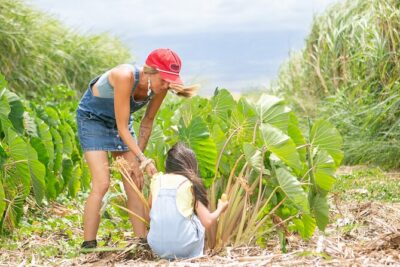
![Zanzibar Cooking Class [Swahili food test ] and Spice farm Private tour - From Spice Island Snacks to Real Flavor: Why This Tour Works](https://e.farmtourer.com/wp-content/uploads/zanzibar-cooking-class-swahili-food-test-and-spice-farm-private-tour-2.jpg)
Zanzibar is famous for spices, but many spice-farm stops feel like shopping detours with a side of walking. This one feels different because it’s built around experiences you can smell and taste, not just souvenirs. You’re guided through how the plants are grown and how they show up in daily life—flavor first, then the practical uses behind the scenes.
I also like the pacing. You get a long farm visit where you can take your time with the plants, then you move into cooking with Mama Africa so the flavors make sense. It turns the day into a two-part story: how spices grow, then how spices cook.
And since it’s a private tour, you’re not stuck in the back of a crowd waiting for someone else’s questions. Your guide can adjust the flow to your group, whether you’re curious about herbs, cooking steps, or even why some plants are used for traditional purposes.
You can also read our reviews of more tours and experiences in Zanzibar City.



Tangawizi Spice Farm: Smell, Touch, and Taste Cloves, Nutmeg, and Friends
The day starts with a guided walk at Tangawizi Spice Farm. This is the part that makes the whole experience click. Instead of hearing about spice flavors in the abstract, you’ll encounter the plants while they’re still fresh—so you can connect the scent to the food.
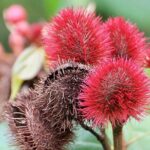
You’ll learn what Zanzibar is known for, including staples like cloves, nutmeg, cinnamon, black pepper, vanilla, cardamom, and more. The guide’s explanation connects the growing cycle and the plant parts to how they’re used. And that matters, because when you understand what you’re looking at—bark, seeds, pods, leaves—you stop thinking of spices as a jar and start thinking of them as ingredients with specific flavors.
What makes the farm visit especially satisfying is the direct interaction. You can touch, smell, and taste spices and herbs straight from plants. It’s one of those rare tours where your senses do the learning. If you’ve ever tried cooking with spices you bought in a supermarket and thought, why doesn’t this taste like I expected, this is the fix. Fresh plant flavors hit differently.
A small consideration: because you’ll be handling and tasting, it helps if you’re comfortable with smells that are strong. If you’re sensitive to intense aromas, you’ll still be able to participate, but you may want to pace yourself.
More Than Spices: Fruits and Herbs That Broaden the Flavor Map
One reason I’d do this trip even if you’re not a spice-nerd is that the farm experience includes more than just the headline spices. Along with fragrant plants, you’ll see fresh tropical fruits to taste. It’s a gentle reminder that Zanzibar flavor isn’t only about cloves and cinnamon—it’s also about what grows around them.
This also helps you get ready for the cooking portion later. When you’ve already tasted a few fruits and herbs on the farm, it’s easier to follow what Mama Africa is doing in the cooking session. Your palate isn’t starting from zero.
Also, one review mentioned cacao and vanilla as part of what they saw at the farm. So if you’re interested in chocolate-like flavors or want to understand how vanilla actually comes from a living plant, keep your eyes open during your farm walk.
Meeting Mama Africa: Swahili Food Practice You Can Actually Do
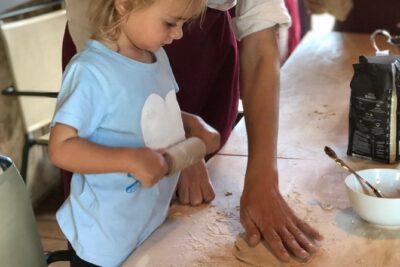
![Zanzibar Cooking Class [Swahili food test ] and Spice farm Private tour - Meeting Mama Africa: Swahili Food Practice You Can Actually Do](https://e.farmtourer.com/wp-content/uploads/zanzibar-cooking-class-swahili-food-test-and-spice-farm-private-tour.jpg)
After the spice farm walk, you shift gears and meet with Mama Africa for the cooking side of the day. This is the part where the tour becomes more than educational—it becomes practical. You’ll join in activities that lead up to cooking, rather than just being handed a finished dish to sample.
In this portion of the experience, you can take part in a cassava leaf harvest. Then you’ll help make coconut milk. That sequence matters: cassava leaves and coconut milk are central to many Swahili-style flavors, so you’re learning ingredients that aren’t just decorative. They’re the working parts of the meal.
Then you practice cooking Swahili food with spices you collect during the day. That final step is where you build the connection between plant and plate. You’ve smelled and tasted the spices, so when they show up in the pot, it’s not mysterious. It’s guided, hands-on, and meant for you to leave with a clearer understanding of what makes Swahili dishes taste like Swahili dishes.
One note from a past participant: the setting for cooking may look different from what you expect based on photos. That’s not a problem if you’re in the right mindset. Farm cooking is often simple and functional. The good part is the shared process—people working together and teaching by doing.
The Coconut Tree Climber Moment: A Small Task, Big Payoff
There’s also a young coconut tasting moment later in the trip. A coconut tree climber picks fresh young coconuts for you to try. This is a great reminder that on Zanzibar, the food story often comes from the whole landscape—roots, leaves, bark, fruit, and everything in between.
If you’ve ever tasted coconut milk but never had young coconut water or fresh coconut in the shell, this is a helpful contrast. You get to compare how coconut shows up in different forms, and it makes the coconut milk step later in the day feel more real.




Lunch at the Spice Farm: Where You Get to Put It Together
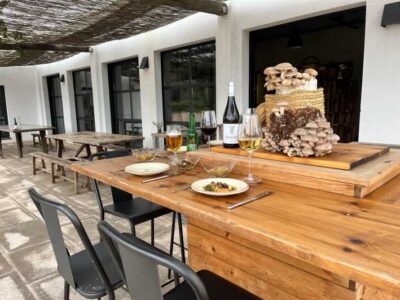
![Zanzibar Cooking Class [Swahili food test ] and Spice farm Private tour - Lunch at the Spice Farm: Where You Get to Put It Together](https://e.farmtourer.com/wp-content/uploads/zanzibar-cooking-class-swahili-food-test-and-spice-farm-private-tour-5.jpg)
Lunch is included, served at the spice farm. This is more than a break. It’s your chance to connect what you learned to what you’re eating.
When the meal follows a morning and early afternoon of smelling and tasting, you start noticing details you might otherwise miss. You’ll have a better sense of how spices shift flavor, how herbs contribute aroma, and how coconut and cassava change the feel of a dish.
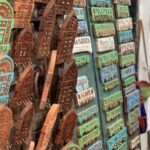
Also, since you have an opportunity to purchase spices from the farm shop after lunch, you’ll be in a strong position to buy smarter. You’re not shopping blind. You’ve already interacted with the plants and tasted the flavors, so you can pick what matches what you actually enjoyed.
Price and Value: What You Pay, What You Get, and How to Budget Smartly
At $59 per person, this is priced like a solid cultural experience, not a basic farm walk. The value comes from stacking three things into one package: a guided organic spice farm session, hands-on Swahili cooking practice with Mama Africa, and lunch plus private transportation.
Here’s what’s included that affects real value:
- Lunch
- Private transportation
- All fees and taxes
- A private tour setup for your group only
- Pickup offered
- A mobile ticket
Alcoholic beverages are not included, so you’ll want to plan around that if you drink.
The budgeting trick is not the base price—it’s the add-ons you may want to cover during the day. One highlight from past guests: bring cash for tipping and for purchases. The tour’s involved steps may not take cards, so keep some Tanzanian shillings and small change ready. I’d treat this like a day where you’re paying for human effort in multiple places, not one single transaction.
If you’re thinking about value, compare this to tours that only do a short farm stop and end. Here, you get at least five hours, and the later cooking portion is built into the same experience, which is where the learning sticks.
Timing and Logistics That Matter on Zanzibar Days
The tour starts at 9:00 am and runs about five hours total. The farm portion is about three hours, then the cooking and practice portion is about two hours. That split is helpful because it keeps the day from feeling chaotic. You know you’ll first focus on plants and flavors, then you’ll shift to hands-on cooking.
Pickup is offered, and the tour is set up as private. That means your group stays together rather than mixing with strangers. It’s a better match for families, friend groups, and anyone who wants a more personal pace while still learning a lot.
It’s also good to know the tour is meant for most travelers to participate, and service animals are allowed. The experience is close to public transportation as well, which can be useful if you’re changing plans.
Who Should Book This Spice + Cooking Combo (and Who Might Skip It)
I think this tour is a great fit if you want Zanzibar flavor with context. Book it if you:
- Love food experiences that teach you how ingredients work
- Want hands-on cooking, not just tastings
- Prefer a private guide and a calmer pace
- Plan to buy spices and cook with them later
- Enjoy learning about how local food traditions connect with everyday farming
You might skip it if:
- You want a mostly passive tour (this one is hands-on, with tasting and cooking practice)
- You dislike strong smells from herbs and spices, since the farm portion includes active smelling and tasting
- You don’t want to handle any cash tipping or purchases during the day
Should You Book Zanzibar Cooking Class + Spice Farm?
Yes—if you’re aiming for a Zanzibar experience that goes beyond the typical souvenir route. The biggest reason to book is the combination: a real spice farm visit where you can taste what you’re learning, followed by a cooking session with Mama Africa that helps the flavors click. Lunch included plus pickup and private transportation makes it feel like a full day planned for you, not just a short activity stitched onto your trip.
If you do book, come prepared for the sensory side of spice farming, and bring enough cash for tips and shop purchases. Do those two things, and you’ll likely leave with better flavor knowledge than most people ever get from Zanzibar.
FAQ
How long is the Zanzibar spice farm and cooking experience?
It runs about 5 hours total.
What time does the tour start?
The start time is 9:00 am.
Is pickup included?
Pickup is offered, and the tour uses private transportation.
What is included in the price?
Lunch is included, along with private transportation and all fees and taxes.
Do I taste spices during the tour?
Yes. You’ll be able to touch, smell, and taste spices and herbs directly from the plants.
What do I do with Mama Africa?
You meet Mama Africa for Swahili dishes and can join activities like cassava leaf harvesting and making coconut milk, plus practicing Swahili cooking with spices collected during the day.
Is alcohol included?
No. Alcoholic beverages are not included.
Can I cancel for a full refund?
You can cancel for a full refund up to 24 hours before the experience starts.
Is it a private tour?
Yes. It’s private, meaning only your group participates.