REVIEW · ZANZIBAR CITY
Spice Farm Tour -Half Day
Book on Viator →Operated by Zanzibar Treasure Tour & Safaris · Bookable on Viator
A spice farm tour in Zanzibar has a secret superpower: smell. I like that this half-day walk pairs Kidichi Persian Baths with an up-close shamba lesson where you can taste and smell cloves, lemongrass, nutmeg, and more. The standout for me is the “see it, then use it” way the guide explains cultivation and everyday uses. One thing to consider: it’s a walking experience, so pack for a bit of uneven ground and bring a moderate-fitness mindset.
What you get is practical, not just pretty. You’ll start with a drive and a scenic countryside feel, then switch into a guided walk through working spice farms where tropical fruits grow right alongside aromatics—so the whole place reads like a real ingredient list. Expect sampling, lots of questions, and a chance to shop for spices afterward with better eyes and nose.
If you’re hoping for a long meal-focused outing, this isn’t that. It runs about 3 hours, includes water, and skips lunch and coffee/tea—so you’ll want to plan your day around it.
In This Review
- Key highlights you’ll feel right away
- Kidichi Persian Baths: architecture, power, and the island’s plant economy
- The countryside drive: getting your senses ready
- Walking the spice shamba: your plant lesson actually makes sense
- Taste and aroma time: how to get the most out of samples
- How the Persian baths + farm walk connect
- Cooking class option (on request): when you want to go further
- Price and value: is $50 worth a half-day?
- Timing, group size, and comfort details that matter
- Shopping after: use the tour to buy smarter
- Should you book the Spice Farm Tour – Half Day?
- FAQ
- How long is the Spice Farm Tour – Half Day?
- Is hotel pickup and drop-off included?
- What’s included in the price?
- Do I get lunch or coffee/tea?
- Is there a restroom on board the transport?
- Can I add a cooking class?
- What happens if the weather is poor?
Key highlights you’ll feel right away
- Kidichi Persian Baths first, then the shamba: history in stone, then history in soil.
- Scent-and-taste learning: you don’t just hear about spices—you smell and sample them.
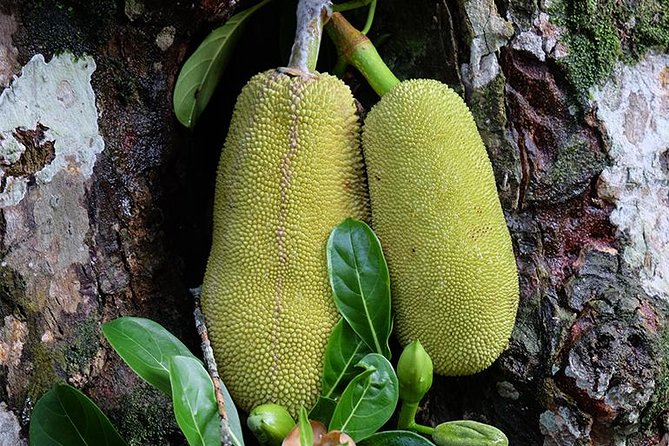
- Real spice and fruit growing together: clove trees and tropical harvests share the same air.
- Small group size: up to 20 people, which makes it easier to ask questions.
- Comfortable transport plus hotel pickup: air-conditioned driving and a smooth start.
- Optional cooking class on request: if you want more than tasting, you can ask.
Kidichi Persian Baths: architecture, power, and the island’s plant economy
Your morning (or afternoon) starts with a stop at Kidichi Persian Baths, and it’s a smart opener. Before you even step into a farm, you get a snapshot of how Zanzibar’s spice wealth shaped what powerful people built—and where they built it.
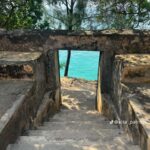
These baths sit on a high point on the island and were built by Sultan Seyyid Said in the era tied to his Persian wife, Princess Sheherezade. The details matter here. The bathing area is decorated with ornamental Persian stucco work, and the baths themselves are remarkably preserved. You’ll see a sequence of domed bathhouses with deep stone baths and massive seats—more “architectural time capsule” than quick photo-stop.
Then you’ll get the contrast that makes it stick. Nearby at Kizimbani, the baths were built into the Sultan’s clove and coconut plantation, which is a vivid reminder that Zanzibar’s spice economy wasn’t just traded—it was grown, managed, and woven into daily life. Walking from history to farming like this helps you understand why spices mattered so much that they were literally part of the landscape people designed.
What to watch for: this stop is a change of pace. If you’re someone who gets hot easily, bring light layers and keep some water handy, since the wider tour involves walking and outdoor time.
You can also read our reviews of more tours and experiences in Zanzibar City.



The countryside drive: getting your senses ready
After Kidichi, you’ll head through countryside with lots of greenery. This drive isn’t just transit; it’s a mood-setter. You’re going from the stone baths into working shamba land, and you’ll start to get hit with the aromas before the walking even begins.
This is where the tour’s “smell first” approach starts to pay off. You’re moving through areas where spices and fruit trees are cultivated side by side, so your brain begins linking the names you’ll hear later to actual plants and actual scents.
The tour uses a private, comfortable vehicle with air conditioning, plus hotel pickup and drop-off. It’s a nice balance: outdoor walking on the other side, but not a tiring start-to-finish slog.
Practical note: there’s a bottle of water included, but you’ll still want to keep your own pace. If you’re heat-sensitive, plan to slow down during the walk rather than trying to “power through” just to keep up.
Walking the spice shamba: your plant lesson actually makes sense
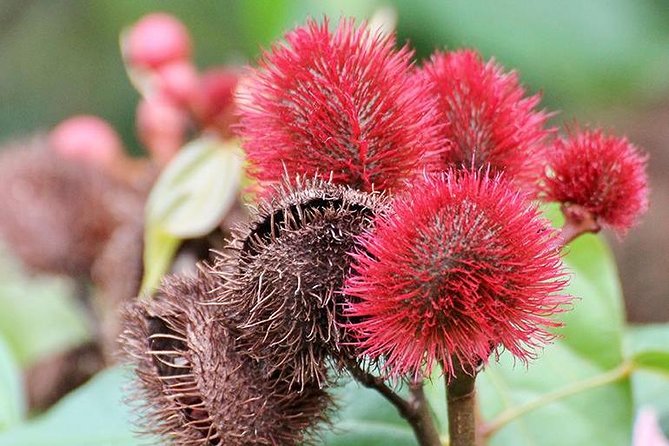
Once you’re on the farm, you’ll do a real walking tour through Zanzibar spice farms and plantations. This is the heart of the experience: the guide shows you how spices, herbs, and fruits grow and how they’re cultivated. The best part is the “why this matters” explanation—how something turns into something you use.
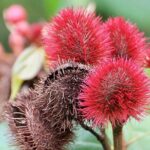
You’ll get the classic spice line-up, plus the everyday fruit-side of Zanzibar agriculture. On this tour, you’ll be smelling and tasting a selection that can include:
- clove
- lemongrass
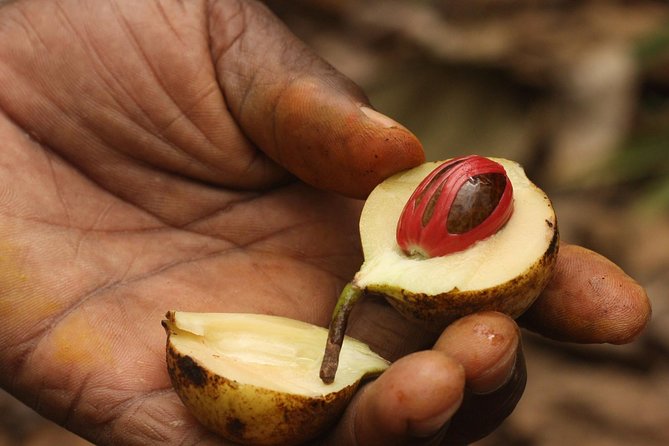
- nutmeg
- cinnamon
- turmeric
- vanilla
- black pepper
- cassava
- cardamom
And you’ll also encounter tropical fruits that may include coconuts, papaya, chili, jackfruit, and oranges. You may also sample things like pineapple, banana, green coconut juice, durian, love apple, and litchi, depending on what’s in season.
That last part—seasonality—is important. A spice farm isn’t a museum. It changes. When you taste and smell what’s currently growing, your understanding becomes more grounded. Instead of learning spices as words on a label, you learn them as living plants with harvest windows.
The pacing is also worth noting. The tour is about three hours total, so it avoids the slow “tour bus of wandering.” You’ll walk, learn, sample, then return. It’s efficient without feeling rushed.
Possible drawback to plan around: because this is a working farm walk, conditions can vary. Wear footwear that won’t panic if you step in uneven ground. Also, moderation matters—this tour lists a moderate physical fitness level.
Taste and aroma time: how to get the most out of samples
Sampling is the big draw, and it’s also where you can get the most value. It’s easy to treat tasting like a party trick. Instead, approach it like a lesson.
Here’s how I’d do it so you absorb the info:
- Take a sniff first, then taste.
- Try to connect the scent to a household use you already know.
- Ask what form the spice is used in and why it’s grown here.
Because the guide explains cultivation and uses, you’re not just collecting flavors—you’re learning what each plant contributes. That’s the difference between a “nice smell tour” and a “I’ll remember this on every recipe later” tour.
If you’re a shopper, tasting also helps you calibrate quality and intensity. You’ll get a feel for how strong a spice is when it’s fresh from the plant versus how it tastes once it’s dried and processed back home. That’s huge when you’re standing in a shop later trying to decide what’s worth paying for.
One more practical thing: the tour includes a bottle of water, which is useful, because tasting multiple things makes your mouth dry faster than you expect. Since lunch and coffee/tea aren’t included, keep your day’s food plan simple—have a meal before or after.
How the Persian baths + farm walk connect
It might sound like two different experiences: Persian baths on one hand, spice agriculture on the other. But they connect in a clear way.
Kidichi shows you the island’s history through building style and patronage—who had the power, who had the taste, and why they invested in Zanzibar. The spice farm shows you how that power translated into something tangible: land use, cultivation, and everyday life shaped around crops.
And the tour doesn’t stop at “pretty plants.” You’re learning how the crops are grown and how they’re used. That makes it feel less like a staged attraction and more like understanding Zanzibar’s ingredient culture at its source.




Cooking class option (on request): when you want to go further
This tour includes an option to add a cooking class in the spice farm, but only if you request it. That’s a good feature to keep in your back pocket.
If you’re the type who forgets details the second you leave the farm, a cooking session can lock the flavors into muscle memory. You’d walk out not only knowing what you tasted, but knowing how those spices behave in heat, timing, and combinations.
If you don’t add it, you’ll still leave with enough spice understanding to recognize what you’re buying when you shop.
Consider this choice: if you’re short on time, stick to the half-day basics. If your schedule allows and you like hands-on learning, ask about adding the cooking element.
Price and value: is $50 worth a half-day?
At $50 per person for about three hours, you’re paying for several things at once: a guided walk through a working spice farm, tasting and aroma sampling, hotel pickup and drop-off, and admission for the Kidichi Persian Baths. You also get a water bottle.
That bundle matters. A lot of tours sell “spice farm” as scenery plus a guide. This one combines:
- an actual farm walk with crops and cultivation talk
- tastings of spices and tropical fruit
- a meaningful historic stop with included admission
- convenient logistics with air-conditioned transport
Where you should think carefully is what you’re not getting. Lunch and coffee/tea aren’t included, and there’s no restroom on board. This is a short outing, so plan snacks or meals around it.
For many people, the value equation comes down to whether tasting and learning feels worth it. If you’re even slightly curious about how spices grow and how they get used, this price tends to make sense. If you mainly want a long, meal-heavy day trip, you may feel it’s too short for the money.
Timing, group size, and comfort details that matter
This is a half-day tour with an approximate 3-hour duration, and it caps at a maximum of 20 travelers. That’s a sweet spot. You get small-group energy without the pressure of being squeezed into a tiny private bubble.
Pickup and drop-off are included, and the transport is private and air-conditioned. That means you’re not hunting for the meeting point or roasting in the car before you get to the good part.
Fitness level is listed as moderate. Translation: comfortable shoes and a steady pace will serve you well. Don’t plan to sprint between stops.
Weather also matters. The experience requires good weather, and if it’s canceled due to poor conditions you’ll be offered a different date or a full refund. If your trip is tight and you hate uncertainty, keep this in mind and choose a day that has some slack.
What to bring: comfortable walking shoes, sun protection, and a lightweight layer if you get cool in shaded areas. Since lunch isn’t included, also plan when you’ll eat.
Shopping after: use the tour to buy smarter
One of the tour’s real benefits is what it does to your shopping instinct. If you go in without context, spice markets can feel like a blur of labels and claims. After tasting and learning from the farm, you’ll have a better sense of what you actually like, what aromas you recognize, and what intensity means.
You’ll also be able to ask better questions in shops:
- Which spice is fresh-dried versus old stock?
- What form is best for cooking versus grinding?
- What blend matches the flavor you tasted?
And yes—this is a great time to shop for spices. You’re standing at the point where knowledge turns into purchase decisions, and you’ll likely spend with more confidence.
Should you book the Spice Farm Tour – Half Day?
Book it if you want a short Zanzibar outing that mixes history + agriculture and includes real tasting, not just walking past plants. It’s especially worth it if you like cooking, spices, fruit, or you want to leave with a deeper appreciation for flavors you’ll keep encountering back home.
Skip it or consider a different option if you’re looking for a long day with lunch included, or if you don’t enjoy walking on uneven farm ground. Also, if you hate weather-dependent plans, schedule with some flexibility.
Overall, this half-day format hits a strong sweet spot: you get Kidichi Persian Baths, a guided shamba walk, samples of spices and tropical fruits, and convenient transport—then you’re done while the rest of Zanzibar still has plenty of time to surprise you.
FAQ
How long is the Spice Farm Tour – Half Day?
It lasts about 3 hours (approx.).
Is hotel pickup and drop-off included?
Yes. Hotel pickup and drop-off are included, and you travel in a private comfortable vehicle with air conditioning.
What’s included in the price?
The tour includes an experienced professional tour guide, hotel pickup and drop-off, a bottle of water, and admission ticket included.
Do I get lunch or coffee/tea?
No. Lunch and coffee and/or tea are not included.
Is there a restroom on board the transport?
No restroom on board is listed as not included.
Can I add a cooking class?
Yes. A cooking class option in the spice farm is available on request.
What happens if the weather is poor?
This experience requires good weather. If it’s canceled due to poor weather, you’ll be offered a different date or a full refund.