REVIEW · ZANZIBAR CITY
Zanzibar: Jozani forest tour & Spice farm tour with lunch
Book on GetYourGuide →Operated by Zanzibar Home Tours & Safari · Bookable on GetYourGuide
Red monkeys and spice smells in one day. This is a Jozani Forest plus spice farm day that ties Zanzibar’s everyday farming life to the island’s most famous wildlife, from red colobus sightings to mangrove critters. I like that the spice side is hands-on, with guided walking through fields and explanations of how spices are grown and used. I also like the payoff at Jozani, where you get a real nature walk with a focus on monkeys, birds, and mangroves.
One thing to keep in mind: the spice farm portion can include time for shopping and souvenir stops, so if you prefer a pure farm walk, plan to set your pace.
In This Review
- Key things to know before you go
- Why this Zanzibar combo tour is a smart use of 6 hours
- Getting to the spice farm: how the day starts
- Spice farm walking tour: what you’ll actually learn and taste
- Lunch on the farm: why pilau and fruit matter here
- The spice-shopping reality: enjoy it, but set your expectations
- Jozani Forest National Park: red colobus plus more wildlife than you expect
- Mangroves at Jozani: the small stuff is the big show
- Photo tips for red colobus and mangrove critters
- Price and value: is $110 per person fair for this day?
- Who this tour suits best
- Should you book this Zanzibar Jozani + Spice Farm day?
- FAQ
- How long is the Zanzibar Jozani forest and spice farm tour?
- Is pickup and drop-off included?
- What’s included in the price?
- Is the tour guide available in English?
- Is this a private group tour?
- Is there free cancellation?
Key things to know before you go
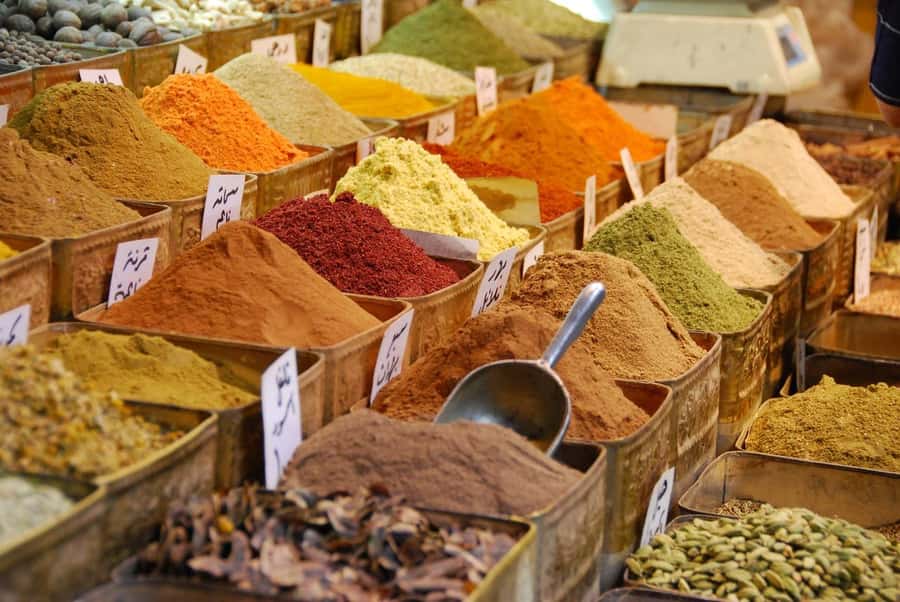
- Spice farm walk that connects plants to real uses: you’ll learn how herbs and spices are used for flavor and also traditional medicine.
- Lunch is part of the experience: spiced rice (pilau) plus tropical fruits help you taste what you learned.
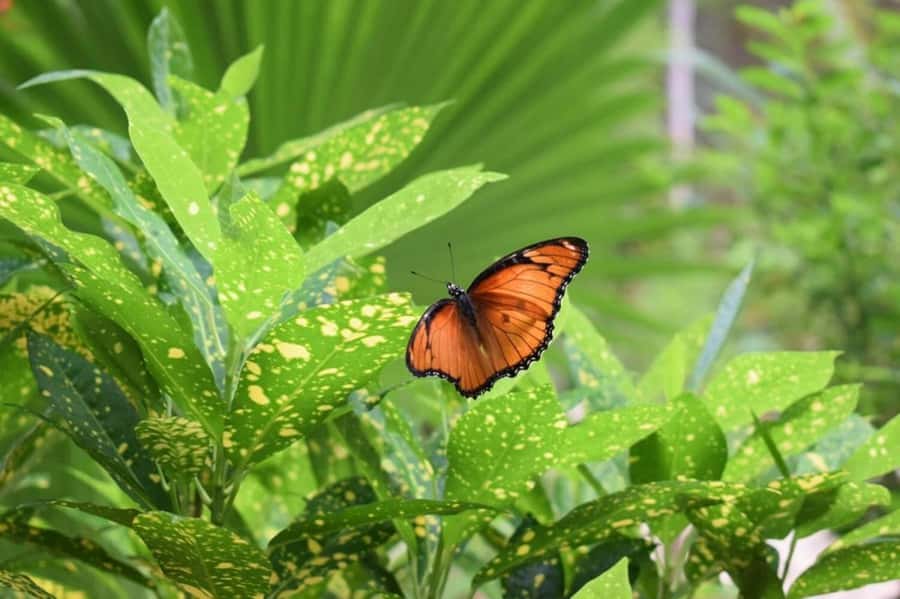
- Jozani Forest is about more than monkeys: you’ll also look for bush babies, birds, butterflies, and mangrove life.
- Mangrove roots get the spotlight: expect to see small fish between mangrove roots and crabs moving across mud.
- Your guide can make or break the day: strong guides like Ramadan or Iddi can turn this into a fun, question-friendly outing.
- Photo/video time is built in: you can take pictures and video during the Jozani section.
Why this Zanzibar combo tour is a smart use of 6 hours
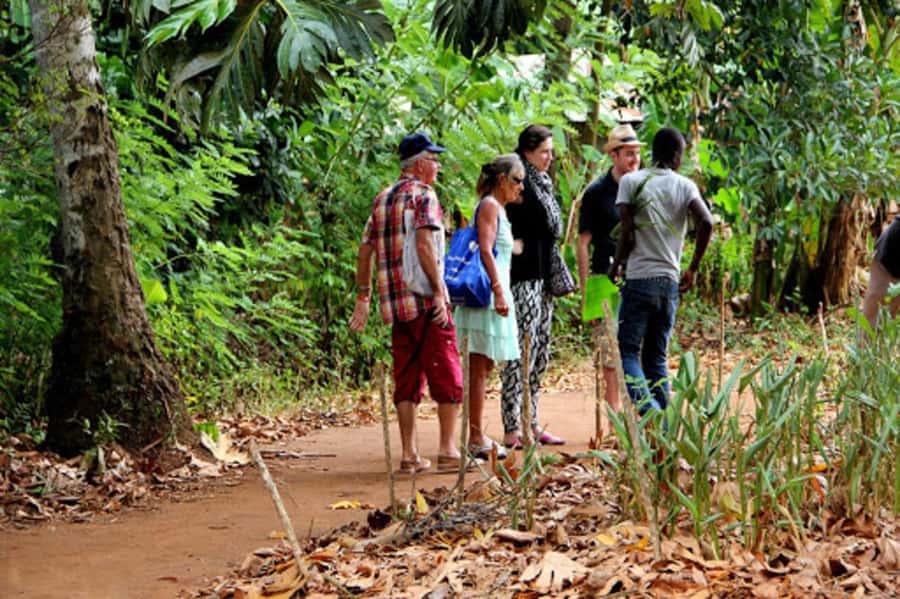
If you’re short on time in Zanzibar, this kind of combo day makes sense. You’re not choosing between wildlife and culture. You get both, in one continuous flow: first spice farms and village life, then Jozani Forest and mangroves.
The value is in the pairing. Spices are a big part of Zanzibar’s global reputation, but they’re also a local daily reality—how farmers grow, harvest, and use plants. Then Jozani shows you the other side of island life: forests shaped by conservation and mangroves shaped by the ocean.
The day runs around a private group format with a local guide in English, plus hotel pickup and drop-off. You’ll ride in a van, with time set aside for a guided walk and stops at each location.
You can also read our reviews of more tours and experiences in Zanzibar City.

Getting to the spice farm: how the day starts
Most tours like this begin with a hotel pickup, and this one covers a long list of areas around Unguja. Depending on where you’re staying, you might be picked up from places like Stone Town, Jambiani, Nungwi, Paje, Kiwengwa, Kendwa, and several others.
Once you’re in the van, the ride time matters because it sets your pace for the whole day. Don’t schedule anything tightly right after pickup time. You want your energy for walking and tasting.
You’ll spend roughly the first half of the day with the spice farm visit. Expect a mix of photo stop time, guided walking, and time to eat before you move on.
Spice farm walking tour: what you’ll actually learn and taste
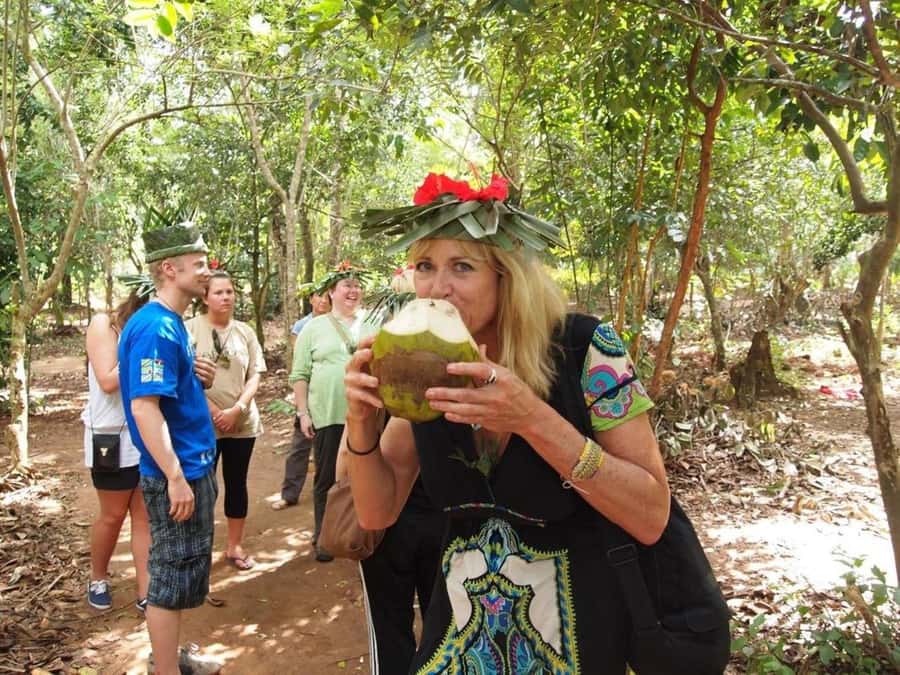
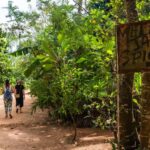
This is the heart of the morning. You’ll walk through spice farms and surrounding village areas, guided by someone who explains how plants are grown and harvested on Zanzibar.
Here’s what makes the spice farm portion worth your attention:
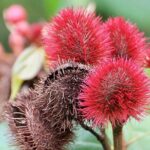
You learn the connection between plant, use, and culture. The tour isn’t just naming plants. You’re told how spices and herbs are used as medication and as flavor in local dishes. That’s the sort of detail that helps spices stop being vague souvenirs and become something you can picture in cooking.
You meet rural farmers and see farming methods firsthand. You’ll have opportunities to learn about African farming methods used in the region. Even if you’re not a gardening person, it’s a good change from watching performances or buying things in a shop.
The tour includes guided tasting and natural smells. Multiple people highlight how strong and distinct the natural aromas can be during the walk. One of the best parts is that you’re not just hearing about flavors—you’re smelling and tasting as you go.
A quick note on guide quality: the tour can be led by different guides depending on the day. People have specifically mentioned guides like Ramadan as being friendly, fun, and great at explaining things step by step, and Iddi as making the day informative in a lively way. If you ask questions about how spices are used in cooking or why certain plants grow best in Zanzibar, a strong guide will work with you.
Lunch on the farm: why pilau and fruit matter here
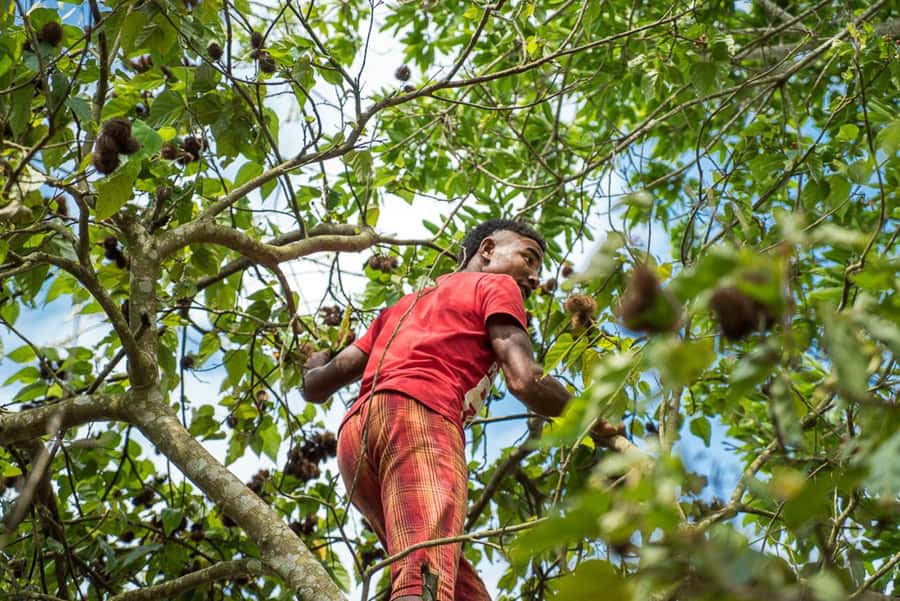
This tour doesn’t treat lunch as a break thrown in at the end. Lunch is part of the learning chain.
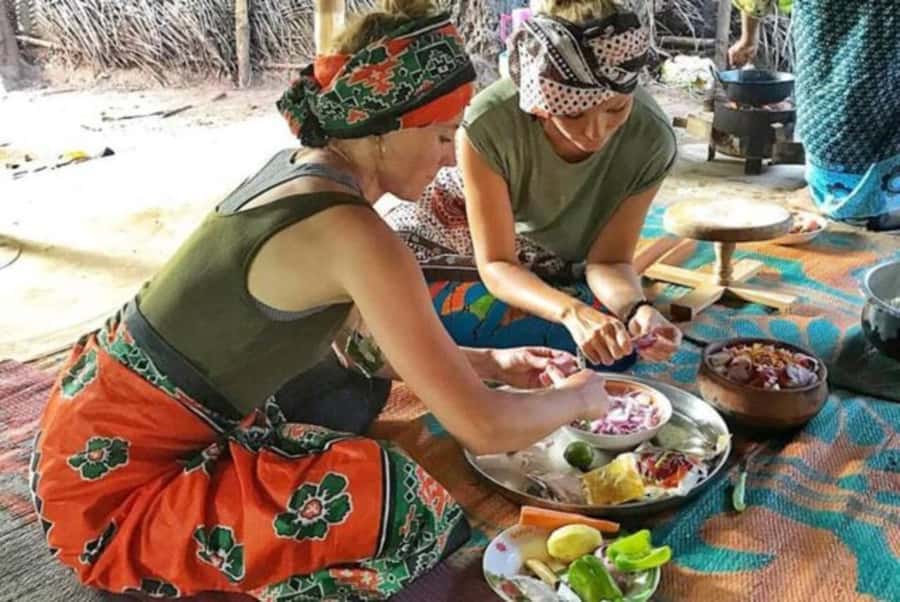
You’ll have lunch on the spice farm, including spiced rice (pilau) and tropical fruits. The fruits you might taste include options like bananas, mangoes, oranges, and papaya, depending on what’s available that day.
Why this is useful: after the walk, you’ll remember the plant explanations more easily when you’re eating foods tied to those explanations. Pilau is a great example because it’s where multiple flavors come together. Even if you only taste a little, you get a clear idea of how spices show up in real meals.
Also, lunch here is often eaten in a simple, local setup. That kind of setting tends to keep the day feeling grounded rather than overly staged.
The spice-shopping reality: enjoy it, but set your expectations
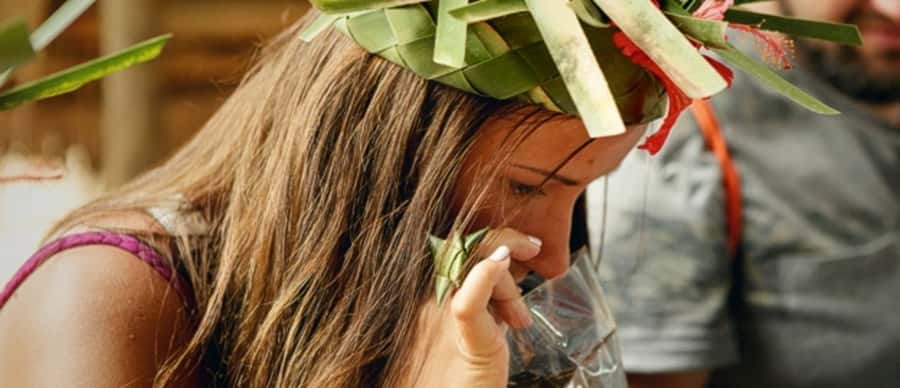
Be aware that the spice farm part can include time for shopping and souvenir stops. In practice, that means you might be brought to areas where products are presented, including items like spices, soaps, perfumes, and related goods.
This isn’t automatically bad. Shopping can be part of supporting local businesses. But if your main goal is walking through the farm and hearing about plants, you’ll want to keep an eye on how much time gets spent away from the guided route.
One practical way to handle this: decide in your head what you’re willing to buy before you’re offered the chance. If you want only a small item (like a spice mix or a small bottle of oil), you’ll feel less pressured to buy more.


Jozani Forest National Park: red colobus plus more wildlife than you expect
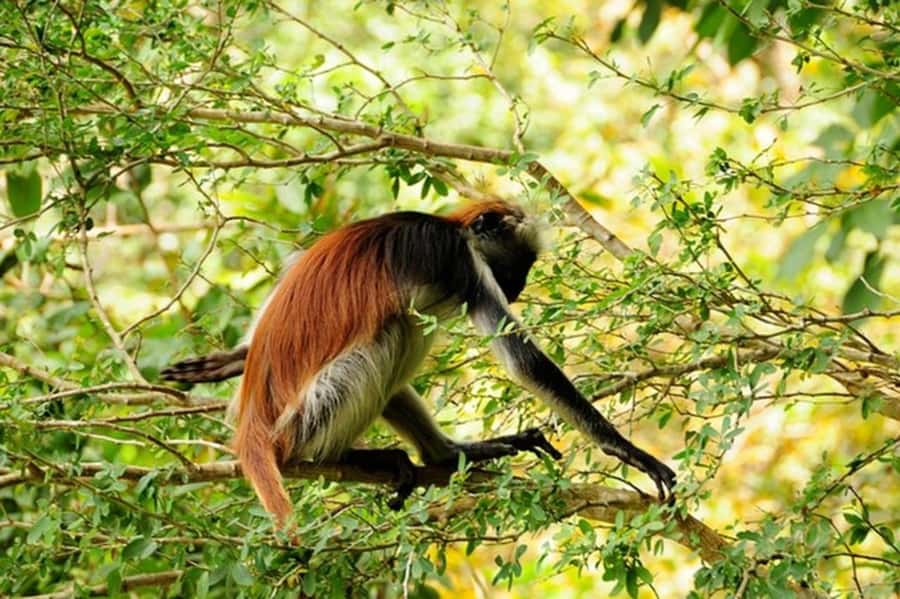
After the spice farm, the day moves to Jozani Forest National Park. This is where the tour delivers on the headline: red colobus monkeys.
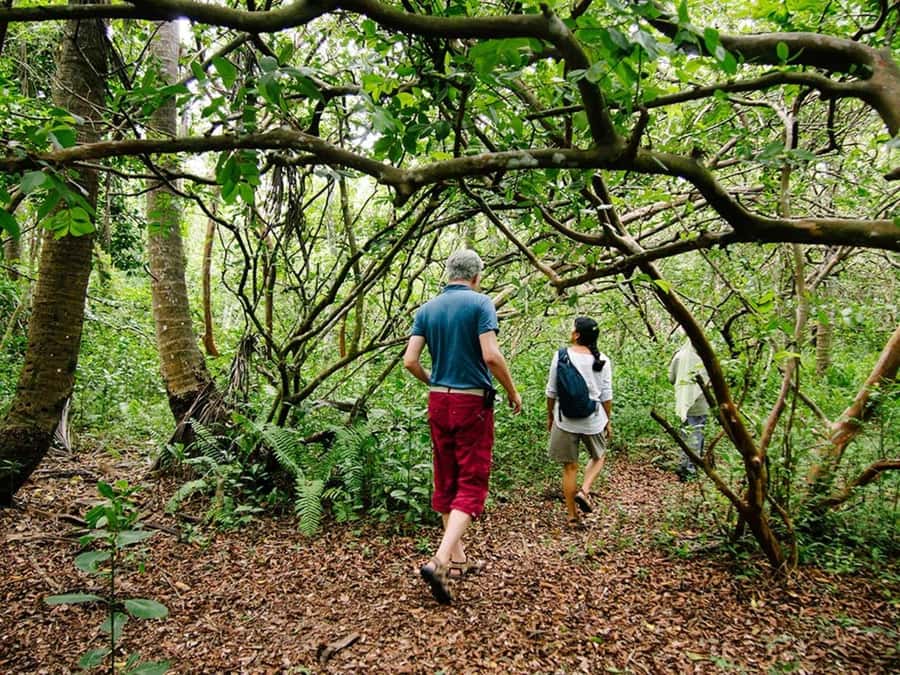
The park visit is guided, with time for a walk and also photo stops. You’ll have chances to see:
- Red colobus monkeys
- Bush babies
- Birds
- Butterflies
- Plus mangrove forest scenery and small ocean-edge wildlife
A big plus is that you’re not restricted to staring from one spot. You can take video and pictures, so you can capture moments rather than just glance and move on.
How it feels in practice depends on your guide. Some guides keep a fast rhythm of facts. Others slow down and answer questions as you go. People have noted that different guides can shape how much you learn during the Jozani segment, so if you like learning-by-asking, come with questions ready. For example: ask how red colobus behave, or what makes mangroves important in Zanzibar’s ecology.
Mangroves at Jozani: the small stuff is the big show
The mangrove section is one of the most memorable parts of this outing. Mangroves are one of those ecosystems that feel different the moment you see roots and muddy ground under them.
Here’s what you’re looking for in this tour’s version of the mangrove experience:
- Medical plants you can learn about during the walk
- Mangrove forest itself
- Tropical fish flitting between mangrove roots
- Crabs scuttling across the mud
Even if you’re not a wildlife photographer, this is fun because it feels like a guided hunt for motion. The roots, the shadows, and the small movement give you plenty to watch.
And if you’ve never seen mangroves up close, it’s the kind of natural contrast that makes Zanzibar feel more than just beaches.
Photo tips for red colobus and mangrove critters
You can take pictures and video, so make your camera work for you.
For red colobus: keep your expectations realistic. The experience is often easier when you follow your guide’s pointing rather than trying to track monkeys on your own for too long. You’ll get more keepers when you stay positioned and wait for movement.
For mangroves: use a slightly wider frame. Roots and mud create busy backgrounds. If you shoot wider, you can capture the full scene, not only one crab or one fish.
If you’re using a phone, consider using quick burst mode for monkey moments and then slow down to frame the mangrove roots afterward. It’s a low-effort way to improve your results.
Price and value: is $110 per person fair for this day?
At $110 per person for about a 6-hour outing, this is priced in the mid-range for Zanzibar guided experiences that include transport and park fees.
What you get for that money:
- Hotel pickup and drop-off (from many Zanzibar locations)
- A local guide in English
- Entrance fees
- Lunch
- Zanzibar fruits
- A private group setup
Is it worth it? It’s a good value if you want two things in one day without the hassle of organizing transport between locations. The included entrance fees and guide time matter more than you might think, especially at Jozani, where a guided walk keeps you from wandering in circles.
Where it might feel less worth it is if you’re picky about shopping time at the spice farm or you don’t care much about learning plant uses. If you want a pure wildlife day only, you may prefer a dedicated Jozani-only option.
For the right traveler, though, the day’s mix—spice learning, taste, then monkeys and mangroves—is exactly the kind of Zanzibar combo that saves time and adds variety.
Who this tour suits best
This works especially well if you:
- Want a guided day without deep planning
- Like learning how island life works (plants, farming, food)
- Want to see wildlife but don’t want a long multi-day safari
It’s also a good pick for families and couples because the pace stays human. There’s walking, but it’s not described as an all-day trek.
If you hate souvenir pressure or you prefer quiet nature walking with fewer stops, you’ll want to manage your expectations on the spice farm side and keep your focus on the guided route.
Should you book this Zanzibar Jozani + Spice Farm day?
I’d book it if you want a practical Zanzibar day with real variety: plants you can smell, food you can taste, and wildlife you can photograph.
I’d think twice if your main goal is one thing only, like max wildlife time deep in the forest. This outing blends stops, and part of the day is intentionally “culture and plants” rather than purely nature time.
If you do book, go in with the right mindset: ask questions, take your time during tastings, and then slow down when you hit the mangroves. That’s where the day gets memorable fast.
FAQ
How long is the Zanzibar Jozani forest and spice farm tour?
The tour duration is listed as 6 hours.
Is pickup and drop-off included?
Yes. The tour includes transport from your hotel and back again, with pickup and drop-off at multiple locations around Unguja.
What’s included in the price?
Included items are a local tour guide, hotel pickup and return transport, entrance fees, lunch, and Zanzibar fruits.
Is the tour guide available in English?
Yes. The tour language is English, and you’ll have a live tour guide.
Is this a private group tour?
Yes. The group type is listed as private group.
Is there free cancellation?
Free cancellation is listed as available up to 24 hours in advance for a full refund. You can also reserve now and pay later.