REVIEW · NAIROBI
Private Day Trip to Kiambethu Tea Farm in Limuru from Nairobi
Book on Viator →Operated by PERFECT WILDERNESS TOURS AND SAFARIS · Bookable on Viator
Tea in Limuru feels like a reset. I like that this private day trip builds the whole experience around Kiambethu’s tea heritage, and you get hotel pickup plus tea tasting on arrival. One possible drawback: the focus is the plantation and tasting, so if you’re hunting for a full, hands-on tea-factory walkthrough, this day may feel a bit light on that specific detail.
Kiambethu Tea Farm is one of Kenya’s oldest tea estates, dating to 1910 and still run by the same family linked to its founding by AB McDonell. The route takes you up to Limuru at about 7,200 feet (2,195 meters), and you’ll spend the middle of the day in cooler, green surroundings with views toward the Ngong Hills.
Along the way, I think you’ll enjoy two things most: a guided walk that explains how tea leaves grow and get processed, and a relaxed tea-and-lunch break with farm-made flavors. You also might spot Colobus monkeys and lots of birds, but sightings are never guaranteed.
In This Review
- Key things to know before you go to Kiambethu
- Nairobi to Limuru: the drive that actually sets the tone
- Meeting the tea estate: a farm rooted in 1910
- Walking the plantation: how tea leaves grow, get picked, and processed
- Colobus monkeys, birds, and a short nature detour
- Tea tasting with farm-made drinks: what you should pay attention to
- Lunch overlooking the Ngong Hills: why the meal is more than a break
- The practical side: timing, group feel, and what you’re paying for
- Who this Kiambethu tea farm day trip is best for
- A quick reality check: what could disappoint you
- Should you book the Kiambethu tea farm private day trip?
- FAQ
- What time does the tour start in Nairobi?
- How long is the Kiambethu tea farm experience?
- What’s included in the price?
- Is alcohol included with lunch or drinks?
- Will I see animals like Colobus monkeys?
- Do you visit just tea fields or also nature areas?
- Is this tour private?
- What are the cancellation terms?
Key things to know before you go to Kiambethu
- Private, door-to-door comfort: pickup and drop-off are included for Nairobi CBD hotels or residences.
- 7,200-foot setting: Limuru sits high, so plan for a cooler feel than central Nairobi.
- Old-estate tea heritage: the farm traces back to 1910, founded by AB McDonell and still operated by the same family.
- Plantation walk plus forest time: you’ll go beyond the tea rows into indigenous-forest plant spotting and gardens.
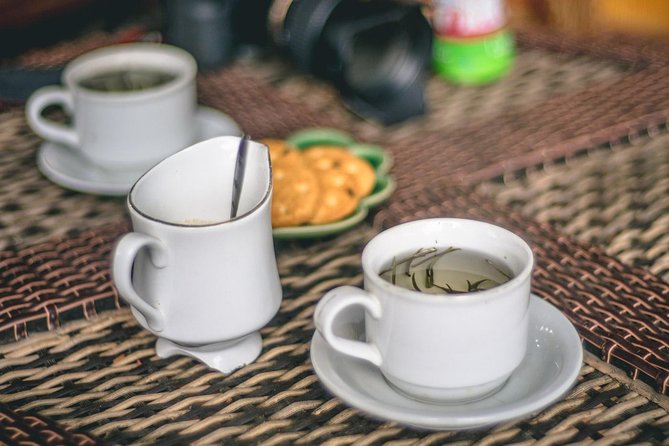
- Tea tasting and farm drinks: you’ll have freshly brewed Kenyan tea plus drinks with the farm experience.
- Lunch with Ngong Hills views: a 3-course meal happens in a setting designed for lingering.
Nairobi to Limuru: the drive that actually sets the tone
This day trip starts with pickup in Nairobi CBD at 9:45am, then heads to Limuru, arriving around 11am. The timing matters: you’ll reach the farm without feeling rushed, and you still get a full afternoon back in Nairobi.
Limuru is at about 7,200 feet (2,195 meters). That altitude isn’t just trivia—on a misty or cool morning, the tea landscape can feel almost unreal, with better air and fewer of the city’s harsh temperatures. If you tend to feel chilly, bring a light layer even if Nairobi feels warm.
Transport is part of the value here. You’re paying for a private vehicle experience, not just a ticket to the farm. In practical terms, that means you don’t have to coordinate taxis, timing, or directions once you’re out of Nairobi traffic.
You can also read our reviews of more tours and experiences in Nairobi.
Meeting the tea estate: a farm rooted in 1910
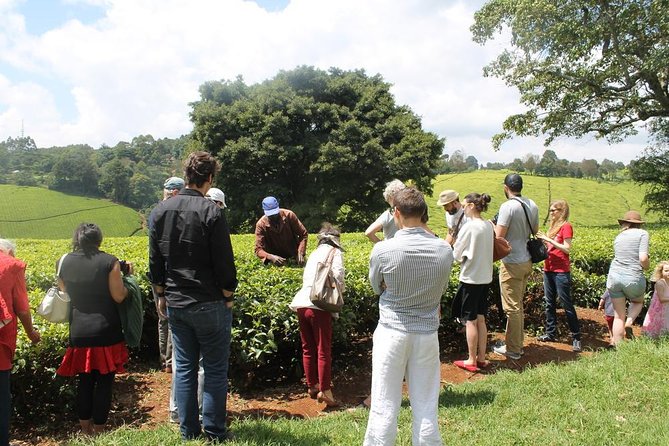
At Kiambethu, you start with a walking tour led by a local English-speaking guide. The farm’s story is built into the visit, starting with its founding by AB McDonell in 1910, and continuing as a family-run operation connected to that early era.
I like this approach because it turns tea from a product into a place. Instead of only tasting the end result, you learn how the plantation is managed and how tea leaves move from plant to cup. That context sticks, especially when you later taste fresh tea and can place what you learned into real flavors.
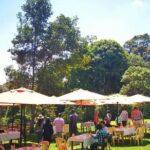
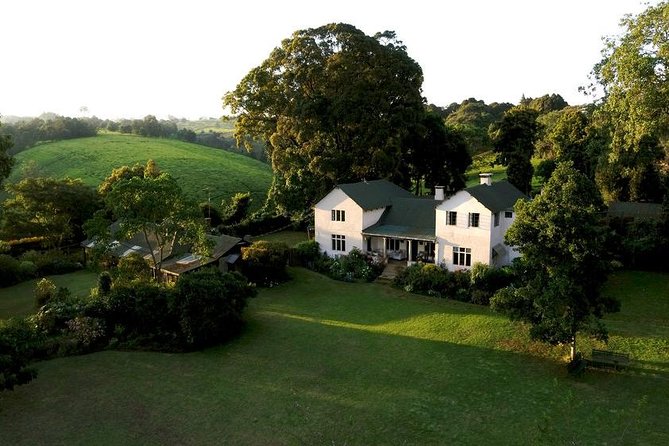
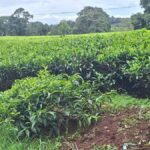
You’ll also get that scenic pause that makes tea country feel different from the city. Back at the farmhouse, the verandah views stretch across the tea fields toward the Ngong Hills. It’s the kind of stop where you naturally slow down, take a breath, and just look.
Walking the plantation: how tea leaves grow, get picked, and processed
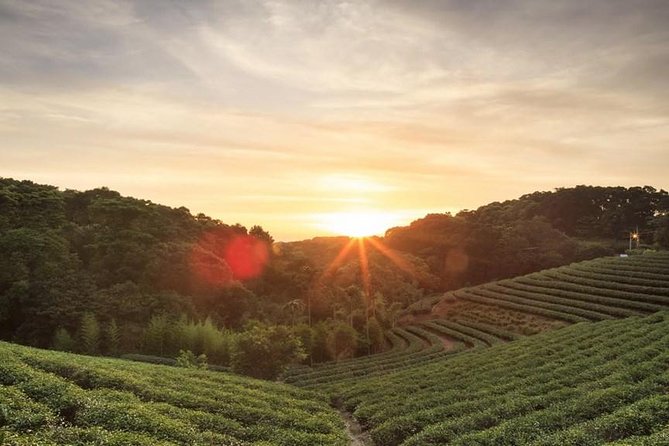
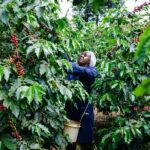
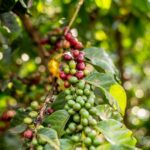
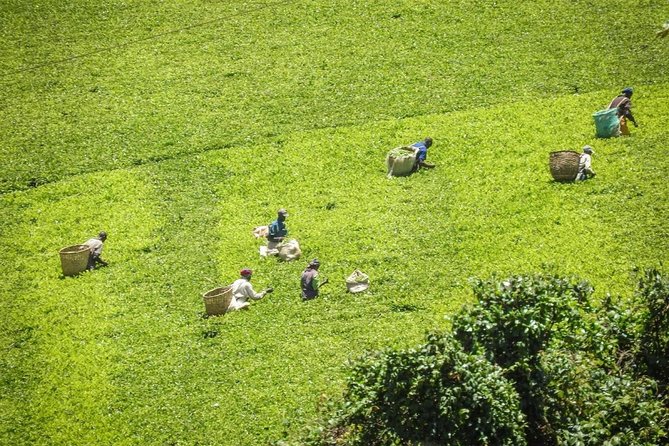
The heart of the visit is the plantation walk. Your guide explains the growing and picking of tea leaves, then covers processing—how tea goes from freshly handled leaf to brewed tea you can taste.
What I like about this style of learning is that it’s practical. Even if you’re not a tea nerd, you can follow the basic chain of steps and start noticing differences—especially once you’ve tasted the tea. A lot of the staff also share helpful details in plain language, which is perfect for people who want information without feeling lectured.
You’ll also move through the gardens and out into a short nature component. This is where the day shifts from “tour of tea rows” to “Kenya outdoors, with tea as the centerpiece.”
Colobus monkeys, birds, and a short nature detour
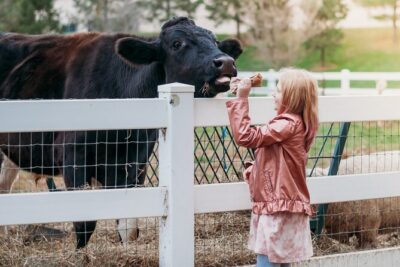
Kiambethu’s setting supports wildlife sightings. Keep an eye out for Colobus monkeys and a wide range of exotic birds as you walk. Sometimes you’ll catch them with minimal effort—other times, it’s quiet. Either way, the guide’s plant-and-nature pointers help you use that time well.
There’s also a walking segment through indigenous forest. Your guide identifies plants and explains how they’re traditionally used. Even if you don’t remember every name, you’ll leave with a better sense of how tea farming fits into a bigger ecosystem rather than replacing everything around it.
This nature stop is one of the reasons I’d choose Kiambethu over a purely indoor experience. It breaks up the day and makes the tea tasting feel earned, not packaged.
Tea tasting with farm-made drinks: what you should pay attention to
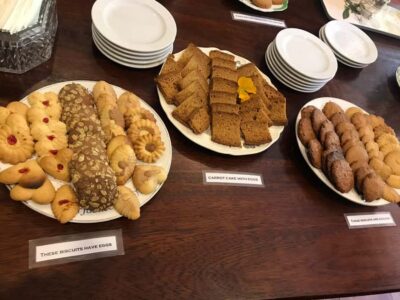
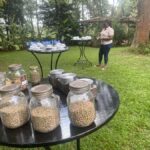
Before lunch, you’ll return to the farmhouse and enjoy a pre-lunch drink on the verandah. Then you’ll sample freshly brewed Kenyan tea as part of the tea-tasting portion of the experience.
When you taste, focus on simple things you can actually notice in the moment: the aroma, the strength, and how it feels on your palate. With the background you just received—growing, picking, and processing—you’ll be better able to connect that cup to what you saw in the field.
You’ll also have drinks included at the farm, and bottled water is provided. That matters on a day trip because you don’t want the “pay extra for water and sodas” surprise.
One small note: alcohol isn’t included. If that matters to your plan, plan to stick to included farm drinks or bring only what the day allows.


Lunch overlooking the Ngong Hills: why the meal is more than a break
Lunch is a key part of what makes this day trip feel complete. You’ll enjoy a 3-course buffet-style lunch served with the views across the tea fields toward the Ngong Hills.
I like meal breaks that feel connected to the place you’re visiting. Here, the meal is presented as farm-made, using produce fresh from the farm. You don’t have to think hard about what to order, and you’re not stuck searching for the nearest restaurant in Limuru.
Also, lunch timing is ideal for energy. After the walk and forest portion, you’ll be ready to eat, and the meal gives you a calm buffer before heading back to Nairobi.
The practical side: timing, group feel, and what you’re paying for
This is a private tour, so only your group participates. That’s a real upgrade on a day trip, especially in Kenya where schedules can get stretched by traffic. It also means the guide can pace the walk based on your group’s comfort level.
The trip is priced at $141 per person. For many Nairobi visitors, that sounds steep until you factor what’s inside: hotel pickup and drop-off in Nairobi CBD, round-trip private transport, a local English-speaking guide, lunch, farm drinks, and bottled water. In other words, you’re paying for logistics plus experiences, not just entry to a tea plantation.
The longer drive from Nairobi to Limuru also affects value. If you’ve tried to DIY these routes, you already know the hidden costs: time, stress, and coordinating someone to wait for you. Paying for a private vehicle removes that friction.
If you’re traveling in a group, ask about group discounts since they’re part of the offering.
Who this Kiambethu tea farm day trip is best for
This is a strong match if you want a mellow, meaningful day away from Nairobi. I think it’s ideal for couples, solo travelers, and families who want nature and culture without heavy hiking or complicated planning.
It’s also a good pick if you’re interested in Kenyan food and agriculture and want a real-world explanation that ends with tasting the result.
If you want only dramatic wildlife or only safari-style action, this won’t replace a full safari day. But for a “city escape” with a learning focus and great scenery, it fits nicely.
A quick reality check: what could disappoint you
The biggest “maybe” is the depth of any factory-style tour. The day is built around the plantation walk, indigenous forest, gardens, tea tasting, and lunch. If you’re the type who wants to see the most technical, industrial processing steps in a dedicated factory room, you might want to ask ahead whether a more formal factory stop is possible.
Also, wildlife sightings depend on conditions. You can look for Colobus monkeys and birds, but you shouldn’t plan your day around guaranteed spotting.
Finally, because the pickup is within Nairobi CBD, confirm your exact pickup location. If you’re staying outside that area, you’ll want clarity on how pickup works for your address.
Should you book the Kiambethu tea farm private day trip?
I’d book it if you want an easy, well-paced day that mixes tea heritage, a guided walk, and a satisfying lunch with real views. The fact that pickup and drop-off are included makes it feel effortless, and the combination of plantation education plus tea tasting is a smart use of a limited time window.
Skip it or adjust expectations if your top priority is a full tea factory tour or if you want a more adrenaline-heavy outing. For most people, though, this is exactly the kind of calm, informative day that makes Nairobi feel less like a hub and more like a starting point.
FAQ
What time does the tour start in Nairobi?
Pickup is within Nairobi CBD at 9:45am, and the drive to Limuru typically gets you to the farm around 11am.
How long is the Kiambethu tea farm experience?
The overall day trip is listed at about 6 hours, with the on-site experience shown as about 4 hours.
What’s included in the price?
Pickup and drop-off within Nairobi CBD, lunch, drinks at the farm, bottled water, a local English-speaking guide, and the tea farm experience are included.
Is alcohol included with lunch or drinks?
No, alcoholic drinks are not included.
Will I see animals like Colobus monkeys?
You’ll have the chance to look for Colobus monkeys and exotic birds during the plantation and nature parts of the visit, but sightings aren’t guaranteed.
Do you visit just tea fields or also nature areas?
You should expect to walk through tea-growing areas and also visit indigenous forest and gardens where your guide identifies plants and points out birds and flowers.
Is this tour private?
Yes. It’s private, meaning only your group participates.
What are the cancellation terms?
You can cancel up to 24 hours in advance for a full refund. If you cancel less than 24 hours before the start time, the amount paid is not refunded.