REVIEW · NAIROBI
Excursion to Kiambethu Tea Farm
Book on Viator →Operated by Safari Port · Bookable on Viator
Tea grows outside Nairobi. This Kiambethu Tea Farm day trip turns Kenya’s tea story into a hands-on, small-group outing on the country’s first plantation, founded in 1910. I like the small group size of 15 or fewer, because you get time to ask questions and actually spot wildlife.
I also really enjoy the on-site 3-course buffet lunch paired with tea tasting while you’re still surrounded by the plants. The one drawback is simple: it’s still a full-day outing at about nine hours, so it can feel like a “use the day” choice, not a quick half-day escape.
In This Review
- Key things to know before you go
- Kiambethu Tea Farm near Nairobi: the tea trip that feels personal
- Door-to-door pickup and a full nine-hour day
- Entering Kiambethu Farm: tea fields, garden paths, and wildlife spotting
- The guide’s role: how tea tasting and plant talk make the day click
- Lunch on the plantation: what a 3-course buffet means here
- Beyond the plantation: seeing day-to-day life in Kenya
- Price and value: is $140 worth it for Nairobi?
- Small-group comfort: why 15 people changes everything
- Practical tips for your best Kiambethu day
- Should you book Kiambethu Tea Farm?
- FAQ
- How long is the Kiambethu Tea Farm excursion?
- What time does the tour start, and do you provide pickup?
- How large is the group?
- What’s included for lunch and drinks?
- Is the entrance fee included in the price?
- What dress code should I follow?
- What days is the tour closed?
- Are children allowed?
- What is the cancellation policy?
Key things to know before you go
- Kenya’s first tea plantation (1910): you’ll visit the historic Kiambethu Farm site tied to the start of tea in the country.
- Group size capped at 15: easier pacing, better chances to see birds and monkeys without crowd pressure.
- Forest stroll plus animal-spotting: you’ll look out for colobus monkeys and birds as you move through the grounds.
- Tea tasting and indigenous plants: you’ll learn what grows there and sample African tea.
- 3-course buffet lunch included: you eat at the farm, not back in town, so the day feels more connected.
- Door-to-door Nairobi transfers: hotel pickup and drop-off makes this feel low-stress.
Kiambethu Tea Farm near Nairobi: the tea trip that feels personal
Kenya is famous for coffee, but tea is the plot twist you’ll want to experience in person. Kiambethu Farm was established in 1910, and that long timeline matters: you’re not just touring rows of plants, you’re walking through a working piece of Kenya’s agricultural history.
What makes this excursion especially worth your time is the pacing. You’re guided through tea fields and farm gardens, then out toward a forest area where you keep an eye out for colobus monkeys and birds. For me, the best kind of farm visit is the one where you don’t feel rushed and you can look closely at what’s actually growing.
Your group stays small—no more than 15. That matters for two reasons: you’ll hear the guide’s explanations, and you won’t constantly be turning your head to see around someone.
You can also read our reviews of more tours and experiences in Nairobi.

Door-to-door pickup and a full nine-hour day
This is a true Nairobi day trip, built around convenience. You get hotel pickup and drop-off, and the plan runs for about nine hours total. The start time is 9:00 am, so if you’re the type who hates mornings, plan to be ready early.
Also note that the stop at Kiambethu Farm itself is about 4 hours. The rest of the day includes another stop that gives you a chance to see how locals live and handle their normal day-to-day routines. That second portion is shorter than the farm time, so don’t expect a long, in-depth immersion—think of it as a window.
One practical consideration: this is smart-casual dress. You’ll be walking around outdoors for parts of the day, so wear clothes you’re comfortable moving in, not your fanciest outfit.
Entering Kiambethu Farm: tea fields, garden paths, and wildlife spotting
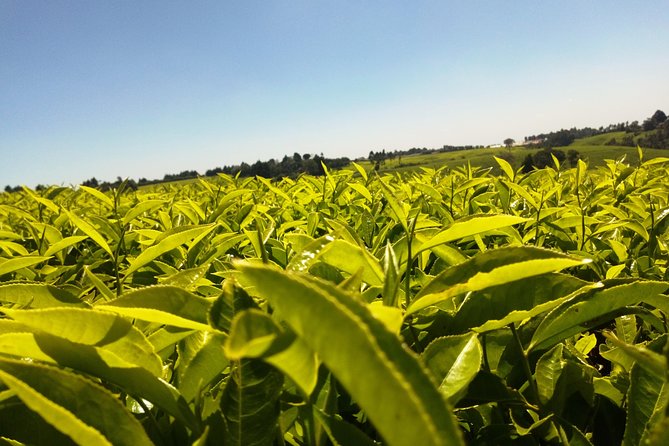
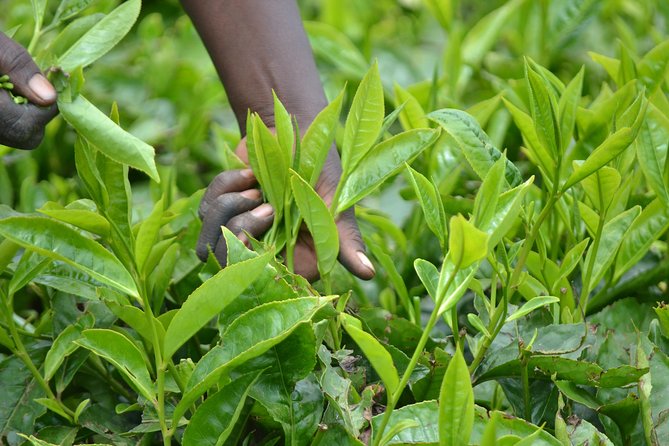
When you arrive, the experience starts on the grounds of Kiambethu Farm Garden and Tea Farm. You’ll tour the tea areas with a guide, taking in how the plantation looks on the ground—not just in photos. It’s a good reminder that tea farms are more than agriculture; they’re also ecosystems where wildlife and plants share space.
As you move around, you’ll be looking for colobus monkeys and birds. This is one of those parts where you get the most benefit by being patient and watching. Don’t stare at one spot too long. Scan, pause, then scan again—many sightings come from slow observation rather than fast movement.
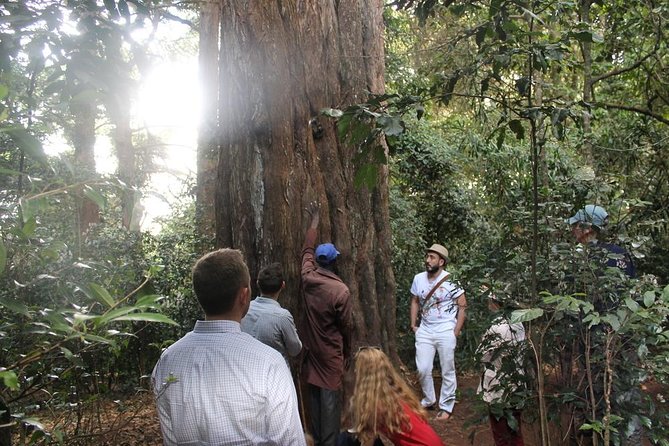
There’s also a forest stroll. This adds variety to the day so it doesn’t turn into only tea and more tea. You’ll shift from open plantation views to a more sheltered, nature-focused setting, which makes the animals you’re hoping to see feel more plausible.
The guide’s role: how tea tasting and plant talk make the day click
On a tea farm tour, it’s easy to get stuck in a scenery-only mindset. The guide is what turns it into something you’ll remember. You’ll learn about indigenous plants on the grounds, plus you’ll hear how the farm works as a tea-growing environment.
Then comes the tea tasting. This is where I think the whole day comes together. You’re walking through tea plants and listening to explanations, and then you get to taste African tea while the farm context is still fresh in your mind. It’s a simple moment, but it changes how you interpret what you just saw.
One standout from the experience details is the effect a great driver/guide can have on your whole day. If you’re lucky enough to have Obed as your driver/guide, expect a punctual pickup, a pleasant attitude, and real conversation time on the drive. That kind of on-the-road comfort helps the day feel smoother when you’re spending hours outside Nairobi.
Lunch on the plantation: what a 3-course buffet means here
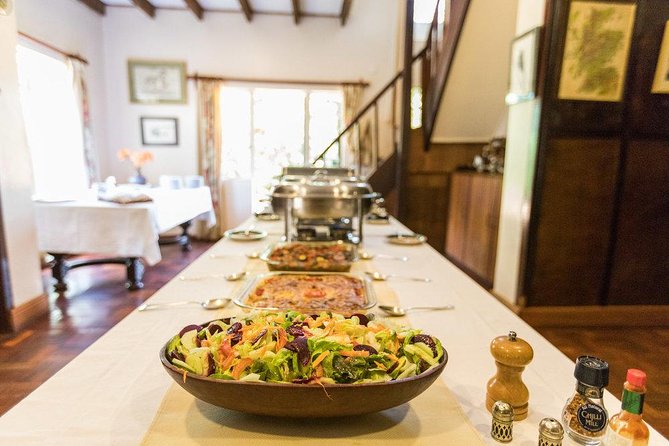
Lunch is included, and it’s not a sad add-on. You’ll enjoy a 3-course buffet lunch with farm-fresh ingredients. The key detail I like is that the meal happens during the farm visit, not after a long scramble back into traffic.
A buffet can be hit-or-miss on tours, but here it’s tied to the farm setting. You eat where you’ve been learning, so the whole trip feels more cohesive. It also means you can take your time with the meal and keep the day’s rhythm rather than treating lunch like a quick stop.
If you’re someone who plans around food, this inclusion is a big value point. You’re already paying for the experience, so you don’t have to hunt down a place for lunch or make decisions on the spot.





Beyond the plantation: seeing day-to-day life in Kenya
After the farm time, there’s another stop designed to show you how locals live and handle their usual activities. The main thing to know is that this isn’t described as a long formal visit with an agenda. Instead, it’s a chance to shift perspective from the plantation into everyday routines.
For you, that’s where the day gains balance. If you only do the tea side, it can start feeling like a “nice tour” with limited context. Adding a look at daily life—however brief—keeps the trip from being one-dimensional.
You’ll still be operating within a guided day structure, so keep expectations realistic. Think of it as a window, not a deep home-stay experience.
Price and value: is $140 worth it for Nairobi?
At $140 per person, this excursion isn’t the cheapest Nairobi activity. But it also isn’t priced like a bare-bones ticket.
Here’s what you get for your money:
- Hotel pickup and drop-off, plus door-to-door transfers
- A professional guide and a driver/guide
- Coffee and/or tea
- Entrance fee included (listed as 35 USD per person)
- Lunch, plus tasting during the farm portion
When you stack those together, the price starts to make sense. Many Nairobi day trips charge extra for transport, guides, and admissions, and you end up paying for each piece separately. Here, the meal and the entry fee are built in, which helps you control spending.
One note on value versus extras: souvenir photos cost extra if you want them. If photos matter to you, plan on spending a little more for that option.
Small-group comfort: why 15 people changes everything
A group of 15 or fewer is more than a number. It affects how the day feels.
In a larger crowd, guides have to move fast and talk over noise. With a smaller group, you can slow down. You can ask questions without feeling like you’re interrupting. And when wildlife is involved—like the chance to see colobus monkeys and birds—you need room for quiet attention.
This also matters for the transfer day. With hotel pickup and drop-off, a compact group tends to feel smoother when everyone needs to fit the same schedule.
And because this is described as a private tour/activity with only your group participating, you should feel less like you’re being folded into a random crowd. That combination—small group, your group only—often makes Nairobi excursions feel more personal.
Practical tips for your best Kiambethu day
A few smart choices will help you enjoy this trip more.
- Go with smart casual clothing. That’s the stated dress code, and it keeps you comfortable for walking around outdoors.
- Plan for a long day. Start at 9:00 am and expect about nine hours total. If you want a relaxed evening after, don’t schedule something big right after returning.
- Bring your phone/camera, but know photos aren’t automatic. Souvenir photos are available for purchase, meaning you may want to capture your own shots too.
- Be ready to watch, not just look. Colobus monkeys and birds can require patience, especially during forest and garden transitions.
Also remember the farm isn’t open every day. It’s closed every Monday, as well as on Christmas Day and Happy New Year’s Day. If your Nairobi dates land on one of those days, you’ll need an alternate plan.
Should you book Kiambethu Tea Farm?
If you want a Nairobi day trip that mixes education, nature, and a sit-down meal—without the stress of organizing transport—this is a strong pick. The tea farm focus makes sense if you’re curious about Kenya beyond coffee, and the combination of tea tasting, wildlife spotting, and a 3-course buffet lunch makes the day feel complete.
I’d especially recommend it if you like small groups and you value a guided experience where you can ask questions and actually notice animals and plants. If you’re short on time or hate long days, the roughly nine-hour schedule may feel like too much. For most people, though, this is a solid, practical way to see tea at the source while staying comfortable with door-to-door transfers.
FAQ
How long is the Kiambethu Tea Farm excursion?
The excursion lasts about 9 hours total. The Kiambethu Farm portion is listed as about 4 hours.
What time does the tour start, and do you provide pickup?
The start time is 9:00 am. Hotel pickup and drop-off are included, with door-to-door transfers from Nairobi.
How large is the group?
The group is limited to no larger than 15. It’s also described as a private tour/activity, meaning only your group participates.
What’s included for lunch and drinks?
Lunch is included, and it’s described as a 3-course buffet lunch. Coffee and/or tea are also included.
Is the entrance fee included in the price?
Yes. An entrance fee of 35 USD per person is listed as included.
What dress code should I follow?
The dress code is smart casual.
What days is the tour closed?
It is closed every Monday, Christmas Day, and Happy New Years Day.
Are children allowed?
Children must be accompanied by an adult.
What is the cancellation policy?
You can cancel for free up to 24 hours in advance for a full refund. Canceling less than 24 hours before the start time does not qualify for a refund.