Coffee starts growing right outside Nairobi. This farm-to-cup outing takes you to Fairview Coffee Estate for a hands-on look at how Kenyan coffee makes it to your cup, plus a real tasting at the end. I love walking the estate grounds and seeing the full production story in the same visit. I also love that you get to sample the coffee you just learned about. One thing to watch: there can be a separate farm-entry fee (commonly mentioned as $30) that isn’t always fully reflected in the base price.
You’re not stuck on your own, either. Hotel transfers and private time with your group make this feel easy, even if you only have a half day. Expect around 2 to 3 hours for the experience, and the estate time is sometimes listed at about 4 hours, so plan loosely and wear shoes you don’t mind getting a bit dusty.
In This Review
- Key Things I’d Make Sure You Notice
- Getting There From Nairobi: The Easy Part That Sets the Tone
- Entering Fairview Coffee Estate: What You’ll See on the Grounds
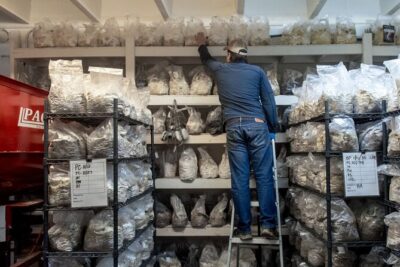
- The Coffee-Making Chain: From Harvest Work to Roasting
- Coffee Tasting: What You Should Expect to Taste
- Price and Value: Is $98.50 a Good Deal?
- Guides Matter: The People Who Make This Tour Work
- What to Wear and How to Get the Most Out of It
- Who This Tour Suits Best
- Should You Book the Nairobi Coffee Farm and Factory Tour?
Key Things I’d Make Sure You Notice
- Fairview Coffee Estate is the main event with the farm-to-factory story in one trip
- You’ll get coffee and snacks included while you learn how the work gets done
- You’ll see coffee processing steps like grading and drying as part of the production flow
- Tasting is built into the tour so the lesson ends with something you can actually compare
- Guides you may meet include Elvis, Moses, Tim, Alex, Ann, Obed, and Irin based on past experiences shared by groups
- Private means you can ask questions without rushing even if you’re traveling with just your party
Getting There From Nairobi: The Easy Part That Sets the Tone
This tour is built for people who want an authentic rural experience without the hassle of arranging transport. The estate is listed as about 20 minutes from Nairobi’s city centre, which matters because it keeps the day focused on the coffee, not the commute.
You’ll get pickup and drop-off from your Nairobi hotel, and bottled water is included. That combo is small, but it helps. In practice, it means you can concentrate on what’s happening at the farm instead of budgeting time for logistics.
Duration can feel confusing at first: the experience is listed at roughly 2 to 3 hours, while the estate slot is shown as 4 hours in the plan. I’d treat this as a half-day outing. If you’re trying to line it up with other Nairobi plans, keep a little breathing room. You’ll also find it’s the kind of tour where a great guide can make the time fly, because you’ll be walking, asking questions, and tasting along the way.
You can also read our reviews of more tours and experiences in Nairobi.
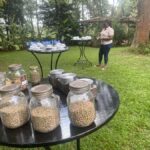

Entering Fairview Coffee Estate: What You’ll See on the Grounds
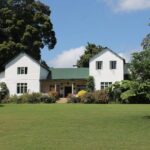
The experience centers on Fairview Coffee Estate, where you’ll tour the “black gold” side of Kenya. The basic idea is simple: you get out of the city, step into a working coffee environment, and learn what happens before coffee reaches your cup.
Here’s what the estate portion is designed to deliver:
- A walk through the coffee areas so you can connect the plants to the final beverage
- A look at how beans move through stages like harvesting and preparation
- A chance to learn how coffee gets graded and processed
The reviews give you a strong hint about what stands out in the real experience: guides tend to keep things lively and practical. People specifically mention guides like Elvis for humor and storytelling, and others like Moses or Tim for staying on schedule and communicating clearly. Names like James, Alex, Ann, and Obed also come up as people who help visitors connect what they’re seeing to the steps that follow.
What I like about this format is that it’s not just a photo stop. You’re meant to understand the chain of work. Even if you don’t buy a bag of coffee at the end, you’ll leave with a mental map of where taste comes from.
The Coffee-Making Chain: From Harvest Work to Roasting
Once you’re on the estate, the tour aims to cover the full production process—from early stages all the way to roasting. The key value here is that you’re not learning coffee as trivia. You’re learning it as a process with decisions at each step.
In the production flow you should expect to hear about:
- How coffee plants are tended so beans can be harvested
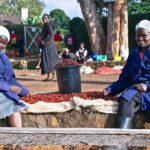
- How coffee is graded and processed after harvesting
- How beans are dried (one reviewer specifically mentioned seeing beans drying)
- How roasting ties together the final flavor profile
This is where a strong guide really pays off. Several past experiences highlight guides explaining the steps in a way that makes the work feel real and human. That matters because coffee quality depends on labor and timing as much as it depends on geography.
If you like asking questions, this is a good place to do it. You can ask what people prioritize at each stage and why a particular batch tastes the way it does. Guides named in reviews—like Michael (noted for being approachable and informed) and Irin (mentioned as helpful on the farm)—are the type of people who tend to answer without talking over you.
Coffee Tasting: What You Should Expect to Taste
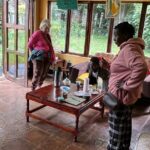
The tasting part is not an afterthought. It’s part of the lesson plan and is included as part of your experience. You’ll be served coffee and snacks, and you’ll get to sample the coffee you learned about.
How to approach the tasting so it actually teaches you something:
- Compare the coffee you try, not just the flavor. Notice if one feels brighter, heavier, or smoother.
- Pay attention to how the same origin can taste different when processing and roasting change.
- If you’re offered multiple grades or roasts, treat it like a mini lineup and take a moment between sips.
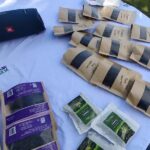
The reviews are consistent on this point. People mention tasting different roasts and comparing what they tried. One reviewer even noted tasting four coffee grades and buying a dark roast grade to take home. Even if your tasting includes fewer items, the goal is the same: you should be able to tell the difference after your tour walk-through.
Also, don’t skip the snack component. It helps you stay comfortable during the tasting and prevents the classic tour issue of getting too hungry right as you’re trying to focus.
Price and Value: Is $98.50 a Good Deal?
Let’s talk money plainly. The tour price is listed at $98.50 per person, and it typically gets booked about a few weeks ahead on average. That pricing is in the range where you should look hard at what you’re actually getting.
From what’s included, you’re not just paying for a quick walk:
- Hotel pickup and drop-off are included
- Private transportation is included
- Bottled water is included
- Coffee and snacks are included
- All fees and taxes are listed as included
So where does the potential snag come in? One review calls out a separate farm fee around $30 that was not included in the base price for that person. The tour details also show a note that an admission ticket may not be included. Since those pieces don’t fully match each other on paper, I’d treat this as the single most important check before you go.
My practical advice: when you confirm your booking, ask if any farm-entry fee is expected on-site, and whether that $30 figure applies to your date. If it does, you can budget for it and avoid surprises. If it doesn’t, you’ll appreciate the tour even more because you truly get the full value in one package.
Even with a small extra fee, the value can still be strong. Why? Because this isn’t a short drive-through stop. You’re getting a structured story, a working estate feel, and included tasting. In Nairobi, that combo can be hard to replicate on your own without paying for transport plus a guide plus a proper tasting.
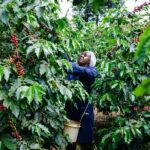

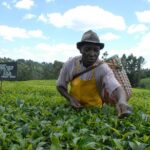
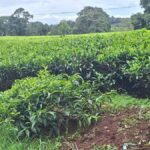


Guides Matter: The People Who Make This Tour Work
This tour rises or falls on the guiding. The good news is that the experiences shared by groups are consistent: guides tend to be friendly, on-time, and able to explain what you’re seeing in plain language.
Here are guide names you may encounter based on past experiences:
- Elvis: described as endearing, knowledgeable in coffee history and process, and funny
- James: mentioned for walking people through the entire production chain
- Moses: praised as engaging and enthusiastic
- Tim: noted for clear communication and being a safe driver as well as helpful during the experience
- Alex: described as super informed and a strong choice if you want lots of context
- Ann: highlighted for being excellent and for explaining the complexity and labor behind top coffee
- Obed and Hottensia: praised for covering the process, grading, processing, roasting, and tasting
Also keep an eye out for local farm support names like Irin, who was mentioned as helpful on the farm. That blend of transport guide plus farm-side explanation is a big part of why the tour works for first-timers.
If you’re the type who loves to understand how things work, you’ll likely enjoy how these guides connect plants to processing to taste. If you just want a quick caffeine fix, you might find you need to set expectations that the tour is instructional and walk-based.
What to Wear and How to Get the Most Out of It
The tour is short, but it includes walking the estate and spending time outdoors. I’d keep it simple:
- Wear comfortable shoes you can walk in without stressing
- Bring a light layer for sun and shade changes
- If you’re sensitive to heat, plan water intake before tasting
Most importantly, treat the tasting like part of the learning, not just a freebie. Ask the guide what they want you to notice. If they mention drying, grading, or roasting as a key step, ask how that changes flavor. When the guide explains the steps clearly, it turns the tasting into a real comparison.
Who This Tour Suits Best
This tour is a great fit if you:
- Love coffee and want more than a souvenir story
- Want a half-day activity outside Nairobi with real farm time
- Prefer a private feel with hotel pickup so you can relax
- Learn best through seeing the steps in order, then tasting the results
It may not be ideal if you:
- Want a purely relaxing day with no walking
- Have zero interest in coffee production and just want something quick
Should You Book the Nairobi Coffee Farm and Factory Tour?
I’d book it if you want a structured, farm-based coffee lesson that ends with tasting—and you value convenience. Hotel transfers, included snacks, and the private setup make it easy to fit into a Nairobi itinerary without turning it into a logistical headache.
Before you book, do one quick check: ask whether a farm-entry fee is expected on-site (the $30 figure has come up). If that’s clarified, you’re getting a solid deal for a short outing that feels both educational and fun.
If coffee is your thing, this is one of those Nairobi experiences that actually changes how you think about your daily cup.