REVIEW · NAIROBI
Nairobi: Guided Coffee Farm Tour with Tastings
Book on GetYourGuide →Operated by Kienyeji Afrika Adventures · Bookable on GetYourGuide
Coffee starts on a Kenyan hillside. This guided Nairobi coffee farm visit pairs a hands-on farm walk with coffee tasting games that train your nose and palate, starting from coffee’s East Africa roots and ending with a hot cup you choose yourself. I love how the day is structured around real process steps—growing, harvesting, and testing—so you don’t just taste, you understand. I also like the human side: you interact with farmers and learn the basics of how they grow coffee day to day.
One thing to watch: if you don’t select the farm entry fee option, you’ll still need to pay at the farm (adults $30, children over 7 $15), usually by cash or card.
In This Review
- Key things I’d mark on your Nairobi coffee checklist
- Why this Nairobi coffee farm tour fits a busy day
- From your Nairobi hotel to the farm: the drive is part of the story
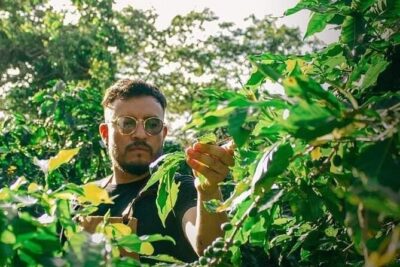
- Walking the coffee plantation: varieties, harvesting, and how farmers think
- Smell-the-coffee games in the Liquor room: turning curiosity into skill
- The hot cup (your choice) and the complimentary snack
- Interacting with farmers: the human scale of coffee quality
- Price, farm entry fees, and where the real value is
- Timing, pacing, and what to wear for the farm walk
- Rules that shape the experience
- Who should book this coffee farm tour from Nairobi
- Should you book it or skip it?
- FAQ
- How long is the Nairobi guided coffee farm tour?
- What is the price per person?
- Does the tour include hotel pickup and drop-off?
- Is farm entry fee included in the price?
- What’s included in the tasting?
- Is food included?
- Is alcohol allowed?
Key things I’d mark on your Nairobi coffee checklist
- Real coffee process, not just a photo stop: from growing and harvesting to tasting.
- Farmer interaction: you learn techniques from the people doing the work.
- Smell-the-coffee games in the tasting space (called the Liquor room).
- Try different coffees: you taste multiple types and learn how flavors differ.
- Hotel pickup and drop-off included: fewer logistics worries in Nairobi.
- Swahili mini-lesson plus Kenyan goodies: small extras that add local flavor.
Why this Nairobi coffee farm tour fits a busy day
Nairobi is often a “tight schedule” city. That’s why I like the simple format here: roughly 3 hours total, with about 1.5 hours at the coffee farm, plus pickup and drop-off. You get a full sensory experience without turning your day into a whole production.
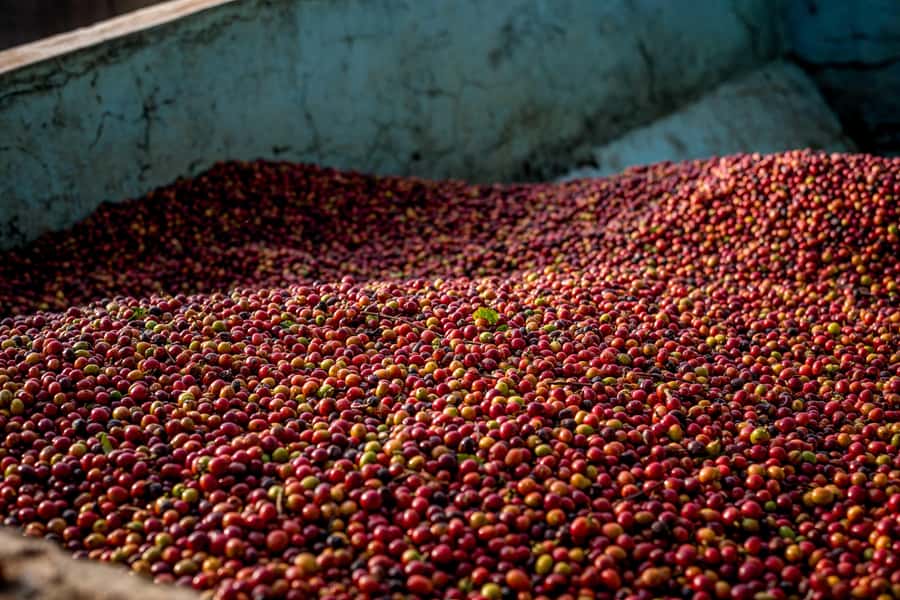
The tour also does something smart: it treats coffee as a chain of choices. You see the coffee varieties, learn how cherries are harvested, and then connect that to cup flavors during tasting. That’s what makes it more than a casual excursion.
If you’re the type who buys coffee and wonders what makes one bag taste brighter, sweeter, or more chocolatey, this format helps you build a map in your head—from plant to process to cup.
You can also read our reviews of more tours and experiences in Nairobi.
From your Nairobi hotel to the farm: the drive is part of the story
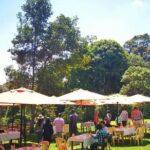
Pickup is included, and they’ll meet you at your hotel lobby (wait about 15 minutes before pickup) or at the airport taxi area if you’re arriving by air. The tour runs in English, and the guide is also there to keep the trip smooth—no guesswork on timing.
What the drive adds: it’s not only transport. Guides in this operation (often Patrick in the real-world experience) tend to share context about Nairobi and Kenya while you travel. In some cases, that can include quick sight stops on the way back—think major landmarks like the United Nations area and embassies—if time allows. Even without formal stops, you’ll likely get local orientation that makes Nairobi feel less like a blur.
A practical tip for the ride: bring something small you can snack on in case you arrive hungry. The tour includes a complimentary snack at the end, but the drive itself can take time depending on traffic.
Walking the coffee plantation: varieties, harvesting, and how farmers think
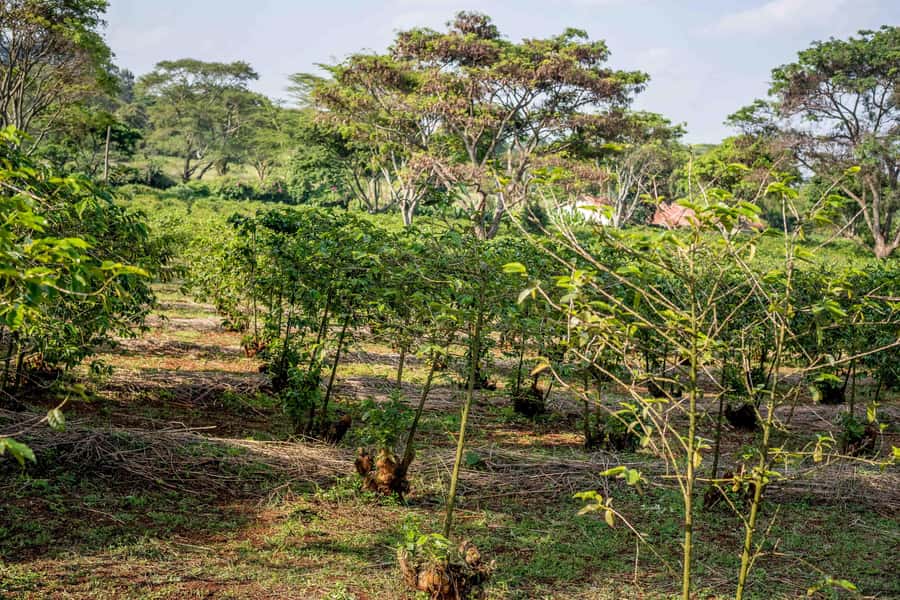
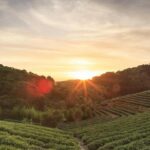
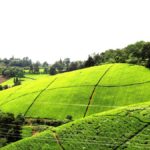
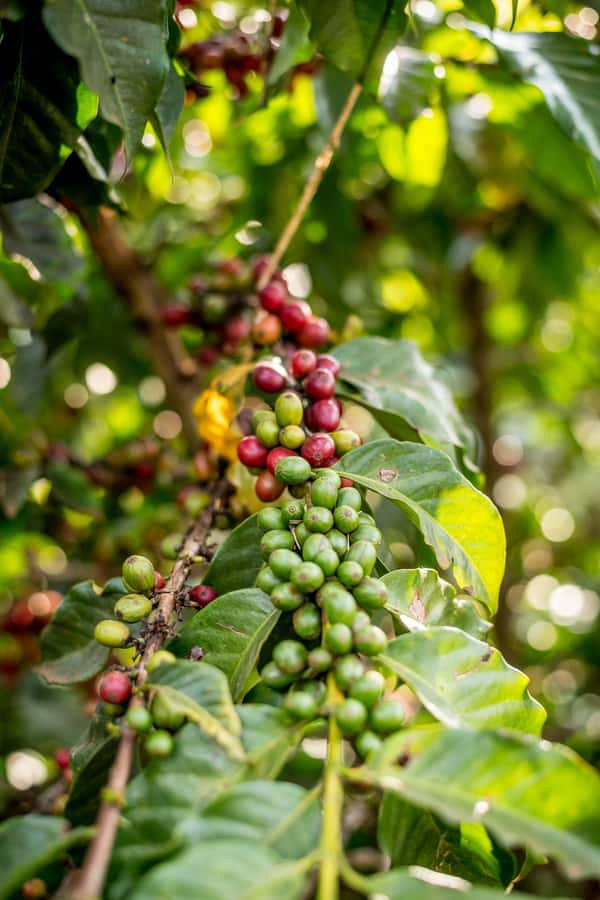
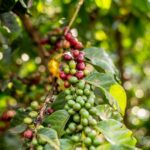
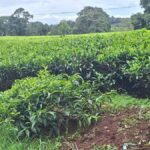
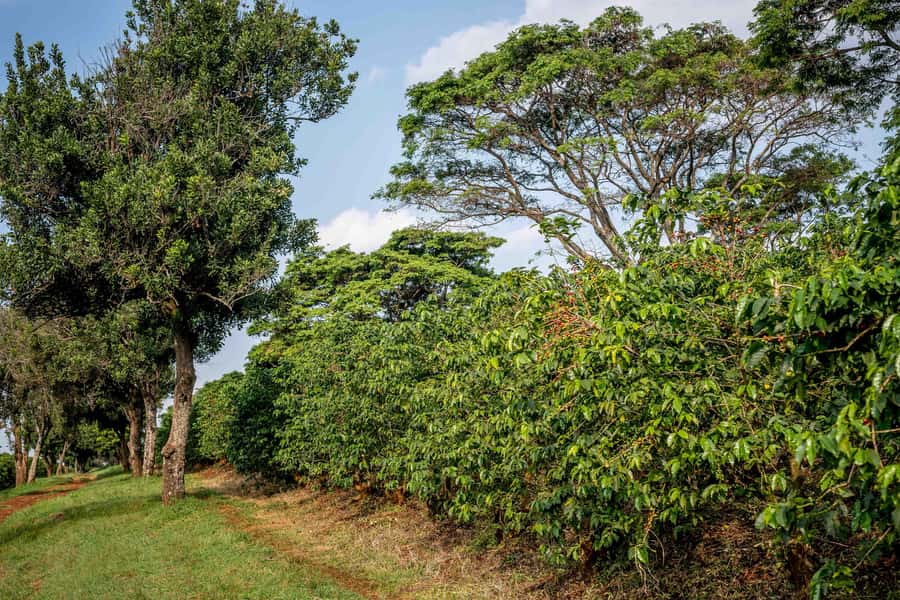
At the farm, the focus is on learning by seeing. You start with coffee varieties—and they explain the pros and cons. That matters because different varieties can behave differently in the field, and those differences show up later when you taste.
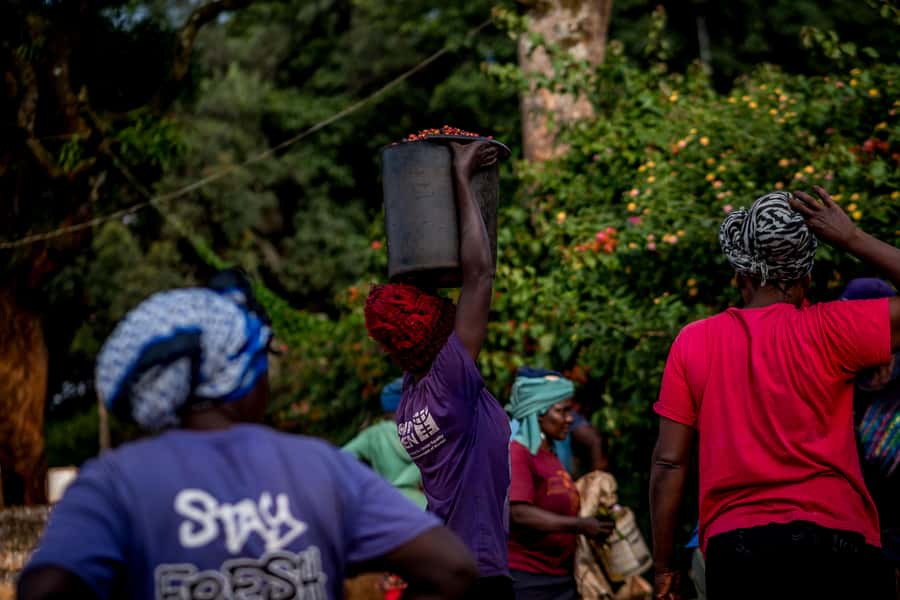
Then the tour turns toward the practical side: farming technicalities. You’ll learn about how coffee grows, and you’ll hear how harvesting works—specifically how to harvest coffee cherries. In other words, you’re not just looking at trees; you’re being taught the steps that affect quality.
Two benefits of this farm-centered approach:
- It builds respect. When you understand the effort behind the cherry-to-cup path, the hot coffee at the end tastes more meaningful.
- It helps you ask better questions later. After you’ve seen the process steps, you’ll know what to look for when you’re buying coffee back in Nairobi or taking it home.
Wear comfortable shoes—there’s walking. If you get hot easily, a hat helps too. The tour is not positioned as a slow stroll for maximum lounging; it’s an active learning walk.
Smell-the-coffee games in the Liquor room: turning curiosity into skill
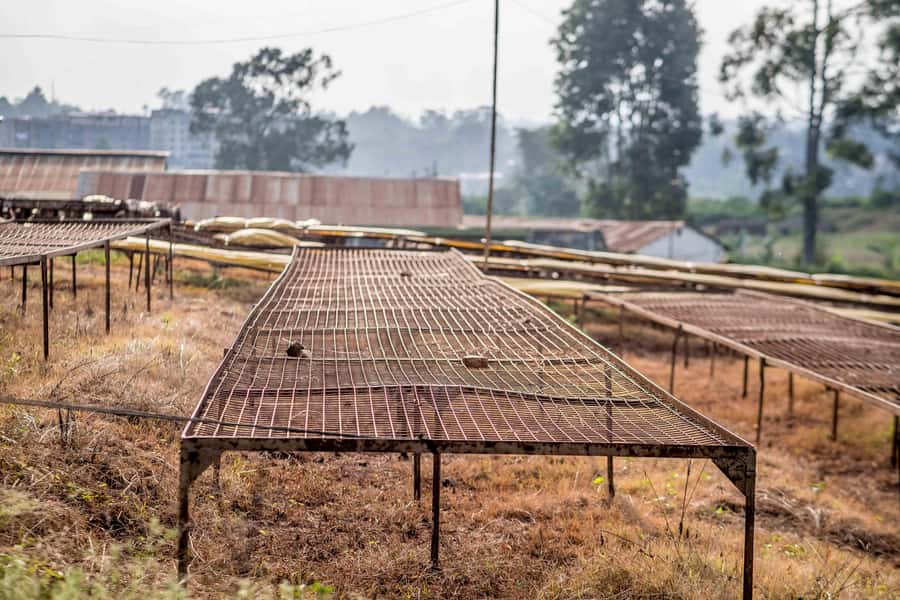
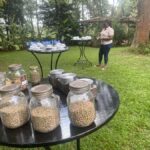
After cherries and field learning, you head to the tasting area—the tour calls it the Liquor room. This is where the experience gets fun and surprisingly practical.
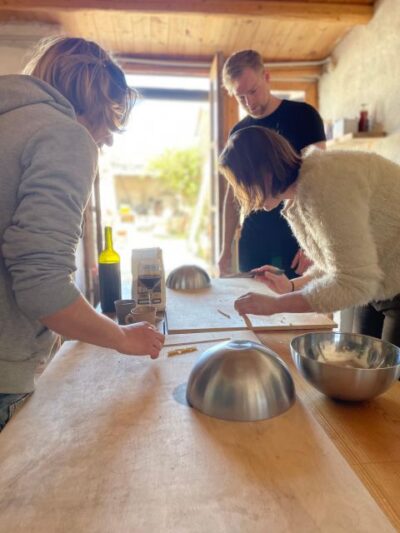
Instead of only handing you cups and saying enjoy, they set up activities that train your senses. There are smell-based games where you learn to distinguish coffee flavors using aroma cues. Then you move into tasting: yes, it’s a structured coffee testing session.
Here’s what I like about this part for you, the buyer:
- Aroma comes first. If you can separate the smell families, you’ll taste more accurately.
- You learn language for flavor. Even basic vocabulary (brightness, sweetness, heavier notes) makes it easier to understand coffee labels later.
They also encourage you to participate rather than just observe. You’re guided through the process, and you get a real chance to compare coffees. If you’ve ever tried to describe coffee to someone and felt stuck, this is the kind of session that helps you get unstuck fast.
And because this is in Nairobi with English-guided instruction, it’s a solid way to try “cupping-style” thinking without needing any prior training.
The hot cup (your choice) and the complimentary snack
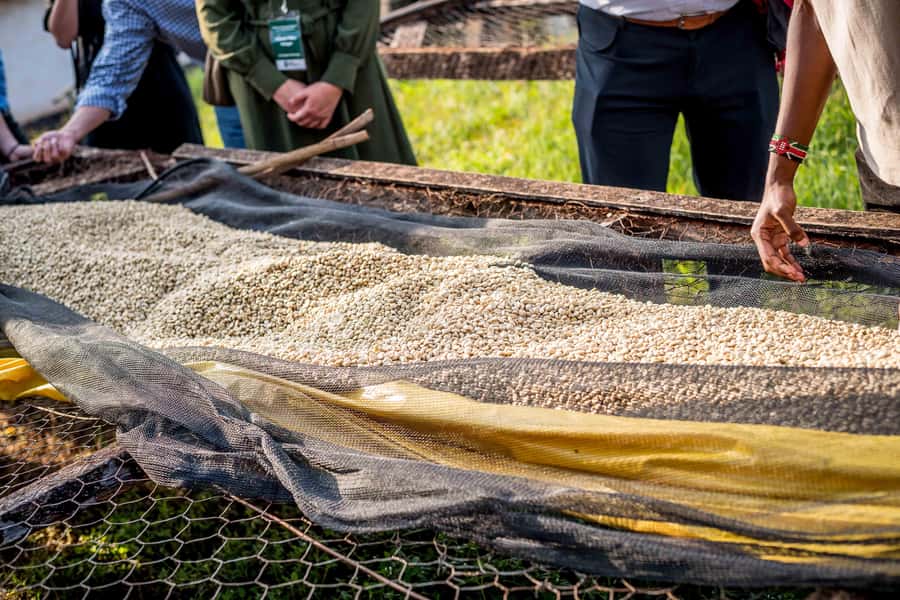
By the end, you get a hot cup of coffee of your choice, plus a complimentary snack. That’s the moment where all the learning clicks—or at least, it should.
What to expect: your tasting session sets you up to pick the coffee that matches what you enjoyed most during the comparisons. It’s not just a reward; it’s part of the lesson loop.
The snack is included, but food isn’t included beyond that. If you know you’ll need a full meal, plan to eat before the tour or right after. The tour keeps a tight timeline, and you don’t want to start asking the guide for time extensions when your stomach starts negotiating.

Interacting with farmers: the human scale of coffee quality
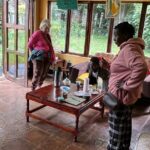
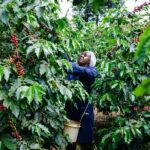
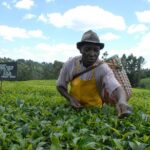
One of the most praised parts of this experience is the connection with the people growing the coffee. You don’t just meet a guide and watch a demo. You interact with farmers and learn about farming techniques directly in the plantation context.
That human layer is also why the tour feels different from a standard “tasting only” stop. Coffee quality isn’t a mystery ingredient. It’s labor, decisions, and time.
In real-world day-to-day terms, this also makes the visit more honest:
- You get answers tied to actual field work.
- You learn what farmers focus on and why.
- You see coffee as an ongoing system, not a one-time process.
It’s a good reminder for anyone who loves coffee but rarely thinks about where it comes from.
Price, farm entry fees, and where the real value is
The advertised price is $27 per person and the duration is about 3 hours. For Nairobi, that’s a fair deal—especially because hotel pickup and drop-off are included and you get both farm learning and a coffee tasting session.
But here’s the money point you should double-check before you go: farm entry fees.
- If you chose the option with the farm entry fee included, you’re set.
- If you didn’t, the farm entry fee is $30 for adults and $15 for children over 7, payable via cash or card.
So your all-in cost can change. To get the best value, I’d mentally model it like this: you’re paying not only for the tasting, but also for transport, a guide, and farm access. If entry fees aren’t covered, total cost rises. Still potentially worth it, but it stops being a “cheap coffee stop” and becomes a real excursion.
At the same time, the tour includes helpful extras: complimentary bottled water, free Wi-Fi, and Kenyan merchandise giveaways. Those won’t replace a meal, but they do add convenience.
Timing, pacing, and what to wear for the farm walk
This is a walking-focused activity. You’ll be moving around the farm, and the whole day is timed to fit the short total duration. That’s why footwear matters more than you might think.
Bring:
- Comfortable shoes you don’t mind getting dirty
- A hat if you tend to burn or overheat
- Water awareness (they provide bottled water, but you’ll still sweat on a farm walk)
Skip:
- Anything that makes walking hard
- Very light footwear with no grip
Also note the limits: it’s not suitable for people over 95 years, people over 209 lbs (95 kg), and it isn’t suited to hearing-impaired guests (based on the activity requirements). If any of that applies to you, it’s best to choose a different style of Nairobi tour.
Rules that shape the experience
A couple of “read this before you pack” points:
- Alcohol and drugs are not allowed.
- The tour is English-guided, and it includes a basic Swahili language lesson.
That Swahili mini-lesson is a nice touch. Even if it’s brief, it helps you feel less like an outsider standing in a working landscape and more like someone participating respectfully.
Who should book this coffee farm tour from Nairobi
This tour is a great match if:
- You love coffee and want more than a taste.
- You enjoy guided learning where you can ask questions.
- You want an easy, well-paced outing that still feels authentic.
- You’re traveling solo and appreciate a small-group or private option.
It’s also a good option for people who want Nairobi context without buying a full city tour. Many bookings include an informative guide on the drive, so you leave with a few local ideas in your head, not just coffee in your bag.
You might want to skip it if:
- You strongly dislike walking.
- You need hearing accommodations (the tour isn’t suited for hearing-impaired participants per the activity rules).
- You have mobility limits that make farm terrain difficult.
Should you book it or skip it?
If you’re picking one coffee experience in Nairobi, I’d book this one—mainly because it’s process-focused, not tasting-only. The combination of variety learning, harvesting basics, interactive smell-and-taste games, and a final hot cup of coffee you choose makes the time feel earned.
Just do this one homework step: confirm whether the farm entry fee is included in your booking. If it’s not, budget for it so there are no surprises on the ground. If you plan for that, this is an enjoyable, low-stress way to understand where coffee comes from and why it tastes the way it does.
FAQ
How long is the Nairobi guided coffee farm tour?
The tour duration is about 3 hours.
What is the price per person?
The price is $27 per person.
Does the tour include hotel pickup and drop-off?
Yes, hotel pickup and drop-off are included. You should wait in the hotel lobby about 15 minutes before pickup.
Is farm entry fee included in the price?
It depends on the option you select. If no entry fee option is selected, the farm entry fee is $30 for adults and $15 for children over 7, payable via cash or card.
What’s included in the tasting?
You’ll have a coffee tasting session and a complimentary cup of coffee of your choice, plus a complimentary snack.
Is food included?
No full food is included. A complimentary snack is provided, but food is listed as not included.
Is alcohol allowed?
No. Alcohol and drugs are not allowed during the tour.