Spices have a schedule here. On Zanzibar’s village farms near Jambo Spice Farm by the DoleDole soccer field, you walk through spice and tropical fruit trees with a local villager guide, then eat a lunch built from what you just learned. It’s a simple format with satisfying payoffs.
I like the way the local guide keeps things practical and answers questions as you go. I also like the lunch: a spiced pilau rice meal prepared by locals using the spices from the farm.
One thing to plan for: since you can buy spices on site, have a budget ready if you want souvenirs instead of assuming it’s totally hands-off.
In This Review
- Key highlights at a glance
- Where the tour starts: Jambo Spice Farm near DoleDole field
- The 3-hour village spice farm walk: what you learn (and what you might taste)
- Spiced pilau rice lunch: why this meal is the point
- Private tour pace: your group stays in charge
- Price and value: $25 for farm time plus lunch
- Optional spice shopping: how to handle the souvenir moments
- Weather and timing: when good conditions matter
- Should you book this Zanzibar Spice Farm Tour?
- FAQ
- How long is the Zanzibar Spice Farm Tour & Exotic Fruit Lunch?
- How much does the tour cost per person?
- Where is the meeting point?
- Does the tour end where it starts?
- Is this a private tour?
- What lunch is included?
- Is mobile ticketing used?
- What happens if the weather is poor?
- What is the cancellation window?
Key highlights at a glance
- Village spice farm walk with a local villager guide and plenty of Q&A
- Tropical fruit trees mixed into the spice lesson, not treated as an afterthought
- Spiced pilau rice lunch made with the same spices you see on the farm
- Private experience for just your group, so the pace stays yours
- Time-efficient format at about 3 hours round-trip at the meeting point
- Optional spice shopping on site if you want to take flavors home
Where the tour starts: Jambo Spice Farm near DoleDole field
This is an easy one to anchor in your day because the tour starts and ends right back at the meeting spot: Jambo Spice Farm DoleDole Soccer Field, Zanzibar, Tanzania. You don’t need to figure out an end-of-tour transit problem, which matters when you’re juggling other plans on the island.
The experience also uses a mobile ticket, so you’re not wasting time hunting for paper. It helps if your phone has good battery life, since that’s usually how you’ll confirm at the start.
Another practical plus: the meeting area is described as near public transportation. That doesn’t tell you exact route numbers, but it does mean you’re not stuck with a long taxi ride just to begin. If you’re staying somewhere central, you should be able to reach the area without too much hassle.
You can also read our reviews of more tours and experiences in Zanzibar.

The 3-hour village spice farm walk: what you learn (and what you might taste)
The core of the tour is a guided stroll through a local village spice farm. The focus is on Zanzibar’s spice reputation, but in a grounded way: you learn how spices and herbs are cultivated, how they’re used, and the kinds of stories locals tell about the plants growing right there.
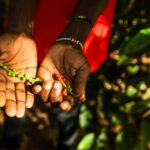
What makes this feel worth the time is that it’s not only theory. As you move through the farm, you get hands-on context that connects the plant to the flavor in food. One review notes you can taste most of what’s planted, which is a big difference from tours that feel like you’re only looking from a distance.
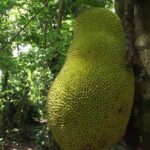
You’ll also spend real time with tropical fruit trees. That pairing is smart. Zanzibar spice culture is often talked about as spices first, but the tour treats fruit as part of the same everyday system—something grown, used, and understood by people living on the land.
The walk is about 3 hours total, so you’ll see a lot without it turning into a half-day project. The tradeoff is that the schedule is tight by design. If you love going deep on one plant, you’ll have to rely on the guide’s answers and your own follow-up questions to slow things down.
Spiced pilau rice lunch: why this meal is the point
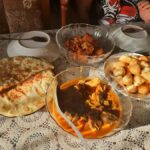
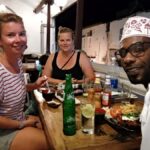
Lunch is not just a break here. It’s the payoff. You get a spiced pilau rice lunch prepared by locals using the spices you learned about during the farm walk.
That matters because it turns the lesson into something you can actually remember. Instead of leaving with a head full of plant names, you leave with flavor in mind. One of the strongest signals from the experience format is that the food is intentionally built around the farm visit, so the spices and fruit aren’t decoration.
Since the meal is prepared by locals using what’s on the farm, it also gives you a clearer sense of how these ingredients show up in everyday cooking. You can think of it like a short class where the homework is the plate in front of you.
One extra practical note: because this is served as part of a short tour, you’re not dealing with a long wait at a separate restaurant. That’s one reason this works well if your Zanzibar schedule is packed.
Private tour pace: your group stays in charge
This is listed as a private tour/activity, meaning only your group participates. That changes the vibe. You’re not fighting for attention at the back of a larger crowd, and your questions are more likely to shape what happens next.
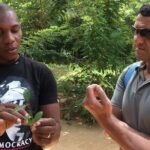
Reviews also point to a guide who is both friendly and comfortable answering inquisitive questions. That’s the sweet spot you want on this type of tour: someone who can connect what you see in the plants to why it matters in cooking and daily life.
Because it’s private, the 3-hour length is easier to manage. Your group can keep moving at a pace that feels comfortable—fast if you’re short on time, slower if you want more explanations and a longer look at the plants.
Price and value: $25 for farm time plus lunch
At $25.00 per person for about 3 hours, this sits in a reasonable zone for Zanzibar activities that include more than a quick stop. You’re paying for three things at once: a guide-led farm experience, time focused on both spices and tropical fruit trees, and a lunch that uses the same spices from the walk.
The value improves if you compare it to the cost of doing those parts separately. If you were to pay for a farm visit and then find lunch on your own, you’d likely spend more time coordinating and end up with a less connected experience. Here, the farm and the meal are tied together.
Also, the experience is commonly booked about 41 days in advance on average. That’s not a guarantee of sell-outs, but it’s a good hint that demand is steady. If you’re traveling around peak periods, it’s smart to lock it in sooner rather than later.

Optional spice shopping: how to handle the souvenir moments
One review specifically mentions that it’s possible to buy spices on site. That’s a normal part of farm-based tours, but it’s worth planning your mindset.
If you like spices and want to bring some home, this can be a fun last step. You’ll be buying with context, not guessing what something tastes like later.
If you’d rather not spend extra, set your boundary ahead of time. Treat it like this: you’re there for the walk and lunch, and any purchases are optional. Keeping a small budget aside helps you avoid that awkward moment where you realize you’d like a souvenir but your wallet situation isn’t ready.
Weather and timing: when good conditions matter
This experience is marked as requiring good weather. That means rain or poor conditions could affect whether it runs as scheduled, especially since you’re outside walking through the farm.
If it’s canceled due to poor weather, you’ll be offered a different date or a full refund. That’s the kind of policy you want for an outdoor activity, because you’re not losing money when conditions turn.
Timing-wise, confirmation is received at the time of booking, so you should know where you stand on the day plans shortly after you reserve. If you’re scheduling multiple activities, keep one buffer slot nearby, just in case weather nudges the plan.
Should you book this Zanzibar Spice Farm Tour?
I’d book it if you want a short, focused experience where the food actually connects to what you learn. The combination of a guided village spice farm walk, tropical fruit trees, and a spiced pilau rice lunch is a strong format for people who like practical learning and real tasting.
Skip it if you’re looking for a long, slow exploration. This is about 3 hours, so you won’t have days to examine every plant with zero schedule pressure. It also works best if you’re comfortable with the possibility of on-site spice shopping and you’re okay deciding in the moment whether souvenirs fit your budget.
If you’re traveling during good weather and you want something that feels authentic without being complicated to plan, this is an easy yes.
FAQ
How long is the Zanzibar Spice Farm Tour & Exotic Fruit Lunch?
The tour duration is about 3 hours.
How much does the tour cost per person?
It costs $25.00 per person.
Where is the meeting point?
The meeting point is Jambo Spice Farm DoleDole Soccer Field, Zanzibar, Tanzania.
Does the tour end where it starts?
Yes. The activity ends back at the meeting point.
Is this a private tour?
Yes. It’s listed as a private tour/activity, so only your group participates.
What lunch is included?
You’ll get a spiced pilau rice lunch prepared by locals using the spices you learn about on the farm.
Is mobile ticketing used?
Yes. The tour uses a mobile ticket.
What happens if the weather is poor?
This experience requires good weather. If it’s canceled due to poor weather, you’ll be offered a different date or a full refund.
What is the cancellation window?
You can cancel for a full refund up to 24 hours in advance of the experience’s start time (local time). If you cancel less than 24 hours before, the amount you paid is not refunded.