REVIEW · ZANZIBAR
Zanzibar: Spice Farm Tour with Traditional Cooking Lesson
Book on GetYourGuide →Operated by Zanzibar Local Experience · Bookable on GetYourGuide
Spice smells better when you meet the plant. This Zanzibar spice farm tour turns the Spice Islands story into something you can actually touch—fresh plants, strong aromas, and a cooking lesson that ends with lunch on the farm. It’s set up to be fast-paced (just 3 hours) but still hands-on.
I really like two parts: first, the chance to smell, touch, and taste spices directly from the growing plants (not little jars on a shelf). Second, I love that lunch isn’t just included—it’s tied to the cooking experience, with the flavors you learned about feeding straight into the meal.
One thing to plan around: spices are cash-only to buy at the end, so you’ll want to have local money ready.
In This Review
- Key Things I’d Make Sure You Notice
- Where the Tour Starts: Stone Town’s Old Fort at 9:00 AM
- The Organic Spice Farm: Touch Plants, Then Taste Them
- The Cooking Lesson: Cassava Leaves, Coconut Milk, and Local Methods
- Lunch on the Farm: Eating What You Practiced
- Buying Spices at the End: Cash-Only and Worth Thinking About
- Who This Tour Suits Best (and Who Should Skip It)
- Value Check: Is $65 a Good Deal?
- Final Verdict: Should You Book This Zanzibar Spice Farm Tour?
- FAQ
- Where is the meeting point for this Zanzibar spice farm tour?
- How long is the tour?
- Does this tour include pickup?
- Is lunch included?
- Can I purchase spices with a card?
- Is this activity suitable for everyone?
Key Things I’d Make Sure You Notice
- Fresh-spice aromas right off the plants (cloves, nutmeg, cinnamon, black pepper, vanilla, cardamom, and more)
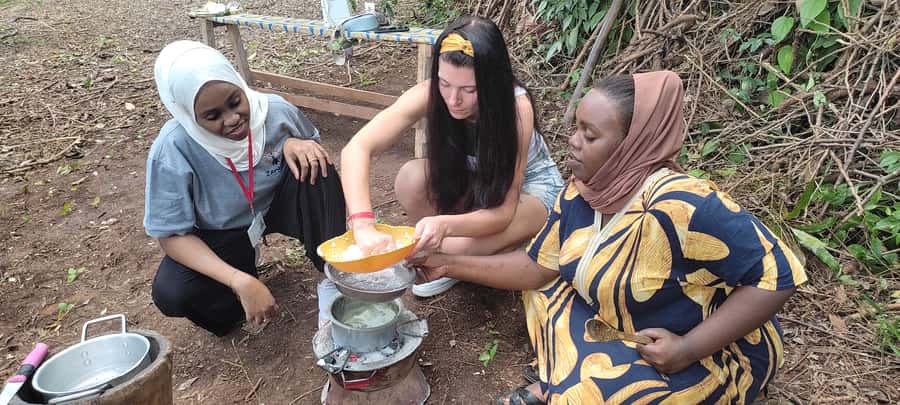
- Hands-on farm time, including cassava leaf harvesting and coconut milk preparation
- Tasting young coconut after a climber picks it from the tree
- Lunch on the spice farm after your cooking lesson, using what you learned
- A strong “why Zanzibar spices matter” story, including spice uses like flavor and medication
Where the Tour Starts: Stone Town’s Old Fort at 9:00 AM
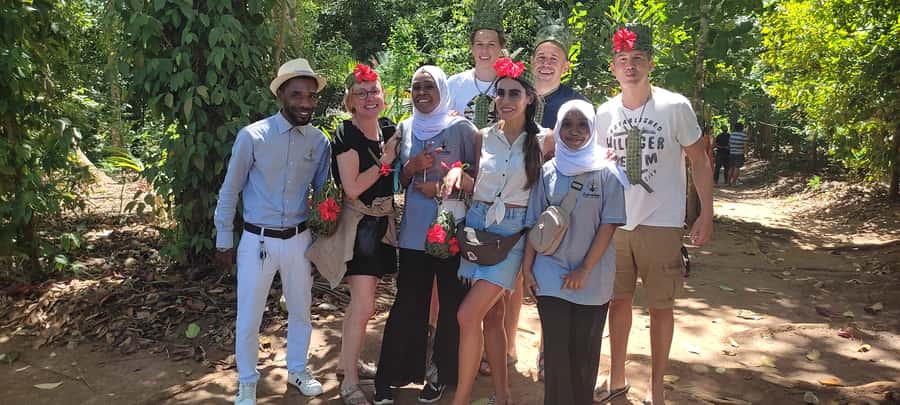
This tour is built for your morning in Stone Town. You meet at 9:00 AM in front of the Old Fort, on Mizingani Road, Zanzibar. If you’re staying in a beach hotel, pickup is also available anywhere in Zanzibar, so you can skip the “how do we get there” headache.
Because the total time is 3 hours, timing matters. This isn’t a slow wander where you can linger forever at every plant. Instead, you’ll move through the farm and cooking stations with a clear rhythm: see what’s grown, get the explanations, then taste and cook.
For most visitors, the biggest payoff is that it gives you a compact, high-impact look at one of Zanzibar’s signature industries. If you only have a small window in Stone Town (or you just don’t want a half-day to disappear), this format makes the most of it.
You can also read our reviews of more tours and experiences in Zanzibar.


The Organic Spice Farm: Touch Plants, Then Taste Them
The main event is an organic spice farm in the Unguja South Region area. Your guide shows you how spices are grown and used—both as flavoring and as something traditionally linked to medication. That’s one of the reasons this tour feels more than just foodie entertainment. It connects farming to everyday Zanzibar life.
You’ll also learn why people call this corner of the Indian Ocean the Spice Islands, with the Zanzibar Archipelago (and Mafia Island) often mentioned in the same breath. In practice, that means your guide can point out how the islands’ economy and cuisine are shaped by plants that many people only know from spice racks back home.
What you’ll be doing here isn’t passive. You can:
- Touch the herbs and spice plants
- Smell them directly from the growing plant
- Taste what’s available, including fruit
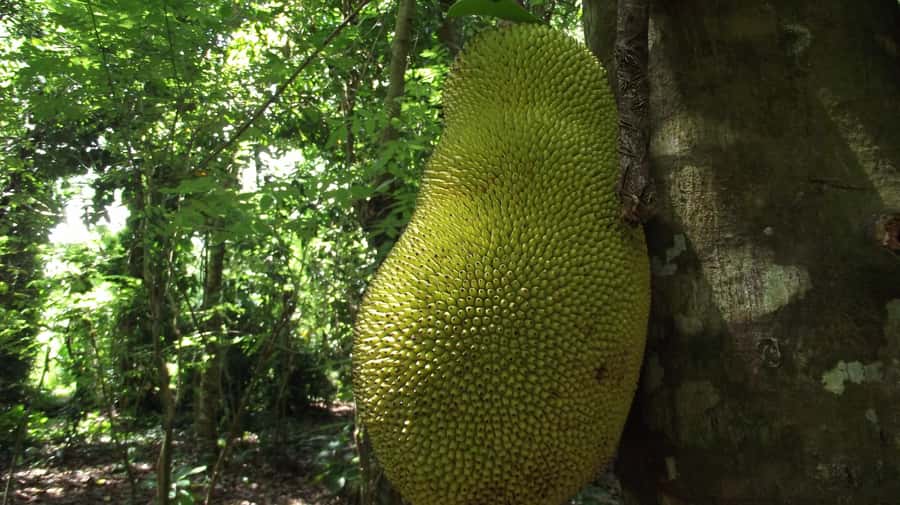
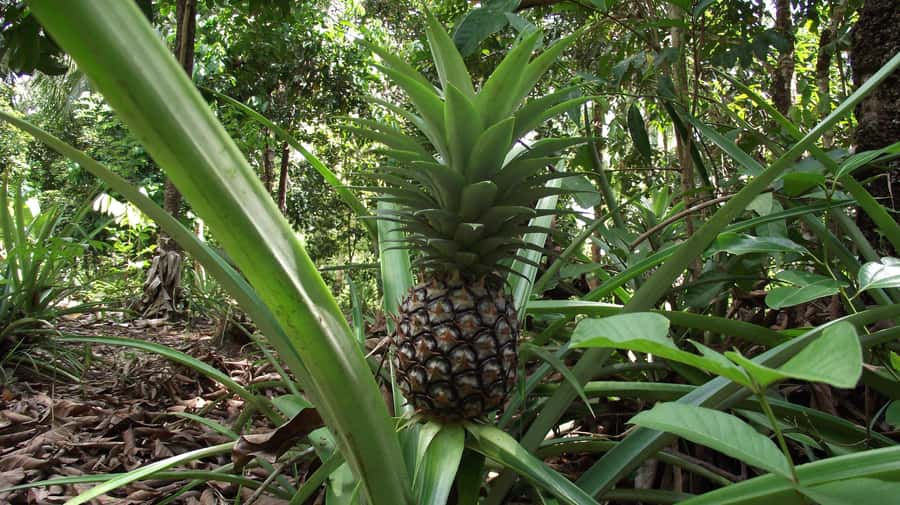
One of the standout moments is tasting fresh jackfruit, described as the largest fruit in the world. You’ll also see and taste tropical fruits as part of the farm experience. This matters because it breaks the spice focus just enough to feel grounded in the broader farm ecosystem—less like a museum, more like a real working place.
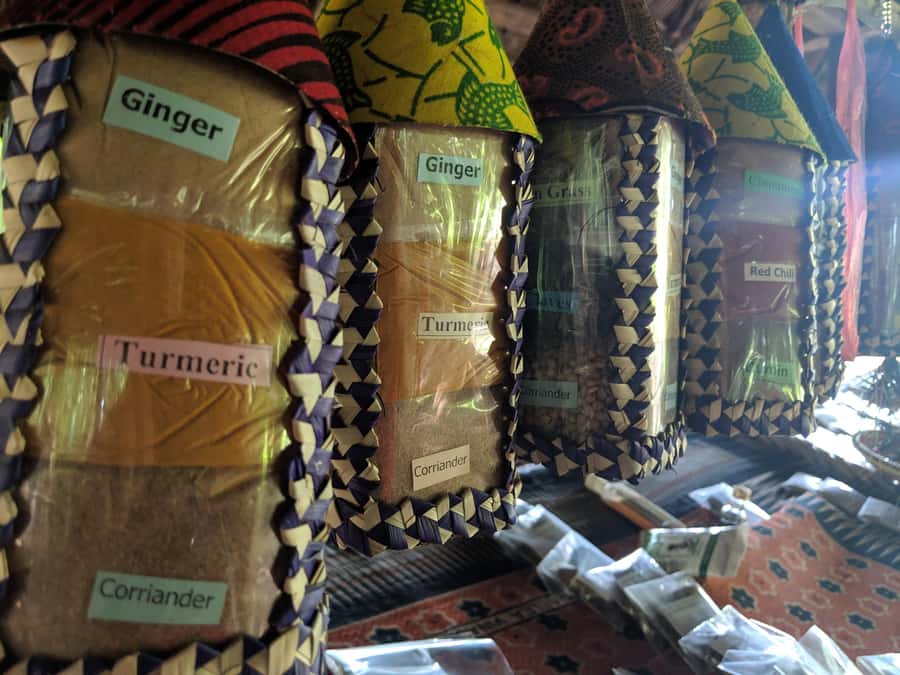
Spices specifically mentioned for learning and tasting include cloves, nutmeg, cinnamon, black pepper, vanilla, cardamom, ginger, turmeric, and lemon grass, plus other plants your guide may cover depending on what’s thriving.
And yes—the biggest difference is smell. Dry spices from a jar are convenient, but the aroma from living plants is louder, fresher, and strangely emotional. If you’ve ever wondered why Zanzibar’s spices have a reputation, this is where it clicks.
The Cooking Lesson: Cassava Leaves, Coconut Milk, and Local Methods
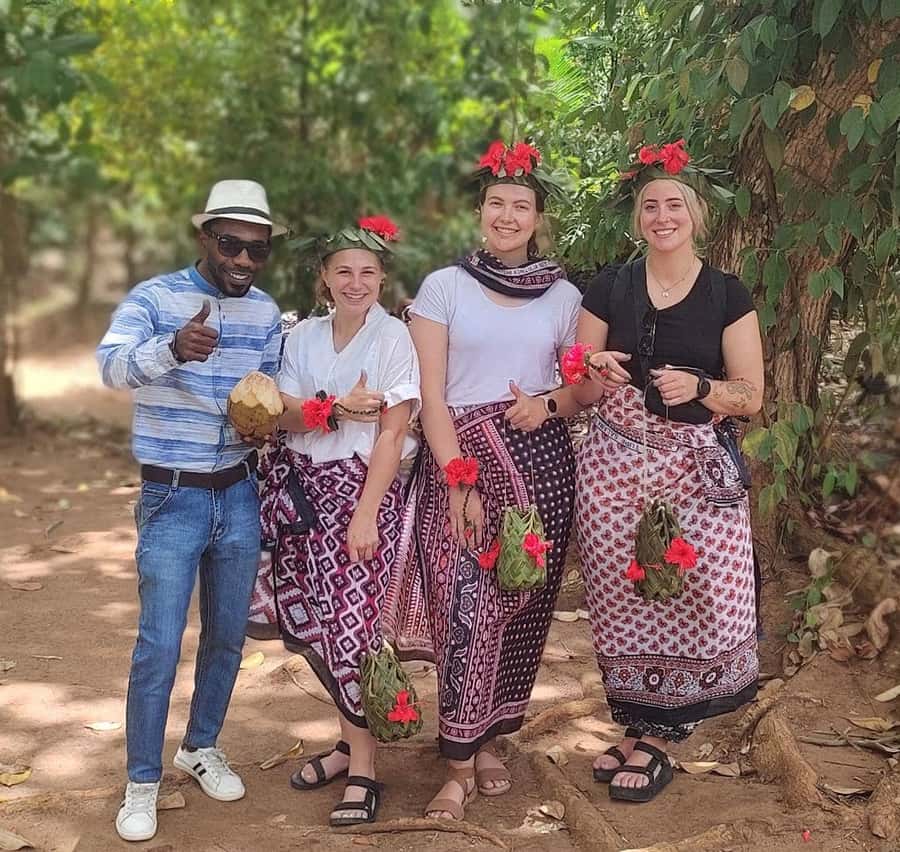
After the tour portion, the experience shifts from spotting plants to using them. This is where you get into the practical side of Zanzibar cooking.
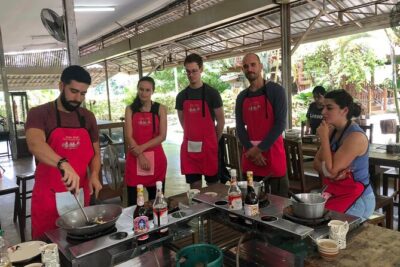
You’ll have the chance to join a cassava leaf harvest, learn about how coconut is processed, and practice cooking. The tour also includes making coconut milk, which is one of the building blocks for many East African coastal flavors.
A couple of practical notes here:
- The farm work is active. You’ll want comfortable shoes and expect some hands-on time.
- Don’t show up hungry in the sense of not eating at all—just remember you’ll still have lunch included at the end. The tour is designed so you learn first, then eat what you’ve helped prepare.
Then comes a fun, very Zanzibar moment: a coconut tree climber picks fresh young coconuts for you to try. It’s a quick taste, but it connects the farm lesson to the everyday reality of the island—coconut isn’t just an ingredient; it’s part of how the place lives.
Some cooking formats can be more “assist” than “lead.” One review-style experience mentioned that the cooking involvement can vary day to day—sometimes you may help with ingredients for dishes and sides rather than do every step yourself. So if you’re aiming for full hands-on cooking mastery, I’d go in expecting participation, but not expecting a private chef-by-the-stove experience.
Lunch on the Farm: Eating What You Practiced
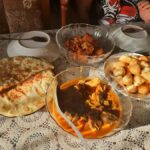
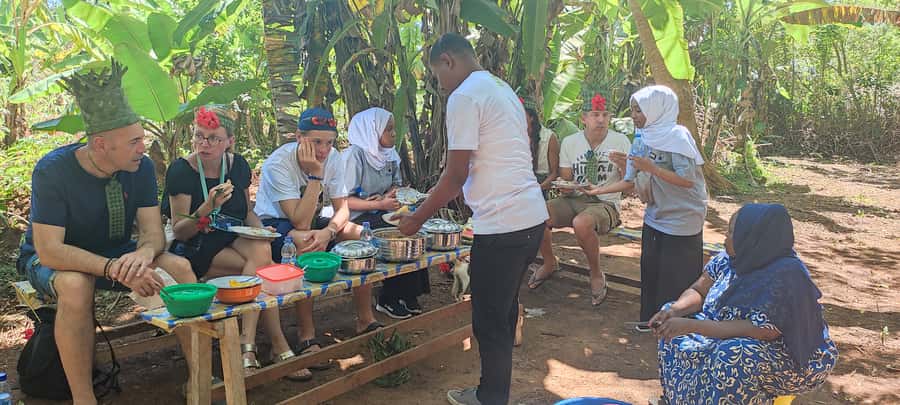
The tour ends with lunch on the spice farm, and it’s included. The value here isn’t only the meal—it’s the timing. You taste spices, learn what they do, and then you immediately see how they behave in food.
From the experiences people described, lunch often feels like a traditional Swahili-style meal connected to the ingredients you worked with earlier. Since the cooking lesson is part of the journey, the meal doesn’t land as an afterthought. It’s the payoff: you can connect smells and flavors you just learned to a plate in front of you.
Also, the farm setting changes how the meal feels. Even if the dishes aren’t fancy by Western standards, they often taste more vivid because the aromas are coming from right beside you.
A small practical tip: plan on eating slowly. If you’re rushing through Zanzibar on tight schedules, this is one of those experiences where taking your time makes the difference between eating a meal and actually tasting the spices.
Buying Spices at the End: Cash-Only and Worth Thinking About
At the end of the tour, you have the opportunity to purchase fresh spices from the shop. This is where many visitors either feel delighted or frustrated—depending on their prep.
Here’s the rule you need to remember: spice purchases are cash only. So bring cash with you from Stone Town or withdraw before you start, and keep it accessible.
What’s worth your attention while shopping:
- Ask which spices are freshest and strongest for cooking (not just for aroma).
- If you’re bringing spices home, think about what you’ll actually cook with. It’s easy to overbuy after smelling everything at peak freshness.
- If you’re traveling with liquids or want to protect powder from spills, plan how you’ll pack. The tour doesn’t spell out packaging details, so bring whatever small containers/bags make you comfortable.
The overall “buying” part can be the best souvenir. Dry spices are fine, but fresh, locally grown spices from the source can be a real upgrade—especially if you cook with the same spices you smelled earlier.

Who This Tour Suits Best (and Who Should Skip It)
This experience is a strong match if you want:
- A compact Zanzibar activity from Stone Town (just 3 hours)
- An authentic, hands-on look at how spices grow and how they’re used
- A cultural morning that includes both food and storytelling, not just a photo stop
It’s also a good fit for visitors who enjoy practical demonstrations: touching and smelling plants, harvesting cassava leaves, making coconut milk, and tasting jackfruit and young coconut.
On the flip side, it’s not suitable for pregnant women, according to the activity info you’ll receive. And because it includes active farm moments, it may not feel ideal if you have limited mobility—though it is listed as wheelchair accessible, so you should still consider how your comfort matches the pace and farm surfaces.
Value Check: Is $65 a Good Deal?
At $65 per person, this isn’t a “cheap add-on.” But it also isn’t just a guided walk through plants.
Here’s what your money is paying for:
- Pickup from the Stone Town Old Fort meeting point and optional pickup from beach hotels
- A local guide who explains how the spices are grown and used
- A true farm experience: smell, touch, taste, harvest cassava leaves, and make coconut milk
- Access to a climber-picked young coconut tasting
- Lunch included
- A contribution to the local community
If you’d otherwise spend a day hiring a driver, figuring out farm transport, and then paying for a cooking class and lunch separately, this usually feels like fair value. The main reason it works is the combination: spice education + hands-on activity + meal, all in a tight time window.
Final Verdict: Should You Book This Zanzibar Spice Farm Tour?
If you like your Zanzibar activities hands-on and sensory—spices you can smell from the plant, fruit tastings, and a real cooking lesson—this is an easy yes. It’s also great if you want a high-value morning without losing half a day.
I’d think twice if you’re hoping for a slow, leisurely nature walk, or if you’re trying to avoid cash spending because the shop only takes cash for spice purchases. Also, if you’re someone who prefers private, fully customizable cooking time, note that the cooking is structured for a group schedule, not a one-on-one kitchen workshop.
Book it if you’re ready to learn with your hands and taste right away. This is one of those Zanzibar experiences where the lesson follows you home—in your spices, and in your understanding of why Zanzibar’s flavor story is so well known.
FAQ
Where is the meeting point for this Zanzibar spice farm tour?
You meet at 9:00 AM in front of the Old Fort in Stone Town, on Mizingani Road, Zanzibar.
How long is the tour?
The duration is 3 hours.
Does this tour include pickup?
Yes. There is pickup from the Stone Town meeting point, plus pickup from Zanzibar beach hotels anywhere in Zanzibar.
Is lunch included?
Yes. Lunch is included at the spice farm after the cooking lesson.
Can I purchase spices with a card?
Spices can only be purchased with cash.
Is this activity suitable for everyone?
It is listed as wheelchair accessible, but it is not suitable for pregnant women.